
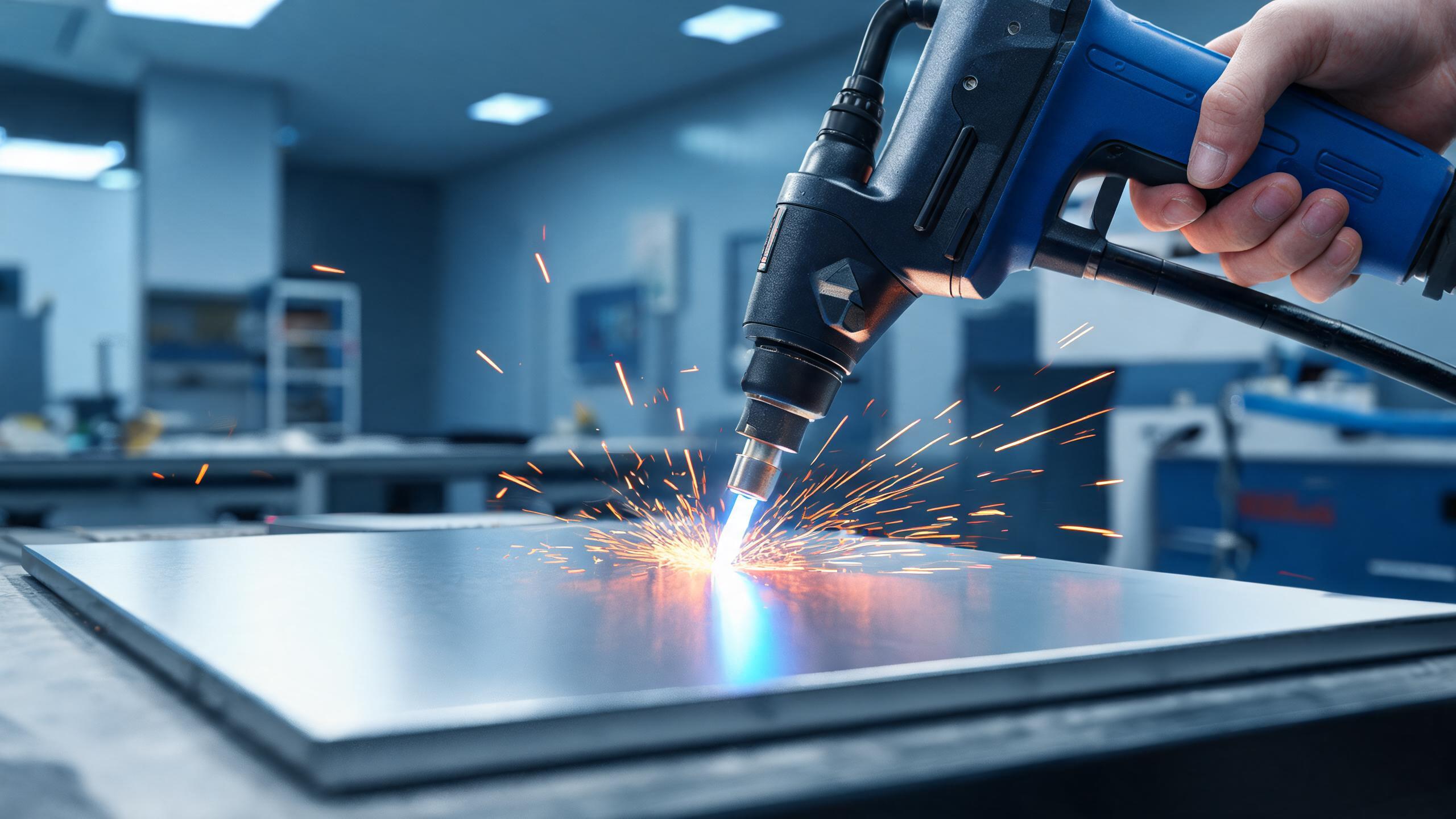
Gyakorlati útmutató hordozható lézerhegesztő gépek alumíniumhoz való használatához, lefedve az ötvözethegesztést, a vékony lemez technikákat, az optimális beállításokat, a lemezhegesztést és a gyártási alkalmazásokat – a Xinhong CNC 1500W-os kézi készüléke alapján …
Hordozható lézerhegesztés alumíniumhoz: Áttekintés
Az alumínium az egyik legszélesebb körben használt fém a modern gyártásban, amelyet könnyű súlya, korrózióállósága és kiváló hővezető képessége miatt értékelnek. Azonban magas reflexiója és hővezető képessége hagyományosan megnehezítette a hegesztését hagyományos módszerekkel. Egy hordozható lézerhegesztő gép alumíniumhoz megoldja ezeket a kihívásokat azáltal, hogy koncentrált, szabályozható hőforrást biztosít, amely tiszta, precíz varratokat hoz létre minimális torzulással és sok alkalmazásban hozaganyag nélkül.
Gyártóként, közel két évtizedes tapasztalattal, a Shandong Xinhong CNC Technology Co., Ltd kifejlesztett egy termékcsaládot, amely kifejezetten alkalmas alumínium kötésekhez különböző iparágakban. Az 1000W, 1500W, 2000W és 3000W kézi szálas lézerhegesztő gépeinket úgy tervezték, hogy az alumíniumötvözeteket vékony lemeztől a szerkezeti profilokig kezeljék, ±0,1 mm-es varratkonzisztenciát és 8+ órás folyamatos vízhűtéses üzemet biztosítva. kézi lézerhegesztő gép A csaknem két évtizedes tapasztalattal rendelkező gyártó, a Shandong Xinhong CNC Technology Co., Ltd olyan termékcsaládot fejlesztett ki, amely kifejezetten az alumíniumhegesztéshez illeszkedik a különböző iparágakban. Az 1000W, 1500W, 2000W és 3000W teljesítményű kézi szálas lézerhegesztő gépeinket úgy terveztük, hogy az alumíniumötvözeteket a vékony lemezektől a szerkezeti profilokig kezeljék, ±0,1 mm-es varrategyenletességet és 8+ órán át tartó folyamatos vízhűtéses működést biztosítva.
Azoknak, akik rozsdamentes acéllal is dolgoznak, kísérő útmutatónk Kézi lézerhegesztő gép rozsdamentes acélhoz: Teljes alkalmazási útmutató az adott alapanyagra vonatkozó legjobb gyakorlatokat ismerteti. A gyártási partnereket értékelő vásárlók számára A legjobb kézi szálas lézerhegesztő gyártók Kínában [2026-os frissítés] átfogó beszállítói áttekintést nyújt.
Alumíniumötvözet hegesztése
Az alumíniumötvözetek eltérően viselkednek sorozatuktól és állapotuktól függően. Az 5000-es és 6000-es sorozat, amelyek gyakoriak a gyártásban és az autóipari alkalmazásokban, általában jól reagálnak a kézi szálas lézerhegesztésre. A Xinhong CNC 1500W-os modellje legfeljebb 3 mm-es behatolást ér el mind rozsdamentes acélon, mind alumíniumon, így alkalmas szerkezeti kötésekhez, burkolatokhoz és profilcsatlakozásokhoz.
Az alumíniumötvözetekkel végzett munka főbb szempontjai közé tartozik a felület-előkészítés – az oxidréteg eltávolítása kritikus, mivel az alumínium-oxid olvadáspontja sokkal magasabb, mint az alapfémé – és a hőbevitel szabályozása az átégés elkerülése érdekében. A rendszer 50+ hegesztési paramétercsoport tárolására való képessége azt jelenti, hogy a kezelők elmenthetik az optimalizált beállításokat a különböző ötvözet-sorozatokhoz, és azonnal előhívhatják azokat, biztosítva a reprodukálhatóságot a gyártási tételek között. Az ötvözet-specifikus technikák mélyebb megismeréséhez tekintse meg kézi lézerhegesztő gép alumíniumötvözethez útmutatónkat.
Vékony alumínium technikák
A vékony alumínium (0,5 mm–2 mm) az a terület, ahol a hordozható lézerhegesztés valóban felülmúlja a hagyományos TIG- és MIG-eljárásokat. A koncentrált sugár minimalizálja a hőhatásövezetet, csökkentve a vetemedést és torzulást, amely gyakran sújtja a vékony lemezű alumíniumot hagyományos ívhegesztési módszerekkel. Ez különösen értékes az elektronikai burkolatok, hűtőbordák és dekoratív díszlécek esetében, ahol a méretpontosság elengedhetetlen.
A kezelőknek alacsonyabb teljesítmény-beállításokat és gyorsabb haladási sebességet kell használniuk vékony anyagoknál. A Xinhong CNC rendszer finom teljesítmény-szabályozása (1%-os lépésekben) lehetővé teszi a precíz vezérlést kényes munkadarabokon. Az argon védőgáz ajánlott az oxidáció megelőzése és a fényes, tiszta varratok biztosítása érdekében. A vékony lemezű alumíniummal végzett munka gyakorlati technikáit részletesen ismerteti hordozható lézerhegesztő vékony alumíniumhoz cikkünk.
Optimális hegesztési beállítások
A konzisztens alumíniumvarratok eléréséhez a lézerteljesítmény, az impulzusfrekvencia, a haladási sebesség és a fókuszpozíció megfelelő kombinációja szükséges. Az alábbi alap paraméterek kiindulási pontként szolgálnak a gyakori alumíniumvastagságokhoz a Xinhong CNC 1500W-os kézi szálas lézerhegesztőjével:
- 1 mm-es alumíniumlemez: 600–800W, 20–30 Hz impulzusfrekvencia, 8–12 mm/s haladási sebesség
- 2 mm-es alumíniumlemez: 1000–1200W, 15–25 Hz, 6–10 mm/s
- 3 mm-es alumíniumlemez: 1300–1500W, 10–20 Hz, 4–8 mm/s
Ezeket az értékeket az ötvözet típusa, a kötés geometriája és a védőgáz áramlási sebessége alapján kell finomhangolni. Az IPG, RAYCUS és GW lézerforrások – amelyek minden Xinhong CNC hegesztőben szabványosak – mindegyike kissé eltérő sugárjellemzőkkel rendelkezik, amelyek paraméter-beállításokat tehetnek szükségessé. Az integrált paramétertároló rendszer lehetővé teszi a csapatok számára, hogy anyagonként és vastagságonként érvényesített beállításokat mentsenek. Átfogó paraméter-referenciáért látogassa meg kézi lézerhegesztés alumínium beállítások útmutatónkat.
Alumíniumlemez hegesztése
A lemezalumínium hegesztése alapvető alkalmazás a hordozható lézerhegesztők számára a HVAC, az autóipari karosszériaelemek és a konyhai eszközök gyártása területén. A kézi lézerhegesztés legfőbb előnye lemezmunka esetén, hogy tompa-, átlapolt- és sarokvarratok készíthetők hozaganyag nélkül, ami alacsonyabb anyagköltséget és gyorsabb ciklusidőt eredményez.
Legfeljebb 2 mm-es lemezvastagságig egy 1000W-os vagy 1500W-os modell általában elegendő. A nehezebb lemezmunka (2–3 mm) esetén a 2000W-os vagy 3000W-os konfigurációk előnyösek. A Xinhong CNC összes modelljén a vízhűtéses rendszer 8+ órás folyamatos üzemet támogat, ami elengedhetetlen a nagy volumenű lemezhegesztési gyártósorokhoz. A Schneider elektromos alkatrészek stabil áramellátást biztosítanak hosszabb üzemelés során. A lemez-specifikus munkafolyamatokról többet megtudhat kézi lézerhegesztő alumíniumlemez oktatóanyagunkban.
Alumínium megmunkálási alkalmazások
A hordozható lézerhegesztő gépek kibővítették az alumínium megmunkálási alkalmazások körét, amelyek elérhetők a kis- és közepes méretű műhelyek számára. Gyakori felhasználási esetek:
- Építészeti és szerkezeti profilok: Ablakkeretek, függönyfal-rendszerek és moduláris épületelemek
- Autóipar és szállítás: Akkumulátor-burkolatok, karosszériaelemek és alváz-tartók
- Hőcserélők és HVAC: Lamellás-csöves kötések, lemezes hőcserélő szerelvények
- Tengerészeti alkatrészek: Hajószelvények, korlátok és fedélzeti szerelvények, amelyek korrózióálló hegesztést igényelnek
- Elektronika és házak: Zárt alumíniumházak érzékeny berendezésekhez
A Xinhong CNC kézi hegesztőgépek CE és RoHS tanúsítványai biztosítják az európai piaci követelményeknek való megfelelést, míg az ISO 9001:2015 tanúsítvány igazolja az egységek mögött álló minőségirányítási rendszert. A gyártási alkalmazások és berendezésválasztás áttekintéséhez tekintse meg hordozható lézerhegesztő gép alumínium megmunkáláshoz cikkünket.
Főbb tanulságok
- A hordozható lézerhegesztés megoldja az alumínium hagyományos kihívásait, mint a magas reflexió és hővezetés, koncentrált, szabályozható hőbevitellel.
- A 1500W-os Xinhong CNC kézi hegesztőgép akár 3 mm-es alumínium behatolást is kezel ±0,1 mm-es varratkonzisztenciával.
- A paramétertárolás 50+ hegesztési csoporthoz ismételhető eredményeket tesz lehetővé különböző alumíniumötvözetek és vastagságok esetén.
- Vízhűtéses folyamatos üzem 8+ órán át támogatja a megerőltető gyártási ütemterveket.
- A CE, RoHS és ISO 9001:2015 tanúsítványok biztosítják a nemzetközi minőségi szabványoknak való megfelelést.
Árajánlat kéréséhez vagy alumíniumhegesztési alkalmazásának megbeszéléséhez műszaki csapatunkkal, vegye fel a kapcsolatot a Xinhong CNC-vel még ma.