
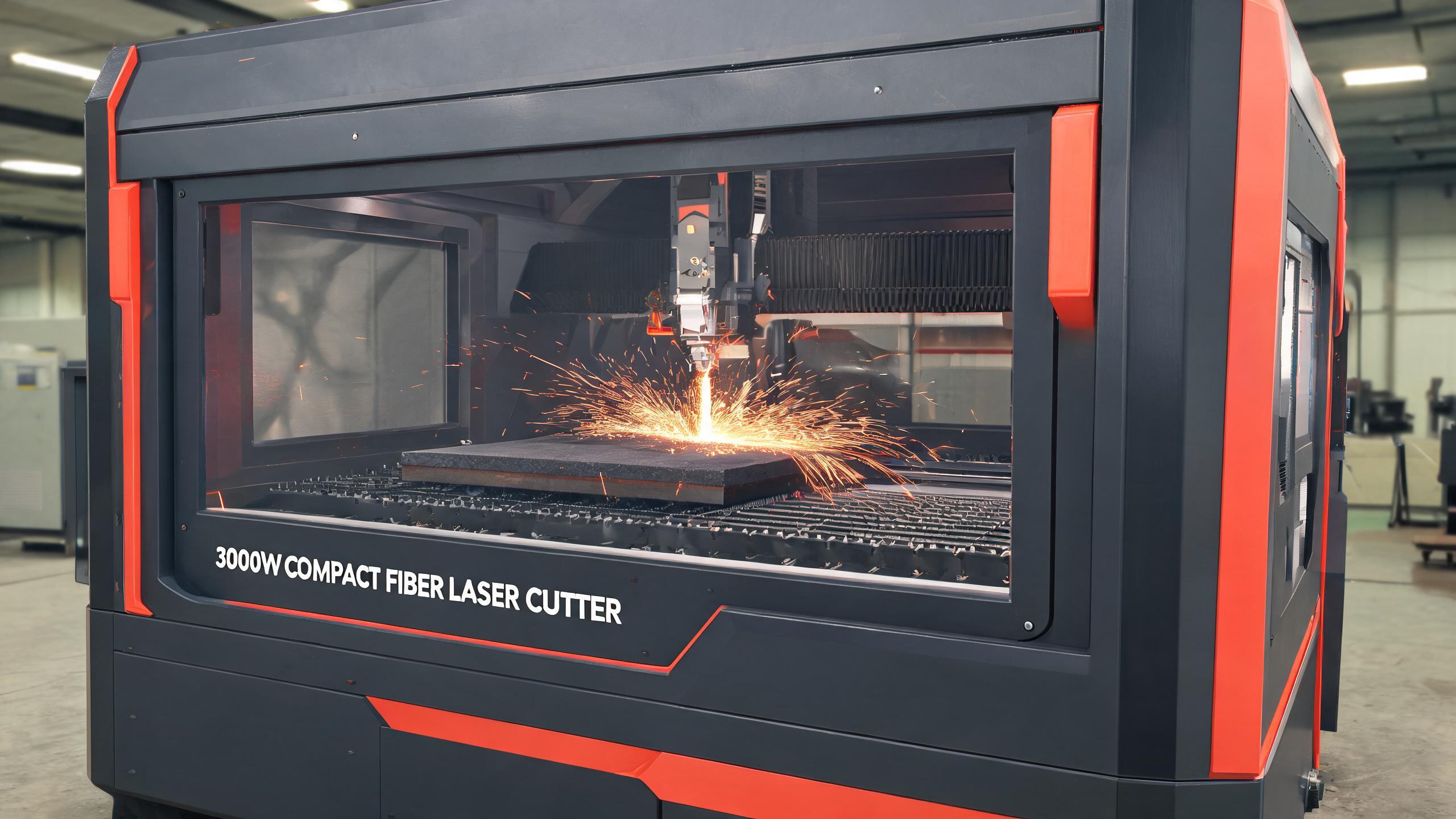
Un ghid cuprinzător de prețuri pentru 2026 pentru mașinile de tăiat cu laser cu fibră, defalcând costurile în funcție de putere (500W–30000W), marca sursei laser (IPG vs RAYCUS vs GW) și opțiunile de configurare. Include o comparație putere-preț…
Preț mașină de tăiat cu laser cu fibră: Ghid de prețuri 2026 în funcție de putere și marcă
Când investiți într-o mașină de tăiat cu laser cu fibră, înțelegerea peisajului prețurilor mașinilor de tăiat cu laser cu fibră este primul pas către o decizie de achiziție solidă. Prețurile variază dramatic în funcție de puterea laserului, marca sursei laser, configurația mașinii și caracteristicile incluse. Acest ghid detaliază modul în care fiecare factor influențează costul, astfel încât să vă puteți planifica bugetul cu încredere și să solicitați oferte exacte de la producători.
De ce variază atât de mult prețul mașinilor de tăiat cu laser cu fibră
Un sistem de nivel de intrare de 500W și o mașină de calitate industrială de 30000W deservesc nevoi de fabricație complet diferite – iar prețurile lor reflectă această diferență. Cel mai mare factor de cost este sursa laser în sine, care poate reprezenta 40–60% din costul total al mașinii. Dincolo de sursa laser, factori precum dimensiunea zonei de lucru, marca sistemului de control, metoda de răcire, incinta de siguranță, masa de schimb și sistemele auxiliare (extracție fum, generator de azot, compresor de aer) se adaugă la prețul final.
Preț mașină de tăiat cu laser cu fibră în funcție de putere
Tabelul de mai jos rezumă intervalele de preț tipice din industrie pentru mașinile de tăiat cu laser cu fibră, în funcție de nivelul de putere. Acestea sunt intervale orientative bazate pe date de piață – prețul real depinde de configurație, marca sursei laser și producător. Contactați furnizorii pentru oferte detaliate adaptate specificațiilor dumneavoastră.
| Interval de putere | Aplicație tipică | Interval de preț din industrie (USD) | Factori cheie de cost |
|---|---|---|---|
| 500W | Tabla subțire (0,5–3mm oțel carbon) | Nivel de intrare | Masă compactă, alimentare monofazată, sursă RAYCUS |
| 1000W | Fabricație ușoară (1–12mm oțel carbon) | Intrare spre mijlocul gamei | Opțiune dimensiune masă (3000×1500 sau 4000×2000), marca sursei laser |
| 1500W | Tabla medie (până la 6mm oțel carbon) | Mijlocul gamei | Răcire cu apă, caracteristici controler CNC |
| 2000W–3000W | Fabricație generală (8–12mm oțel carbon) | Mijlocul gamei | Incintă, masă de schimb, comenzi Schneider Electric |
| 6000 W–8000 W | Tabla groasă (20–25mm oțel carbon) | Nivel industrial | Purtător ranforsat, acționare dublă, cap de tăiere de înaltă presiune |
| 12000W–20000W | Oțel structural gros (35–50mm) | Nivel industrial înalt | Chiller cu trei circuite, construcție cu cadru greu, CNC avansat |
| 30000W | Tabla ultra-groasă (până la 70mm) | Nivel industrial premium | Sursă laser de top, management termic, masă 2000×6000mm |
Pentru prețuri specifice pentru mașinile de tăiat cu laser cu fibră Xinhong CNC cu puteri de la 500W la 30000W, solicitați o ofertă cu tipurile de materiale, intervalul de grosimi și volumul de producție pentru o propunere detaliată.
Cum influențează marca sursei laser prețul mașinii de tăiat cu laser cu fibră
Sursa laser este inima mașinii, iar selecția mărcii influențează semnificativ atât costul inițial, cât și economia operațională pe termen lung. Xinhong CNC colaborează cu trei producători de top de surse laser, oferind cumpărătorilor flexibilitatea de a potrivi bugetul și cerințele aplicației:
| Marca sursei laser | Origine | Poziție de preț | Cel mai potrivit pentru |
|---|---|---|---|
| IPG | SUA | Nivel premium | Aplicații exigente care necesită cea mai înaltă calitate a fasciculului; piețe de export cu așteptări stricte de calitate |
| RAYCUS | China | Nivel mediu | Valoare excelentă pentru tăiere standard; rețea solidă de suport intern și internațional |
| GW | China | Nivel competitiv | Proiecte sensibile la costuri cu performanță fiabilă pentru lucrări de fabricație standard |
Sursele laser IPG impun de obicei o primă de preț de 20–40% față de alternativele interne, reflectând calitatea fasciculului lider în industrie și rețeaua globală de service consacrată. RAYCUS și GW oferă o valoare convingătoare, cu o durată de viață de 35.000–50.000+ ore și performanță constantă a fasciculului, potrivită pentru majoritatea aplicațiilor de tăiere a tablei.
Opțiuni de configurare care influențează prețul
Dincolo de putere și sursa laser, mai multe alegeri de configurare afectează investiția totală:
- Dimensiunea zonei de lucru: Trecerea de la 1500×3000mm la 2000×6000mm crește capacitatea de material, dar adaugă 30–60% la costul mașinii.
- Incinta de siguranță: Carcase complet închise cu uși interblocate adaugă cost, dar sunt esențiale pentru conformitatea CE și siguranța operatorului pe piețele europene.
- Masă de schimb: Mesele de schimb automate permit producția continuă, dar se adaugă la investiția inițială.
- Sistem de control: Sistemele PLC Schneider Electric (de ex., Modicon M241) cu conectivitate Ethernet și programare pe loturi impun o primă față de controlerele de bază.
- Sistemul de răcire: Chiller-urile industriale cu apă (în special cu trei circuite pentru mașinile de mare putere) reprezintă o componentă semnificativă de cost.
- Echipamente auxiliare: Sistemele de extracție a fumului, generatoarele de azot PSA și compresoarele de aer cu șurub se adaugă fiecare la prețul total al sistemului, dar reduc costurile operaționale pe termen lung.
Sfat de profesionist: Nu comparați mașinile doar după preț. O mașină mai ieftină fără incintă, sursă laser de calitate sau comenzi Schneider Electric poate costa mai mult în timp de nefuncționare, întreținere și probleme de conformitate decât economiile inițiale. Evaluați costul mașinii de tăiat cu laser cu fibră pe întreaga durată de viață.
Tendințe de preț pe piață în 2026
Mai mulți factori modelează tendințele prețurilor mașinilor de tăiat cu laser cu fibră în 2026:
- Maturizarea surselor laser interne: RAYCUS și GW continuă să reducă diferența de performanță față de IPG, exercitând presiune descendentă asupra prețurilor din segmentul mediu.
- Adoptarea puterii mari: Pe măsură ce mașinile de 12000W–30000W devin mai comune în industria grea, economiile de scară reduc treptat costurile pe watt la capătul superior.
- Integrarea automatizării: Mesele de schimb, schimbătoarele automate de duze și sistemele de manipulare a materialelor sunt din ce în ce mai mult incluse în pachet, mutând costul de la forța de muncă la echipamentele de capital.
- Costuri de conformitate europeană: Designurile închise certificate CE cu comenzi Schneider Electric și ferestre de siguranță EN 12254 adaugă cost fix, dar sunt nenegociabile pentru cumpărătorii din UE.
Sfaturi de bugetare pentru cumpărători
Când vă planificați investiția în mașina de tăiat cu laser cu fibră, luați în considerare acești pași practici:
- Definiți mai întâi materialul și intervalul de grosimi. Acest lucru determină nivelul minim de putere – nu cumpărați putere pe care nu o veți folosi.
- Luați în considerare costul total de proprietate. Consumul de electricitate, costurile gazelor de asistență, întreținerea și consumabilele se adaugă semnificativ la costurile anuale de operare, dincolo de prețul de achiziție.
- Solicitați oferte detaliate. Cereți producătorilor să defalcă costurile pe marca sursei laser, dimensiunea mesei, incintă și sisteme auxiliare, astfel încât să puteți compara comparabil.
- Evaluați garanția și suportul post-vânzare. Diagnosticarea de la distanță, disponibilitatea pieselor de schimb și instruirea operatorilor au o valoare financiară reală pe o durată de viață a mașinii de peste 10 ani.
Pentru mai multe informații despre calcularea costului total de operare al unei mașini de tăiat cu laser cu fibră, consultați ghidul nostru însoțitor despre defalcarea costului total de proprietate. Pentru a compara modelele de nivel de intrare și cele industriale, citiți ghidul nostru despre prețul mașinii de tăiat cu laser cu fibră: nivel de intrare vs. industrial.
De asemenea, puteți urmări videoclipuri conexe pe YouTube pentru a vedea mașinile de tăiat cu laser cu fibră în acțiune la diferite niveluri de putere și materiale – căutați „fiber laser cutting machine demo” pentru a găsi demonstrații reale de tăiere care vă ajută să evaluați performanța înainte de achiziție.
Articole conexe din această serie
- Laser cu fibră nou vs. second-hand de vânzare: Care este potrivit pentru atelierul dumneavoastră?
- Mașină de tăiat cu laser cu fibră second-hand: Riscuri, beneficii și listă de verificare înainte de cumpărare
- Costul mașinii de tăiat cu laser cu fibră: Defalcarea costului total de proprietate
- Prețul mașinii de tăiat cu laser cu fibră: Compararea modelelor de nivel de intrare vs. industriale