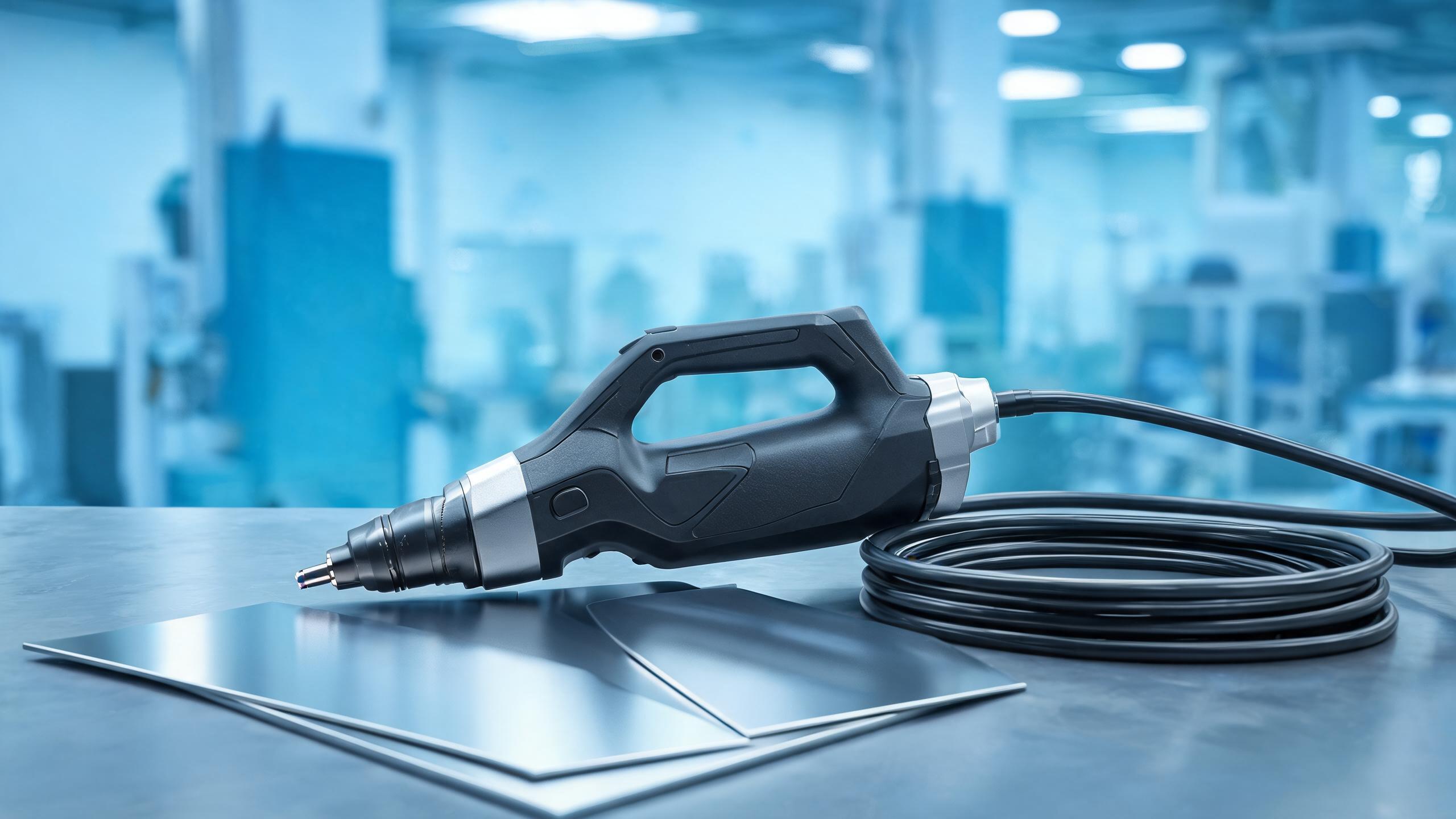
Un ghid practic de evaluare pentru cumpărătorii care evaluează furnizori de mașini portabile de sudat cu laser – care acoperă experiența în producție, trasabilitatea componentelor, managementul calității, performanța sudurii, conformitatea și suportul post-vânzare.
Evaluarea Furnizorului
De ce este importantă evaluarea furnizorului pentru echipamentele portabile de sudare cu laser
Găsirea unui furnizor de încredere de mașini portabile de sudat cu laser este una dintre cele mai importante decizii pe care le poate lua un atelier de fabricație sau un producător contractual. Furnizorul ales determină nu doar prețul inițial al echipamentului, ci și consistența calității sudurii, disponibilitatea pieselor de schimb și viteza suportului tehnic atunci când ceva nu funcționează pe linia de producție. Un furnizor evaluat necorespunzător poate însemna săptămâni de oprire, așteptând o fibră sau o placă de control de schimb, în timp ce un partener bine ales menține operațiunea dumneavoastră funcțională cu întreruperi minime.
Acest ghid prezintă criteriile de evaluare care contează cel mai mult atunci când evaluați un producător de sudore laser cu fibră portabile - de la acreditările de producție și trasabilitatea componentelor până la suportul post-vânzare și documentația de conformitate.
1. Experiența în producție și istoricul
Durata de activitate pe piață este un filtru de bază, dar esențial. O companie care produce echipamente industriale cu laser de aproape două decenii și-a perfecționat probabil designurile prin mai multe generații de produse și a întâlnit – și a rezolvat – modurile de defectare pe care noii intrați nu le-au văzut încă. Shandong Xinhong CNC Technology, de exemplu, a fost înființată în 2005 și construiește aparat de sudură laser portabil modele într-o gamă de putere de la 1000W la 3000W, având o familiaritate profundă cu variabilele termice, optice și mecanice care afectează performanța sudurii la diferite niveluri de putere.
Când evaluați un furnizor, întrebați în mod specific:
- Câți ani produce compania echipamente de sudare cu laser (nu doar le comercializează)?
- Ce gamă de putere produc intern?
- Pot oferi referințe de la clienți din industria sau tipul de material al dumneavoastră?
2. Aprovizionarea componentelor și trasabilitatea
Performanța și longevitatea unei mașini portabile de sudat cu laser depind în mare măsură de calitatea componentelor sale de bază. Sursa laser este cea mai scumpă și critică parte – producătorii de renume folosesc mărci consacrate precum IPG, RAYCUS sau GW. Utilizarea surselor laser de marcă înseamnă că piesele de schimb sunt disponibile la nivel global, iar specificațiile sursei sunt documentate și consistente.
Dincolo de sursa laser, examinați componentele electrice și de control. Xinhong utilizează componente electrice Schneider în întreaga gamă de produse, ceea ce oferă un nivel de trasabilitate și disponibilitate globală pe care componentele generice sau fără marcă nu îl pot egala. Când un contactor sau un întrerupător se defectează, posibilitatea de a găsi o piesă de schimb identică la nivel local, în loc să așteptați o expediere de la producător, economisește zile sau săptămâni de oprire.
Întrebări cheie pentru furnizor:
- Ce marcă de sursă laser utilizați și poate cumpărătorul să specifice marca?
- Componentele electrice provin de la mărci globale recunoscute, cu numere de piesă documentate?
- Puteți furniza o listă de materiale pentru piesele de schimb critice?
3. Sistemul de management al calității
Certificarea ISO 9001:2015 este un indicator semnificativ că furnizorul are un sistem de management al calității documentat și auditat. Înseamnă că există procese controlate pentru inspecția materialelor la recepție, verificări ale calității în timpul producției și testarea finală a produsului – nu doar verificări ad-hoc. Xinhong funcționează conform ISO 9001:2015, ceea ce oferă un cadru structurat pentru o calitate constantă a produselor.
Solicitați furnizorului numărul certificatului ISO și verificați-l independent. Un furnizor care nu poate prezenta un certificat valabil sau al cărui certificat a expirat ar trebui tratat cu prudență.
4. Specificațiile de performanță a sudurii
Un furnizor care merită evaluat ar trebui să poată oferi date concrete privind performanța sudurii, nu doar valori de putere. De exemplu, sudorul cu laser cu fibră portabil de 1500W de la Xinhong specifică o penetrare maximă de 3 mm pe oțel inoxidabil și aluminiu, o consistență a cusăturii de sudură de ±0,1 mm și funcționare continuă cu răcire pe apă timp de peste 8 ore. Acestea sunt specificații măsurabile și verificabile care vă spun ce poate face mașina în producție – nu doar ce pretinde pe o fișă tehnică.
Când comparați furnizori, solicitați:
- Adâncimea maximă de penetrare pentru materialele dumneavoastră țintă
- Toleranța cusăturii de sudură și datele de repetabilitate
- Ciclul de funcționare și timpul de funcționare continuă cu răcire pe apă
- Suduri de probă pe materialul și grosimea dumneavoastră specifică
5. Documentația de conformitate și certificare
Dacă intenționați să vindeți sau să utilizați echipamentul pe piața europeană, marcajul CE nu este opțional – este o cerință legală. Un furnizor care poate furniza documentația de conformitate CE și RoHS a investit deja în testarea și pregătirea dosarului tehnic necesare pentru accesul pe piața europeană. Mașinile portabile de sudat cu laser de la Xinhong sunt certificate CE și RoHS, ceea ce înseamnă că pregătirea pentru conformitate este deja făcută.
Solicitați copii ale Declarației de conformitate și rezumatul dosarului tehnic înainte de a plasa o comandă. Un furnizor care nu poate sau nu dorește să furnizeze aceste documente poate tăia colțuri la testele de siguranță.
6. Suport post-vânzare și disponibilitatea pieselor de schimb
Costul real de proprietate depășește cu mult prețul de achiziție. Evaluați infrastructura de suport a furnizorului:
- Care este timpul tipic de răspuns pentru solicitările de suport tehnic?
- Piesele de schimb sunt stocate local sau expediate din fabrică și care sunt termenele tipice de livrare?
- Furnizorul oferă diagnosticare de la distanță sau suport video?
- Ce perioadă de garanție este oferită și ce acoperă?
Un furnizor cu un proces de suport bine stabilit – chiar dacă este situat peste hotare – este de preferat unuia care dispare după vânzare. Căutați furnizori care oferă documentație clară, materiale de instruire și o cale definită de escaladare pentru problemele tehnice.
7. Comunicare și transparență
Modul în care un furnizor comunică în faza de evaluare este un predictor fiabil al modului în care va comunica după ce ați plătit. Răspund la întrebările tehnice cu specificații sau cu limbaj de marketing generic? Furnizează specificații detaliate, liste de componente și documente de conformitate fără a fi solicitați de mai multe ori? Un furnizor transparent și receptiv în faza de pre-vânzare este mai probabil să fie la fel și atunci când aveți nevoie de o piesă de schimb șase luni mai târziu.
Întrebări frecvente
Ar trebui să aleg un producător sau o companie comercială?
Un producător controlează procesul de producție, poate personaliza specificațiile și oferă, de obicei, prețuri mai bune. O companie comercială poate oferi o varietate mai mare de produse, dar adaugă un adaos comercial și are o profunzime tehnică mai mică. Pentru o mașină portabilă de sudat cu laser, lucrul direct cu un producător precum Xinhong vă oferă acces direct la suportul de inginerie.
Pot solicita o anumită marcă de sursă laser?
Da. Producătorii de renume oferă opțiuni. Xinhong utilizează surse laser IPG, RAYCUS și GW, iar cumpărătorii pot specifica, de obicei, preferința în funcție de buget și cerințele de performanță.
Ce ar trebui să fac dacă furnizorul nu poate furniza documentația CE?
Tratați-o ca pe un semnal de alarmă. Conformitatea CE este o cerință legală pentru vânzarea echipamentelor în UE. Un furnizor fără aceasta fie nu și-a testat produsul, fie nu dorește să împărtășească rezultatele – ambele indică un risc.