
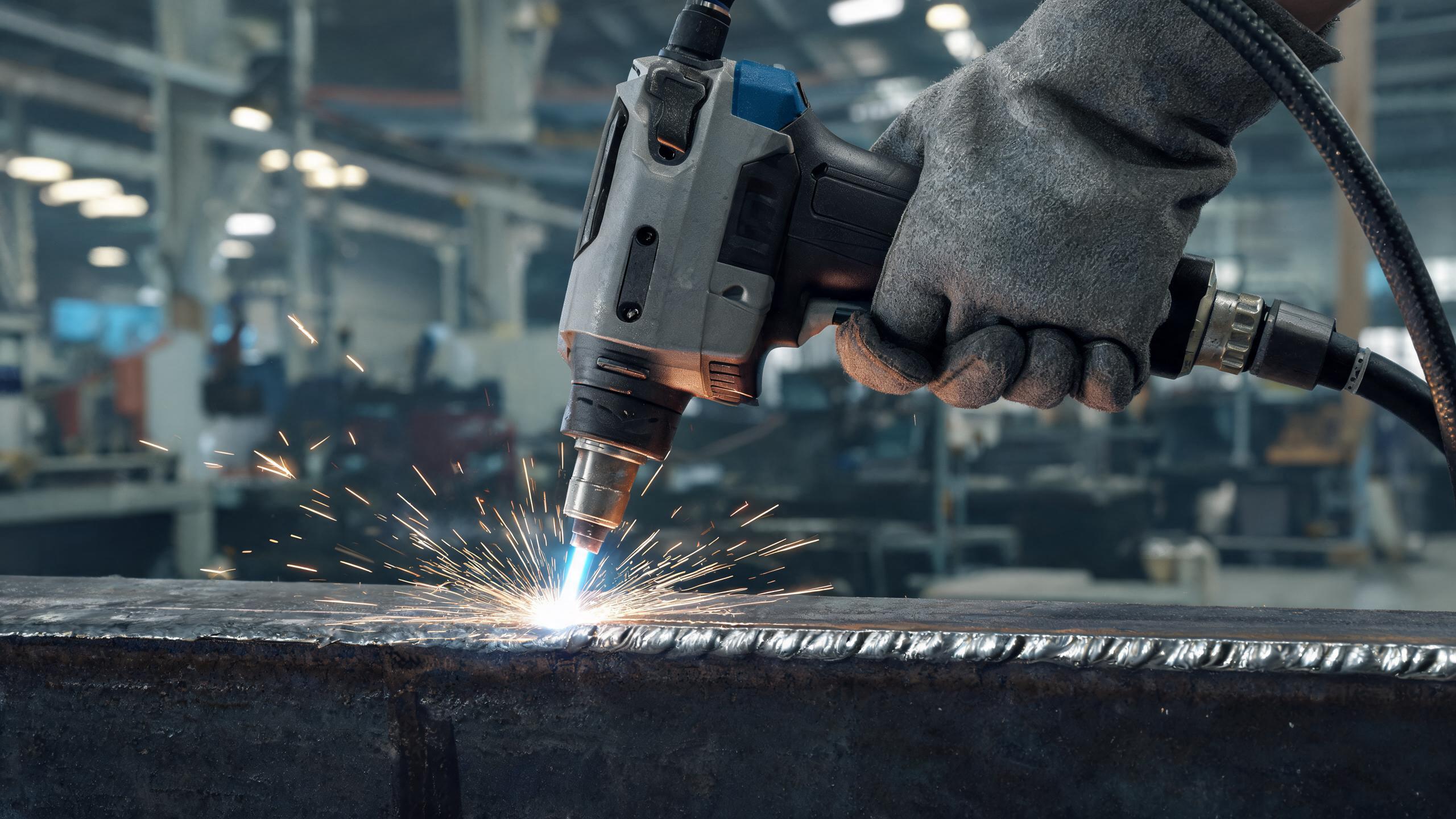
Техническое руководство по сварке стального листа ручным лазерным сварочным аппаратом, охватывающее рекомендуемые настройки мощности по толщине листа, параметры проплавления, требования к охлаждению и практические советы для получения чистых и воспроизводимых швов.
Сварка стального листа ручным лазером: основы
Стальной лист — один из самых распространённых материалов в строительных конструкциях, машиностроении и производстве тяжёлого оборудования. Ручной ручной лазерный сварочный аппарат лазерный сварочный аппарат обеспечивает гибкость при сварке листов, которую не могут предложить стационарные портальные системы: оператор может свободно перемещаться вокруг больших листов, варить в любом положении и получать доступ к углам и кромкам без перемещения заготовки. Понимание правильных параметров для каждой толщины листа необходимо для получения прочных и чистых швов с минимальной термической деформацией.
Настройки мощности по толщине листа
Диапазон ручной лазерный сварочный аппарат для нержавеющей стали доступен в конфигурациях 1000 Вт, 1500 Вт, 2000 Вт и 3000 Вт. Каждый уровень мощности имеет практический диапазон толщины листа, в котором он работает оптимально:
- 1000 Вт – Лучше всего подходит для тонкого листа (1–2 мм). Обеспечивает чистые швы на тонколистовой стали с минимальным тепловложением. Избегайте превышения 2 мм — недостаточное проплавление приводит к слабым соединениям.
- 1500 Вт – Наиболее широко используемый уровень для сварки листов. Обеспечивает максимальное проплавление 3 мм на нержавеющей стали и алюминии с стабильностью шва ±0,1 мм. Идеально подходит для большинства задач по сварке листов.
- 2000 Вт – Расширяет возможности до листа толщиной 3–4 мм. Подходит для конструкционных кронштейнов, корпусов машин и узлов из листов средней толщины.
- 3000 Вт – Предназначен для толстого листа (4 мм и более). Обеспечивает глубокое проплавление и высокую скорость перемещения для тяжёлых конструкционных применений.
Ключевые параметры сварки, которые необходимо контролировать
Мощность лазера и глубина проплавления
Глубина проплавления в первую очередь определяется мощностью лазера и скоростью перемещения. Для модели 1500 Вт при работе с листом нержавеющей стали толщиной 3 мм ключевыми параметрами являются:
- Настройка мощности: 1200–1500 Вт (регулируется в зависимости от подготовки кромок)
- Скорость перемещения: обычно 10–20 мм/с для полного проплавления листа толщиной 3 мм
- Максимальное проплавление: 3 мм на нержавеющей стали и алюминии
- Стабильность шва: ±0,1 мм по всей длине шва
Для более толстого листа пропорционально увеличивайте мощность и снижайте скорость перемещения, но сначала всегда проводите испытания на образце. Чрезмерная мощность при высокой скорости вызывает подрезы, а недостаточная мощность при низкой скорости — чрезмерное усиление шва.
Импульсный режим против режима непрерывной волны
Большинство ручных волоконных лазерных сварочных аппаратов предлагают как режим непрерывного излучения (CW), так и импульсный режим:
- Режим CW – обеспечивает постоянную мощность для глубокого проплавления. Лучше всего подходит для более толстого листа и конструкционных швов, требующих полного сплавления.
- Импульсный режим – чередует высокую пиковую мощность и паузы. Снижает общее тепловложение, что делает его идеальным для тонкого листа и термочувствительных применений, где необходимо минимизировать деформацию.
Подача проволоки и присадочный материал
Для сварки листов, требующей заполнения зазоров или усиления, необходима интегрированная система подачи проволоки. Ключевые соображения:
- Диаметр проволоки: 0,8–1,2 мм — стандарт для сварки листов
- Материал проволоки: должна соответствовать основному металлу: используйте проволоку из нержавеющей стали для нержавеющего листа, проволоку из углеродистой стали для углеродистого листа
- Скорость подачи: должна быть сбалансирована со скоростью перемещения и мощностью лазера; слишком высокая вызывает разбрызгивание, слишком низкая — недостаточное заполнение
Охлаждение и управление температурой
Сварка листов выделяет значительное тепло, особенно при сварке толстого листа и длинных швов. Система водяного охлаждения модели 1500 Вт обеспечивает более 8 часов непрерывной работы, поддерживая стабильную температуру лазерного источника в течение всей смены. Ключевые соображения по охлаждению:
- Настройка температуры чиллера: следуйте рекомендованному производителем диапазону — обычно 20–25 °C
- Качество охлаждающей жидкости: используйте дистиллированную или деионизированную воду для предотвращения образования накипи в контуре охлаждения
- Периодичность проверки: проверяйте уровень охлаждающей жидкости и состояние фильтра еженедельно при непрерывном производстве
Практические советы для качественной сварки листов
- Правильно подготовьте кромки – окалина, ржавчина и масло должны быть удалены с поверхности листа перед сваркой. Загрязнения — основная причина пористости.
- Поддерживайте постоянную скорость перемещения – колебания скорости вызывают неравномерный профиль шва и непостоянное проплавление. Используйте направляющую или приспособление для прямых швов.
- Контролируйте вылет проволоки – поддерживайте постоянный вылет присадочной проволоки (обычно 8–12 мм от контактного наконечника), чтобы обеспечить стабильную дугу и подачу.
- Используйте аргон в качестве защитного газа – расход 15–20 л/мин типичен для сварки листов. Недостаточная защита вызывает окисление и изменение цвета.
- Сохраняйте оптимизированные профили – модель 1500 Вт хранит более 50 профилей сварки. После того как вы проверили параметры для конкретной толщины листа, сохраните их для мгновенного вызова при будущих работах.
Контрольный список проверки качества
| Параметр | Допустимый диапазон |
|---|---|
| Ширина шва | Равномерная по всей длине шва |
| Стабильность шва | Отклонение ±0,1 мм (модель 1500 Вт) |
| Проплавление | Полное сплавление по толщине листа |
| Цвет поверхности | От серебристого до светло-соломенного (правильная защита) |
| Подрез | Отсутствие видимых дефектов по краям шва |
Сертификация для промышленного использования
Для сварки листов в регулируемых отраслях сертификация оборудования обязательна. Ручные лазерные сварочные аппараты Xinhong CNC сертифицированы по CE и RoHS, произведены в соответствии с системой менеджмента качества ISO 9001:2015. Лазерные источники от IPG, RAYCUS и GW обеспечивают стабильное качество луча во всём диапазоне мощности.
Похожие статьи
- Толщина нержавеющей стали для ручного лазерного сварочного аппарата: что нужно знать
- Ручной лазерный сварочный аппарат для листового металла: практическое руководство
- Как выбрать ручной лазерный сварочный аппарат для труб из нержавеющей стали
- Лучший ручной лазерный сварочный аппарат для стали: критерии выбора