
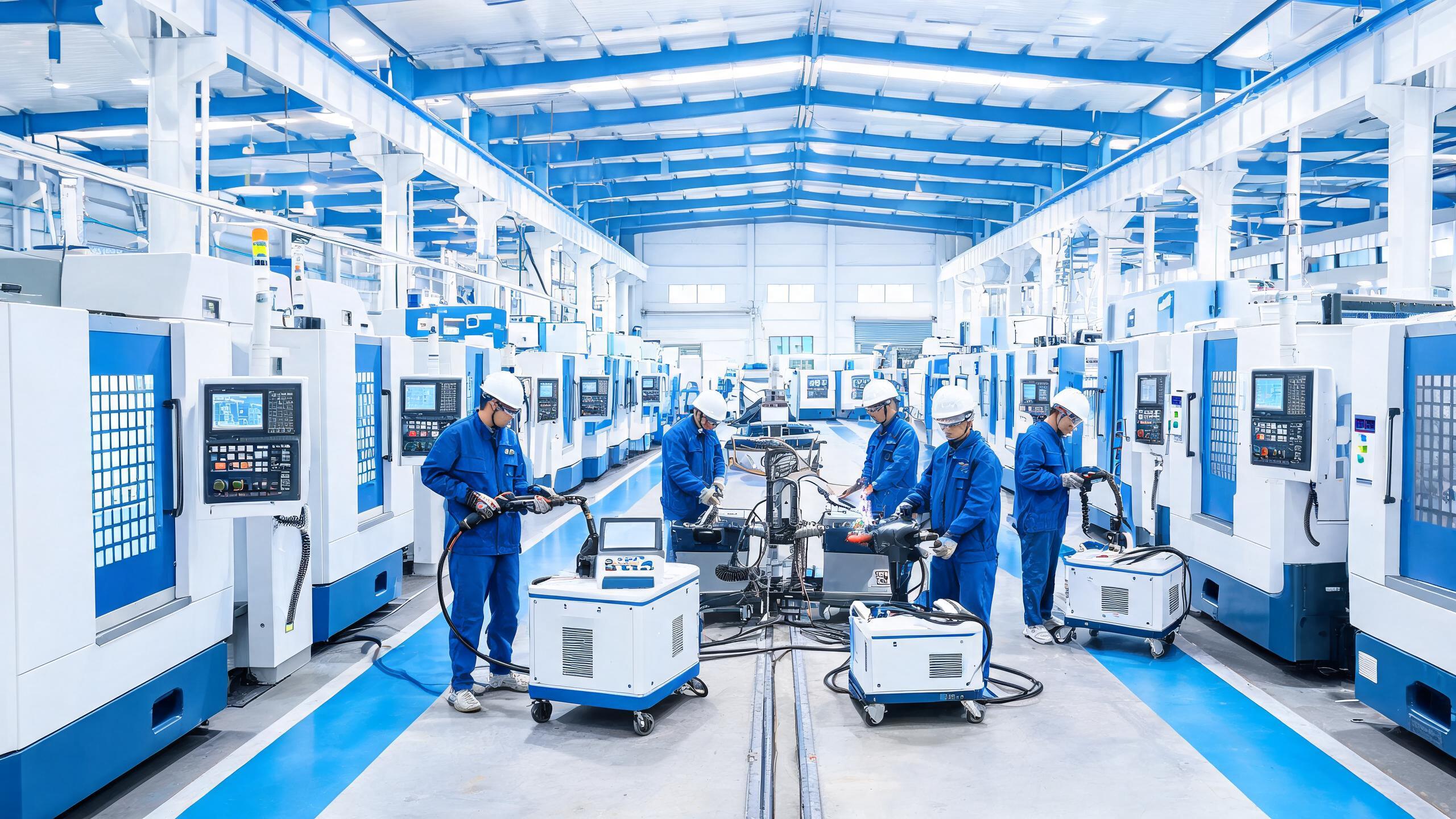
Практические критерии оценки при выборе производителя ручных лазерных сварочных аппаратов в Китае — сертификаты, качество лазерного источника, комплектующие, производственные мощности, техническая поддержка и опыт экспорта.
Руководство по выбору поставщика
Китай производит большую часть ручных лазерных сварочных аппаратов в мире, но не каждый поставщик обеспечивает одинаковый уровень качества, поддержки и соответствия требованиям. Для закупочных команд, оценивающих производителей, задача состоит в том, чтобы отличить надёжных партнёров от торговых компаний, которые добавляют наценку без добавления ценности. В этом руководстве рассматриваются критерии оценки, которые наиболее важны при выборе производителя ручных волоконных лазерных сварочных аппаратов в Китае.
Почему выбор производителя важен
Ручной ручной лазерный сварочный аппарат лазерный сварочный аппарат — это точный инструмент, который напрямую влияет на качество вашего производства, соответствие требованиям безопасности и эксплуатационные расходы. Покупка у неправильного поставщика может означать нестабильные швы, неподдерживаемое программное обеспечение, невозможность отследить лазерные источники или оборудование, которое не проходит аудиты сертификации CE. Правильный производитель обеспечивает отслеживаемые компоненты, документированные системы качества и послепродажную поддержку, которая защищает ваши инвестиции в течение всего жизненного цикла оборудования.
Ключевые критерии оценки
1. Сертификаты системы менеджмента качества
Начните с проверки наличия у производителя сертификата ISO 9001:2015 , который подтверждает документированную систему менеджмента качества, охватывающую процессы проектирования, производства и контроля. Это базовый уровень для любого серьёзного поставщика промышленного оборудования. Кроме того, проверьте наличие Маркировка CE и Соответствие RoHS— оба обязательны, если вы планируете импортировать оборудование в Европейский союз или поставлять продукцию на рынки, признающие эти стандарты. Производитель, который уже прошёл эти сертификации, вложил средства в испытания, документацию и оценку соответствия, что снижает ваше собственное бремя соответствия.
2. Качество и отслеживаемость лазерного источника
Лазерный источник — самый важный компонент ручного лазерного сварочного аппарата. Он определяет качество шва, стабильность мощности и долгосрочную надёжность. Ведущие производители предлагают лазерные источники от известных брендов, таких как IPG, RAYCUSи GW (Max Photonics). Спросите поставщика, какие бренды лазерных источников они предлагают, можно ли выбирать между вариантами, и поставляется ли каждый аппарат с серийным номером источника и гарантийным документом. Производитель, который использует фирменные лазерные источники и может их документировать, принципиально отличается от того, кто устанавливает небрендированные или перемаркированные источники.
3. Комплектующие и электрические системы
Помимо лазерного источника, качество электрических и управляющих компонентов определяет повседневную надёжность. Ищите производителей, которые используют компоненты от признанных мировых поставщиков, например, Schneider Electric компоненты для электрических систем управления. Стандартизированные фирменные компоненты легче заменять, они имеют документированные характеристики и, как правило, имеют более длительный срок службы, чем универсальные аналоги. Попросите спецификацию (BOM), в которой перечислены основные бренды и модели компонентов.
Реальный пример
Shandong Xinhong CNC Technology Co., Ltd., основанная в 2005 году, производит ручные волоконные лазерные сварочные аппараты мощностью от 1000 до 3000 Вт. Компания имеет сертификат ISO 9001:2015, поставляет оборудование, соответствующее CE и RoHS, предлагает лазерные источники от IPG, RAYCUS и GW, а также использует электрические компоненты Schneider. Их модель 1500 Вт достигает проплавления до 3 мм на нержавеющей стали и алюминии с стабильностью шва ±0,1 мм и поддерживает непрерывную работу более 8 часов с водяным охлаждением. Это те проверяемые характеристики, которые вы должны ожидать от любого надёжного производителя.
4. Производственные мощности и опыт производства
Послужной список производителя и масштаб производства влияют на сроки поставки, возможности кастомизации и стабильность качества. Ищите компании с как минимум 10-летним опытом производства лазерного оборудования. Спросите о размере завода, численности персонала, ежемесячном объёме выпуска и о том, выполняют ли они ключевые процессы, такие как сборка, калибровка и испытания, собственными силами. Компания, которая производит лазерное оборудование с середины 2000-х годов, вероятно, решила многие инженерные проблемы, с которыми новые участники рынка ещё сталкиваются.
5. Техническая поддержка и послепродажное обслуживание
Ручные лазерные сварочные аппараты требуют периодического обслуживания: очистки оптики, замены защитного газа, проверки системы охлаждения и обновления программного обеспечения. Оцените инфраструктуру поддержки производителя:
- Удалённая диагностика: Могут ли они подключиться к аппарату удалённо для устранения неполадок?
- Наличие запасных частей: Хранят ли они расходные материалы и критически важные компоненты для вашего региона?
- Документация: Предоставляют ли они руководства пользователя, графики технического обслуживания и руководства по параметрам на английском языке?
- Условия гарантии: Каков стандартный гарантийный срок и что он покрывает?
6. Опыт экспорта
Производитель с подтверждённым опытом экспорта понимает международные перевозки, таможенную документацию и требования сертификации для разных рынков. Уточните, в какие страны он осуществлял поставки, может ли предоставить рекомендации и знаком ли с нормативной базой вашего целевого рынка. Производители, регулярно экспортирующие продукцию, с большей вероятностью правильно упакуют оборудование для транспортировки на дальние расстояния и предоставят документацию, необходимую вашему таможенному брокеру.
На что обратить внимание: тревожные сигналы
- Нежелание раскрывать марку лазерного источника - Легитимный производитель должен точно сообщить, что находится внутри машины.
- Отсутствие проверяемых сертификатов - Если компания заявляет о соответствии CE, но не может предоставить декларацию о соответствии или протокол испытаний, считайте это неподтверждённым.
- Цены значительно ниже рыночных - Чрезвычайно низкие цены часто означают некачественные компоненты, такие как перемаркированные или бывшие в употреблении лазерные источники.
- Торговая компания, выдающая себя за завод - Попросите фотографии завода, видеозвонок или проверку лицензии, чтобы убедиться, что вы работаете напрямую с производителем.
Контрольный список для оценки
Перед размещением заказа запросите у любого производителя ручных лазерных сварочных аппаратов следующее:
- Копия сертификата ISO 9001 с действующей областью применения и сроком действия
- Декларация соответствия CE и протокол испытаний RoHS
- Марка, модель и гарантийная документация лазерного источника
- Спецификация компонентов (BOM) с указанием ключевых электрических и оптических деталей
- Фотографии или видео завода, показывающие производственные и испытательные участки
- Справочные характеристики модели, которую вы оцениваете (мощность, глубина проплавления, точность шва, метод охлаждения, продолжительность работы)
- Экспортный опыт и опыт поставок в ваш регион
Заключение
Выбор правильного производителя ручных лазерных сварочных аппаратов в Китае сводится к проверке фактов, а не к принятию маркетинговых заявлений. Сертификаты, прослеживаемость лазерного источника, качество компонентов, производственный опыт и послепродажная поддержка — всё это проверяемые пункты. Систематически оценивая каждый аспект, вы сможете определить поставщиков, которые поставляют стабильное оборудование и несут за него ответственность после отгрузки.