
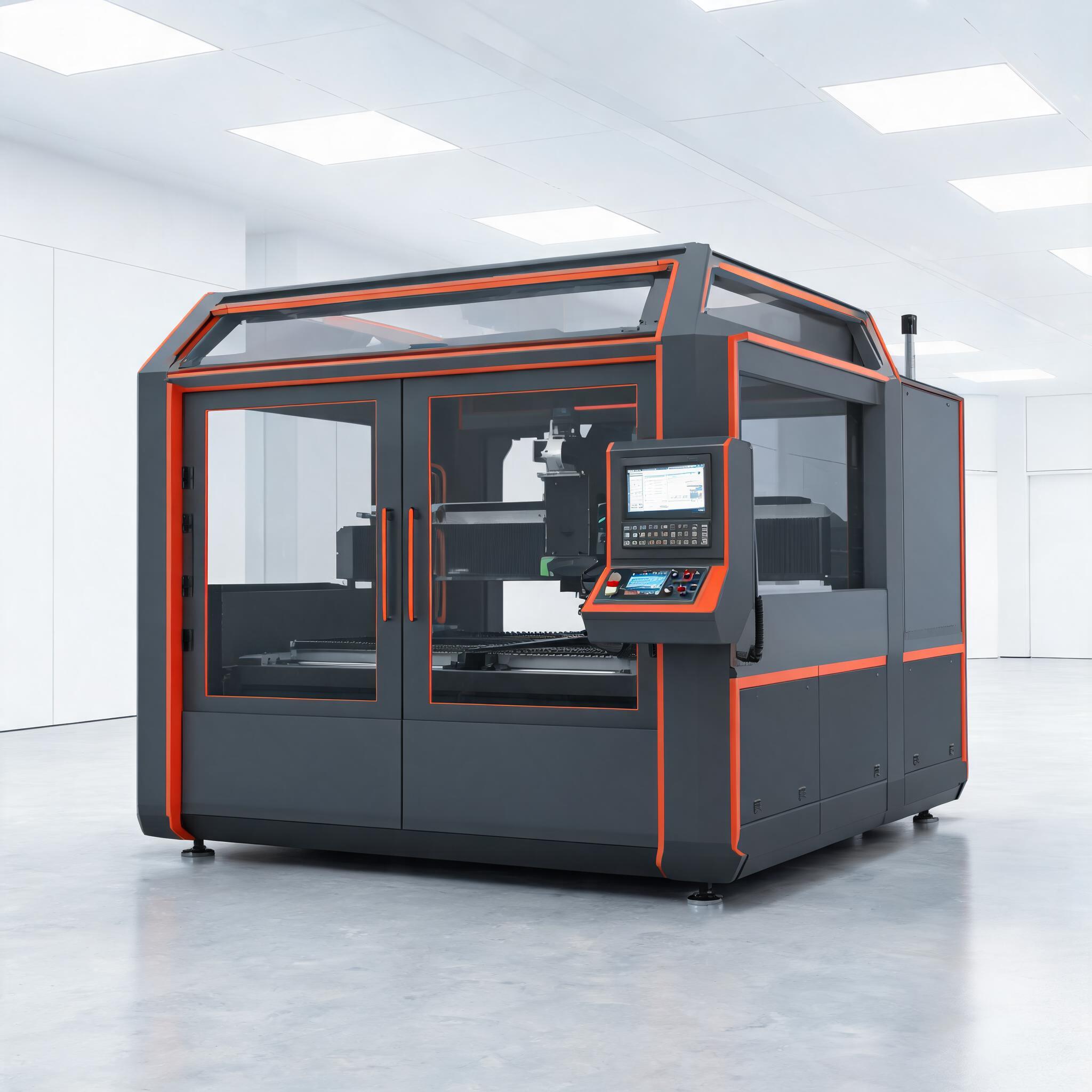
Полное руководство покупателя по лазерным станкам для резки листового металла: сравнение волоконной и CO2-технологий, соответствие мощности и толщины (500 Вт–30000 Вт), компромиссы между точностью и скоростью, стоимость расходных материалов и практический чек-лист для оценки…
Руководство по покупке
Производители листового металла, выбирающие лазерный станок, сталкиваются с обманчиво простым вопросом: какая мощность мне нужна и сколько я должен заплатить? Ответ зависит от материалов, которые вы режете, диапазона толщин, с которыми работаете ежедневно, и точности, которую требуют ваши клиенты. Это руководство разбивает решение на практические сопоставимые факторы, используя реальные технические характеристики волоконно-лазерных станков Xinhong CNC.
Волоконный лазер против CO2: почему волокно доминирует в резке листового металла
Для производства листового металла волоконно-лазерные станки в значительной степени заменили CO2-лазеры по нескольким конкретным причинам:
- Энергоэффективность: Волоконные лазеры преобразуют примерно 25–30 % потребляемой электрической мощности в энергию резки. CO2-лазеры обычно достигают 10–15 %. Это означает более низкие счета за электроэнергию на метр реза.
- Обслуживание: В волоконных лазерах нет зеркал для юстировки, нет лазерного газа для замены и нет резонаторной камеры для очистки. Лазерный источник представляет собой герметичный блок с ожидаемым сроком службы более 40 000 часов.
- Диапазон материалов: Волоконные лазеры режут отражающие металлы — алюминий, медь, латунь, — которые могут повредить оптику CO2-лазера. Это делает один волоконный станок пригодным для более широкого спектра материалов.
- Скорость резки тонкого листа: Для материалов толщиной менее 4 мм волоконные лазеры режут значительно быстрее, чем CO2-лазеры при эквивалентной мощности, что напрямую повышает производительность.
Режущие станки Xinhong CNC используют волоконные лазерные источники IPG (США), RAYCUS и GW — все это известные производители с подтвержденной долгосрочной надежностью в промышленных условиях.
Уровни мощности и производительность резки: справочник по толщине
Наиболее важная характеристика при выборе лазерного станка для листового металла — мощность лазера, поскольку она напрямую определяет максимальную толщину материала, которую можно чисто разрезать. Вот справочная таблица на основе фактической линейки станков Xinhong CNC:
| Мощность лазера | Углеродистая сталь | Нержавеющая сталь | Алюминий | Рабочая область (пример) |
|---|---|---|---|---|
| 500 Вт | До 3 мм | До 2 мм | Только тонкий лист | 1300 × 900 мм |
| 1500 Вт | До 6 мм | До 5 мм | До 4 мм | 1300 × 2500 мм |
| 3000 Вт | До 12 мм | До 8 мм | До 6 мм | 1500 × 3000 мм |
| 6000–12000 Вт | До 20–30 мм | До 16–20 мм | До 12–16 мм | Нестандартные размеры стола |
| 20000–30000 Вт | До 40–60 мм | До 30–40 мм | До 25–35 мм | Конфигурации для толстого листа |
Примечание: данные для мощности от 500 Вт до 3000 Вт отражают фактические протестированные характеристики из опубликованных данных Xinhong CNC. Более высокие диапазоны мощности (6000 Вт и выше) представляют полный диапазон производственных возможностей компании — производительность резки на этих уровнях зависит от конфигурации и должна быть подтверждена технической командой для вашего конкретного применения.
Ключевой вывод: Большинство цехов по обработке листового металла работают с материалами толщиной 1–6 мм. Станок мощностью 1500 Вт полностью покрывает этот диапазон, разрезая углеродистую сталь до 6 мм, алюминий до 4 мм и медь до 3 мм с точностью ±0,03 мм. Станок мощностью 3000 Вт расширяет этот диапазон до 12 мм углеродистой стали — достаточно для конструкционных кронштейнов и работ с более толстым листом без ценовой надбавки за высокомощные системы.
Точность и скорость: поиск баланса
Точность резки и скорость резки связаны, но не идентичны. Позиционная точность станка — насколько точно лазер следует по запрограммированной траектории — определяется качеством системы перемещения, а не мощностью лазера. Волоконно-лазерный станок Xinhong CNC мощностью 1500 Вт обеспечивает позиционную точность ±0,03 мм, а компактная модель мощностью 3000 Вт сохраняет аналогичную точность в своей рабочей зоне 1500 × 3000 мм.
Скорость, с другой стороны, масштабируется с мощностью. Станок мощностью 3000 Вт будет резать углеродистую сталь толщиной 3 мм заметно быстрее, чем станок мощностью 1500 Вт при резке того же материала, поскольку более высокая мощность позволяет увеличить скорость подачи при сохранении чистых кромок реза. Практический вывод: если ваш объем производства высок, а большинство деталей находятся в диапазоне 2–4 мм, преимущество в скорости станка мощностью 3000 Вт может оправдать более высокую закупочную цену за счет увеличения ежедневной производительности.
Факторы, влияющие на качество реза помимо мощности, включают:
- Давление и тип вспомогательного газа: Кислород для углеродистой стали (экзотермическая реакция увеличивает скорость), азот для нержавеющей стали и алюминия (предотвращает окисление, обеспечивает чистые кромки, готовые к сварке или покраске)
- Качество и состояние фокусирующей линзы: Загрязненная или изношенная линза приводит к более широкому резу и более грубым кромкам
- Плоскостность материала: Деформированный лист вызывает непостоянное фокусное расстояние, что приводит к неравномерным резам
- Параметры резки: Скорость подачи, процент мощности лазера, давление газа и частота импульсов должны быть настроены для каждого материала и толщины
Расходные материалы и эксплуатационные расходы
Закупочная цена — лишь часть ваших общих инвестиций. Текущие эксплуатационные расходы включают:
- Вспомогательный газ: Самый большой переменный расход. Кислород относительно недорог, но потребление азота высокой чистоты для резки нержавеющей стали и алюминия быстро растет. Многие производители устанавливают генератором азота (Xinhong CNC производит генераторы азота PSA специально для лазерной резки) для производства азота на месте, снижая затраты на газ на 60–90 % по сравнению с баллонным или насыпным азотом.
- Защитные линзы и сопла: Расходуются при нормальном износе. Частота замены зависит от типа материала, продолжительности резки и чистоты газа.
- Электроэнергия: Волоконные лазеры эффективны, но станок мощностью 3000 Вт, работающий 8 часов в день, все равно потребляет значительную мощность. Учитывайте это в расчетах эксплуатационных расходов.
- Охлаждающая вода и обслуживание: Системы с водяным охлаждением (стандарт для станков Xinhong CNC) требуют периодической замены воды, фильтров и обслуживания чиллера.
Практический контрольный список покупателя
При оценке лазерных станков для листового металла используйте этот контрольный список для систематического сравнения вариантов:
- Максимальная толщина материала: Укажите самый толстый материал, который вы режете регулярно. Добавьте запас 20–30 % для случайных более толстых работ. Сопоставьте это с номинальной производительностью станка.
- Рабочая область: Стандартные размеры листа в вашем регионе (например, 1250 × 2500 мм или 1500 × 3000 мм) должны помещаться на стол без необходимости предварительной резки.
- Позиционная точность: ±0,03 мм — стандарт для качественных волоконно-лазерных систем. Остерегайтесь неопределенных или расплывчатых заявлений о точности.
- Защитное ограждение: Полностью закрытая зона резки с блокировками необходима для безопасности оператора и соответствия CE. Компактная модель Xinhong CNC мощностью 3000 Вт включает полностью закрытый защитный кожух.
- Обменный стол: Для производственных сред обменный стол позволяет загружать/разгружать один поддон, пока резка продолжается на другом, что значительно повышает коэффициент использования.
- Электрические компоненты: Промышленные компоненты (Xinhong CNC использует компоненты Schneider Electric) обеспечивают надежность и соответствие европейским электрическим стандартам.
- Сертификаты: Сертификация производства ISO 9001:2015 и маркировка CE являются базовыми требованиями для европейских рынков.
- Совместимость с программным обеспечением: Убедитесь, что станок поддерживает стандартные форматы файлов и поставляется с CAM-программой. Станки Xinhong CNC используют программное обеспечение управления CypCut, широко распространенное в отрасли.
Волокно против CO2: краткий обзор
| Параметр | Волоконный лазер | CO2-лазер |
|---|---|---|
| Энергоэффективность | 25–30% | 10–15% |
| Резка отражающих металлов | Да (алюминий, медь, латунь) | Нет (может повредить оптику) |
| Интенсивность обслуживания | Низкая (герметичный источник, без зеркал) | Высокая (юстировка зеркал, замена газа) |
| Скорость резки тонкого листа (<4 мм) | Быстрее | Медленнее |
| Толстый лист (>20 мм) | Требуется высокая мощность (10 кВт+) | Конкурентоспособно при более низкой мощности |
| Ожидаемый срок службы источника | Более 40 000 часов | 20 000–30 000 часов (замена трубки) |
Для большинства цехов по обработке листового металла технология волоконного лазера является очевидным выбором — лучшая эффективность, меньшее обслуживание, более широкий диапазон материалов и более быстрая резка тонкого и среднего листа, составляющего большую часть производственного объема.
Заключение: соответствие мощности, точности и бюджета
Правильный лазерный станок для листового металла — это тот, который соответствует вашему ежедневному ассортименту материалов, а не тот, у которого самая высокая мощность в спецификации. Для большинства производителей:
- 500 Вт достаточен для работ с тонким листом (вывески, декоративный металл, прототипные цеха) — компактный, доступный, работает от однофазной сети 220 В.
- 1500 Вт покрывает весь диапазон листового металла до 6 мм углеродистой стали с точностью ±0,03 мм — оптимальный выбор для небольших и средних производственных цехов.
- 3000 Вт расширяет возможности до 12 мм углеродистой стали с большим столом и обменным столом — идеально для цехов, работающих с конструкционным и более толстым листом наряду со стандартным листом.
- 6000 Вт и выше служат для тяжелого листа и высокообъемного промышленного производства. Это специализированные инвестиции, оправданные постоянным спросом на толстые материалы.
Каждый волоконно-лазерный станок Xinhong CNC сертифицирован по ISO 9001:2015, имеет маркировку CE и оснащен компонентами Schneider Electric. Благодаря лазерным источникам IPG, RAYCUS и GW компания покрывает полный диапазон мощности от 500 Вт до 30000 Вт. Чтобы обсудить ваши конкретные требования к резке и получить индивидуальную рекомендацию по оборудованию, свяжитесь с технической командой Xinhong CNC.