
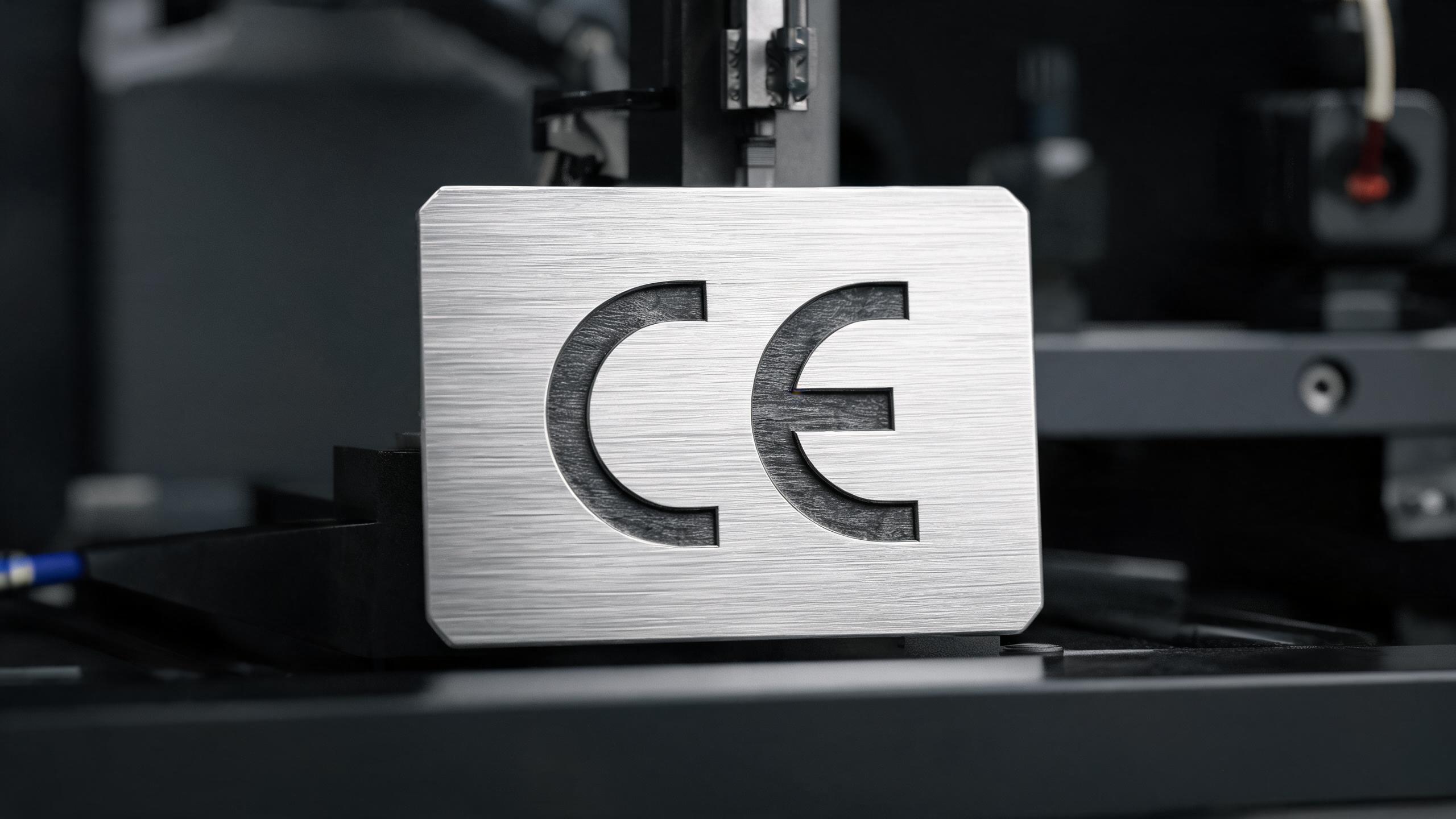
เหตุใดการรับรอง CE จึงสำคัญเมื่อเลือกผู้ผลิตเครื่องเชื่อมเลเซอร์แบบมือถือ - ครอบคลุมการเข้าถึงตลาด EU กระบวนการรับรอง ข้อกำหนดเอกสารทางเทคนิค RoHS และวิธีตรวจสอบการปฏิบัติตามข้อกำหนด
การปฏิบัติตามข้อกำหนดและการรับรอง
ความหมายของการรับรอง CE สำหรับอุปกรณ์เชื่อมเลเซอร์มือถือ
หากคุณกำลังจัดหา ที่ดีที่สุดสำหรับเหล็กไม่ใช่เครื่องที่มีกำลังไฟสูงสุด แต่เป็นเครื่องที่ตรงกับประเภทเหล็ก ช่วงความหนา ปริมาณการผลิต และข้อกำหนดการปฏิบัติตามข้อกำหนดของคุณ การผลิตชิ้นส่วนเหล็กครอบคลุมเหล็กกล้าคาร์บอน เหล็กชุบสังกะสี และเหล็กกล้าไร้สนิม ซึ่งแต่ละชนิดมีคุณสมบัติการนำความร้อนและการสะท้อนแสงที่แตกต่างกัน การเลือกเครื่องจักรที่เหมาะสมหมายถึงการประเมินเกณฑ์หลัก 5 ประการ ได้แก่ ช่วงกำลังไฟ ความแม่นยำในการเชื่อม ความสามารถในการทำความเย็น การรับรอง และการยศาสตร์สำหรับผู้ปฏิบัติงาน สำหรับใช้ในหรือขายต่อในตลาดยุโรป การรับรอง CE ไม่ใช่แค่ช่องทำเครื่องหมายทางการตลาด - แต่เป็นข้อกำหนดทางกฎหมาย เครื่องหมาย CE (Conformité Européenne) บ่งบอกว่าผลิตภัณฑ์เป็นไปตามข้อกำหนดด้านสุขภาพ ความปลอดภัย และการคุ้มครองสิ่งแวดล้อมที่เกี่ยวข้องของสหภาพยุโรป สำหรับอุปกรณ์เชื่อมเลเซอร์ สิ่งนี้เกี่ยวข้องกับการแสดงการปฏิบัติตามข้อกำหนดหลายฉบับ รวมถึงคำสั่งเครื่องจักร คำสั่งแรงดันไฟฟ้าต่ำ และอาจรวมถึงคำสั่งความเข้ากันได้ทางแม่เหล็กไฟฟ้า (EMC)
การเลือก ผู้ผลิตเครื่องเชื่อมเลเซอร์ไฟเบอร์มือถือที่ได้รับการรับรอง CE ไม่ใช่แค่การหลีกเลี่ยงปัญหาศุลกากรที่ชายแดนเท่านั้น แต่ยังเกี่ยวกับการรับประกันว่าอุปกรณ์ที่คุณติดตั้งในโรงงานของคุณ หรือโรงงานของลูกค้า ได้ผ่านการทดสอบตามมาตรฐานความปลอดภัยที่กำหนด และมีเอกสารทางเทคนิคที่พิสูจน์ได้
เหตุใดเครื่องหมาย CE จึงสำคัญต่อการเข้าถึงตลาด
ภายใต้กฎหมายของสหภาพยุโรป ผลิตภัณฑ์ที่มีเครื่องหมาย CE สามารถจำหน่ายได้อย่างเสรีทั่วเขตเศรษฐกิจยุโรป (EEA) ผลิตภัณฑ์ที่ต้องมีเครื่องหมาย CE แต่ไม่มี จะไม่สามารถวางจำหน่ายในตลาด EU ได้อย่างถูกกฎหมาย สำหรับผู้จัดจำหน่ายและผู้ใช้ปลายทาง การซื้ออุปกรณ์ที่ไม่เป็นไปตามข้อกำหนด CE มีผลกระทบร้ายแรงดังนี้:
- การยึดสินค้าที่ศุลกากร: การจัดส่งสินค้าที่ไม่มีเอกสาร CE ที่ถูกต้องอาจถูกระงับหรือยึดได้ที่ชายแดน EU
- ความเสี่ยงด้านความรับผิด: หากเครื่องจักรที่ไม่เป็นไปตามข้อกำหนดก่อให้เกิดการบาดเจ็บหรือความเสียหายต่อทรัพย์สิน ผู้ซื้อและผู้ขายอาจต้องเผชิญกับความรับผิดทางกฎหมายโดยไม่ได้รับการคุ้มครองจากเอกสารการปฏิบัติตามข้อกำหนด
- ปัญหาด้านการประกันภัย: บริษัทประกันภัยอาจปฏิเสธที่จะจ่ายค่าสินไหมทดแทนที่เกี่ยวข้องกับอุปกรณ์ที่ไม่เป็นไปตามมาตรฐานข้อกำหนด
- ความเสี่ยงด้านชื่อเสียง: ผู้ใช้ปลายทางที่พบว่าอุปกรณ์ของตนขาดการรับรองที่เหมาะสมอาจสูญเสียความเชื่อมั่นในซัพพลายเออร์และมองหาทางเลือกอื่น
เครื่องเชื่อมเลเซอร์แบบมือถือของ Shandong Xinhong CNC Technology ได้รับการรับรอง CE และ RoHS ซึ่งหมายความว่าการทดสอบการปฏิบัติตามข้อกำหนดและเอกสารที่จำเป็นสำหรับการเข้าถึงตลาดยุโรปได้ดำเนินการเสร็จสิ้นแล้ว
กระบวนการรับรอง CE สำหรับอุปกรณ์เชื่อมเลเซอร์
การได้รับการรับรอง CE สำหรับเครื่องเชื่อมเลเซอร์แบบมือถือเกี่ยวข้องกับขั้นตอนที่มีโครงสร้างหลายขั้นตอน การทำความเข้าใจกระบวนการนี้ช่วยให้ผู้ซื้อประเมินได้ว่าการรับรองของซัพพลายเออร์นั้นแท้จริงและครอบคลุมหรือไม่
ขั้นตอนที่ 1: ระบุคำสั่งที่เกี่ยวข้อง
ผู้ผลิตต้องกำหนดว่าคำสั่งของ EU ใดที่ใช้กับผลิตภัณฑ์ สำหรับอุปกรณ์เชื่อมเลเซอร์แบบมือถือ โดยทั่วไปรวมถึง:
- คำสั่งเครื่องจักร (2006/42/EC): ครอบคลุมการออกแบบด้านความปลอดภัยและการสร้างเครื่องจักร
- คำสั่งแรงดันไฟฟ้าต่ำ (2014/35/EU): ใช้กับอุปกรณ์ไฟฟ้าที่ทำงานในช่วงแรงดันไฟฟ้าที่กำหนด
- คำสั่ง EMC (2014/30/EU): รับประกันว่าอุปกรณ์ไม่ปล่อยสัญญาณรบกวนทางแม่เหล็กไฟฟ้ามากเกินไป และทนทานต่อสัญญาณรบกวนจากภายนอก
- คำสั่ง RoHS (2011/65/EU): จำกัดสารอันตรายในอุปกรณ์ไฟฟ้าและอิเล็กทรอนิกส์
ขั้นตอนที่ 2: ดำเนินการประเมินความเสี่ยง
ผู้ผลิตต้องดำเนินการประเมินความเสี่ยงอย่างครอบคลุมเพื่อระบุอันตรายที่อาจเกิดขึ้นจากเครื่องจักร ได้แก่ รังสีเลเซอร์ อันตรายจากไฟฟ้า อันตรายจากความร้อน อันตรายทางกล และบันทึกมาตรการการออกแบบที่ใช้เพื่อลดความเสี่ยงแต่ละอย่าง
ขั้นตอนที่ 3: การทดสอบและการตรวจสอบ
อุปกรณ์ผ่านการทดสอบเพื่อตรวจสอบการปฏิบัติตามมาตรฐานยุโรปที่ประสานกัน (มาตรฐาน EN) ซึ่งอาจรวมถึงการทดสอบความปลอดภัยทางไฟฟ้า ความเข้ากันได้ทางแม่เหล็กไฟฟ้า การจำแนกความปลอดภัยของเลเซอร์ และความเสถียรทางกล โดยทั่วไปการทดสอบดำเนินการโดยห้องปฏิบัติการที่ได้รับการรับรองหรือหน่วยงานที่ได้รับแจ้ง
ขั้นตอนที่ 4: รวบรวมเอกสารทางเทคนิค
ผู้ผลิตจัดทำเอกสารทางเทคนิคซึ่งรวมถึง:
- แบบร่างการออกแบบผลิตภัณฑ์และข้อกำหนด
- เอกสารการประเมินความเสี่ยง
- รายงานการทดสอบจากห้องปฏิบัติการที่ได้รับการรับรอง
- รายการมาตรฐานที่ประสานกันที่ใช้
- คู่มือการใช้งานในภาษาของตลาดเป้าหมาย
- คำประกาศความสอดคล้อง
ขั้นตอนที่ 5: ออกคำประกาศความสอดคล้องและติดเครื่องหมาย CE
เมื่อการทดสอบและเอกสารทั้งหมดเสร็จสมบูรณ์ ผู้ผลิตจะออกคำประกาศความสอดคล้องของ EU และติดเครื่องหมาย CE บนผลิตภัณฑ์ เครื่องหมายต้องมองเห็นได้ชัดเจน อ่านได้ และลบไม่ออกบนผลิตภัณฑ์หรือแผ่นป้ายข้อมูล
RoHS: ข้อกำหนดเสริม
ควบคู่ไปกับเครื่องหมาย CE คำสั่งการจำกัดสารอันตราย (RoHS) จำกัดการใช้สารอันตรายเฉพาะ รวมถึงตะกั่ว ปรอท แคดเมียม และสารหน่วงไฟบางชนิด ในอุปกรณ์ไฟฟ้าและอิเล็กทรอนิกส์ เครื่องเชื่อมเลเซอร์แบบมือถือของ Xinhong ได้รับการปฏิบัติตามทั้ง CE และ RoHS ครอบคลุมข้อกำหนดด้านสิ่งแวดล้อมและความปลอดภัยของยุโรปทั้งหมด
การปฏิบัติตาม RoHS มีความสำคัญเนื่องจากผลิตภัณฑ์ที่ไม่เป็นไปตามข้อกำหนดอาจถูกปฏิเสธไม่ให้เข้าสู่ตลาด EU แม้ว่าจะมีเครื่องหมาย CE ก็ตาม นอกจากนี้ยังส่งสัญญาณว่าผู้ผลิตใช้วัสดุและกระบวนการที่รับผิดชอบต่อสิ่งแวดล้อมในการผลิต
วิธีตรวจสอบการรับรอง CE ของซัพพลายเออร์
เครื่องหมาย CE ไม่ได้เหมือนกันทั้งหมด นี่คือวิธีที่ผู้ซื้อสามารถตรวจสอบว่าการรับรองของซัพพลายเออร์ถูกต้องตามกฎหมาย:
- ขอคำประกาศความสอดคล้อง: เอกสารนี้ระบุคำสั่งที่ผลิตภัณฑ์ปฏิบัติตาม มาตรฐานที่ใช้ และรายละเอียดของผู้ผลิต ซัพพลายเออร์ที่ไม่สามารถให้เอกสารนี้ได้เป็นสัญญาณอันตราย
- ขอสรุปเอกสารทางเทคนิค: แม้ว่าเอกสารทางเทคนิคฉบับเต็มจะเป็นข้อมูลลับ แต่ซัพพลายเออร์ควรสามารถให้สรุปมาตรฐานที่ใช้และการทดสอบที่ดำเนินการได้
- ตรวจสอบการมีส่วนร่วมของหน่วยงานที่ได้รับแจ้ง: สำหรับอุปกรณ์ที่มีความเสี่ยงสูงบางประเภท หน่วยงานที่ได้รับแจ้งต้องมีส่วนร่วมในการประเมินความสอดคล้อง สอบถามว่ามีหน่วยงานที่ได้รับแจ้งเข้ามาเกี่ยวข้องหรือไม่ และหน่วยงานใด
- ตรวจสอบรูปแบบเครื่องหมาย CE: เครื่องหมาย CE ต้องเป็นไปตามสัดส่วนและรูปแบบที่กำหนด เครื่องหมายที่ติดอย่างหยาบหรือไม่ได้มาตรฐานอาจบ่งบอกถึงการปลอมแปลง
กรอบคุณภาพที่กว้างขึ้น
การรับรอง CE ไม่ได้อยู่อย่างโดดเดี่ยว มันทำงานได้ดีที่สุดเมื่อได้รับการสนับสนุนจากระบบการจัดการคุณภาพที่แข็งแกร่ง Xinhong ดำเนินงานภายใต้ ISO 9001:2015 ซึ่งหมายความว่ากระบวนการผลิต ตั้งแต่การตรวจสอบวัสดุขาเข้าไปจนถึงการทดสอบผลิตภัณฑ์ขั้นสุดท้าย ได้รับการบันทึก ตรวจสอบ และปรับปรุงอย่างต่อเนื่อง ISO 9001 ให้ระเบียบวินัยในกระบวนการที่ทำให้การปฏิบัติตาม CE สอดคล้องกันในกลุ่มผลิตภัณฑ์ตั้งแต่เครื่องเชื่อมเลเซอร์แบบมือถือ 1000W ถึง 3000W
เมื่อผู้ผลิตมีการรับรองทั้ง ISO 9001:2015 และ CE/RoHS แสดงถึงแนวทางเชิงระบบต่อคุณภาพ ไม่ใช่แค่ความพยายามทดสอบเพียงครั้งเดียว สิ่งนี้สำคัญอย่างยิ่งเมื่อสั่งซื้อหลายหน่วยหรือระดับกำลังไฟที่แตกต่างกัน เนื่องจากแต่ละรุ่นต้องเป็นไปตามมาตรฐานเดียวกันเป็นรายบุคคล
คุณภาพส่วนประกอบและการรับรอง
การปฏิบัติตาม CE ยังขึ้นอยู่กับคุณภาพของส่วนประกอบภายใน แหล่งกำเนิดเลเซอร์และส่วนประกอบไฟฟ้าต้องเป็นไปตามมาตรฐานที่เกี่ยวข้อง Xinhong ใช้แหล่งกำเนิดเลเซอร์จาก IPG, RAYCUS และ GW และส่วนประกอบไฟฟ้า Schneider ซึ่งทั้งหมดมาจากผู้ผลิตที่มีประวัติการปฏิบัติตามข้อกำหนดที่มั่นคง การใช้ส่วนประกอบที่ได้รับการรับรองช่วยให้กระบวนการรับรอง CE โดยรวมง่ายขึ้นและลดความเสี่ยงของความล้มเหลวในการปฏิบัติตามข้อกำหนดระหว่างการทดสอบ
คำถามที่พบบ่อย
จำเป็นต้องมีการรับรอง CE สำหรับตลาดนอกสหภาพยุโรปหรือไม่?
เครื่องหมาย CE เป็นข้อกำหนดเฉพาะสำหรับเขตเศรษฐกิจยุโรป อย่างไรก็ตาม ผู้ซื้อนอก EU จำนวนมากยังคงต้องการอุปกรณ์ที่ได้รับการรับรอง CE เนื่องจากบ่งชี้ว่าผลิตภัณฑ์ได้รับการทดสอบตามมาตรฐานความปลอดภัยที่ได้รับการยอมรับ
ซัพพลายเออร์สามารถรับรอง CE เองได้หรือไม่?
สำหรับคำสั่งบางฉบับ ผู้ผลิตสามารถรับรองตนเองได้ อย่างไรก็ตาม สำหรับอุปกรณ์เชื่อมเลเซอร์ที่เกี่ยวข้องกับประเภทความเสี่ยงสูง โดยทั่วไปจำเป็นต้องมีหน่วยงานที่ได้รับแจ้งเข้ามาเกี่ยวข้อง ควรสอบถามเสมอว่ามีหน่วยงานที่ได้รับแจ้งเข้ามาเกี่ยวข้องหรือไม่
การรับรอง CE ครอบคลุมความปลอดภัยของเลเซอร์หรือไม่?
ใช่ คำสั่งเครื่องจักรและมาตรฐานความปลอดภัยของเลเซอร์ที่เกี่ยวข้อง (เช่น EN 60825-1 สำหรับความปลอดภัยของผลิตภัณฑ์เลเซอร์) เป็นส่วนหนึ่งของการประเมินความสอดคล้อง CE สำหรับอุปกรณ์เชื่อมเลเซอร์