
Isang komprehensibong buyer's guide sa sheet metal laser cutters na sumasaklaw sa fiber vs CO2 technology, power-to-thickness mapping (500W–30000W), precision at speed trade-offs, mga gastos sa consumable, at isang praktikal na evaluation checklis…
Gabay sa Pagbili
Ang mga sheet metal fabricator na naghahanap ng laser cutter ay nahaharap sa isang tila simpleng tanong: magkano ang power na kailangan ko, at magkano ang dapat kong bayaran? Ang sagot ay depende sa mga materyales na pinuputol mo, sa kapal ng range na hinahawakan mo araw-araw, at sa precision na hinihingi ng iyong mga customer. Hinahati ng gabay na ito ang desisyon sa praktikal at maihahambing na mga salik - gamit ang aktwal na equipment specifications mula sa fiber laser cutting machine lineup ng Xinhong CNC.
Fiber Laser vs. CO2: Bakit Nangunguna ang Fiber sa Sheet Metal Cutting
Para sa sheet metal fabrication, ang fiber laser cutting machines ay higit na pumalit sa CO2 lasers dahil sa ilang kongkretong dahilan:
- Energy efficiency: Ang fiber lasers ay nagko-convert ng humigit-kumulang 25–30% ng input electrical power sa cutting energy. Ang CO2 lasers ay karaniwang nakakaabot ng 10–15%. Nangangahulugan ito ng mas mababang singil sa kuryente bawat metro ng hiwa.
- Maintenance: Ang fiber lasers ay walang mga salamin na ia-align, walang laser gas na papalitan, at walang resonator cavity na lilinisin. Ang laser source ay isang sealed unit na may inaasahang service life na 40,000+ oras.
- Saklaw ng materyales: Ang fiber lasers ay pumuputol ng reflective metals - aluminum, copper, brass - na maaaring makasira sa CO2 laser optics. Ginagawa nitong praktikal ang isang fiber machine sa mas malawak na material mix.
- Bilis ng pagputol sa manipis na sheet: Para sa mga materyales na mas mababa sa 4 mm, ang fiber lasers ay pumuputol nang mas mabilis kaysa sa CO2 lasers sa parehong power, na direktang nagpapabuti sa throughput.
Ang cutting machines ng Xinhong CNC ay gumagamit ng fiber laser sources mula sa IPG (USA), RAYCUS, at GW - lahat ay mga established manufacturer na may napatunayang pangmatagalang reliability sa industrial environments.
Power Levels at Cutting Capacity: Ang Thickness Reference
Ang pinaka-kritikal na specification kapag pumipili ng sheet metal laser cutter ay ang laser power, dahil direktang tinutukoy nito ang maximum material thickness na maaari mong malinis na maputol. Narito ang reference table batay sa aktwal na machine lineup ng Xinhong CNC:
| Laser Power | Carbon Steel | Stainless Steel | Aluminum | Working Area (Halimbawa) |
|---|---|---|---|---|
| 500W | Hanggang 3 mm | Hanggang 2 mm | Manipis na gauge lamang | 1300 × 900 mm |
| 1500W | Hanggang 6 mm | Hanggang 5 mm | Hanggang 4 mm | 1300 × 2500 mm |
| 3000W | Hanggang 12 mm | Hanggang 8 mm | Hanggang 6 mm | 1500 × 3000 mm |
| 6000W–12000W | Hanggang 20–30 mm | Hanggang 16–20 mm | Hanggang 12–16 mm | Custom bed sizes |
| 20000W–30000W | Hanggang 40–60 mm | Hanggang 30–40 mm | Hanggang 25–35 mm | Heavy-plate configurations |
Tandaan: Ang data na 500W hanggang 3000W sa itaas ay sumasalamin sa aktwal na tested specifications mula sa nai-publish na product data ng Xinhong CNC. Ang mas mataas na power ranges (6000W pataas) ay kumakatawan sa buong manufacturing capability range ng kumpanya - ang cutting capacities sa mga antas na ito ay nag-iiba ayon sa configuration at dapat kumpirmahin sa technical team para sa iyong partikular na application.
Pangunahing pananaw: Karamihan sa mga sheet metal fabrication shop ay humahawak ng mga materyales sa 1–6 mm range. Sinasaklaw ng 1500W machine ang buong range na ito, pumuputol ng carbon steel hanggang 6 mm, aluminum hanggang 4 mm, at copper hanggang 3 mm sa ±0.03 mm accuracy. Ang 3000W machine ay nagpapalawak nito sa 12 mm carbon steel - sapat para sa structural brackets at mas makapal na plate work nang walang cost premium ng high-power systems.
Precision at Speed: Paghahanap ng Balanse
Ang cutting accuracy at cutting speed ay magkaugnay ngunit hindi magkapareho. Ang positional accuracy ng isang machine - kung gaano katumpak na sinusundan ng laser ang programmed path - ay tinutukoy ng kalidad ng motion system, hindi ng laser power. Ang 1500W fiber laser cutting machine ng Xinhong CNC ay nakakamit ng ±0.03 mm positional accuracy, habang ang 3000W compact model ay nagpapanatili ng katulad na precision sa loob ng 1500 × 3000 mm working envelope nito.
Ang bilis, sa kabilang banda, ay lumalaki sa power. Ang 3000W machine ay pumuputol ng 3 mm carbon steel nang kapansin-pansing mas mabilis kaysa sa 1500W machine na pumuputol ng parehong materyal, dahil ang mas mataas na power ay nagpapahintulot ng mas mabilis na feed rates habang pinapanatili ang malinis na cut edges. Ang praktikal na implikasyon: kung mataas ang iyong production volume at karamihan sa mga bahagi ay nasa 2–4 mm range, ang speed advantage ng 3000W machine ay maaaring mag-justify sa mas mataas na purchase price sa pamamagitan ng tumaas na daily throughput.
Ang mga salik na nakakaapekto sa cut quality lampas sa raw power ay kinabibilangan ng:
- Assist gas pressure at uri: Oxygen para sa carbon steel (ang exothermic reaction ay nagpapataas ng bilis), nitrogen para sa stainless at aluminum (pinipigilan ang oxidation, gumagawa ng malinis na mga gilid na handa para sa welding o painting)
- Kalidad at kondisyon ng focusing lens: Ang marumi o degraded na lens ay nagdudulot ng mas malawak na kerf at mas magaspang na mga gilid
- Material flatness: Ang warped sheet ay nagdudulot ng hindi pare-parehong focal distance, na humahantong sa hindi pantay na mga hiwa
- Cutting parameters: Ang feed rate, laser power percentage, gas pressure, at pulse frequency ay dapat i-tune ayon sa materyal at kapal
Consumables at Operating Costs
Ang purchase price ay bahagi lamang ng iyong kabuuang investment. Kasama sa patuloy na operating costs ang:
- Assist gas: Ang pinakamalaking variable cost. Ang oxygen ay medyo mura, ngunit ang high-purity nitrogen consumption para sa stainless at aluminum cutting ay mabilis na nagdadagdag. Maraming fabricator ang nag-i-install ng nitrogen generator (Ang Xinhong CNC ay gumagawa ng PSA nitrogen generators partikular para sa laser cutting applications) upang makagawa ng nitrogen on-site, na nagbabawas ng gas costs ng 60–90% kumpara sa bottled o bulk nitrogen.
- Protective lenses at nozzles: Nauubos sa pamamagitan ng normal na paggamit. Ang dalas ng pagpapalit ay depende sa uri ng materyal, tagal ng pagputol, at gas purity.
- Elektrisidad: Ang fiber lasers ay mahusay, ngunit ang 3000W machine na tumatakbo ng 8 oras bawat araw ay kumukonsumo pa rin ng malaking power. Isama ito sa iyong operating cost calculation.
- Cooling water at maintenance: Ang water-cooled systems (standard sa Xinhong CNC machines) ay nangangailangan ng pana-panahong pagpapalit ng tubig, filter changes, at chiller maintenance.
Praktikal na Buyer's Checklist
Kapag sinusuri ang sheet metal laser cutters, gamitin ang checklist na ito upang sistematikong paghambingin ang mga opsyon:
- Maximum material thickness: Ilista ang pinakamakapal na materyal na regular mong pinuputol. Magdagdag ng 20–30% margin para sa paminsan-minsang mas makapal na mga trabaho. Itugma ito sa rated capacity ng machine.
- Working area: Ang mga standard sheet sizes sa iyong rehiyon (hal., 1250 × 2500 mm o 1500 × 3000 mm) ay dapat magkasya sa bed nang hindi nangangailangan ng pre-cutting.
- Positional accuracy: Ang ±0.03 mm ay standard para sa kalidad na fiber laser systems. Mag-ingat sa hindi tinukoy o malabong accuracy claims.
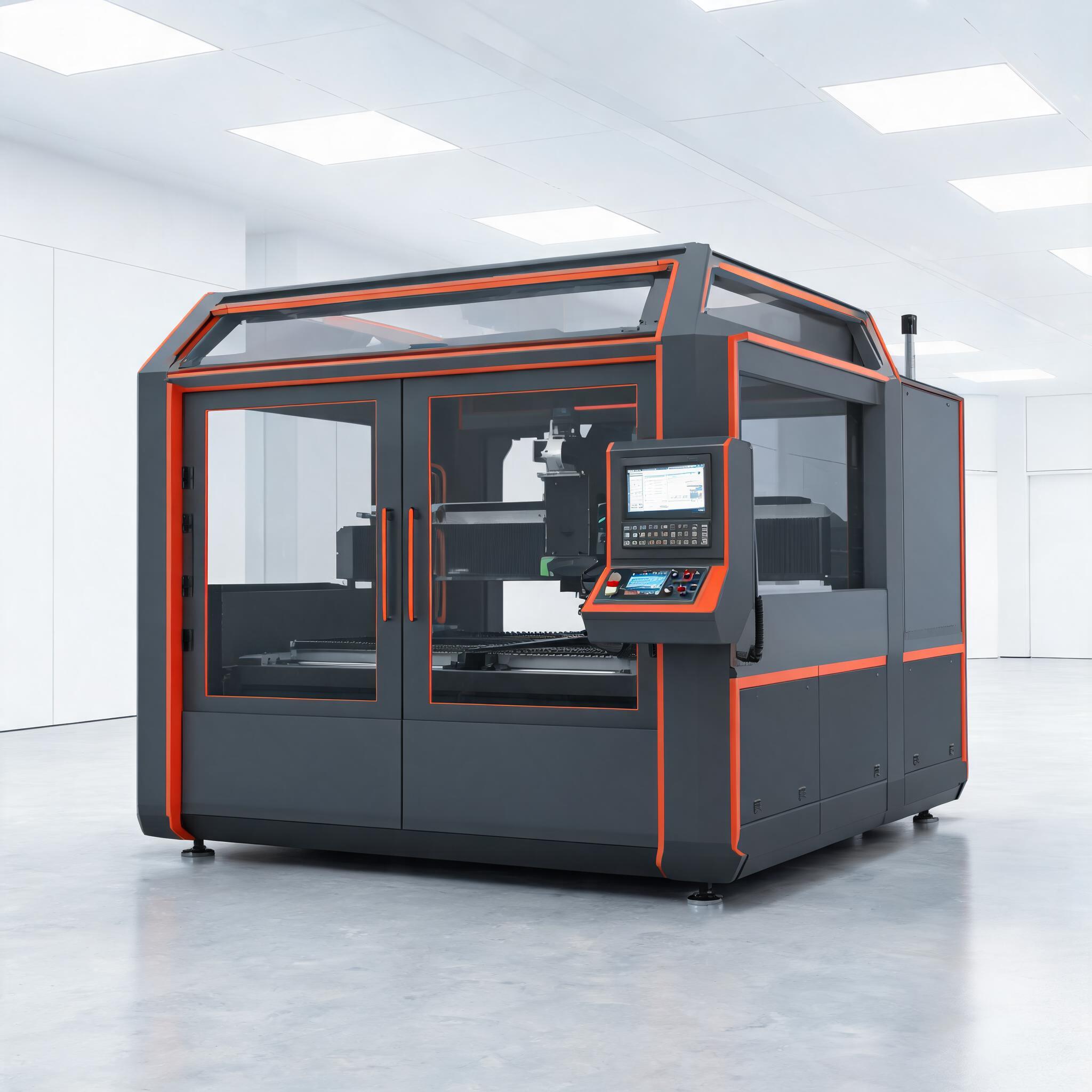
- Safety enclosure: Ang isang fully enclosed cutting area na may interlocks ay mahalaga para sa kaligtasan ng operator at CE compliance. Ang 3000W compact model ng Xinhong CNC ay may kasamang fully enclosed safety canopy.
- Exchange table: Para sa production environments, ang exchange table ay nagpapahintulot ng loading/unloading ng isang pallet habang nagpapatuloy ang pagputol sa isa pa, na makabuluhang nagpapataas ng utilization rates.
- Electrical components: Ang industrial-grade parts (ang Xinhong CNC ay gumagamit ng Schneider Electric components) ay nagsisiguro ng reliability at compliance sa European electrical standards.
- Certifications: Ang ISO 9001:2015 manufacturing certification at CE marking ay baseline requirements para sa European markets.
- Software compatibility: Kumpirmahin na sinusuportahan ng machine ang standard file formats at may kasamang CAM software. Ang Xinhong CNC machines ay gumagamit ng CypCut control software, na malawakang ginagamit sa industriya.
Fiber vs. CO2 sa Isang Sulyap
| Factor | Fiber Laser | CO2 Laser |
|---|---|---|
| Energy efficiency | 25–30% | 10–15% |
| Reflective metal cutting | Oo (aluminum, copper, brass) | Hindi (maaaring makasira sa optics) |
| Maintenance intensity | Mababa (sealed source, walang salamin) | Mataas (mirror alignment, gas replacement) |
| Bilis sa manipis na sheet (<4 mm) | Mas mabilis | Mas mabagal |
| Makapal na plato (>20 mm) | Nangangailangan ng mataas na power (10kW+) | Competitive sa mas mababang power |
| Inaasahang source life | 40,000+ oras | 20,000–30,000 oras (tube replacement) |
Para sa karamihan ng sheet metal fabrication shops, ang fiber laser technology ay ang malinaw na pagpipilian - mas mahusay na efficiency, mas mababang maintenance, mas malawak na material range, at mas mabilis na pagputol sa thin-to-medium sheet na bumubuo sa karamihan ng production volume.
Konklusyon: Pagtutugma ng Power, Precision, at Budget
Ang tamang sheet metal laser cutter ay ang isa na tumutugma sa iyong pang-araw-araw na material mix, hindi ang may pinakamataas na wattage sa spec sheet. Para sa karamihan ng fabricators:
- 500W ay sapat para sa thin-gauge work (signage, decorative metal, prototype shops) - compact, abot-kaya, tumatakbo sa 220V single-phase power.
- 1500W sinasaklaw ang buong sheet metal range hanggang 6 mm carbon steel na may ±0.03 mm accuracy - ang sweet spot para sa small-to-medium fabrication shops.
- 3000W nagpapalawak ng capacity sa 12 mm carbon steel na may mas malaking bed at exchange table - perpekto para sa mga shop na humahawak ng structural at mas makapal na plate work kasabay ng standard sheet.
- 6000W pataas nagsisilbi sa heavy plate at high-volume industrial production. Ang mga ito ay specialized investments na nabibigyang-katwiran ng pare-parehong thick-material demand.
Ang bawat fiber laser cutting machine ng Xinhong CNC ay ISO 9001:2015 certified, CE marked, at binuo gamit ang Schneider Electric components. Sa mga laser sources mula sa IPG, RAYCUS, at GW, sinasaklaw ng kumpanya ang buong 500W hanggang 30000W power range. Upang talakayin ang iyong partikular na cutting requirements at makakuha ng tailored equipment recommendation, makipag-ugnayan sa technical team ng Xinhong CNC.