ہینڈ ہیلڈ لیزر ویلڈنگ مشینوں کے ساتھ ایلومینیم مرکب کی ویلڈنگ کے لیے ایک عملی گائیڈ، جس میں پاور سلیکشن (1000W-3000W)، آکسائیڈ پرت کا انتظام، porosity کی روک تھام، کلیدی پیرامیٹرز، اور مسلسل پیداوار کے لیے واٹر کولنگ شامل ہے۔
تکنیکی گائیڈ
ایلومینیم الائے لیزر ویلڈنگ کو کیوں چیلنج کرتا ہے
ایلومینیم الائے مینوفیکچرنگ میں سب سے زیادہ استعمال ہونے والی دھاتوں میں سے ایک ہے - آٹوموٹو باڈی پینلز سے لے کر ایرو اسپیس اجزاء، ہیٹ سنکس، اور کنزیومر الیکٹرانکس ہاؤسنگ تک۔ پھر بھی یہ مستقل طور پر ویلڈ کرنے کے لیے مشکل ترین مواد میں سے ایک ہے۔ ایک ہینڈ ہیلڈ لیزر ویلڈنگ مشین ایلومینیم کی کئی موروثی چیلنجوں کو حل کرتا ہے، لیکن یہ سمجھنا کہ یہ دھات لیزر بیم کے نیچے کیوں برتاؤ کرتی ہے قابل اعتماد ویلڈ حاصل کرنے کی پہلی سیڑھی ہے۔
ایلومینیم میں تین خصوصیات ہیں جو ویلڈنگ کو پیچیدہ بناتی ہیں:
- زیادہ عکاسی - ایلومینیم کمرے کے درجہ حرارت پر واقعہ لیزر توانائی کا 90% تک منعکس کرتا ہے، خاص طور پر 1070 nm پر کام کرنے والے فائبر لیزرز کے ساتھ۔ اس کا مطلب ہے کہ کی ہول شروع کرنے کے لیے زیادہ طاقت درکار ہوتی ہے، اور ابتدائی عکاسی آپٹکس کو نقصان پہنچا سکتی ہے اگر مناسب طریقے سے انتظام نہ کیا جائے۔
- زیادہ تھرمل چالکتا - ایلومینیم سٹیل کے مقابلے میں تقریباً چار گنا تیزی سے حرارت منتقل کرتا ہے۔ حرارت ویلڈ زون سے تیزی سے خارج ہوتی ہے، جس کا مطلب ہے کہ مستحکم پگھلا ہوا تالاب برقرار رکھنے کے لیے آپ کو زیادہ پاور ڈینسٹی کی ضرورت ہوتی ہے۔
- آکسائیڈ پرت - ہوا کے سامنے آنے کے سیکنڈوں میں سطح پر قدرتی ایلومینیم آکسائیڈ فلم (Al₂O₃) بن جاتی ہے۔ اس آکسائیڈ کا پگھلنے کا نقطہ تقریباً 2072°C ہے، جو ایلومینیم کے اپنے 660°C پگھلنے کے نقطہ سے کہیں زیادہ ہے۔ اگر اسے ہٹایا یا مناسب طریقے سے منظم نہ کیا جائے تو یہ نامکمل فیوژن اور ویلڈ میں آکسائیڈ کی شمولیت کا سبب بن سکتا ہے۔
یہی وجوہات ہیں کہ صحیح آلات اور پیرامیٹرز کا انتخاب ایلومینیم کے لیے بہت سے دیگر دھاتوں کے مقابلے میں زیادہ اہم ہے۔ آلات کے اختیارات اور تکنیکوں کا وسیع جائزہ لینے کے لیے، ہماری گائیڈ دیکھیں ایلومینیم کے لیے پورٹیبل لیزر ویلڈنگ مشین.
ہینڈ ہیلڈ لیزر ویلڈنگ مشین ایلومینیم کو کیسے سنبھالتی ہے
شانڈونگ ژنہونگ CNC ٹیکنالوجی کمپنی لمیٹڈ چار پاور لیولز میں ہینڈ ہیلڈ فائبر لیزر ویلڈنگ مشینیں پیش کرتی ہے: 1000W، 1500W، 2000W، اور 3000W۔ ایلومینیم الائے ویلڈنگ کے لیے، پاور کا انتخاب اہم ہے کیونکہ دھات کی زیادہ عکاسی اور تھرمل چالکتا ہے۔
یہاں بتایا گیا ہے کہ مشین کی صلاحیتوں کی بنیاد پر پاور رینج ایلومینیم کی موٹائی کی حدود سے کیسے مطابقت رکھتی ہے:
| لیزر پاور | تجویز کردہ ایلومینیم موٹائی | عام ایپلیکیشن |
|---|---|---|
| 1000W | 0.5–1.5 ملی میٹر | پتلی شیٹ، الیکٹرانکس ہاؤسنگ |
| 1500W | 1.0–3.0 ملی میٹر | عام فیبریکیشن، بریکٹ |
| 2000W | 1.5–3.0 ملی میٹر | موٹی پلیٹیں، ساختی پرزے |
| 3000W | 2.0–3.0 ملی میٹر+ | ہیوی ڈیوٹی ایلومینیم اجزاء |
نوٹ: 1500W ماڈل سٹینلیس سٹیل اور ایلومینیم دونوں پر 3 ملی میٹر کی زیادہ سے زیادہ دخول حاصل کرتا ہے، جس میں ویلڈ سیون کی مستقل مزاجی ±0.1 ملی میٹر ہوتی ہے۔ یہ اسے متعدد مواد پر کام کرنے والے فیبریکیٹرز کے لیے ایک ورسٹائل انتخاب بناتا ہے۔
ان مشینوں میں فائبر لیزر ماخذ اعلیٰ طاقت کی کثافت کے ساتھ مرکوز شہتیر فراہم کرتا ہے، جو ایلومینیم کی عکاسی کی رکاوٹ پر قابو پانے میں مدد کرتا ہے۔ ایک بار جب کیہول بن جاتا ہے — عام طور پر پہلے چند ملی سیکنڈز میں — جذب کی شرح ڈرامائی طور پر بڑھ جاتی ہے کیونکہ پگھلی ہوئی دھات ٹھوس سطح کے مقابلے میں کہیں زیادہ موثر طریقے سے توانائی جذب کرتی ہے۔
ویلڈنگ سے پہلے آکسائیڈ پرت کا انتظام
ایلومینیم آکسائیڈ کی پرت ایسی چیز نہیں ہے جس کے ذریعے آپ ویلڈنگ کر سکیں اور اچھے نتائج کی امید رکھیں۔ لیزر دھات کو چھونے سے پہلے اسے حل کرنا ضروری ہے:
- مکینیکل ہٹانا: ویلڈ زون سے آکسائیڈ فلم کو ہٹانے کے لیے سٹینلیس سٹیل کا وائر برش (صرف ایلومینیم کے لیے مخصوص، کراس آلودگی سے بچنے کے لیے) یا اسکاچ-برائٹ استعمال کریں۔ یہ ویلڈنگ سے 1–2 گھنٹے کے اندر کریں، کیونکہ آکسائیڈ پرت فوراً دوبارہ بننا شروع ہو جاتی ہے۔
- کیمیائی صفائی: پیداواری ماحول کے لیے، کاسٹک ایچ کے بعد ڈی-سمٹ اور کللا زیادہ مستقل سطح کی تیاری فراہم کرتا ہے۔
- وائر فیڈر آپشن: ہینڈ ہیلڈ لیزر ویلڈنگ مشین خودکار وائر فیڈر سے لیس کی جا سکتی ہے۔ ایلومینیم کی ویلڈنگ کرتے وقت، ER4043 یا ER5356 فلر وائر استعمال کرنے سے بیس میٹل کے کم پگھلنے کے نقطہ کی تلافی کرنے میں مدد ملتی ہے اور ویلڈ بیڈ کی ظاہری شکل بہتر ہوتی ہے۔
آکسائیڈ ہٹانے کو چھوڑ دیں اور آپ کو porosity، inclusions، اور غیر مستقل دخول کا خطرہ ہے — چاہے آپ اپنے پیرامیٹرز کو کتنی اچھی طرح ترتیب دیں۔
ایلومینیم ویلڈز میں Porosity کی روک تھام
Porosity ایلومینیم لیزر ویلڈنگ میں سب سے عام نقص ہے۔ مائع حالت میں ہائیڈروجن کے لیے ایلومینیم کی اعلی حل پذیری — مضبوطی کے دوران حل پذیری میں ڈرامائی کمی کے ساتھ — کا مطلب ہے کہ کوئی بھی موجود ہائیڈروجن گیس کے سوراخوں کے طور پر پھنس جاتی ہے۔
ہائیڈروجن کے ذرائع میں سطح پر نمی، بقایا چکنائی یا تیل، خود آکسائیڈ پرت، اور یہاں تک کہ زیادہ محیطی نمی شامل ہیں۔ porosity کو کم کرنے کے لیے:
- ویلڈنگ سے پہلے ویلڈ زون کو ایسیٹون یا آئسوپروپل الکوحل سے اچھی طرح صاف کریں۔
- شیلڈنگ گیس کے طور پر 15–20 L/min کی بہاؤ شرح پر ہائی پیوریٹی آرگن (99.999%) استعمال کریں۔
- ایلومینیم شیٹس کو خشک ماحول میں ذخیرہ کریں؛ بارش یا زیادہ نمی سے متاثرہ مواد کی ویلڈنگ سے گریز کریں۔
- وائر فیڈر کو مناسب طریقے سے ذخیرہ شدہ، صاف فلر وائر کے ساتھ استعمال کریں۔
ہینڈ ہیلڈ لیزر ویلڈنگ مشین کا مسلسل لہر آپریشن اور ایڈجسٹ پلس پیرامیٹرز آپریٹرز کو حرارت کے ان پٹ پر باریک کنٹرول دیتے ہیں، جو مضبوطی کی شرح کو منظم کرنے اور سوراخوں کی تشکیل کو کم کرنے میں مدد کرتا ہے۔
درست کرنے کے لیے کلیدی پیرامیٹرز
ایلومینیم کو سٹیل کے مقابلے میں مختلف پیرامیٹر سیٹنگز کی ضرورت ہوتی ہے۔ اگرچہ صحیح اقدار آپ کے مخصوص مرکب، موٹائی اور جوائنٹ کی قسم پر منحصر ہیں، یہاں ٹیون کرنے کے لیے اہم پیرامیٹرز ہیں:
- لیزر پاور: ایلومینیم کے لیے ریٹیڈ پاور کے 80–90% سے شروع کریں، کیونکہ اعلی عکاسی مرتکز توانائی کا مطالبہ کرتی ہے۔ 1500W یونٹ کے لیے، 2 ملی میٹر ایلومینیم شیٹ کے لیے عام نقطہ آغاز 1200–1500W ہے۔
- ویلڈنگ کی رفتار: سست رفتار (2 ملی میٹر مواد کے لیے 8–15 ملی میٹر/سیکنڈ) کافی حرارت کا ان پٹ فراہم کرتی ہے، لیکن بہت سست پتلی ایلومینیم پر جلنے کا سبب بن سکتی ہے۔ پہلے سکریپ پر آزمائیں۔
- حفاظتی گیس: آرگن معیاری ہے۔ آرگن-ہیلیم مرکب (مثلاً 50/50) موٹے حصوں کے لیے دخول کو بہتر بنا سکتے ہیں، کیونکہ ہیلیم پلازما کا درجہ حرارت بڑھاتا ہے۔
- فوکس پوزیشن: ہلکی سی ڈیفوکس (سطح سے 0.5–1.0 ملی میٹر اوپر) اکثر ایلومینیم کے لیے وسیع تر، زیادہ مستحکم ویلڈ پول پیدا کرتی ہے۔
مشین 50+ ویلڈنگ پیرامیٹر سیٹس ذخیرہ کر سکتی ہے، لہذا ایک بار جب آپ کسی مخصوص ایلومینیم مرکب اور موٹائی کے امتزاج کے لیے صحیح سیٹنگز ڈھونڈ لیتے ہیں، تو آپ انہیں فوری طور پر محفوظ اور یاد کر سکتے ہیں — بار بار ہونے والے کاموں پر آزمائش اور غلطی کو ختم کرتے ہوئے۔
مسلسل پیداوار کے لیے واٹر کولنگ
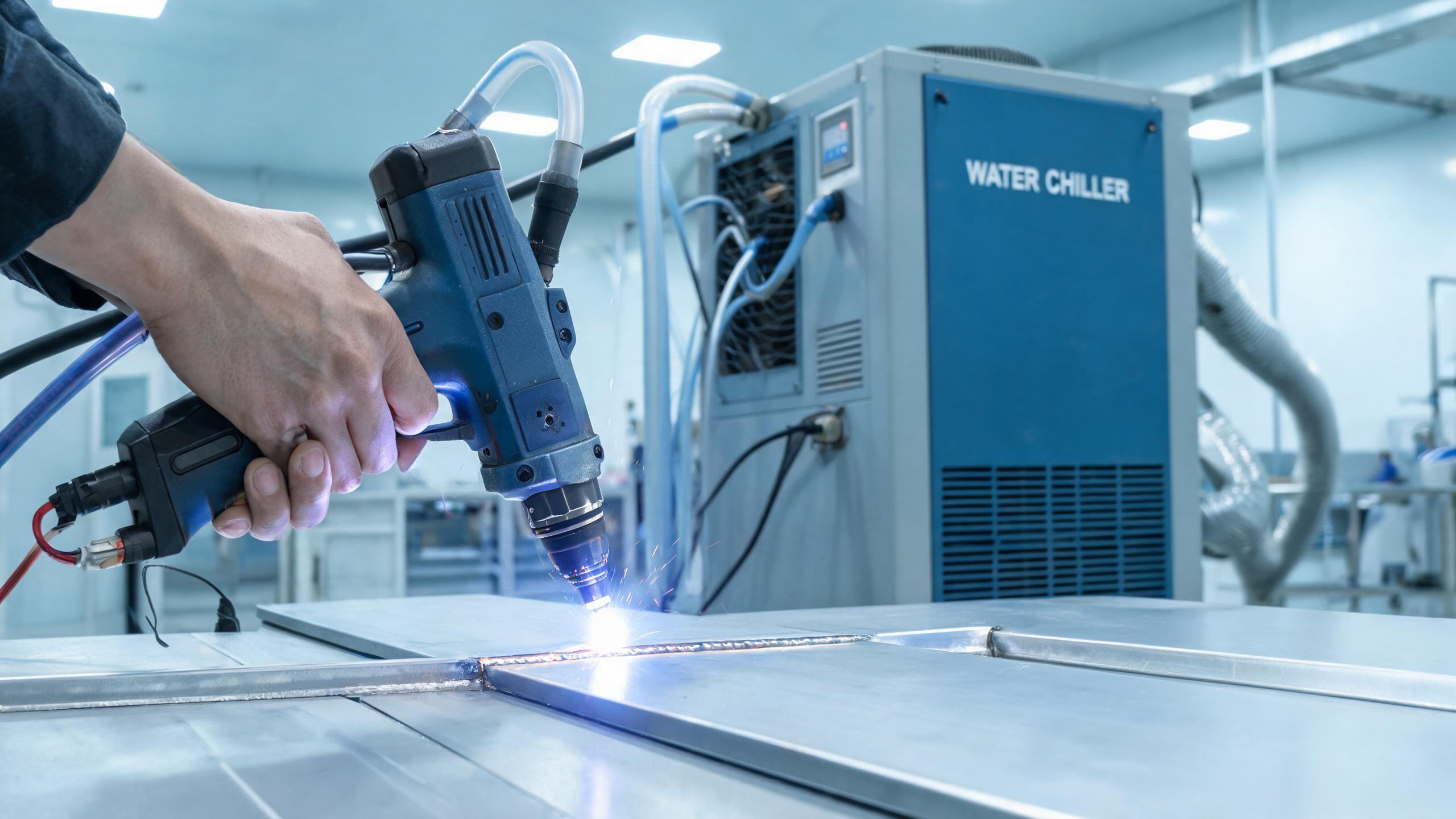
ایلومینیم ویلڈنگ اعلی طاقت کی ضروریات کی وجہ سے اہم حرارت پیدا کرتی ہے۔ ان ہینڈ ہیلڈ لیزر ویلڈنگ مشینوں میں واٹر کولنگ سسٹم اس بوجھ کو سنبھالنے کے لیے ڈیزائن کیا گیا ہے، جو تھرمل شٹ ڈاؤن کے بغیر 8 گھنٹے یا اس سے زیادہ مسلسل آپریشن کی حمایت کرتا ہے۔ یہ پیداواری ماحول کے لیے ضروری ہے جہاں ڈاؤن ٹائم براہ راست آؤٹ پٹ کو متاثر کرتا ہے۔
چلر لیزر ماخذ کا مستحکم درجہ حرارت برقرار رکھتا ہے، جو بدلے میں لمبی شفٹوں میں بیم کے معیار اور پاور آؤٹ پٹ کو مستقل رکھتا ہے۔ ایلومینیم اجزاء پر بیچ جاب چلانے والے فیبریکیٹرز کے لیے، اس کا مطلب ہے پہلے حصے سے آخری حصے تک پیش قیاسی ویلڈ کوالٹی۔
سرٹیفیکیشنز اور کوالٹی اشورینس
ہینڈ ہیلڈ لیزر ویلڈنگ مشینیں CE اور RoHS سرٹیفیکیشن رکھتی ہیں، اور Shandong Xinhong CNC Technology ISO 9001:2015 کوالٹی مینجمنٹ سسٹم کے تحت کام کرتی ہے۔ یورپی مارکیٹوں یا دستاویزی کوالٹی تعمیل کی ضرورت والی صنعتوں کو سپلائی کرنے والے خریداروں کے لیے، یہ سرٹیفیکیشن یقین دہانی کی بنیاد فراہم کرتے ہیں۔
نتیجہ
ہینڈ ہیلڈ لیزر ویلڈنگ مشین کے ساتھ ایلومینیم مرکب کی ویلڈنگ مکمل طور پر ممکن ہے جب آپ مواد کی منفرد خصوصیات کا احترام کریں۔ کلید یہ ہے کہ پاور کو موٹائی سے ملانا، آکسائیڈ پرت کو ہٹانا، ہائیڈروجن کے ذرائع کو کنٹرول کرنا، اور دہرانے کے لیے اپنے بہتر پیرامیٹرز کو ذخیرہ کرنا۔ 1000W سے 3000W تک پاور آپشنز کے ساتھ، یہ مشینیں پتلی شیٹ سے ساختی پلیٹ تک ایلومینیم فیبریکیشن کی ضروریات کو پورا کرتی ہیں۔