
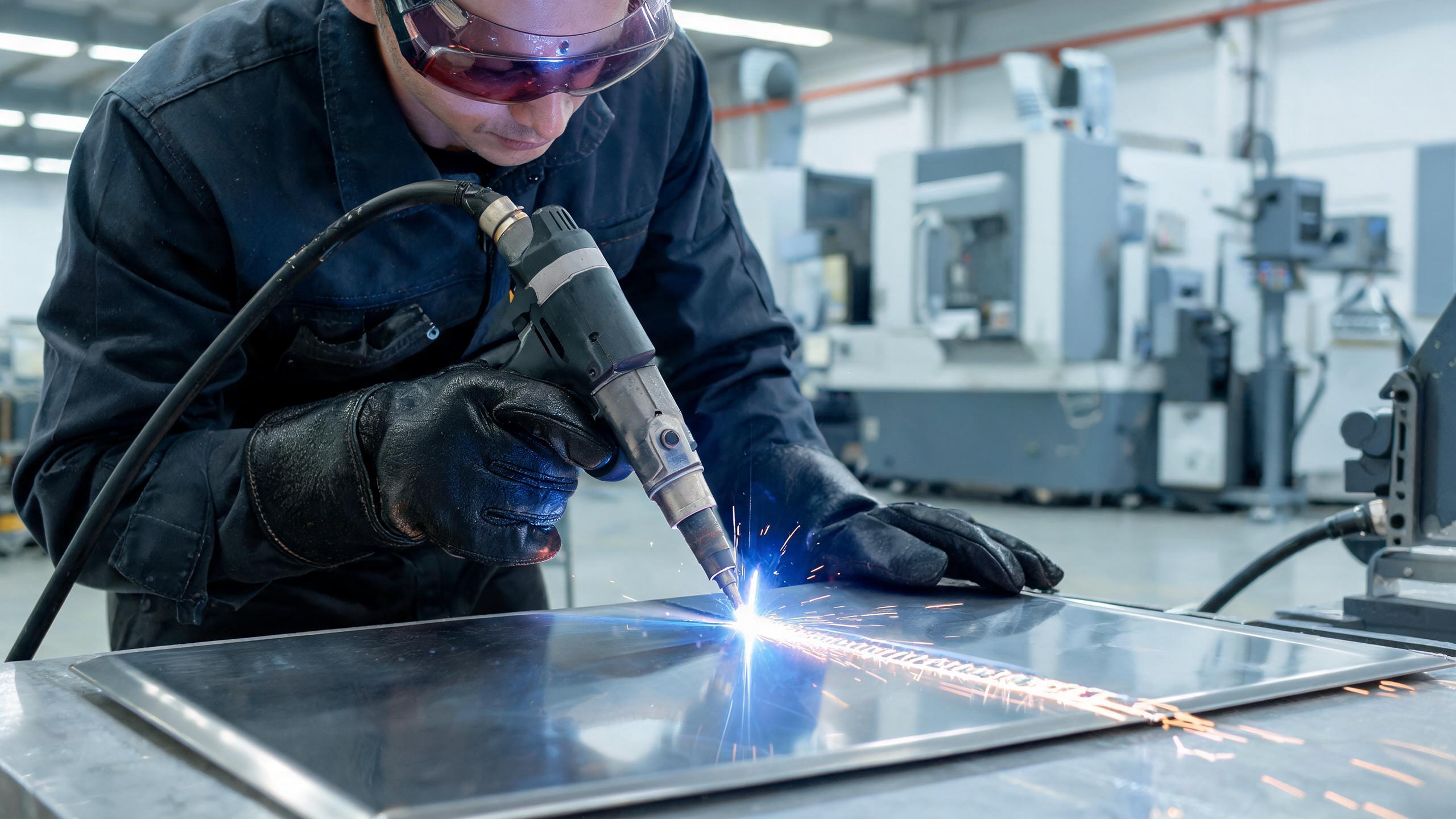
سٹینلیس سٹیل کے لیے ہینڈ ہیلڈ لیزر ویلڈنگ مشینوں کے استعمال کے لیے ایک جامع گائیڈ، جس میں موٹائی کی صلاحیتیں، شیٹ میٹل ایپلی کیشنز، پائپ ویلڈنگ، مشین کا انتخاب اور پلیٹ ویلڈنگ کے پیرامیٹرز شامل ہیں، جو ژنہونگ CNC کے 20 سالہ مینوفیکچرنگ تجربے پر مبنی ہے۔
سٹینلیس سٹیل کو خصوصی ویلڈنگ کا سامان کیوں درکار ہے
سٹینلیس سٹیل جدید مینوفیکچرنگ میں سب سے زیادہ استعمال ہونے والے مواد میں سے ایک ہے - باورچی خانے کے آلات اور لفٹ پینل سے لے کر آٹوموٹو پرزے اور کیمیکل پروسیسنگ ٹینک تک۔ اس کی سنکنرن مزاحمت، طاقت، اور جمالیاتی اپیل اسے ناگزیر بناتی ہے، لیکن یہی خصوصیات اسے ویلڈ کرنا بھی مشکل بناتی ہیں۔ روایتی آرک ویلڈنگ کے طریقے اکثر ضرورت سے زیادہ حرارت کا ان پٹ متعارف کراتے ہیں، جس سے مسخ، رنگت، اور آکسیڈیشن ہوتی ہے جس کے لیے مہنگی پوسٹ ویلڈ گرائنڈنگ اور پالش کی ضرورت ہوتی ہے۔
ایک ہینڈ ہیلڈ لیزر ویلڈنگ مشین انتہائی مرکوز بیم فراہم کرکے ان مسائل کو حل کرتا ہے جو کم سے کم حرارت سے متاثرہ زونز کے ساتھ تنگ، گہرے ویلڈ سیون تیار کرتا ہے۔ سٹینلیس سٹیل کے ساتھ کام کرنے والے فیبریکیٹرز کے لیے، یہ ٹیکنالوجی صاف ویلڈز، تیز سائیکل ٹائم، اور نمایاں طور پر کم دوبارہ کام میں ترجمہ کرتی ہے۔ اس گائیڈ میں، ہم سٹینلیس سٹیل کے لیے ہینڈ ہیلڈ لیزر ویلڈنگ مشین کے استعمال کے لیے کلیدی ایپلی کیشنز، موٹائی کی صلاحیتوں، اور انتخاب کے معیار کا احاطہ کرتے ہیں، جو Shandong Xinhong CNC Technology Co., Ltd. کے حقیقی دنیا کے تجربے پر مبنی ہے، جو 2005 سے صنعتی لیزر آلات کا کارخانہ دار ہے۔
سٹینلیس سٹیل کی موٹائی کی صلاحیتیں
فیبریکیٹرز کے پہلے سوالات میں سے ایک یہ ہے: ہینڈ ہیلڈ لیزر ویلڈر کتنی موٹی سنبھال سکتا ہے؟ جواب لیزر پاور ریٹنگ پر منحصر ہے۔ Xinhong کی پروڈکٹ لائن 1000W، 1500W، 2000W، اور 3000W ہینڈ ہیلڈ فائبر لیزر ویلڈنگ مشینوں پر محیط ہے، ہر ایک مختلف موٹائی کی حدود کے لیے موزوں ہے۔
مثال کے طور پر، 1500W ماڈل سٹینلیس سٹیل اور ایلومینیم میں 3 ملی میٹر کی زیادہ سے زیادہ دخول حاصل کرتا ہے، جو باورچی خانے کے برتنوں، لفٹ کیبنز، اور آرائشی ایپلی کیشنز میں استعمال ہونے والے سب سے عام شیٹ میٹل گیجز کے لیے مثالی ہے۔ زیادہ پاور والے ماڈل (2000W اور 3000W) موٹی پلیٹوں اور ساختی اجزاء کے لیے دخول کی گہرائی بڑھاتے ہیں۔ بیڈ مستقل مزاجی ±0.1 ملی میٹر پر درجہ بند ہے، جو پروڈکشن رنز میں دہرائی جانے والی ویلڈ کوالٹی کو یقینی بناتی ہے - کاسمیٹک اور ساختی دونوں ویلڈز کے لیے ایک اہم عنصر۔
مشین کی پاور آؤٹ پٹ کو آپ کی عام مواد کی موٹائی کی حد سے ملانا ضروری ہے۔ پتلی شیٹس کو زیادہ طاقت دینے سے جلنے کا سبب بن سکتا ہے، جبکہ موٹی پلیٹوں کو کم طاقت دینے کے نتیجے میں نامکمل فیوژن ہوتا ہے۔ موٹائی کے مخصوص پیرامیٹرز میں گہرائی سے جاننے کے لیے، ہماری ہینڈ ہیلڈ لیزر ویلڈنگ مشین سٹینلیس سٹیل موٹائی گائیڈ گیج کے لحاظ سے تجویز کردہ سیٹنگز کا احاطہ کرتی ہے۔
شیٹ میٹل ویلڈنگ ایپلی کیشنز
شیٹ میٹل فیبریکیشن وہ جگہ ہے جہاں ہینڈ ہیلڈ لیزر ویلڈنگ واقعی چمکتی ہے۔ پتلی سٹینلیس سٹیل کی چادریں (0.5 ملی میٹر–3 ملی میٹر) مسخ اور جلنے کے خطرات کی وجہ سے روایتی طریقوں سے ویلڈ کرنا بدنام زمانہ مشکل ہیں۔ لیزر کا درست توانائی کنٹرول حرارت کے ان پٹ کو کم سے کم کرتا ہے، پتلی گیج مواد کی ہمواری اور سطح کی تکمیل کو محفوظ رکھتا ہے۔
عام شیٹ میٹل ایپلی کیشنز میں شامل ہیں:
- باورچی خانے کا سامان: سنک، کاؤنٹر ٹاپس، اور تجارتی کھانا پکانے کے برتنوں کو صاف، فوڈ گریڈ ویلڈ سیون کی ضرورت ہوتی ہے جس میں کوئی porosity نہ ہو۔
- لفٹ پینل: نظر آنے والے ویلڈ جوڑ ہموار اور یکساں ہونے چاہئیں، اکثر ویلڈ کے بعد پیسنے کی ضرورت نہیں ہوتی۔
- آٹوموٹو پرزے: ایگزاسٹ سسٹم، بریکٹ، اور ٹرم پیسز کم مسخ لیزر ویلڈز سے فائدہ اٹھاتے ہیں۔
- انکلوژرز اور کیبنٹس: الیکٹریکل اور کنٹرول انکلوژرز کو بغیر وارپنگ کے ہرمیٹک سیل کی ضرورت ہوتی ہے۔
ہینڈ ہیلڈ ڈیزائن پیچیدہ جیومیٹریوں اور تنگ کونوں تک رسائی فراہم کرتا ہے جو فکسڈ ویلڈنگ اسٹیشن نہیں پہنچ سکتے۔ آپریٹرز تین جہتی ورک پیس کے ارد گرد ویلڈنگ گن کو آسانی سے چلا سکتے ہیں۔ شیٹ میٹل ویلڈنگ سیٹ اپس کے بارے میں عملی رہنمائی کے لیے، ہماری شیٹ میٹل کے لیے ہینڈ ہیلڈ لیزر ویلڈنگ مشین ایپلی کیشن گائیڈ دیکھیں۔
سٹینلیس سٹیل پائپ کی ویلڈنگ
پائپ اور ٹیوب ویلڈنگ ہینڈ ہیلڈ لیزر ویلڈرز کے لیے ایک اور بڑی ایپلی کیشن کی نمائندگی کرتی ہے۔ سٹینلیس سٹیل کے پائپ بڑے پیمانے پر فوڈ اینڈ بیوریج پروسیسنگ، فارماسیوٹیکل مینوفیکچرنگ، اور کیمیکل ٹرانسپورٹ میں استعمال ہوتے ہیں، جہاں ویلڈ کی سالمیت براہ راست حفاظت اور تعمیل کو متاثر کرتی ہے۔
پائپ جوڑوں کی روایتی TIG ویلڈنگ سست ہے اور انتہائی ہنر مند آپریٹرز کی ضرورت ہوتی ہے۔ ہینڈ ہیلڈ لیزر ویلڈنگ اسی جوڑوں کو بہت کم وقت میں مکمل کرتی ہے جبکہ تنگ، زیادہ مستقل ویلڈ سیون تیار کرتی ہے۔ یہ عمل خاص طور پر چھوٹے آلات کی ٹیوبوں سے لے کر درمیانے قطر کے پروسیس پائپنگ تک کے قطروں میں گردشی اور طولانی پائپ ویلڈز کے لیے مؤثر ہے۔
پائپ ویلڈنگ کے لیے اہم فوائد میں شامل ہیں:
- کم حرارت کا ان پٹ، حرارت سے متاثرہ زون کی سنکنرن مزاحمت کو محفوظ رکھتا ہے۔
- بہت سی دیواروں کی موٹائی کے لیے سنگل پاس ویلڈنگ، ملٹی پاس پیچیدگی کو ختم کرتی ہے۔
- بہت سی ایپلی کیشنز میں فلر مواد کے بغیر مستقل بیڈ کی ظاہری شکل۔
پائپ ویلڈنگ کے لیے صحیح مشین کا انتخاب آپ کی عام پائپ قطر کی حد اور دیوار کی موٹائی پر منحصر ہے۔ سٹینلیس سٹیل پائپ کے لیے ہینڈ ہیلڈ لیزر ویلڈر کے انتخاب پر ہماری گائیڈ تفصیلی انتخاب کے معیار اور پیرامیٹر کی سفارشات فراہم کرتی ہے۔
سٹیل کے لیے بہترین مشین کا انتخاب
سٹینلیس سٹیل کے کام کے لیے صحیح ہینڈ ہیلڈ لیزر ویلڈنگ مشین کا انتخاب کرنے میں خام پاور آؤٹ پٹ سے زیادہ کئی عوامل کا جائزہ لینا شامل ہے۔ لیزر سورس کا معیار، کولنگ سسٹم، کنٹرول الیکٹرانکس، اور سرٹیفیکیشنز طویل مدتی کارکردگی اور بھروسے کو متاثر کرتے ہیں۔
Xinhong کی مشینیں IPG (USA)، RAYCUS، اور GW - دنیا کے معروف کارخانہ داروں کے لیزر سورسز کے ساتھ بنائی گئی ہیں جو بیم کوالٹی اور الیکٹرو آپٹیکل کنورژن افیشنسی کے لیے مشہور ہیں۔ الیکٹریکل کنٹرول سسٹم اضافی بھروسے اور یورپی معیارات کی تعمیل کے لیے Schneider Electric کے پرزے استعمال کرتے ہیں۔ ہر مشین ISO 9001:2015 سرٹیفائیڈ اور CE مارکڈ ہے، مکمل یورپی مارکیٹ تک رسائی کے لیے RoHS تعمیل کے ساتھ۔
کلیدی انتخاب کے معیار میں شامل ہیں:
- پاور رینج: واٹج کو اپنی عام مواد کی موٹائی سے ملائیں۔ 1500W زیادہ تر شیٹ میٹل کا احاطہ کرتا ہے؛ 3000W موٹی پلیٹوں کو سنبھالتا ہے۔
- کولنگ سسٹم: پانی کی گردش کولنگ توسیعی آپریشن کو قابل بناتی ہے۔ 1500W ماڈل 8+ گھنٹے مسلسل ویلڈنگ کی حمایت کرتا ہے۔
- ویلڈ پروفائل اسٹوریج: 1500W ماڈل 50+ ویلڈ پروفائلز اسٹور کرتا ہے، جس سے بہتر پیرامیٹرز کی فوری یاد آتی ہے۔
- حفاظتی خصوصیات: انٹر لاکڈ سیفٹی سسٹم، حفاظتی انکلوژرز، اور تعمیل والے حفاظتی چشمے تلاش کریں۔
- سرٹیفیکیشنز: CE، RoHS، اور ISO 9001:2015 ریگولیٹری تعمیل اور کوالٹی اشورینس کو یقینی بناتے ہیں۔
ماڈلز کے جامع موازنہ اور تفصیلی انتخاب کے فریم ورک کے لیے، ہماری سٹیل کے لیے بہترین ہینڈ ہیلڈ لیزر ویلڈنگ مشین گائیڈ پڑھیں۔
سٹیل پلیٹ ویلڈنگ کے پیرامیٹرز
موٹی سٹیل پلیٹوں کی ویلڈنگ کے لیے نقائص کے بغیر مکمل دخول حاصل کرنے کے لیے محتاط پیرامیٹر ٹیوننگ کی ضرورت ہوتی ہے۔ پتلی شیٹ میٹل کے برعکس، 3 ملی میٹر اور اس سے اوپر کی پلیٹیں زیادہ لیزر پاور، سست رفتار، اور فلر مواد کی ضرورت ہونے پر مناسب وائر فیڈ ریٹ کا مطالبہ کرتی ہیں۔
سٹینلیس سٹیل پلیٹ ویلڈنگ کے لیے عمومی پیرامیٹر رہنما خطوط:
- 3 ملی میٹر پلیٹ: 1500W لیزر، رفتار تقریباً 0.8–1.2 میٹر/منٹ، سنگل پاس میں مکمل دخول ممکن ہے۔
- 4–5 ملی میٹر پلیٹ: 2000W لیزر، کم رفتار، ملٹی پاس یا فلر وائر کی ضرورت ہو سکتی ہے۔
- 6 ملی میٹر+ پلیٹ: 3000W لیزر، وائر فیڈ کے ساتھ ملٹی پاس ویلڈنگ تاکہ جوڑ مکمل بھر جائے۔
پلیٹ ویلڈنگ کے لیے واٹر کولنگ سسٹم انتہائی اہم ہے، کیونکہ زیادہ پاور زیادہ حرارت پیدا کرتی ہے۔ ژنہونگ کے واٹر کولڈ سسٹم طویل ویلڈنگ سیشنز کے دوران مستحکم آپریٹنگ درجہ حرارت برقرار رکھتے ہیں، جس سے بیم کا معیار یکساں رہتا ہے اور تھرمل ڈرفٹ سے بچا جاتا ہے جو ویلڈ کی سالمیت کو نقصان پہنچا سکتا ہے۔
شیلڈنگ گیس کا انتخاب بھی اہم ہے۔ سٹینلیس سٹیل کے لیے آرگون معیاری انتخاب ہے، حالانکہ آرگون-ہیلیم مرکب موٹی حصوں پر دخول بہتر بنا سکتا ہے۔ گیس کے بہاؤ کی شرح عام طور پر 15 سے 25 لیٹر/منٹ ہوتی ہے جو جوڑ کی جیومیٹری اور رفتار پر منحصر ہے۔ تفصیلی پیرامیٹر ٹیبلز اور سیٹ اپ ہدایات کے لیے ہمارا ہینڈ ہیلڈ لیزر ویلڈنگ مشین سٹیل پلیٹ پیرامیٹرز گائیڈ دیکھیں۔
سٹینلیس سٹیل سے آگے: متعلقہ ایپلی کیشنز
اگرچہ یہ گائیڈ سٹینلیس سٹیل پر مرکوز ہے، ہینڈ ہیلڈ لیزر ویلڈنگ کی استعداد دیگر مواد تک بھی پھیلی ہوئی ہے۔ ایلومینیم کے ساتھ کام کرنے والے فیبریکیٹرز کے لیے، ایلومینیم کے لیے پورٹیبل لیزر ویلڈنگ مشین: تجاویز اور بہترین طریقے ایلومینیم ویلڈنگ کے لیے مواد سے متعلقہ تحفظات کا احاطہ کرتا ہے۔ اور سپلائرز کا جائزہ لینے والوں کے لیے، چین میں ٹاپ ہینڈ ہیلڈ فائبر لیزر ویلڈر مینوفیکچررز [2026 اپ ڈیٹ] مارکیٹ کا ایک جائزہ فراہم کرتا ہے تاکہ آپ باخبر سورسنگ فیصلے کر سکیں۔
نتیجہ
ہینڈ ہیلڈ لیزر ویلڈنگ نے سٹینلیس سٹیل کی فیبریکیشن کو تبدیل کر دیا ہے کیونکہ یہ درستگی، رفتار اور معیار فراہم کرتی ہے جو روایتی طریقے نہیں دے سکتے۔ چاہے آپ کچن کے آلات کے لیے پتلی شیٹ میٹل ویلڈ کر رہے ہوں، فوڈ گریڈ ایپلی کیشنز کے لیے سٹینلیس سٹیل کے پائپ سیل کر رہے ہوں، یا ساختی اجزاء کے لیے موٹی پلیٹیں جوڑ رہے ہوں، صحیح مشین اور پیرامیٹرز کا انتخاب ضروری ہے۔
شیڈونگ ژنہونگ CNC ٹیکنالوجی کمپنی، لمیٹڈ ہینڈ ہیلڈ فائبر لیزر ویلڈنگ مشینوں کی مکمل رینج پیش کرتا ہے — 1000W سے 3000W تک — جو عالمی معیار کے لیزر ذرائع، شنائیڈر الیکٹریکل پرزہ جات، اور مکمل CE/RoHS/ISO 9001:2015 سرٹیفیکیشنز کے ساتھ بنائی گئی ہیں۔ اپنی مخصوص ویلڈنگ ضروریات پر بات کرنے کے لیے، ہماری تکنیکی ٹیم سے رابطہ کریں ذاتی مشاورت کے لیے۔