ایلومینیم فیبریکیشن کے لیے پورٹیبل لیزر ویلڈنگ مشین استعمال کرنے کے بارے میں کیا جاننا چاہیے - ایپلی کیشنز، ایلائے مطابقت، فیلڈ تحفظات، اور پیداواری فوائد۔
تکنیکی گائیڈ
ایلومینیم فیبریکیشن میں پورٹیبلٹی کیوں اہم ہے
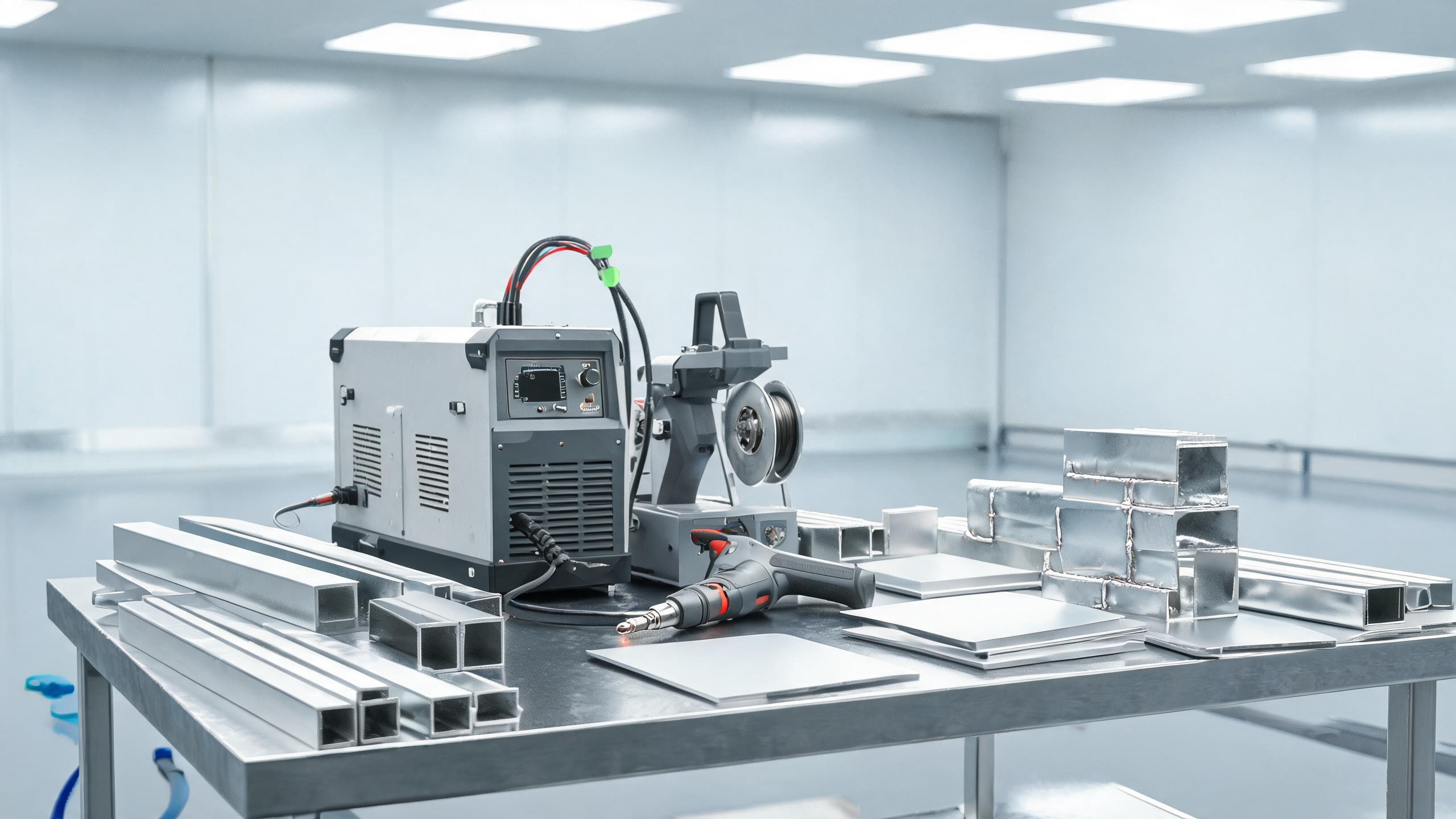
ایلومینیم فیبریکیشن کی دکانیں مختلف قسم کے ورک پیسز سنبھالتی ہیں - فلیٹ شیٹس اور ایکسٹروڈڈ پروفائلز سے لے کر بڑے ساختی فریموں اور کسٹم اسمبلیوں تک۔ ہر پرزہ اسٹیشنری ویلڈنگ اسٹیشن تک منتقل نہیں کیا جا سکتا۔ ایلومینیم فیبریکیشن کے لیے پورٹیبل لیزر ویلڈنگ مشین ویلڈ کو ورک پیس تک لاتی ہے، جس سے بھاری یا بڑے اجزاء کو دوبارہ جگہ دینے کی ضرورت ختم ہو جاتی ہے اور تیار شدہ سطحوں کو ہینڈلنگ سے ہونے والے نقصان میں کمی آتی ہے۔
روایتی TIG یا MIG ویلڈنگ سے ہینڈ ہیلڈ لیزر ویلڈنگ مشین کی طرف منتقلی فیبریکیشن ورک فلو کو کئی عملی طریقوں سے بدل دیتی ہے: تیز ٹریول اسپیڈ، تنگ حرارت سے متاثرہ زون، کم سے کم پوسٹ ویلڈ گرائنڈنگ، اور ایک سیٹ اپ میں مختلف موٹائیوں کی ویلڈنگ کی صلاحیت۔ ایک جامع جائزے کے لیے، ایلومینیم کے لیے پورٹیبل لیزر ویلڈنگ مشین.
پورٹیبل لیزر ویلڈنگ سسٹم کی تعریف کیا ہے
ہینڈ ہیلڈ فائبر لیزر ویلڈرز کے تناظر میں پورٹیبلٹی کا مطلب ہے کہ مکمل سسٹم - لیزر سورس، واٹر کولنگ یونٹ، کنٹرول سسٹم اور ویلڈنگ گن - کو ورک پیس کے مقام تک منتقل کیا جا سکتا ہے اور منٹوں میں سیٹ اپ کیا جا سکتا ہے۔ ہماری پروڈکٹ لائن کی اہم خصوصیات:
| خصوصیت | تصریح |
|---|---|
| پاور رینج | 1000 W / 1500 W / 2000 W / 3000 W |
| زیادہ سے زیادہ penetration (Al) | 3 ملی میٹر (1500 W ماڈل) |
| ویلڈ سیون مستقل مزاجی | ±0.1 ملی میٹر |
| کولنگ سسٹم | واٹر کولڈ، 8+ گھنٹے مسلسل آپریشن |
| پیرامیٹر اسٹوریج | 50+ گروپس |
| سرٹیفیکیشنز | CE, RoHS, ISO 9001:2015 |
1000 W اور 1500 W ماڈل فیبریکیشن شاپس میں سب سے زیادہ عام ہیں جو ایلومینیم پروفائلز، شیٹ میٹل انکلوژرز اور ساختی اسمبلیاں سنبھالتی ہیں۔ 2000 W اور 3000 W ماڈل بھاری فیبریکیشن ضروریات جیسے موٹی دیواروں والے ایکسٹروژن اور ملٹی لیئر جوائنٹس کے لیے استعمال ہوتے ہیں۔
ایلومینیم فیبریکیشن ایپلی کیشنز
سٹرکچرل پروفائلز اور ایکسٹروژن
ایلومینیم ایکسٹروژن - ٹی سلاٹ پروفائلز، مستطیل ٹیوبیں، اور حسب ضرورت کراس سیکشنز - فریموں، انکلوژرز اور سپورٹ ڈھانچے کی ریڑھ کی ہڈی ہیں۔ ہینڈ ہیلڈ لیزر ویلڈنگ کونے کے جوڑوں، ٹی جوڑوں اور کثیر رکنی نوڈس کے لیے موزوں ہے کیونکہ فوکسڈ بیم ایک تنگ، گہرا ویلڈ پیدا کرتی ہے جس میں تھرمل مسخ کم سے کم ہوتا ہے۔ یہ خاص طور پر درست اسمبلیوں کے لیے اہم ہے جہاں ویلڈ کے بعد مشینی رواداری سخت ہوتی ہے۔
شیٹ میٹل انکلوژرز
تیار شدہ انکلوژرز - الیکٹرانک ہاؤسنگز، بیٹری باکسز اور کنٹرول پینلز - کے لیے ہینڈ ہیلڈ لیزر ویلڈر صاف، جمالیاتی طور پر قابل قبول ویلڈز تیار کرتا ہے جنہیں اکثر اضافی فنشنگ کی ضرورت نہیں ہوتی۔ تنگ HAZ (عام طور پر 0.5–1.5 ملی میٹر) ملحقہ پینلز کی ہمواری کو محفوظ رکھتا ہے، جو انکلوژر سیلنگ اور گسکیٹ فٹ کے لیے اہم ہے۔
ہیٹ ایکسچینجر اور ٹیوب ٹو شیٹ جوڑ
ایلومینیم ہیٹ ایکسچینجرز کو مکمل دخول اور صفر رساو کے ساتھ ٹیوب ٹو شیٹ جوڑوں کی ضرورت ہوتی ہے۔ فائبر لیزر کا کنٹرول شدہ حرارتی ان پٹ، واٹر کولنگ سسٹم کی 8+ گھنٹے کی شفٹوں میں مستحکم آؤٹ پٹ برقرار رکھنے کی صلاحیت کے ساتھ مل کر، ان مشکل جوڑوں کی بیچ پروڈکشن کے لیے عملی بناتا ہے۔
مرمت اور دوبارہ کام
فیبریکیشن ماحول میں، پورٹیبل لیزر ویلڈنگ مشین تباہ شدہ ایلومینیم اجزاء کی سائٹ پر مرمت کے لیے بھی قیمتی ہے - ساختی ارکان میں دراڑیں، جوڑوں کی سطحیں جو گھس گئی ہیں، اور خراب ویلڈز کا دوبارہ کام۔ ویلڈنگ گن کو مرمت کی جگہ تک لے جانے کی صلاحیت، بجائے ڈھانچے کو الگ کرنے کے، اہم مزدوری کا وقت بچاتی ہے۔
فیبریکیشن ورک فلو کے لیے کلیدی تحفظات
ایلائے مطابقت
فیبریکیشن شاپس عام طور پر متعدد ایلومینیم ایلائیز کے ساتھ کام کرتی ہیں۔ یہ سمجھنا ضروری ہے کہ ہر ایک لیزر ویلڈنگ پر کیسے رد عمل ظاہر کرتا ہے:
| ایلائے سیریز | عام گریڈز | ویلڈنگ نوٹس |
|---|---|---|
| 5000 (Al-Mg) | 5052, 5083, 5754 | بہترین ویلڈیبلٹی؛ Mg مواد پگھلنے والے تالاب کو مستحکم کرتا ہے۔ زیادہ طاقت پر Mg کے ضرورت سے زیادہ نقصان پر نظر رکھیں۔ |
| 6000 (Al-Mg-Si) | 6061, 6063, 6082 | گرم کریکنگ کا شکار۔ 4043 فلر تار استعمال کریں۔ موٹے حصوں کو 80–100 °C تک پہلے سے گرم کریں۔ |
| 3000 (Al-Mn) | 3003, 3004 | اچھی ویلڈیبلٹی۔ کم طاقت؛ غیر ساختی ایپلی کیشنز کے لیے موزوں۔ |
| 1000 (خالص Al) | 1050, 1060, 1100 | زیادہ عکاسی۔ کیہول قائم کرنے کے لیے ابتدائی طور پر زیادہ طاقت درکار ہو سکتی ہے۔ |
فیبریکیشن میں آکسائیڈ پرت کا انتظام
فیبریکیشن شاپ میں، ایلومینیم کے اجزاء کٹنگ اور ویلڈنگ کے درمیان گھنٹوں یا دنوں تک پڑے رہ سکتے ہیں۔ آکسائیڈ پرت وقت کے ساتھ موٹی ہوتی جاتی ہے، چند نینو میٹر سے بڑھ کر کئی مائیکرون تک۔ یہ موٹی آکسائیڈ پرت پگھلنے کی حد کو بڑھاتی ہے اور ویلڈ کے نقائص کا سبب بن سکتی ہے۔ اہم طریقے:
- ویلڈنگ کے 4 گھنٹوں کے اندر آکسائیڈ کو میکانکی طور پر (سٹین لیس سٹیل برش) یا کیمیاوی طور پر (ایچنگ) ہٹا دیں۔
- ذخیرہ شدہ اجزاء کے لیے، ویلڈنگ سے پہلے آکسائیڈ ہٹانے کو آخری مرحلے کے طور پر شیڈول کریں۔
- کٹے ہوئے کناروں کا معائنہ کریں - لیزر کٹے ہوئے ایلومینیم کے کناروں پر دوبارہ بنی ہوئی آکسائیڈ پرت ہو سکتی ہے جسے ویلڈنگ سے پہلے پیسنے کی ضرورت ہوتی ہے۔
فیلڈ حالات میں شیلڈنگ گیس
کھلے یا نیم بند ماحول میں ایلومینیم فیبریکیشن کے لیے پورٹیبل لیزر ویلڈنگ مشین استعمال کرتے وقت، ہوا کی حرکت سے شیلڈنگ گیس کی تاثیر سے سمجھوتہ ہو سکتا ہے۔ عملی اقدامات:
- انڈور بینچ ویلڈنگ کے مقابلے میں گیس کے بہاؤ کی شرح 20–30% تک بڑھائیں۔
- زیادہ لیمینر، وسیع کوریج کے لیے گیس لینس نوزل استعمال کریں۔
- براہ راست ہوا میں ویلڈنگ سے گریز کریں؛ ضرورت پڑنے پر اسکرین یا انکلوژر استعمال کریں۔
- اہم جوڑوں کے لیے، مضبوط ہوتے ویلڈ بیڈ کی حفاظت کے لیے ٹریلنگ شیلڈ پر غور کریں۔
فیلڈ ٹپ: سسٹم کی 50 سے زیادہ پیرامیٹر گروپس ذخیرہ کرنے کی صلاحیت کا مطلب ہے کہ فیبریکیشن شاپ ہر عام ایلائے-موٹائی-جوڑ کے امتزاج کے لیے سیٹنگز پہلے سے اہل بنا سکتی ہے اور انہیں فوری طور پر یاد کر سکتی ہے، جس سے مستقل معیار کو یقینی بنایا جا سکتا ہے چاہے کون سا آپریٹر شفٹ پر ہو۔
روایتی طریقوں پر پیداواری فوائد
ایلومینیم کی TIG ویلڈنگ کے مقابلے میں، ہینڈ ہیلڈ فائبر لیزر ویلڈر عام طور پر 3–5 گنا تیز رفتار سفر حاصل کرتا ہے جبکہ تنگ HAZ پیدا کرتا ہے اور ویلڈ کے بعد کم صفائی کی ضرورت ہوتی ہے۔ واٹر کولنگ سسٹم 8+ گھنٹے مسلسل آپریشن کی حمایت کرتا ہے، یعنی ایک آپریٹر آلات کو ٹھنڈا ہونے کے لیے رکے بغیر طویل فیبریکیشن رن مکمل کر سکتا ہے۔ ±0.1 ملی میٹر ویلڈ سیون مستقل مزاجی دوبارہ کام اور معائنہ کے وقت کو کم کرتی ہے۔
| عنصر | TIG ویلڈنگ | ہینڈ ہیلڈ لیزر ویلڈنگ |
|---|---|---|
| سفر کی رفتار (1 ملی میٹر Al) | 2–5 ملی میٹر/سیکنڈ | 20–35 ملی میٹر/سیکنڈ |
| HAZ چوڑائی | 3–6 ملی میٹر | 0.5–1.5 ملی میٹر |
| ویلڈ کے بعد پیسنا | اہم | کم سے کم یا کوئی نہیں |
| مسلسل آپریشن | ٹارچ کی حرارت سے محدود | 8+ گھنٹے (واٹر کولڈ) |
| آپریٹر کی مہارت درکار | زیادہ | اعتدال پسند (پیرامیٹر پر مبنی) |
کیا پورٹیبل لیزر ویلڈنگ مشین بیرونی فیبریکیشن سائٹس کے لیے موزوں ہے؟
سسٹم ورکشاپ اور نیم بند ماحول کے لیے ڈیزائن کیا گیا ہے۔ مکمل بیرونی نمائش کے لیے ہوا، بارش اور دھول سے تحفظ درکار ہے۔ واٹر کولنگ سسٹم اور الیکٹرانک کنٹرولز کو محفوظ رکھا جانا چاہیے۔ فیلڈ مرمت کے لیے، عارضی انکلوژر یا ویلڈنگ ٹینٹ تجویز کیا جاتا ہے۔
کیا میں اس آلات سے کاسٹ ایلومینیم کے اجزاء ویلڈ کر سکتا ہوں؟
کاسٹ ایلومینیم ایلائیز (جیسے A356) کو مناسب پیرامیٹر ایڈجسٹمنٹ کے ساتھ ویلڈ کیا جا سکتا ہے، لیکن کاسٹ مواد میں اکثر کاسٹنگ کے عمل سے پوروسیٹی اور انکلوژنز ہوتے ہیں جو ویلڈ کے نقائص کا سبب بن سکتے ہیں۔ اہم کاسٹ جوڑوں کے لیے ویلڈ سے پہلے معائنہ اور ایکسرے ٹیسٹنگ مناسب ہے۔
عام ایلومینیم فیبریکیشن کے لیے مجھے کون سی پاور لیول منتخب کرنی چاہیے؟
1500 W ماڈل فیبریکیشن شاپس کے لیے سب سے زیادہ ورسٹائل انتخاب ہے۔ یہ 0.5 ملی میٹر سے 3 ملی میٹر تک کی شیٹ کو سنبھالتا ہے، پروفائل اور انکلوژر کے زیادہ تر کام کا احاطہ کرتا ہے، اور قابل اعتماد مکمل دخول ویلڈز کے لیے کافی مارجن فراہم کرتا ہے۔ موٹی دیوار والے ایکسٹروژن (4 ملی میٹر+) سنبھالنے والی شاپس کو 2000 W یا 3000 W ماڈلز پر غور کرنا چاہیے۔