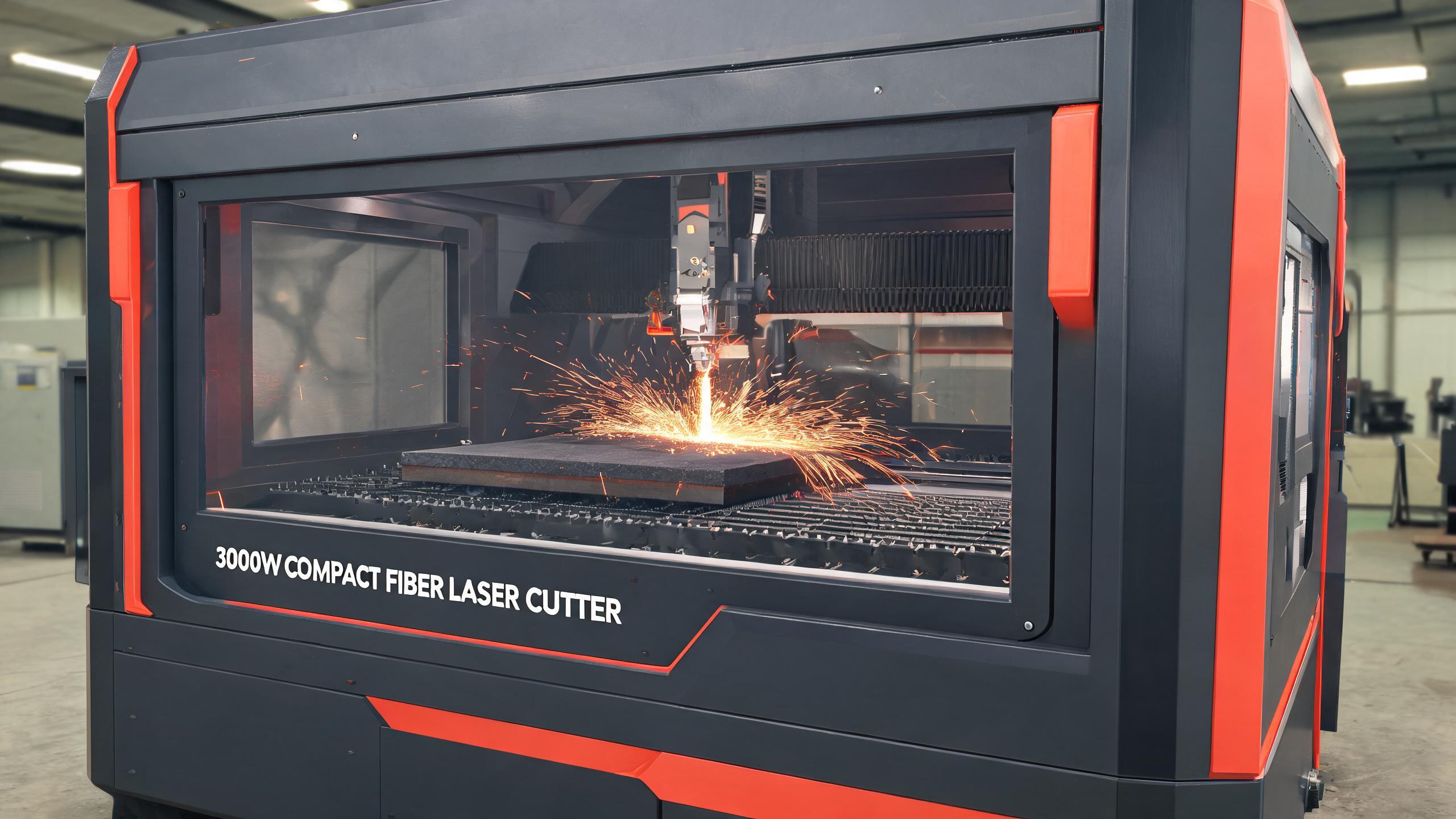
Hướng dẫn định giá toàn diện năm 2026 cho máy cắt laser sợi quang, phân tích chi phí theo dải công suất (500W–30000W), thương hiệu nguồn laser (IPG vs RAYCUS vs GW) và các tùy chọn cấu hình. Bao gồm bảng so sánh công suất-giá…
Giá Máy Cắt Laser Sợi Quang: Hướng Dẫn Định Giá 2026 Theo Công Suất và Thương Hiệu
Khi bạn đầu tư vào máy cắt laser sợi quang, việc hiểu rõ bối cảnh giá máy cắt laser sợi quang là bước đầu tiên để đưa ra quyết định mua hàng đúng đắn. Giá cả thay đổi đáng kể tùy thuộc vào công suất laser, thương hiệu nguồn laser, cấu hình máy và các tính năng đi kèm. Hướng dẫn này phân tích cách từng yếu tố ảnh hưởng đến chi phí để bạn có thể lập ngân sách một cách tự tin và yêu cầu báo giá chính xác từ các nhà sản xuất.
Tại Sao Giá Máy Cắt Laser Sợi Quang Lại Chênh Lệch Nhiều Đến Vậy
Một hệ thống cấp thấp 500W và một máy công nghiệp 30000W phục vụ các nhu cầu gia công hoàn toàn khác nhau—và giá của chúng phản ánh khoảng cách đó. Yếu tố chi phí lớn nhất là bản thân nguồn laser, có thể chiếm 40–60% tổng chi phí máy. Ngoài nguồn laser, các yếu tố như kích thước vùng làm việc, thương hiệu hệ thống điều khiển, phương pháp làm mát, vỏ bọc an toàn, bàn đổi, và các hệ thống phụ trợ (hút khói, máy tạo nitơ, máy nén khí) đều làm tăng giá cuối cùng.
Giá Máy Cắt Laser Sợi Quang Theo Dải Công Suất
Bảng dưới đây tóm tắt các mức giá công nghiệp điển hình cho máy cắt laser sợi quang theo công suất. Đây là các mức giá tham khảo dựa trên dữ liệu thị trường—giá thực tế phụ thuộc vào cấu hình, thương hiệu nguồn laser và nhà sản xuất. Liên hệ với nhà cung cấp để được báo giá chi tiết phù hợp với thông số kỹ thuật của bạn.
| Dải công suất | Ứng Dụng Điển Hình | Khoảng Giá Thị Trường (USD) | Các Yếu Tố Chi Phí Chính |
|---|---|---|---|
| 500W | Tấm mỏng (thép carbon 0,5–3mm) | Phân khúc cấp thấp | Bàn nhỏ gọn, nguồn điện một pha, nguồn laser RAYCUS |
| 1000W | Gia công nhẹ (thép carbon 1–12mm) | Cấp thấp đến trung cấp | Tùy chọn kích thước bàn (3000×1500 hoặc 4000×2000), thương hiệu nguồn laser |
| 1500W | Tấm trung bình (thép carbon lên đến 6mm) | Trung cấp | Làm mát bằng nước, tính năng bộ điều khiển CNC |
| 2000W–3000W | Gia công tổng hợp (thép carbon 8–12mm) | Trung cấp | Vỏ bọc, bàn đổi, bộ điều khiển Schneider Electric |
| 6000W–8000W | Tấm dày (thép carbon 20–25mm) | Phân khúc công nghiệp | Khung cổng gia cố, truyền động kép, đầu cắt áp suất cao |
| 12000W–20000W | Thép kết cấu dày (35–50mm) | Phân khúc công nghiệp cao cấp | Máy làm lạnh ba mạch, khung nặng, CNC tiên tiến |
| 30000W | Tấm siêu dày (lên đến 70mm) | Phân khúc công nghiệp cao cấp | Nguồn laser hàng đầu, quản lý nhiệt, bàn 2000×6000mm |
Để có báo giá cụ thể cho máy cắt laser sợi quang Xinhong CNC có công suất từ 500W đến 30000W, yêu cầu báo giá kèm theo loại vật liệu, dải độ dày và khối lượng sản xuất của bạn để nhận được đề xuất chi tiết.
Thương Hiệu Nguồn Laser Ảnh Hưởng Đến Giá Máy Cắt Laser Sợi Quang Như Thế Nào
Nguồn laser là trái tim của máy, và việc lựa chọn thương hiệu ảnh hưởng đáng kể đến cả chi phí ban đầu lẫn chi phí vận hành lâu dài. Xinhong CNC hợp tác với ba nhà sản xuất nguồn laser hàng đầu, mang lại cho người mua sự linh hoạt để phù hợp với ngân sách và yêu cầu ứng dụng của họ:
| Thương hiệu nguồn laser | Xuất xứ | Vị Trí Giá | Phù Hợp Nhất Cho |
|---|---|---|---|
| IPG | Mỹ | Phân khúc cao cấp | Các ứng dụng đòi hỏi chất lượng chùm tia cao nhất; thị trường xuất khẩu có yêu cầu chất lượng nghiêm ngặt |
| RAYCUS | Trung Quốc | Phân khúc trung cấp | Giá trị tuyệt vời cho cắt tiêu chuẩn; mạng lưới hỗ trợ trong nước và quốc tế mạnh mẽ |
| GW | Trung Quốc | Phân khúc cạnh tranh | Các dự án nhạy cảm về chi phí với hiệu suất đáng tin cậy cho công việc gia công tiêu chuẩn |
Nguồn laser IPG thường có giá cao hơn 20–40% so với các lựa chọn trong nước, phản ánh chất lượng chùm tia hàng đầu ngành và mạng lưới dịch vụ toàn cầu đã được thiết lập. RAYCUS và GW mang lại giá trị hấp dẫn, với tuổi thọ 35.000–50.000+ giờ và hiệu suất chùm tia ổn định phù hợp với đa số ứng dụng cắt kim loại tấm.
Các Tùy Chọn Cấu Hình Ảnh Hưởng Đến Giá
Ngoài công suất và nguồn laser, một số lựa chọn cấu hình ảnh hưởng đến tổng vốn đầu tư:
- Kích thước vùng làm việc: Nâng cấp từ 1500×3000mm lên 2000×6000mm tăng khả năng xử lý vật liệu nhưng làm tăng chi phí máy từ 30–60%.
- Vỏ bọc an toàn: Vỏ bọc kín hoàn toàn với cửa liên động làm tăng chi phí nhưng cần thiết để tuân thủ CE và an toàn cho người vận hành tại thị trường châu Âu.
- Bàn trao đổi: Bàn đổi tự động cho phép sản xuất liên tục nhưng làm tăng vốn đầu tư ban đầu.
- Hệ thống điều khiển: Hệ thống PLC Schneider Electric (ví dụ: Modicon M241) với kết nối Ethernet và lập lịch theo lô có giá cao hơn so với bộ điều khiển cơ bản.
- Hệ thống làm mát: Máy làm lạnh nước công nghiệp (đặc biệt là loại ba mạch cho máy công suất cao) là một thành phần chi phí đáng kể.
- Thiết bị phụ trợ: Hệ thống hút khói, máy tạo nitơ PSA và máy nén khí trục vít đều làm tăng tổng giá hệ thống nhưng giảm chi phí vận hành lâu dài.
Mẹo chuyên nghiệp: Đừng chỉ so sánh máy dựa trên giá cả. Một máy giá rẻ hơn nhưng không có vỏ bọc, nguồn laser chất lượng hoặc bộ điều khiển Schneider Electric có thể tốn kém hơn do thời gian ngừng máy, bảo trì và các vấn đề tuân thủ so với số tiền tiết kiệm ban đầu. Hãy đánh giá chi phí máy cắt laser sợi quang trong suốt vòng đời sử dụng.
Xu Hướng Giá Thị Trường Năm 2026
Một số yếu tố đang định hình xu hướng giá máy cắt laser sợi quang trong năm 2026:
- Sự trưởng thành của nguồn laser trong nước: RAYCUS và GW tiếp tục thu hẹp khoảng cách hiệu suất với IPG, tạo áp lực giảm giá ở phân khúc trung cấp.
- Áp dụng công suất cao: Khi máy 12000W–30000W trở nên phổ biến hơn trong công nghiệp nặng, tính kinh tế theo quy mô đang dần giảm chi phí trên mỗi watt ở phân khúc cao cấp.
- Tích hợp tự động hóa: Bàn đổi, bộ đổi đầu cắt tự động và hệ thống xử lý vật liệu ngày càng được tích hợp, chuyển chi phí từ nhân công sang thiết bị vốn.
- Chi phí tuân thủ châu Âu: Thiết kế kín đạt chứng nhận CE với bộ điều khiển Schneider Electric và cửa sổ an toàn EN 12254 làm tăng chi phí cố định nhưng là điều bắt buộc đối với người mua EU.
Lời Khuyên Lập Ngân Sách Cho Người Mua
Khi lập kế hoạch đầu tư máy cắt laser sợi quang, hãy xem xét các bước thực tế sau:
- Xác định loại vật liệu và dải độ dày trước tiên. Điều này quyết định mức công suất tối thiểu—đừng mua công suất vượt quá nhu cầu mà bạn sẽ không sử dụng.
- Tính đến tổng chi phí sở hữu. Điện năng tiêu thụ, chi phí khí hỗ trợ, bảo trì và vật tư tiêu hao làm tăng đáng kể chi phí vận hành hàng năm ngoài giá mua.
- Yêu cầu báo giá chi tiết. Yêu cầu nhà sản xuất phân tích chi phí theo thương hiệu nguồn laser, kích thước bàn, vỏ bọc và hệ thống phụ trợ để bạn có thể so sánh công bằng.
- Đánh giá bảo hành và hỗ trợ sau bán hàng. Chẩn đoán từ xa, sẵn có phụ tùng thay thế và đào tạo người vận hành có giá trị tài chính thực sự trong suốt vòng đời máy hơn 10 năm.
Để biết thêm về cách tính toán chi phí vận hành đầy đủ của máy cắt laser sợi quang, hãy xem hướng dẫn đồng hành của chúng tôi về phân tích tổng chi phí sở hữu. Để so sánh các mẫu cấp thấp và công nghiệp, hãy đọc hướng dẫn của chúng tôi về giá máy cắt laser sợi quang: cấp thấp so với công nghiệp.
Bạn cũng có thể xem các video liên quan trên YouTube để thấy máy cắt laser sợi quang hoạt động ở các mức công suất và vật liệu khác nhau—tìm kiếm “trình diễn máy cắt laser sợi quang” để xem các buổi trình diễn cắt thực tế giúp bạn đánh giá hiệu suất trước khi mua.
Các bài viết liên quan trong loạt bài này
- Máy Cắt Laser Sợi Quang Mới vs. Đã Qua Sử Dụng: Lựa Chọn Nào Phù Hợp Với Xưởng Của Bạn?
- Máy Cắt Laser Sợi Quang Đã Qua Sử Dụng: Rủi Ro, Lợi Ích và Danh Sách Kiểm Tra Trước Khi Mua
- Chi Phí Máy Cắt Laser Sợi Quang: Phân Tích Tổng Chi Phí Sở Hữu
- Giá Máy Cắt Laser Sợi Quang: So Sánh Mẫu Cấp Thấp vs. Mẫu Công Nghiệp