
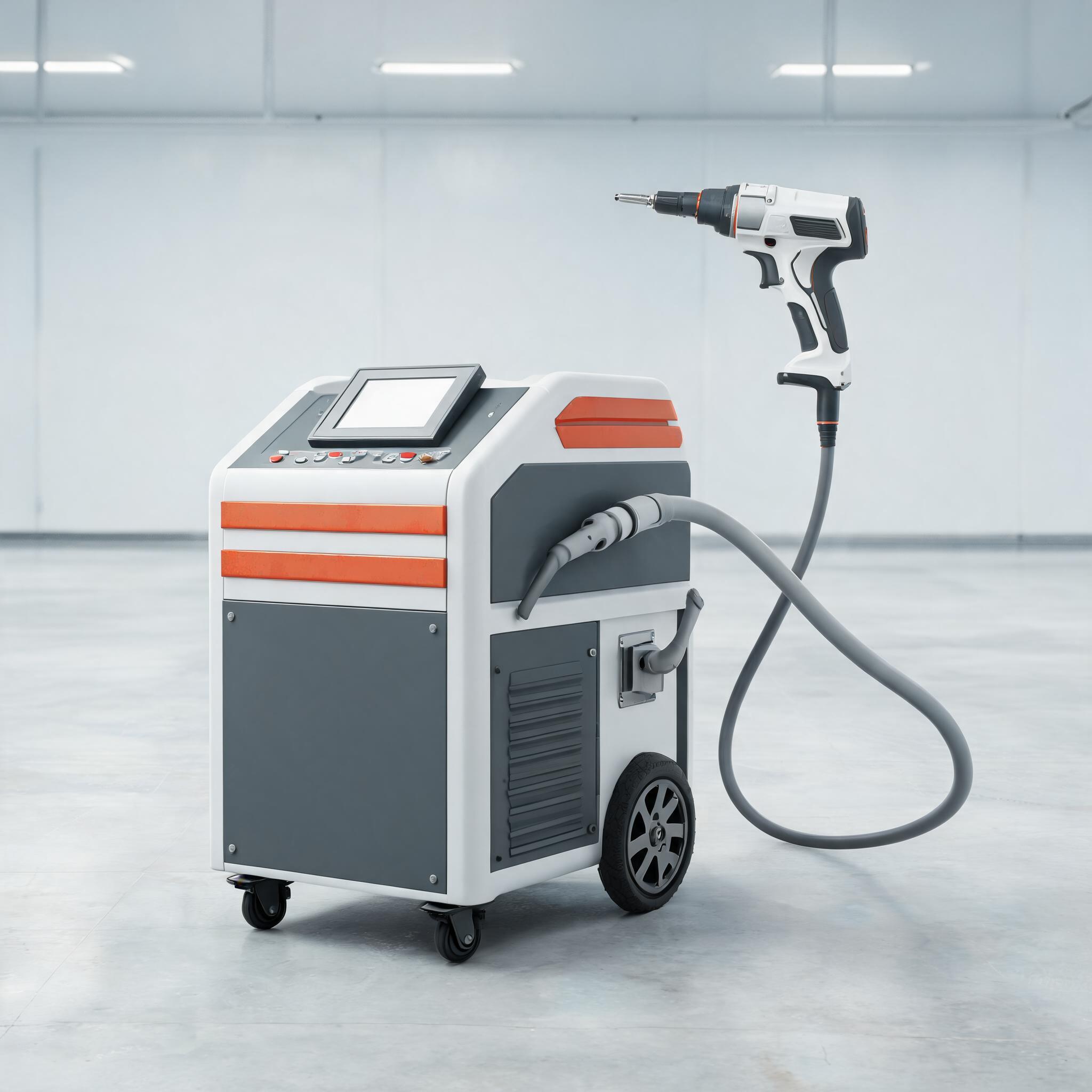
Hướng dẫn về máy hàn laser nhỏ cho xưởng nhỏ gọn và công việc sửa chữa chính xác, bao gồm các trường hợp sử dụng, kết hợp công suất-vật liệu, diện tích và tính di động, mức giá, và so sánh với máy hàn quy mô công nghiệp...
Hướng dẫn mua hàng
Không phải xưởng nào cũng cần một hệ thống hàn công nghiệp 3000W chiếm nửa diện tích sàn. Đối với các xưởng gia công nhỏ, doanh nghiệp sửa chữa và các xưởng chuyên về độ chính xác, máy hàn laser nhỏ có thể mang lại chất lượng mối hàn tương đương trên vật liệu mỏng với diện tích, chi phí và yêu cầu hạ tầng chỉ bằng một phần nhỏ. Hướng dẫn này giúp Quý khách xác định liệu máy hàn laser nhỏ gọn có phù hợp với hoạt động của mình hay không - và những điều cần lưu ý khi so sánh các lựa chọn.
Điều gì định nghĩa máy hàn laser “nhỏ”?
Trên thị trường hàn laser, “nhỏ” thường đề cập đến các máy kết hợp một hoặc nhiều đặc điểm sau:
- Công suất thấp hơn - thường từ 1000W đến 1500W, phù hợp với tấm kim loại mỏng và linh kiện chính xác
- Diện tích nhỏ gọn - nguồn laser, bộ làm mát và hệ thống điều khiển nằm gọn trong tủ nhỏ hơn hoặc cấu hình để bàn
- Tính di động - súng hàn cầm tay kết nối bằng cáp sợi quang, cho phép người vận hành đưa máy hàn đến phôi thay vì ngược lại
- Yêu cầu hạ tầng đơn giản hơn - nguồn điện một pha hoặc ba pha tiêu chuẩn, không cần nền móng chuyên dụng hoặc đường ống dẫn khí
Điểm khác biệt chính là “nhỏ” đề cập đến kích thước và dải công suất của máy, không phải chất lượng mối hàn. Một máy hàn laser nhỏ được thiết kế đúng cách mang lại chất lượng chùm tia và độ chính xác điều khiển tương đương hệ thống lớn hơn - nó chỉ hoạt động trong phạm vi độ dày hẹp hơn.
Ứng dụng thực tế cho máy hàn laser nhỏ
Máy hàn laser nhỏ gọn hoạt động xuất sắc trong các tình huống mà sự linh hoạt quan trọng hơn độ xuyên sâu thô:
- Gia công tấm kim loại: Nối các tấm thép không gỉ 0,5-3 mm cho thiết bị nhà bếp, tủ điện, ống thông gió và tấm trang trí
- Trang sức và linh kiện chính xác: Các mối hàn tinh tế trên chi tiết mỏng mà hàn hồ quang truyền thống sẽ gây biến dạng nhiệt không chấp nhận được
- Xưởng sửa chữa và bảo trì: Sửa chữa tại chỗ lan can thép không gỉ, khung nhôm, tấm kim loại và vỏ thiết bị
- Chi tiết trang trí và thân xe ô tô: Hàn các tấm ô tô mỏng, bộ phận ống xả và chi tiết trang trí nơi vùng ảnh hưởng nhiệt tối thiểu là rất quan trọng
- Sản xuất nguyên mẫu và sản xuất hàng loạt nhỏ: Thiết lập nhanh và định vị linh hoạt làm cho máy hàn nhỏ trở nên lý tưởng cho các công việc đơn lẻ và chạy ngắn hạn
- Sản xuất tủ và bồn rửa bằng thép không gỉ: Mối hàn sạch về mặt thẩm mỹ mà không cần mài hoặc đánh bóng - một lợi thế lớn so với hàn TIG
Kết hợp công suất và vật liệu cho máy hàn nhỏ gọn
Máy hàn laser nhỏ thường hoạt động trong dải 1000W-1500W. Dưới đây là cách công suất đó chuyển thành khả năng vật liệu thực tế:
| Vật liệu | Độ xuyên sâu tối đa 1500W | Ứng Dụng Điển Hình |
|---|---|---|
| Thép không gỉ | Lên đến 3 mm | Tủ, bồn rửa, lan can, thiết bị thực phẩm |
| Hợp kim nhôm | Lên đến 3 mm | Vỏ, khung, tản nhiệt |
| Hợp kim titan | Lên đến 2-3 mm | Linh kiện hàng không vũ trụ, thiết bị y tế |
| Thép mạ kẽm | Lên đến 2 mm | Tấm ô tô, ống dẫn khí |
Ví dụ, máy hàn laser sợi quang cầm tay 1500W của Xinhong CNC đạt độ xuyên sâu tối đa 3 mm trên thép không gỉ và nhôm với độ đồng đều mối hàn được giữ ở ±0,1 mm. Điều này có nghĩa là cùng một máy nhỏ gọn có thể xử lý mối nối bồn rửa thép không gỉ (thường 1-1,5 mm), mối nối vỏ nhôm (1-2 mm) và giá đỡ kết cấu dày hơn (lên đến 3 mm) mà không cần thay đổi phần cứng - chỉ cần chọn một cấu hình hàn đã lưu khác.
Tại sao ±0,1mm lại quan trọng: Trong các ứng dụng hàn thẩm mỹ (mối hàn nhìn thấy được trên sản phẩm thép không gỉ), độ đồng đều mối hàn ảnh hưởng trực tiếp đến việc mối hàn có thể để nguyên hay cần mài và đánh bóng. Hàn laser với độ đồng đều ±0,1mm thường tạo ra các mối hàn đủ sạch để bỏ qua hoàn toàn công đoạn hoàn thiện sau hàn - một khoản tiết kiệm chi phí nhân công đáng kể.
Diện tích và tính di động: Không gian như một yếu tố mua hàng
Đối với nhiều xưởng nhỏ, diện tích sàn bị hạn chế không kém ngân sách. Một hệ thống hàn laser nhỏ gọn thường chỉ cần 2-4 mét vuông diện tích sàn, bao gồm cả khu vực làm việc của người vận hành. So sánh với hệ thống hàn cổng cố định, có thể cần 10-20 mét vuông cộng với khoảng trống để nạp vật liệu.
Cấu hình cầm tay thêm một chiều hiệu quả không gian: vì súng hàn có thể di chuyển, Quý khách có thể hàn các phôi lớn hoặc có hình dạng phức tạp mà không vừa trong bất kỳ trạm làm việc kín nào. Phôi đứng yên; máy hàn di chuyển xung quanh nó. Điều này đặc biệt có giá trị cho:
- Hàn lắp đặt tại chỗ (lan can thép không gỉ, kim loại kiến trúc)
- Sửa chữa các cụm lớn không thể vận chuyển đến xưởng
- Hàn các bể lớn, bồn chứa hoặc ống dẫn được lắp ráp tại chỗ
Làm mát bằng tuần hoàn nước - tiêu chuẩn trên máy hàn 1500W của Xinhong CNC - hỗ trợ hoạt động liên tục hơn 8 giờ mà không quá nhiệt, làm cho nó thực tế cho sản xuất cả ca thay vì chỉ sử dụng ngắt quãng.
Máy hàn nhỏ so với hệ thống công nghiệp: Khi nào nên nâng cấp
Máy hàn laser nhỏ không phải là sự thay thế phổ quát cho các hệ thống lớn hơn. Hiểu ranh giới giúp Quý khách tránh mua thiếu (giới hạn năng lực gây khó chịu) hoặc mua thừa (chi phí và độ phức tạp không cần thiết).
| Yếu tố | Máy hàn laser nhỏ (1500W) | Hệ thống hàn công nghiệp (3000W+) |
|---|---|---|
| Độ xuyên sâu tối đa | Lên đến 3 mm | 6-8 mm hoặc hơn |
| Diện tích điển hình | 2-4 m² | 10-20 m² |
| Nguồn điện | Một pha/Ba pha | Ba pha công nghiệp |
| Tốt nhất cho | Tấm mỏng, sửa chữa, độ chính xác | Tấm dày, kết cấu, khối lượng lớn |
| Kỹ năng người vận hành | Trung bình (cầm tay) | Có thể lập trình (cố định) hoặc có kỹ năng (cầm tay) |
| Khoảng giá | Cấp độ đầu vào | Cao hơn đáng kể |
Điểm quyết định rất đơn giản: nếu 90% công việc hàn của Quý khách liên quan đến vật liệu 3 mm hoặc mỏng hơn, máy hàn nhỏ có thể xử lý công việc. Nếu Quý khách thường xuyên hàn 4 mm trở lên, Quý khách cần độ xuyên sâu mà chỉ hệ thống công suất cao hơn mới cung cấp.
Cân nhắc giá cho máy hàn laser nhỏ
Máy hàn laser nhỏ đại diện cho điểm khởi đầu của công nghệ hàn laser sợi quang. Mặc dù giá cụ thể phụ thuộc vào cấu hình, thương hiệu nguồn laser và phụ kiện đi kèm, một số yếu tố ảnh hưởng đến vị trí của một máy nhất định trong khoảng giá:
- Nguồn laser: Máy có nguồn IPG (sản xuất tại Mỹ) thường có giá cao hơn so với máy dùng nguồn RAYCUS hoặc GW. Cả ba đều đã được chứng minh trong sử dụng công nghiệp - sự lựa chọn thường phụ thuộc vào sở thích thương hiệu và sự sẵn có của hỗ trợ khu vực.
- Hệ thống làm mát: Làm mát bằng tuần hoàn nước (như trên mẫu 1500W của Xinhong CNC) tốn kém hơn làm mát bằng không khí nhưng cho phép hoạt động liên tục lâu hơn và ổn định nhiệt tốt hơn.
- Tính năng điều khiển: Dung lượng lưu trữ thông số (hơn 50 cấu hình trên mẫu Xinhong) và độ tinh vi của phần mềm ảnh hưởng đến giá.
- An toàn và tuân thủ: Chứng nhận CE và tuân thủ RoHS làm tăng chi phí sản xuất nhưng là bắt buộc đối với thị trường châu Âu.
- Gói dịch vụ sau bán hàng: Bảo hành, phụ tùng thay thế, đào tạo và hỗ trợ vận hành thường được đóng gói khác nhau giữa các nhà cung cấp.
Cách đáng tin cậy nhất để có được báo giá chính xác là liên hệ với nhà sản xuất với các yêu cầu cụ thể của Quý khách: loại vật liệu, dải độ dày, khối lượng hàn dự kiến hàng ngày và nguồn điện của cơ sở Quý khách.
Chứng nhận và đảm bảo chất lượng
Ngay cả ở cấp độ đầu vào, máy hàn laser là một khoản đầu tư vốn cần đáp ứng các tiêu chuẩn chất lượng được công nhận. Khi đánh giá máy hàn laser nhỏ, hãy xác minh:
- Chứng nhận ISO 9001:2015: Xác nhận nhà sản xuất vận hành hệ thống quản lý chất lượng. Tất cả máy của Xinhong CNC đều được sản xuất theo chứng nhận ISO 9001:2015.
- Chứng nhận CE: Bắt buộc đối với thiết bị bán ở Khu vực Kinh tế Châu Âu. Bao gồm an toàn điện, an toàn laser và tương thích điện từ.
- Tuân thủ RoHS: Đảm bảo máy không chứa các chất nguy hại bị hạn chế - ngày càng được người mua châu Âu yêu cầu.
- Chất lượng nguồn laser: Nguồn laser sợi quang từ các nhà sản xuất có uy tín (IPG, RAYCUS, GW) thường có tuổi thọ hơn 40.000 giờ với mức suy giảm tối thiểu.
- Linh kiện điện: Linh kiện cấp công nghiệp (Xinhong CNC sử dụng linh kiện Schneider Electric) cải thiện độ tin cậy lâu dài và tạo điều kiện bảo trì.
Đưa ra lựa chọn đúng đắn
Máy hàn laser nhỏ phù hợp khi công việc của Quý khách tập trung vào vật liệu mỏng (0,5-3 mm), không gian xưởng hạn chế và Quý khách coi trọng sự linh hoạt trong vận hành hơn độ xuyên sâu tối đa. Với hơn 50 cấu hình hàn và khả năng hoạt động liên tục hơn 8 giờ, máy hàn nhỏ có thể theo kịp nhu cầu sản xuất thực tế - với điều kiện Quý khách chọn đúng máy.
Hãy đánh giá độ dày vật liệu điển hình, diện tích sàn có sẵn và trình độ kinh nghiệm của người vận hành. Sau đó liên hệ với đội ngũ kỹ thuật của Xinhong CNC để được tư vấn phù hợp với yêu cầu kết nối cụ thể của Quý khách. Một máy hàn laser nhỏ được lựa chọn kỹ càng có thể là bản nâng cấp hiệu quả nhất về chi phí mà xưởng của Quý khách thực hiện trong năm nay.