
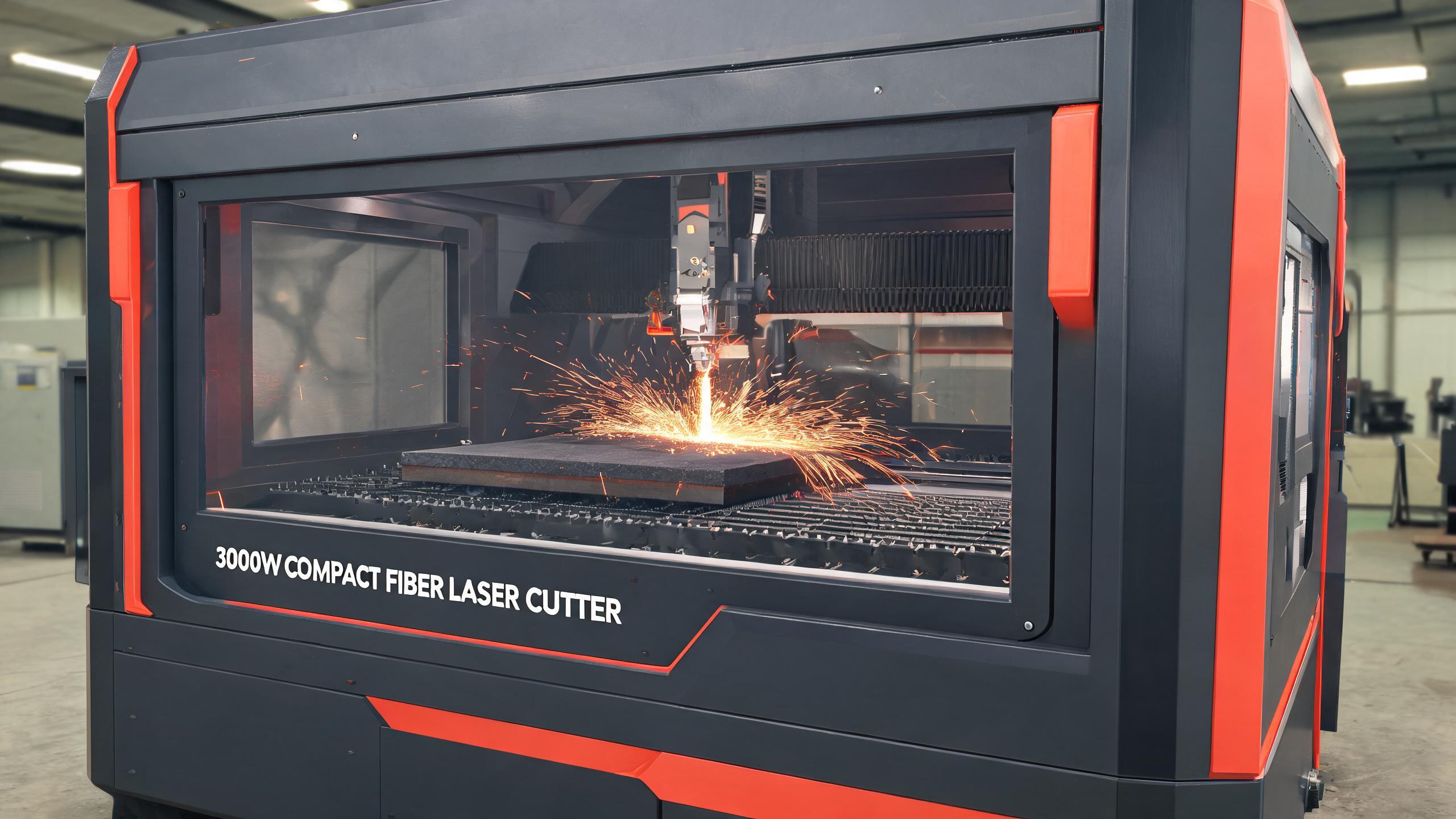
Ukuqhathanisa okunobuchwepheshe kwemishini yokusika ye-CNC fiber laser vs. izindlela ze-plasma, i-flame, nokubhoboza, okuhlanganisa ukunemba, isivinini, ikhwalithi yonqenqema, indawo ethintekayo ukushisa, izindleko zobunikazi, nokuthi iyiphi indlela efanele nini…
Kungani Ukuqhathanisa Umshini Wokusika We-Laser Ye-Fiber Ye-CNC Ngezindlela Zendabuko?
Uma utshala imali emishinini yokusika insimbi, kungenzeka ukuthi uke waqhathanisa i-fiber laser ne-plasma, ne-flame (oxy-fuel), nokubhoboza ngomshini. Indlela ngayinye inamandla ayo, kodwa i- CNC fiber laser cutting machine ishintshe ngokuyisisekelo ezomnotho zokucubungula amashidi namapuleti. Ukuqonda lapho ubuchwepheshe ngabunye buvelela khona—nalapho buhluleka khona—kukusiza ukugwema ukusebenzisa imali eningi kusixazululo esingalungile.
I-Shandong Xinhong CNC Technology Co., Ltd. ikhiqize imishini yokusika nge-fiber laser kusukela ngo-2005. Umugqa wethu wemikhiqizo usukela ku-500W kuya ku-30000W, okusinikeza ulwazi lwasemkhakheni olubonakalayo ngayo yonke indlela yokusika nezimo zezinto lapho ngayinye iphumelela noma yehluleka khona.
Ukuqhathanisa Okubheke Ngqo: I-CNC Fiber Laser vs. Plasma vs. Flame vs. Punching
| Isici | I-CNC Fiber Laser | I-Plasma | I-Flame (Oxy-Fuel) | Ukubhoboza |
|---|---|---|---|---|
| Ubukhulu obukhulu (insimbi yekhabhoni) | 70 mm (30000W) | ~50 mm | 150+ mm | ~8 mm |
| Ukunemba kokusika | ±0.02–0.05 mm | ±0.5–1.0 mm | ±1.0–2.0 mm | ±0.1 mm |
| Ikhwalithi yomphetho | Kuhlanzekile, akukho ama-burr, kuqondile | I-dross, unqenqema oluthambekile | Lukhuni, i-HAZ enkulu | Kuhlanzekile kodwa imikhawulo emisebenzini |
| Indawo ethintekayo ukushisa | Incane kakhulu (0.1–0.5 mm) | Emaphakathi (1–3 mm) | Enkulu (3–8 mm) | Incane (ngomshini) |
| Isivinini (insimbi yekhabhoni engu-3mm) | Ishesha kakhulu (15–20 m/min) | Isheshayo (6–8 m/min) | Ihamba kancane (0.5–1 m/min) | Isheshayo (umjikelezo wokushaya ngamunye) |
| Ukuguquguquka kwezinto | Insimbi, i-SS, i-aluminium, ithusi, i-brass | Izinsimbi eziqhubayo kuphela | Insimbi yekhabhoni kuphela | Kulinganiselwe amathuluzi |
| Amathuluzi/izinto ezisetshenziswayo | Ilensi evikelayo, i-nozzle, igesi yokusiza | Ama-electrode, ama-nozzle, igesi | Ama-torch, igesi (izindleko eziphansi) | Amathuluzi okubhoboza angokwezifiso ngesimo ngasinye |
| Ukuqedela okwesibili | Ngokuvamile akukho | Ukugaya ukususa i-dross | Ukususa i-scale, ukugaya | Ukususa ama-burr |
| Ukusetshenziswa okungcono kakhulu | Izinto zensimbi ezincanyana, izingxenye ezinembayo, izinto ezixubile | Ipulethi elijiyile, ukunemba okuphansi | Ipulethi elijiyile kakhulu (100mm+) | Izimbobo/izimo eziphindaphindwayo ezinomthamo omkhulu |
Izinzuzo Ze-CNC Automation Zokusika Nge-Fiber Laser
Igama elithi “CNC” kumshini wokusika we-CNC fiber laser lisho ukulawulwa kwekhompyutha—umshini ulandela indlela ehleliwe ngokunemba okulinganiselwa kuma-micron. Lokhu kusebenza ngokuzenzakalelayo kunikeza izinzuzo eziningana kunezindlela zendabuko:
- Ukuhlanganiswa kwesofthiwe ye-nesting: Isoftware ye-CypCut CAM ihlela ngokuzenzakalelayo izingxenye eshidini ukuze ikhulise ukusetshenziswa kwezinto, kunciphise ukumosheka ngo-10–30% uma kuqhathaniswa nokuhlelwa ngesandla.
- Ukuhlela imisebenzi ngamaqoqo: Faka izinhlelo zokusika eziningi emgqeni futhi umshini uzisebenze ngokulandelana ngaphandle kokungenelela kwe-opharetha—ukukhulisa isikhathi sokusebenza ngezinsuku ezinama-oda amaningi.
- Akukho ukushintsha kwamathuluzi: Ngokungafani nokubhoboza, okudinga amathuluzi ahlukene ngebanga noma isimo ngasinye, i-fiber laser isika noma iyiphi i-geometry ngomugqa owodwa. Akukho okokugcina amathuluzi, akukho sikhathi sokulungiselela phakathi kokushintsha izingxenye.
- Ukulungiswa kwepharamitha ngesikhathi sangempela: Isilawuli se-CNC silungisa isivinini sokudla, amandla, nokucindezela kwegesi ngesikhathi, sihlehlise emakhoneni nasezingxenyeni ezijiyile kuyilapho sigcina isivinini emgqeni oqondile.
- Ukuqapha okukude: I-Schneider Electric PLC enokuxhumana kwe-Ethernet inika amandla ukurekhodwa kwedatha yokukhiqiza, ukuxilongwa kude, nokuhlanganiswa nezinhlelo zokuphatha izimboni.
Lapho Izindlela Zendabuko Zisasebenza Khona
I-Fiber laser ayilona njalo ikhetho elingcono kakhulu. Nazi izimo lapho izindlela zendabuko zigcina khona inzuzo:
- Ukusika nge-flame kwepulethi elijiyile kakhulu (100mm+): Ngensimbi yekhabhoni engaphezu kuka-100mm, i-oxy-fuel isalokhu inezindleko eziphansi. Ngisho ne-30000W fiber laser ifinyelela kuphela ku-70mm wensimbi yekhabhoni.
- Ukubhoboza ngezimo eziphindaphindwayo ezinomthamo omkhulu kakhulu: Uma ukhiqiza izigidi zama-washer noma ama-bracket afanayo, umshini wokubhoboza ngomshini unezindleko eziphansi zengxenye ngayinye kunokusika nge-laser ngenxa yomjikelezo wawo osheshayo ezimweni ezilula.
- I-Plasma yokusika okujiyile okunesabelomali esincane: Uma ikhwalithi yonqenqema ingabalulekile futhi isabelomali sincishisiwe, ukusika nge-plasma kusingatha insimbi yekhabhoni engu-20–50mm ngezindleko eziphansi zempahla kune-fiber laser.
Izindleko Zobunikazi: I-Fiber Laser vs. Plasma Eminyakeni Emi-5
| Isici Sezindleko (Iminyaka Emi-5) | I-3000W Fiber Laser | I-Plasma (umthamo olinganayo) |
|---|---|---|
| Izindleko zokuqala zempahla | Phezulu | Kuphansi |
| Izinto ezisetshenziswayo (ama-electrode, ama-nozzle) | Kuncane (ilensi, i-nozzle) | Kuphezulu (ukushintshwa njalo) |
| Umsebenzi wokuphelisa owesibili | Cishe akukho | Ubalulekile (ukugaya, ukususa ama-burr) |
| Ukumosheka kwezinto (i-kerf + i-scrap) | Kuphansi (i-kerf encane, i-nesting ehlakaniphile) | Kuphezulu (i-kerf ebanzi, ukuhlelwa ngesandla) |
| Isikhathi sokuphila komthombo we-laser | Amahora angaphezu kuka-50,000 (ishubhu elivaliwe) | Akukho (ama-electrode asetshenziswayo) |
| Izindleko zizonke zeminyaka emi-5 | Kuphansi (naphezu kokukhokha okuphezulu ekuqaleni) | Kuphezulu (izinto ezisetshenziswayo + ukuqeda) |
Ukuze uthole ukuqhathanisa okungokoqobo kokusika, ungabuka amavidiyo ahlobene ku-YouTube ngokusesha “fiber laser vs plasma cutting speed comparison” ukuze ubone imiboniso eceleni kokubili yekhwalithi yonqenqema nesivinini sokusika.
Yonke i-CNC fiber laser cutting machine evela ku-Xinhong inesitifiketi se-CE, yakhiwe ngemithombo ye-laser ye-IPG/RAYCUS/GW, izinhlelo zokulawula ze-Schneider Electric, futhi isekelwa ukuphathwa kwekhwalithi kwe-ISO 9001:2015. Noma ngabe ubuyisela i-plasma, i-flame, noma impahla yokubhoboza, xhumana nathi ukuze sixoxe ngezinhlobo zakho zezinto, ububanzi bobukhulu, nomthamo wokukhiqiza ukuze sithole isixazululo se-fiber laser esikulungele.
Izindatshana Ezihlobene Kule Sichungechunge
- Umshini Wokusika Insimbi Nge-Laser: Ungakukhetha Kanjani Amandla Afanele Amapuleti Akho Ensimbi?
- Umshini Wokusika Amashidi Ensimbi Nge-Laser: Umhlahlandlela Ophelele Womthengi Wonyaka ka-2026
- Umshini Wokusika Nge-Fiber Laser we-CNC: Izici Eziyinhloko Zokwenza Insimbi Enzima
- Imishini Emihlanu Yokusika Nge-Fiber Laser Ye-Stainless Steel Ngo-2026
Izixhumanisi ezindatshaneni ezihlobene zizongezwa lapho zonke izindatshana kule sichungechunge sezishicilelwe.