
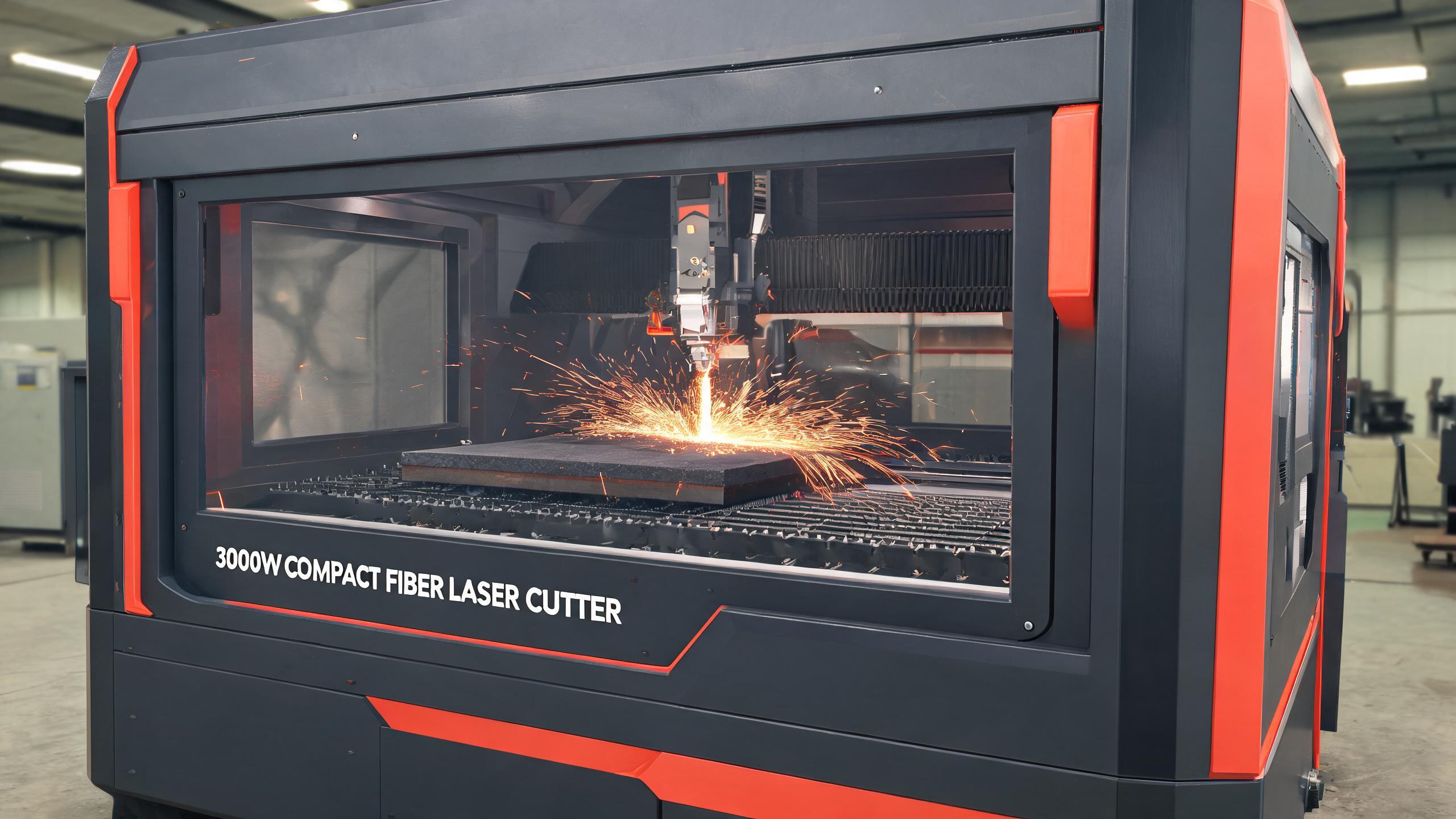
Ukuhlukaniswa kwezindleko zokuba nomshini (TCO) wemishini yokusika ye-fiber laser, okuhlanganisa ukuthenga kokuqala, ukusetshenziswa kukagesi ngamazinga amandla, izindleko zegesi yokusiza, ukunakekela nezinto ezisebenzayo, kanye namasu okwehlisa izindleko.…
Izindleko Zomshini Wokusika Nge-Laser Ye-Fiber: Ukuhlukaniswa Kwezindleko Zobunikazi Obuphelele
Intengo yokuthenga umshini wokusika nge-laser ye-fiber iwukuqala nje. Ukuze uqonde izindleko zangempela zomshini wokusika nge-laser ye-fiber, udinga ukubheka izindleko zobunikazi (TCO) — isamba sokutshalwa kwezimali kokuqala, ugesi, igesi yokusiza, ukunakekela, abasebenzi, nezinto ezisetshenziswayo phakathi nesikhathi sokusebenza komshini. Abathengi abagxila kuphela entengweni ebonakalayo bavame ukuthola ukuthi izindleko zokusebenza zengeza u-50–150% esilinganisweni esiphelele phakathi nesikhathi seminyaka emi-5–10. Lo mhlahlandlela uhlukanisa ingxenye ngayinye yezindleko ukuze ukwazi ukuhlela isabelomali ngokunembile.
Kungani Izindleko Zobunikazi Zibalulekile
Umshini wokusika nge-laser ye-fiber uwutshalo bezimali lweminyaka engu-10+. Umshini okhetha wona namuhla uzokhipha izindleko zokusebenza nsuku zonke lapho usebenza. Ukuqonda i-TCO kukusiza ukuthi:
- Uqhathanise imishini ngokufanele — umshini onentengo ephansi kodwa osebenzisa amandla amaningi kanye nezindleko zezinto ezisetshenziswayo ungabiza kakhulu eminyakeni emi-5 kunemodeli ephezulu
- Uthethelele utshalo bezimali kubabambiqhaza bezezimali ngezinombolo eziphathekayo
- Ukhombe amathuba okonga izindleko ekukhetheni igesi, ekuhlelweni kokunakekela, nasekuhlelweni kokukhiqiza
- Unqume izinga lamandla elifanele lomthamo wakho wokukhiqiza ukuze ugweme ukukhokhela amandla ongawasebenzisi
Ukuhlukaniswa Kwezindleko Ze-TCO
Ithebula elingezansi libonisa izigaba ezinkulu zezindleko ezakha izindleko zobunikazi nokusebenza komshini wokusika nge-laser ye-fiber. Amaphesenti ayinkomba futhi ayahluka ngokwezinga lamandla, izindlela zokusebenzisa, namazinga ezinsiza zendawo.
| Isigaba Sezindleko | Incazelo | Isabelo Esijwayelekile Se-TCO (Iminyaka emi-5) | Okuguquguqukayo noma Okungaguquki |
|---|---|---|---|
| Ukuthenga kokuqala | Umshini, umthombo we-laser, isistimu yokulawula, indawo evalekile | 40–55% | Okungaguquki (kanye kuphela) |
| Ugesi | Amandla omthombo we-laser, i-chiller, i-air compressor, i-exhaust fan, i-CNC controller | 15–25% | Okuguquguqukayo (kuncike ekusetshenzisweni) |
| Igesi yokusiza | I-oxygen yensimbi enkhaboni; i-nitrogen yensimbi engagqwali / ukusika okungenayo i-aluminium oxide | 10–20% | Okuguquguqukayo (kuncike ezintweni nagesi) |
| Ukunakekela nezinto ezisetshenziswayo | Amalensi okuvikela, ama-nozzle, izihlungi, ama-lubricant, uketshezi lwe-chiller, ukushintshwa kwebhande | 5–10% | Okungaguquki kancane |
| Umsebenzi womsebenzi | Amaholo abasebenzi bomshini, ukuqeqeshwa, isikhathi sokuhlela | 10–20% | Okuguquguqukayo (kuncike ekushintsheni) |
| Izindawo nezinsiza | Isikhala saphansi, ukufakwa kukagesi, ukungena komoya, ukugcina igesi | 3–8% | Okungaguquki (okuphindwayo) |
Ukusetshenziswa Kukagesi Ngokwezinga Lamandla
Ugesi ungenye yezindleko ezinkulu eziqhubekayo zokusebenza. Ukusebenza kahle kwe-wall-plug ye-fiber laser (ngokuvamile 25–35%) kusho ukuthi umthombo we-laser ongu-3000W udonsa cishe u-9–12 kW kagesi ngesikhathi sokusika, kanye namandla engeziwe e-chiller, compressor, nesistimu yokukhipha umoya.
| Amandla Omishini | Amandla Aphelele Acishe Afane (Ukusika) | Izinto Ezidla Amandla Ezibalulekile |
|---|---|---|
| 500W | ~3–4 kW | Umthombo we-laser, i-chiller encane, i-air compressor, i-controller |
| 1000W | ~5–7 kW | Umthombo we-laser, i-chiller, i-compressor, i-exhaust fan |
| 3000W | ~12–18 kW | Umthombo we-laser, i-chiller enezinga lokushisa eliphindwe kabili, i-screw compressor, isistimu yokukhipha umoya |
| 6000W | ~25–35 kW | Umthombo we-laser onamandla aphezulu, i-chiller yezimboni, i-compressor enkulu |
| 12000W | ~50–70 kW | Umthombo wamandla aphezulu kakhulu, i-chiller enemijikelezo emithathu, isistimu yegesi enomfutho ophezulu |
| 30000W | ~120–150 kW | Umthombo we-laser oyinhloko, i-chiller yezimboni enemijikelezo emithathu, izinsiza ezigcwele ezingezekile |
Ithiphu yokonga izindleko: Izindleko zikagesi zihambisana ngqo namahora okusika. Uma indawo yakho isebenza amahora ama-4 ngosuku vs. amahora angu-8 ngosuku, izindleko zakho zikagesi zonyaka ziyancipha ngesigamu. Ukukala kahle amandla omshini wakho ngokwezidingo zangempela zobukhulu bento yakho kuyindlela ephumelela kakhulu yokulawula i-TCO.
Izindleko Zegesi Yokusiza: Okuguquguqukayo Okukhulu
Igesi yokusiza ivamise ukuba yizindleko ezinganakwa kakhulu. Igesi okhetha yona ithinta kokubili ikhwalithi yokusika kanye nezomnotho zokusebenza:
- Umoya (ocindezelwe): Izindleko eziphansi — kufaneleka ensimbi enkhaboni encane nokusika okungabalulekile. Kudinga i-screw air compressor ehlanzekile, eyomile, ene-dryer ne-filtration ehlanganisiwe.
- I-Oxygen: Izindleko eziphakathi — isetshenziselwa ukusika insimbi enkhaboni lapho i-oxidation isiza inqubo yokusika. Ijubane lokusika elisheshayo ensimbi enkhaboni ewugqinsi ngokwengxenye linciphisa izindleko zegesi.
- I-Nitrogen: Izindleko eziphezulu kakhulu — ibalulekile ekusikeni okungenayo i-oxide kwensimbi engagqwali ne-aluminium. I-nitrogen ewuketshezi eningi noma ukukhiqizwa kwe-nitrogen ye-PSA endaweni yizinketho ezimbili zokuhlinzeka.
Umkhiqizi we-nitrogen we-PSA unganciphisa kakhulu izindleko ze-nitrogen ngokuhamba kwesikhathi ngokukhiqiza i-nitrogen yezinga lokusika (ukuhlanzeka okungu-99.9%) emoyeni womkhathi. Nakuba kwengeza ekutshalweni kwezimali kokuqala, isikhathi sokubuyiselwa kwezimali ngokuvamile siyizinyanga eziyi-12–24 ezindaweni ezisika insimbi engagqwali njalo.
Ukunakekela Nezinto Ezisetshenziswayo
Ukunakekela okuvamile kuvikela utshalo bakho bezimali futhi kuvimbela ukuphazamiseka okubizayo okungahleliwe. Izinto ezisetshenziswayo ezibalulekile nezikhathi zazo zokushintshwa ezijwayelekile:
| Into Esetshenziswayo / Inkonzo | Isikhathi Esijwayelekile Sokushintshwa | Umthelela Wokweqa |
|---|---|---|
| Ilensi yokuvikela | Amahora okusika angu-200–500 (kuncike ezintweni) | Ikhwalithi yokusika empofu; ingozi yokulimala kwelensi yokugxilisa |
| I-Nozzle | Amahora okusika angu-100–300 | Ukugeleza kwegesi okungahambisani; ukunqwabelana kwe-dross |
| Uketshezi lwe-chiller nesihlungi | Izinyanga eziyi-6–12 | Ukungazinzi kokushisa; ukuvikelwa komthombo we-laser kuyonakala |
| Ukugcoba ama-linear guide | Njalo ngenyanga (amafutha), njalo ngekota (uwoyela) | Ukugqoka kwezinsimbi okusheshayo; ukulahlekelwa ukunemba kokuma |
| Izihlungi ze-air compressor | Izinyanga eziyi-3–6 (i-pre-filter), izinyanga eziyi-12 (i-fine filter) | Umoya wokusiza ongcolile; ukulimala kwelensi ne-nozzle |
| Izihlungi zokukhipha intuthu | Izinyanga eziyi-6–12 (i-cartridge), izinyanga eziyi-12–24 (i-HEPA) | Izinkinga zekhwalithi yomoya endaweni yokusebenzela; ukungathobeli imithetho |
Ukuqhathaniswa Kwe-TCO: Ukuhlaziywa Kwezigaba Zamandla
Amazinga amandla ahlukene anamaphrofayili ezindleko zokusebenza ahluke kakhulu. Ithebula elingezansi libonisa ukuthi i-TCO ikhula kanjani ngamandla omshini:
| Isici Sezindleko | Izinga Lokungena (500W–2000W) | Izinga Eliphakathi (3000W–6000W) | Izinga Lezimboni (12000W–30000W) |
|---|---|---|---|
| Ukutshalwa kwezimali kokuqala | Izinga eliphansi kakhulu | Izinga eliphakathi | Izinga eliphezulu kakhulu |
| Izindleko zikagesi zansuku zonke | Ziphezulu (~3–7 kW draw) | Ziphakathi (~12–35 kW draw) | Ziphezulu kakhulu (~50–150 kW draw) |
| Ukusetshenziswa kwegesi | Kuphansi (umoya noma amavolumu amancane e-O2) | Kuphakathi (O2 noma N2, amazinga okugeleza aphezulu) | Kuphezulu (N2 enomfutho ophezulu wepuleti eliwugqinsi) |
| Izindleko zezinto ezisetshenziswayo ngenyanga | Ziphezulu (amalensi amancane, ukusetshenziswa kwegesi okuphansi) | Ezimaphakathi | Ziphezulu kakhulu (ama-optics amakhulu, ivolumu yegesi ephezulu) |
| Ubunkimbinkimbi bokunakekela | Okulula, izinga lomsebenzi | Okuphakathi, enye insebenzo yochwepheshe | Iyinkimbirizi, kudinga ukuhambela kochwepheshe okuhleliwe |
| Izinga lekhono lomsebenzisi | Izinga lokungena (isoftware ye-CypCut, elula ukuyiqonda) | Iphakathi (ukuhlela ngeqoqo, ukuphathwa kwegesi) | Aphakeme (amasisitimu egesi amaningi, ukuphathwa kokukhiqiza) |
Amasu Okwehlisa Izindleko Zokusebenza
- Tshala imali kumshini wokukhiqiza i-nitrogen we-PSA uma usika insimbi engagqwali njalo-inkokhelo izobuyela phakathi kwezinyanga eziyi-12–24 uma uqhathanisa nokulethwa kwe-nitrogen ngobuningi.
- Sebenzisa isoftware yokuhlela ukusika (njenge-CypCut's auto-nesting) ukuze wandise ukusetshenziswa kwezinto futhi wehlise ubude bendlela yokusika ngesiqeshana ngasinye.
- Hlela ukukhiqiza ngeqoqo ukuze unciphise imijikelezo yokufudumala komshini nesikhathi sokushintsha.
- Gcina uhlelo oluqinile lokushintsha izinto ezisebenzayo-ukubambezela ukushintshwa kwelensi noma kwe-nozzle ukuze wonge imali kuholela ekusikeni okungekuhle okudinga ukwenziwa kabusha, okubiza kakhulu ngomsebenzi nezinto.
- Khetha igesi elungile yokusiza kumsebenzi ngamunye: sebenzisa umoya wensimbi encane enkhaboni, i-oxygen yensimbi enkulu enkhaboni, ne-nitrogen kuphela lapho kudingeka imiphetho engena-oxide.
- Linganisa umshini wakho ngokufanele: Umshini ongu-3000W osika ishidi elingama-3mm umosha ugesi negesi uma uqhathanisa nesistimu engu-1000W efanele. Linganisa amandla nobukhulu bezinto ozijwayele.
Ukuze uthole ukuqhathaniswa kwamanani eningiliziwe emazingeni amandla, funda Intengo Yomshini Wokusika Nge-Laser Ye-Fiber: Umhlahlandlela Wamanani Entengo ka-2026 Ngamandla Nohlobo. Ukuze uqhathanise utshalomali lomshini wokuqala nolwezimboni, bheka Intengo Yomshini Wokusika Nge-Laser Ye-Fiber: Ukuqhathanisa Izinga Lokungena vs. Amamodeli Ezimboni.
Ungaphinde ubuke amavidiyo ahlobene ku-YouTube-sesha “fiber laser operating cost” noma “laser cutting TCO analysis” ukuze uthole iziqeshana zevidiyo eziphula izindleko zangempela zokusebenza kubanikazi bezindawo zokukhiqiza.
Izindatshana Ezihlobene Kule Sichungechunge
- Intengo Yomshini Wokusika Nge-Laser Ye-Fiber: Umhlahlandlela Wamanani Entengo ka-2026 Ngamandla Nohlobo
- I-Fiber Laser entsha vs. Esetshenzisiwe Ethengiswayo: Iyiphi Efanele I-Workshop Yakho?
- Umshini Wokusika Nge-Laser Ye-Fiber Osetshenzisiwe: Izingozi, Izinzuzo, Nohlu Lokuhlola Ngaphambi Kokuthenga
- Intengo Yomshini Wokusika Nge-Laser Ye-Fiber: Ukuqhathanisa Izinga Lokungena vs. Amamodeli Ezimboni