
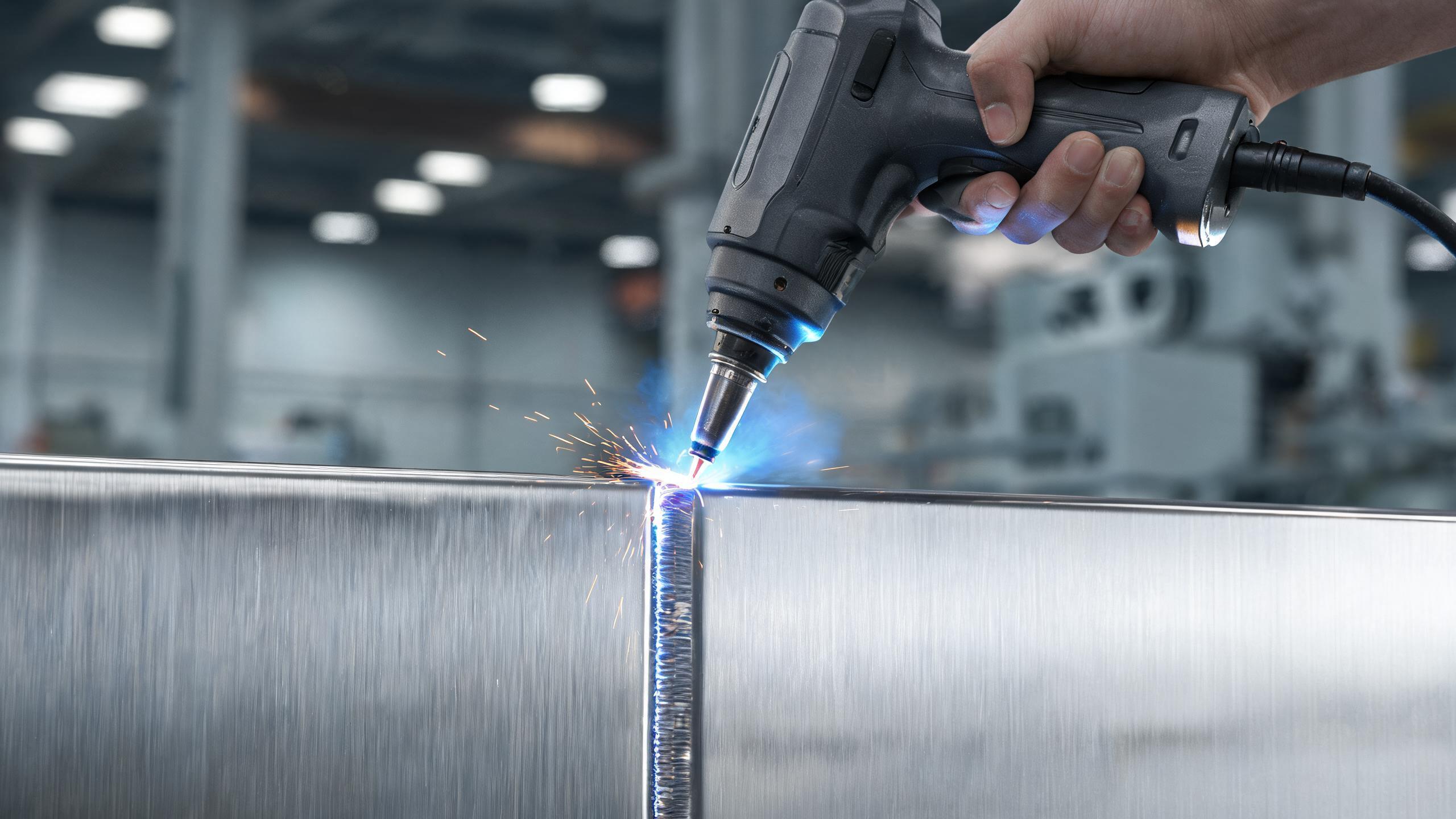
Ukuhlukaniswa okusebenzayo kokuthi imishini yokushisela nge-laser ephethwe ngesandla engu-1000W–3000W ibhekana kanjani nobukhulu obuhlukene bensimbi engagqwali, ngezicaciso zangempela zokungena, ukungaguquguquki komthungo, nokupholisa.
Kungani Ubukhulu Bebalulekile Ekushiseleni Nge-Laser Okuphethwe Ngesandla
Lapho uhlola umshini wokushisela nge-laser ophathwayo wensimbi engagqwali umsebenzi, omunye wemibuzo yokuqala eza ezingqondweni ulula kodwa ubalulekile: ingashisela ukujula okungakanani? Impendulo inquma ukuthi imodeli ethile iyahlangabezana yini nezidingo zakho zokukhiqiza noma iyahluleka ngaphambi kokudlula kokuqala. Ikhono lokujula lilawulwa inhlanganisela yamandla e-laser, ikhwalithi ye-beam, isivinini sokuhamba, nokuphathwa kokushisa - hhayi nje inombolo ye-watt ekhasini lezicaciso.
Lo mhlahlandlela uhlukanisa ubudlelwano phakathi kwamandla e-laser nokujula kwensimbi engagqwali, uchaze lokho ongalindela ngokoqobo emazingeni ahlukene amandla, futhi akusize ukuthi ufane namshini ofanele ububanzi bakho obujwayelekile bezinto.
Amazinga Amandla Nokuthi Asho Ukuthini Ngokujula
Imishini yokushisela nge-laser ye-fiber ephethwe ngesandla inikezwa ngezinhlobonhlobo zamandla okukhiphayo. E-Shandong Xinhong CNC Technology Co., Ltd, umugqa womkhiqizo wamanje uhlanganisa amamodeli angu-1000W, 1500W, 2000W, kanye no-3000W. Izinga ngalinye lamandla lihambisana nomkhawulo ophezulu wokujula - ubukhulu obukhulu bezinto i-laser engakwazi ukungena ngokugcwele kubo ngokudlula okukodwa ngaphansi kwezimo ezijwayelekile zokusebenza.
1000W: Umsebenzi Wensimbi Encane Nokunembile
I-1000W umshini wokushisela nge-laser ophathwayo ifaneleka kahle kumashidi amancane ensimbi engagqwali asukela ku-0.5 mm kuya ku-1.5 mm. Izinhlelo zokusebenza ezijwayelekile zihlanganisa izitsha zasekhishini, izivalo zezinto zikagesi, imihlobiso, nokwakhiwa okulula lapho ukufudumala kufanele kugcinwe kuphansi ukuze kugwenywe ukuphambuka. Kuleli zinga lamandla, imithungo yokushisela ihlanzekile futhi incane, kodwa umshini uzobe usenkingeni ukuthola ukungena okugcwele ezintweni ezijiyile.
1500W: Indawo Emaphakathi Eguquguqukayo
Imodeli engu-1500W iyona nketho elinganiselayo kakhulu emgqeni. Inikeza ukungena okuphezulu kuka-3 mm ensimbi engagqwali naku-aluminium, okwenza ifanelekele uhla olubanzi lwemisebenzi yokwakha - kusukela kumakhabete ensimbi kuya kuma-bracket esakhiwo namajoyinti e-pipe-to-plate. Umshini ongu-1500W ufinyelela ukungaguquguquki komthungo wokushisela okungu-±0.1 mm, okusho ukuthi ukushisela okuphindwayo kugcina ububanzi obufanayo be-bead nokujula kokungena ngaphakathi kwengxenye yemilimitha. Leli zinga lokuphindaphinda libalulekile ezindaweni zokukhiqiza lapho ikhwalithi yejoyinti kufanele ifane kumakhulu ezingxenye.
2000W: Ukunyathela Kuya Ezintweni Ezijiyile
Imodeli engu-2000W inweba ububanzi obusebenzayo bokujula ngaphezu kwalokho i-1500W engakwazi ukubamba, iqondise ensimbi engagqwali esukela ku-3–4 mm. Lona yindawo lapho uqala khona ukushisela ama-bracket asindayo, izingxenye zohlaka, namathangi anezindonga ezijiyile. Amandla engeziwe asho nokushelela ngesivinini esisheshayo kubukhulu obumaphakathi, okungathuthukisa umkhiqizo emisebenzini enevolumu ephezulu.
3000W: Ukushisela Okunzima
Ku-3000W, i- umshini wokushisela nge-laser ophathwayo ifinyelela esicongweni somugqa wamanje womkhiqizo. Leli zinga lamandla liklanyelwe ipuleti lensimbi engagqwali ejiyile - ngokuvamile 4 mm nangaphezulu - futhi liphatha izinhlelo zokusebenza ezidingayo njengokwakhiwa okunzima kwesakhiwo, ukushisela amapayipi anezindonga ezijiyile, nokwakhiwa kwamathangi ezimboni. Umshini ongu-3000W ugcina ikhwalithi ye-beam emandleni aphezulu, kodwa futhi udinga isistimu yokupholisa eqinile ukuze kuqhubeke ukusebenza okuqhubekayo.
Iqhaza Lokupholisa Ekusebenzeni Okujulile Okuqhubekayo
Izilinganiso zokujula okuphezulu zikalwa ngaphansi kwezimo ezilawulwayo. Ekukhiqizeni kwangempela, okubalulekile ngokufanayo ukuthi umshini ungakwazi yini ukubamba lokho kusebenza isikhathi eside. Wonke amamodeli emugqeni we-Xinhong asebenzisa isistimu yokupholisa ngamanzi esekela ukusebenza okuqhubekayo kwamahora angu-8 noma ngaphezulu. Lokhu akuyona imininingwane encane: umshini wokushisela oshisa ngokweqile ngemva kwamahora amabili ukusebenza, okukwenza ume, ulinde, futhi ulahlekelwe umkhiqizo. Ukupholisa ngamanzi kususa ukushisa emthonjeni we-laser ngokuqhubekayo, okuvumela umshini ukuthi ugcine amandla agcwele okukhiphayo - ngakho-ke ikhono eliphelele lokujula - usuku lonke lokukhiqiza.
Okushiwo Ukungaguquguquki Komthungo Okungu-±0.1 mm Ngokoqobo
Isilinganiso sokungaguquguquki komthungo wokushisela esingu-±0.1 mm kumodeli engu-1500W kufanele sichazwe. Kusho ukuthi uma usebenzisa imingcele efanayo yokushisela ezintweni ezifanayo, ububanzi be-bead yomthungo nokujula kokungena kuhlala ngaphakathi kwebhandi lokubekezelela elingu-0.1 mm. Kokwakhiwa kwensimbi engagqwali, lokhu kuhumushela ku:
- Amandla ejoyinti angaguquki kuwo wonke amaqembu okukhiqiza, kunciphisa ubungozi bemithungo ebuthakathaka ehluleka ekuhlolweni kwekhwalithi.
- Ukuqedela okubikezelwayo ngemva kokushisela - usayizi we-bead ofanayo usho ukugaya nokupholisha okuncane, konga isikhathi sabasebenzi.
- Imiphumela ephindaphindekayo kubasebenzi bamazinga ahlukene amakhono, ngoba ukuzinza komshini kunxephezela umehluko omncane ngesivinini sesandla.
Insimbi Engagqwali vs. Aluminium: Izinto Ezahlukene, Umshini Ofanayo
Ukungena okuphezulu kuka-3 mm kwemodeli engu-1500W kusebenza kukho kokubili insimbi engagqwali ne-aluminium. Nokho, lezi zinto ezimbili ziziphatha ngokwehlukile ngaphansi kwe-laser. Insimbi engagqwali imunca amandla e-laser kahle futhi ivamise ukukhiqiza amachibi okushisela ahlanzekile, alawulekayo. I-aluminium inokukhanya okuphezulu nokushisa okuhamba kahle, okusho ukuthi kudingeka amandla amaningi ukuze kufinyelelwe ekujuleni okufanayo - futhi imingcele efana nendawo yokugxilisa nesivinini sokuhamba ingadinga ukulungiswa. Uma umsebenzi wakho ubandakanya kokubili lezi zinto, lindela ukulungisa imingcele yokushisela lapho ushintsha phakathi kwazo.
Ukukhetha Amandla Afanele Ububanzi Bakho Bokujula
Ukukhetha umshini wokushisela we-laser ophethwe ngesandla ofanele kwehlela ekufaniseni amandla nobukhulu bezinto zakho ezijwayelekile, hhayi umsebenzi wakho wezikhathi ezithile ojule kakhulu. Indlela esebenzayo:
- Uma u-80%+ womsebenzi wakho kuyinsimbi engagqwali engu-0.5–1.5 mm, umshini ongu-1000W wanele futhi unonga kakhulu.
- Uma ububanzi bakho obujwayelekile busuka ku-1–3 mm, imodeli engu-1500W inikeza ibhalansi engcono kakhulu yamandla, ukungaguquguquki, nenani.
- Uma ushisela njalo izinto ezingama-3–4 mm, nyukela ku-2000W ukuze uqinisekise ukungena okugcwele ngaphandle kokunciphisa isivinini sakho sokuhamba.
- Uma umsebenzi wakho ubandakanya ipuleti elingaphezu kuka-4 mm, imodeli engu-3000W iyona nketho efanele.
Ukuthenga amandla amaningi kunalokho okudingayo kukhulisa izindleko zokuqala ngaphandle kokuletha izinzuzo ezilinganayo. Ukuthenga amandla amancane kakhulu kusho ukuthi uzophusha umshini emkhawulweni wawo kukho konke ukushisela okujiyile, okungaphazamisa ikhwalithi yokushisela futhi kunciphise isikhathi sokuphila kwemishini.
Izitifiketi Nokuqinisekiswa Kwekhwalithi
Imishini yokushisela nge-laser ephethwe ngesandla emugqeni womkhiqizo we-Xinhong ithwala izitifiketi ze-CE ne-RoHS, futhi inkampani isebenza ngaphansi kokuphathwa kwekhwalithi kwe-ISO 9001:2015. Lezi zitifiketi akuzona nje amaphepha - zibonisa ukuthi imishini ihlangabezana namazinga okuphepha nawemvelo asunguliwe adingekayo ukuze ingene ezimakethe zaseYurophu nezamazwe ngamazwe. Kubathengi abathenga imishini yokukhiqiza okugxilwe ekuthumeni kwamazwe ngamazwe, lezi zitifiketi zivamise ukuba yimfuneko kunokuba kube inzuzo eyengeziwe.
Izindatshana Ezihlobene
- Umshini Wokushisela Nge-Laser Ophathwayo Weshidi Lensimbi: Umhlahlandlela Osebenzayo
- Indlela Yokukhetha Umshini Wokushisela Nge-Laser Ophathwayo Wepayipi Lensimbi Engagqwali
- Umshini Wokushisela Nge-Laser Ophathwayo Ongcono Kakhulu Wensimbi: Imibandela Yokukhetha
- Umshini Wokushisela Nge-Laser Ophathwayo Wepuleti Lensimbi: Amathiphu Nama-Pharamitha