
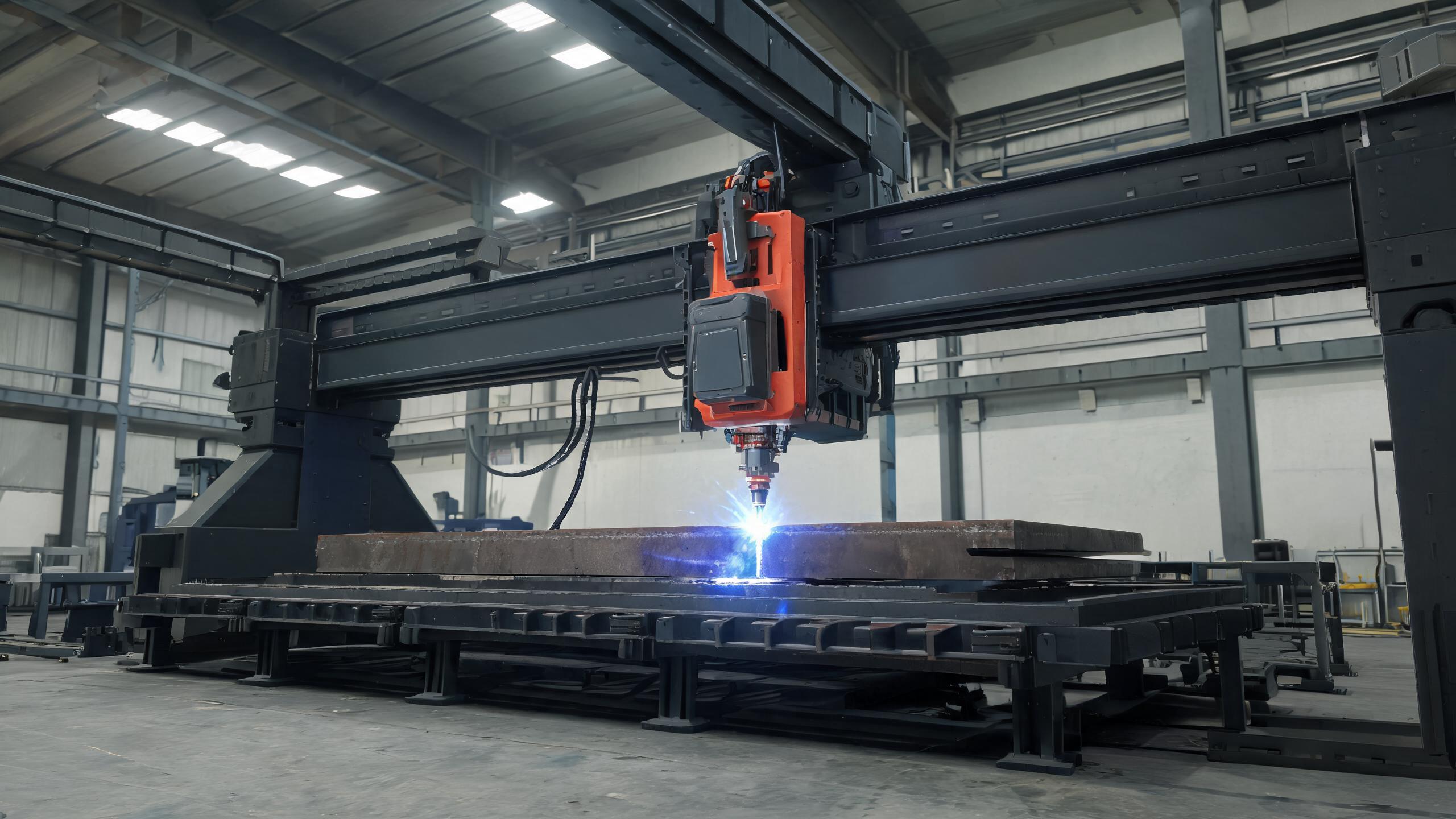
A practical guide for B2B buyers comparing local CNC machine suppliers with global sourcing, covering evaluation criteria, cost factors, logistics, and how to make a reliable purchase decision.
BUYER GUIDE
Searching “where to buy CNC machine near me” usually means you have a specific machining need and a deadline. You want a machine that fits your parts, your budget, and your production schedule. Local suppliers offer proximity and fast support; global suppliers often offer better pricing and a wider range of specifications. This guide compares both routes and gives you a practical checklist to evaluate suppliers—whether they are across town or across the ocean.
- Define your machining requirements before searching—spindle power, travel, tool changer, control system, and accuracy.
- Local suppliers reduce freight cost and lead time but may have limited models and higher unit prices.
- Global suppliers often provide more options and competitive pricing, but you must verify quality, certification, and after-sales support.
- Always request a detailed quotation with specifications, installation, training, and warranty terms in writing.
- Ask for customer references and, if possible, a video call factory tour before committing.
Start with Your Machining Requirements
Before you search for a CNC machine local supplier or an overseas one, write down the parts you plan to produce. This determines the machine type, size, and configuration you need. Key parameters to define:
- Workpiece size and material: Maximum part dimensions and whether you machine aluminum, steel, titanium, or plastics.
- Spindle speed and power: Higher RPM for non-ferrous metals, more torque for steel.
- Number of axes: 3-axis for simple milling, 4- or 5-axis for complex geometries.
- Control system: Fanuc, Siemens, Mitsubishi, or others—consider operator familiarity.
- Accuracy and repeatability: Tolerance requirements in microns.
- Production volume: Determines whether you need a high-speed machining center or a heavier duty model.
Having these numbers ready helps you filter options quickly and prevents overspending on unnecessary features.
Local Sourcing: Pros and Cons
Buying from a nearby supplier has clear advantages. You can visit the showroom, inspect the machine under power, and talk directly with technicians. Delivery is faster and freight costs are lower. If something breaks, a local service engineer can often be on-site within a day.
However, local distributors may carry a limited range of models, especially if they represent only one or two brands. Prices are often higher because of local overheads and import duties. For specialized or high-spec machines, you may have to wait for a special order anyway.
Questions to Ask a Local CNC Machine Supplier
- What brands and models do you stock?
- Can I see a machine running with my own workpiece?
- What is the lead time for standard and custom configurations?
- Do you provide installation, training, and maintenance?
- What is your warranty policy, and who handles repairs?
- Do you have spare parts in stock locally?
Global Sourcing: Expanding Your Options
When you can't find the right machine locally, or when price is a major factor, global suppliers become attractive. Countries like China, Taiwan, Germany, and Japan are major CNC machine producers. Buying directly from a manufacturer or an export-focused supplier can save 10–30% compared to local distributor prices, depending on the model and shipping costs.
The main challenges are logistics, import duties, communication, and after-sales support. You need a supplier who understands export documentation, can arrange safe packing and shipping, and offers remote troubleshooting or a local service partner.
How to Evaluate a Global CNC Machine Supplier
- Verify the company: Check their website, business license, and years in operation. Look for real factory photos and videos.
- Request references: Ask for contact details of buyers in your region or industry.
- Check certifications: ISO 9001 for quality management, CE for European market, and other relevant standards.
- Ask for a video tour: A live walkthrough of the assembly line and testing area proves the factory exists.
- Clarify Incoterms: FOB, CIF, or DDP—understand what is included in the price.
- Discuss payment terms: Typical terms are 30% T/T deposit and 70% before shipment, or an L/C at sight.
- Confirm after-sales support: Who installs the machine? Is remote diagnostics available? What about spare parts?
Comparing Local vs. Global: A Side-by-Side View
| Factor | Local Supplier | Global Supplier |
|---|---|---|
| Price | Usually higher due to distribution costs | Often 10–30% lower, but add shipping and import fees |
| Lead time | Short for stocked models | Longer: production + shipping (2–8 weeks typical) |
| Customization | Limited to what the distributor offers | Factory can tailor to your specs |
| After-sales service | Fast, local technicians | Remote support, may need local partner |
| Inspection | Visit showroom easily | Requires video tour or third-party inspection |
| Language barrier | Minimal | Possible; look for English-speaking staff |
Total Cost of Ownership: Don't Just Look at the Price Tag
When comparing quotes, calculate the total cost over the machine's lifetime. Include:
- Purchase price
- Freight, insurance, and import duties
- Installation and commissioning
- Operator training
- Tooling and workholding
- Maintenance and spare parts
- Downtime cost if service is slow
A cheaper machine that breaks down frequently can cost more in lost production. Conversely, a reliable global supplier with good remote support can be just as dependable as a local one.
Red Flags to Avoid in Any CNC Machine Purchase
- Unusually low prices that seem too good to be true.
- Suppliers who cannot provide clear specifications or photos.
- No verifiable customer references.
- Vague warranty terms.
- Pressure to pay in full before any inspection.
- No written quotation or contract.
How to Shortlist Suppliers
Create a spreadsheet with your requirements and compare each supplier side by side. For each candidate, note:
- Machine model and key specs
- Quoted price and Incoterms
- Lead time
- Warranty period and coverage
- Service response time (ask for their SLA)
- Payment terms
- References contacted and their feedback
Narrow down to 2–3 suppliers and request a detailed proposal. If possible, visit the factory or arrange a live video demonstration.
Final Steps Before You Buy
- Negotiate terms: Don't accept the first quote. Ask about discounts for cash payment or bulk orders.
- Inspect the machine: Either visit the factory or hire a third-party inspection agency.
- Review the contract: Ensure all agreed terms are in writing, including delivery date, payment milestones, and penalties for delay.
- Plan for installation: Prepare your facility with proper power supply, foundation, and ventilation.
- Arrange training: Ensure your operators receive adequate training, either on-site or remotely.
Frequently Asked Questions
Is it safe to buy a CNC machine from overseas without visiting the factory?
Yes, if you take precautions. Use a reputable supplier with verifiable history, request a live video tour, ask for references, and consider a third-party inspection before shipment.
What is the typical lead time for a CNC machine from a global supplier?
Standard models may ship in 2–4 weeks after payment, while customized machines can take 6–12 weeks. Always confirm the lead time in writing.
How do I handle import duties and customs?
Work with a freight forwarder or ask the supplier to provide a DDP quote (Delivered Duty Paid) so they handle customs and taxes. Otherwise, calculate duties based on your country's tariff classification.
What if the machine breaks down?
Check if the supplier offers remote diagnostics and has a local service partner. Many global manufacturers have authorized service centers worldwide. Keep a stock of critical spare parts.
Conclusion: Choose Based on Your Priorities
There is no single best answer to “where to buy CNC machine near me.” Local suppliers offer convenience and fast support; global suppliers often offer better prices and more options. Define your requirements, compare total costs, and verify every supplier thoroughly. Whether you buy from a local dealer or an overseas factory, a well-documented purchase process protects your investment and keeps your production running.
If you are evaluating CNC machine options and need detailed specifications or a quotation, contact our team. We can provide machine parameters, delivery terms, and support options tailored to your application.