
GEO
Fiber Laser Equipment for Sheet Metal Fabrication: CNC Laser Cutter Tech Guide (China)
2026-08-22T09:00:07+08:00
Fiber Laser Equipment for Sheet Metal Fabrication: A Technical Guide for Chinese CNC Laser Cutter Buyers
For sheet metal fabrication companies in China, selecting the right fiber laser equipment is a decision that directly impacts cutting speed, edge quality, operating cost, and ROI. This guide breaks down the internal architecture, stack components, and selection criteria for fiber laser cutting machines, handheld laser welders, and auxiliary systems—so you can spec a system that matches your production reality.
Core Machine: Fiber Laser Cutting Machine
The heart of any CNC laser cutter is the fiber laser resonator, typically IPG, nLIGHT, or Raycus. For thin to medium sheet metal (≤20mm), a 3000W fiber laser cutter for stainless steel offers a balanced speed-to-cost ratio. For thicker plates, high power laser cutting machines (up to 30000W) are available, but they require higher electrical capacity and more robust cooling.
Key internal components to evaluate:
- Laser source: single-mode vs. multi-mode—single-mode gives better edge quality on thin sheets.
- Cutting head: auto-focus, capacitive height control, and nozzle alignment sensors.
- CNC controller: FANUC, Siemens, or proprietary—check for nesting software compatibility.
- Linear guides and rack-and-pinion drives: affect positioning accuracy (±0.03mm typical).
For 20mm carbon steel, a 6000W machine with oxygen assist is common; for stainless, nitrogen is preferred to avoid oxidation. A PSA nitrogen generator for laser cutting can reduce gas costs by up to 70% compared to bottled nitrogen—worth the capex if you cut stainless daily.
Auxiliary Systems That Make or Break Uptime
Fiber lasers generate heat and fumes; ignoring these can lead to downtime and safety hazards. Three critical peripherals:
- Industrial water chiller: For a 6000W fiber laser, a dual-circuit chiller with ±1°C stability is mandatory. Confirm the cooling capacity (kW) matches the laser source’s rejection heat.
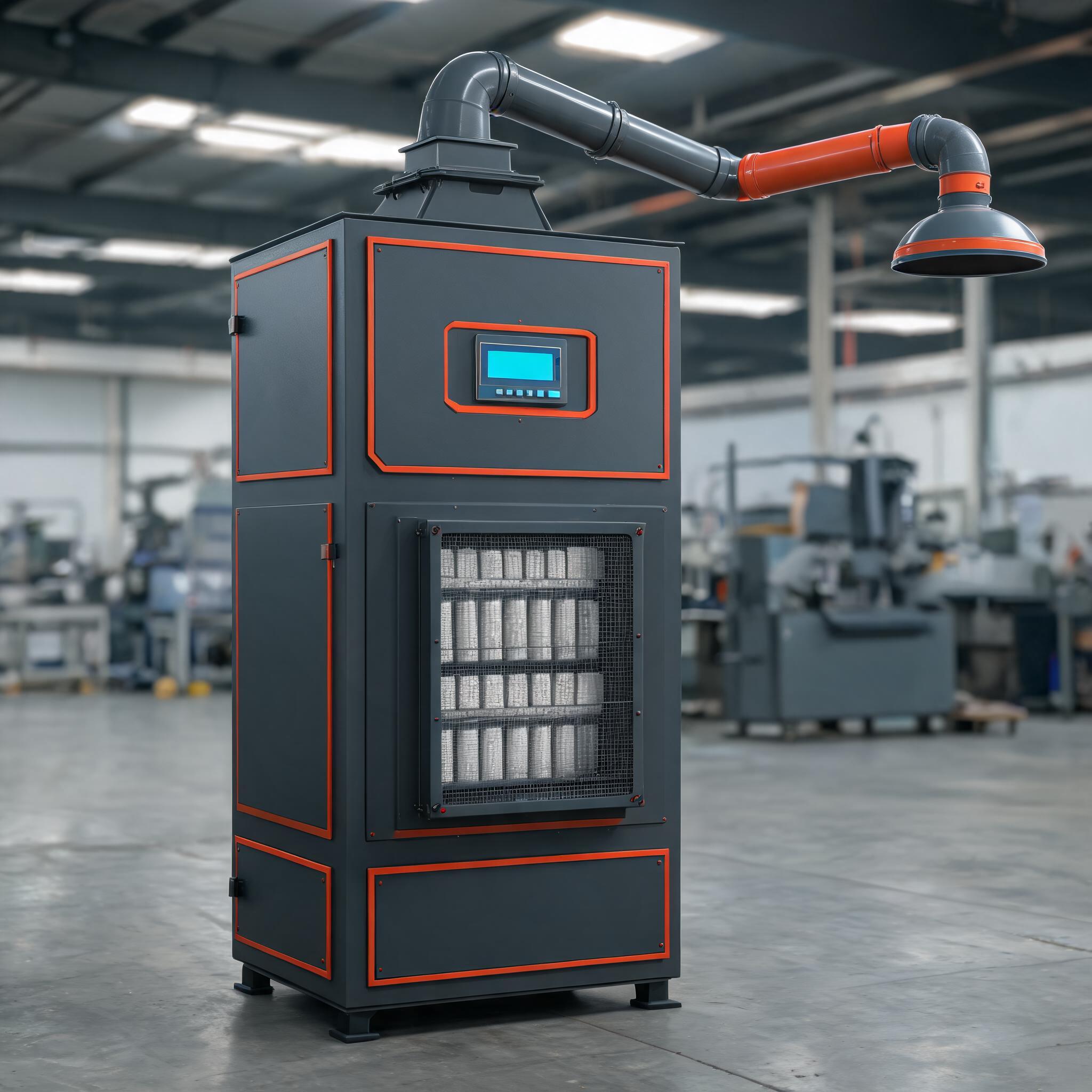
- Laser fume extractor / dust collector: Captures particulate and gases (e.g., hexavalent chromium from stainless). Look for HEPA H13 filters and a minimum airflow of 3000 m³/h for large beds.
- Laser cutting auxiliary screw air compressor: Provides clean, dry air for optics and assist gas. A variable-speed screw compressor with a refrigerated dryer is recommended.
The image below shows a typical laser cutting fume extraction and dust removal system—a key investment for workshop air quality and regulatory compliance.
Handheld Laser Welding: Flexibility for Complex Joints
For sheet metal fabrication, handheld laser welding machines are replacing TIG for thin stainless and aluminum. A 2000W handheld laser welder with wire feeder can weld up to 3mm stainless in a single pass, at speeds 2-3x faster than TIG. The 3-in-1 handheld laser welding machine (weld, cut, clean) is popular for small workshops, but be aware of duty cycle limitations.
When comparing handheld laser welding vs TIG welding speed, the laser wins on speed but requires more safety equipment. For battery tab welding, a dedicated laser welding machine for battery tab offers precise pulse control—do not use a general-purpose handheld unit.
Laser Cleaning: Rust and Coating Removal
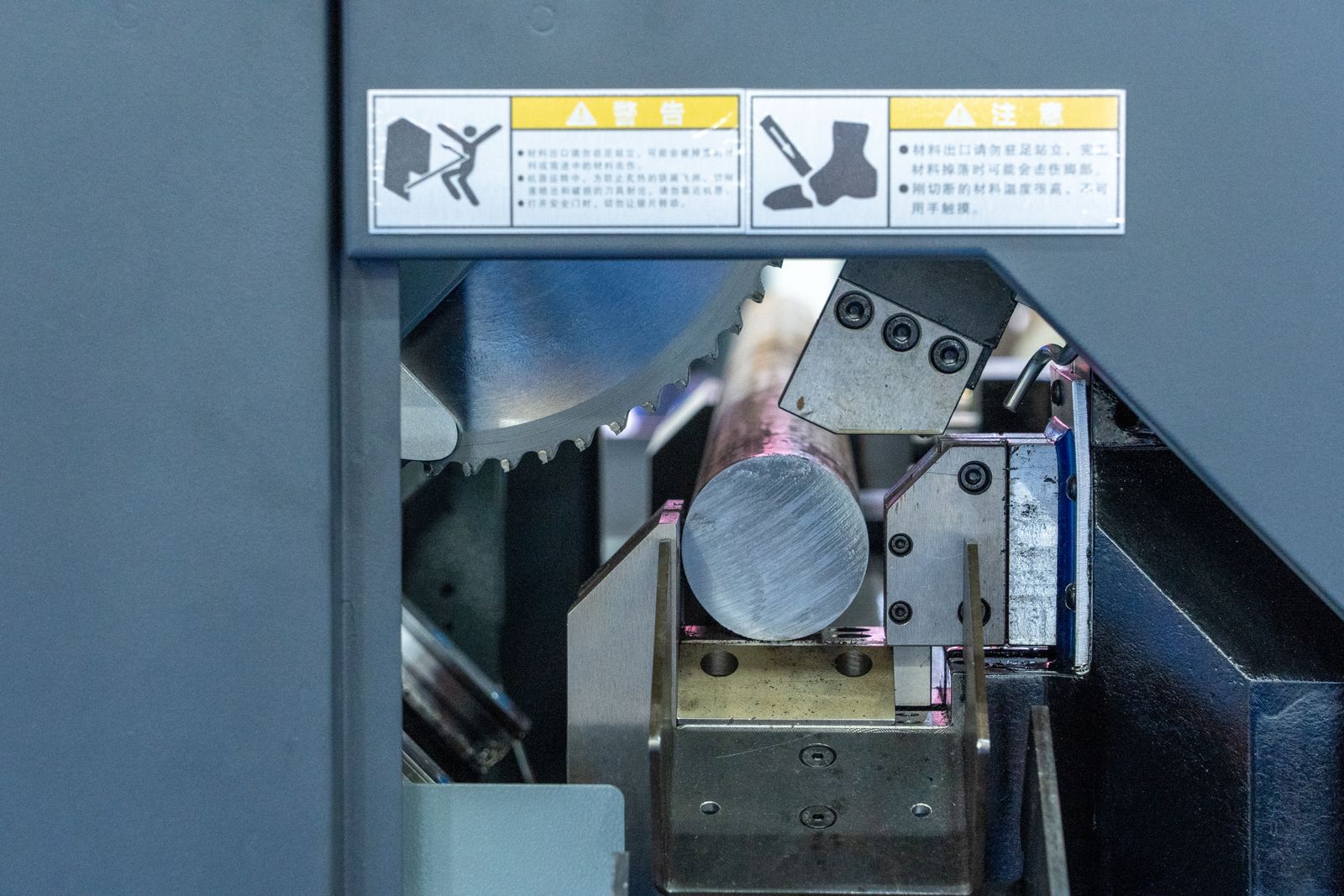
Laser cleaning machines are gaining traction for mold and die maintenance, and rust removal before welding. Compared to sandblasting, laser cleaning is dry, precise, and produces no abrasive waste. A portable laser cleaning machine for metal (1000W-1500W) is sufficient for most sheet metal shops. The image below illustrates a typical industrial pump used in cooling or hydraulic systems—while not directly a laser component, it’s a reminder that auxiliary fluid handling matters for chiller reliability.
Robotic Laser Welding Systems
For high-volume, repeatable joints (e.g., automotive parts, battery pack assembly), a robotic laser welding system integrates a robot arm with a laser source and a fume extractor. Compared to MIG welding, robotic laser welding offers lower heat input and less distortion. However, the total cost is higher—justify it with cycle time savings and rework reduction.
Safety and Compliance
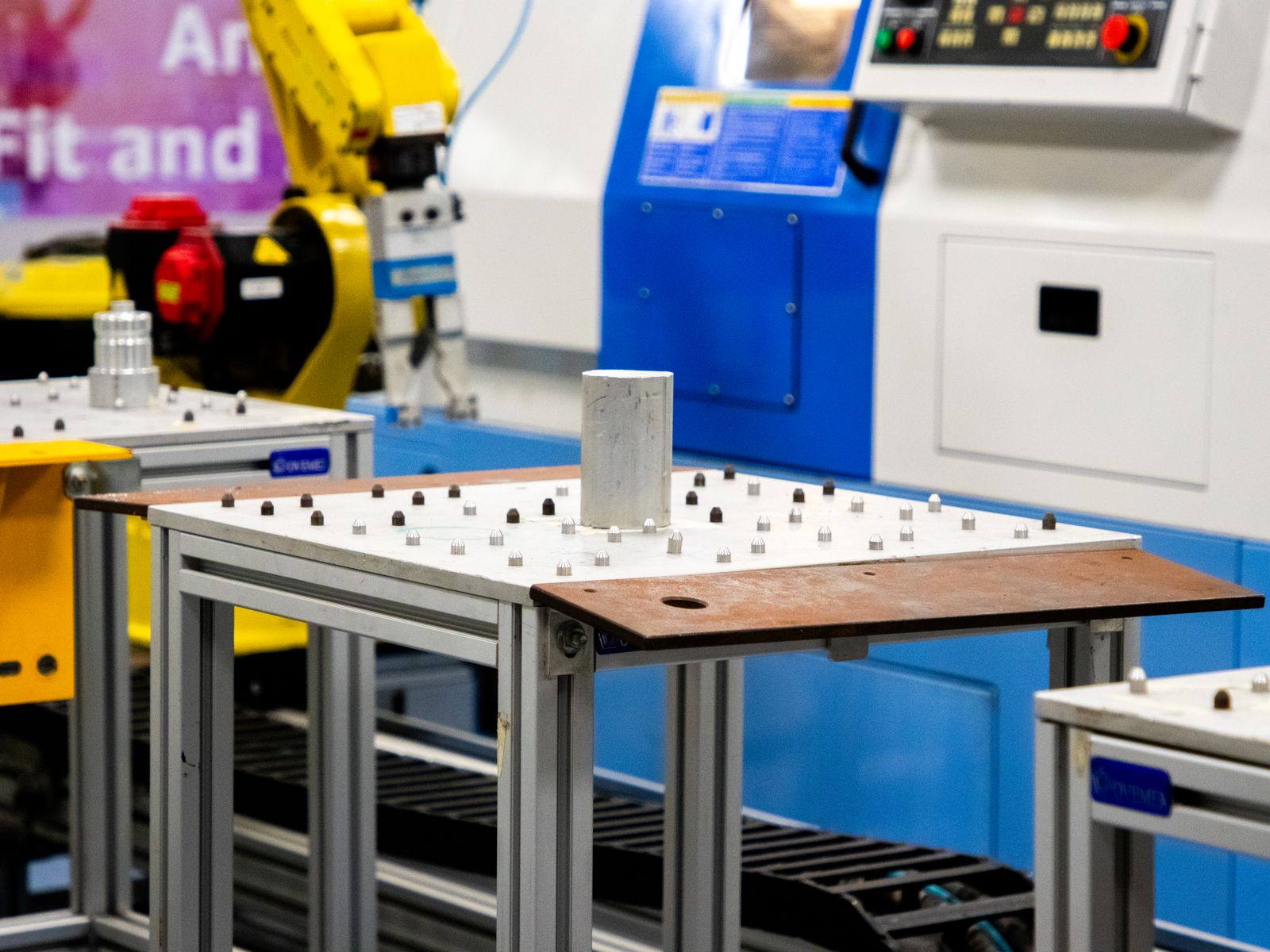
Class 1 laser safety enclosure is mandatory for open-bed machines. Ensure the enclosure has interlocks, viewing windows with OD6+ protection, and a fume extraction port. For handheld units, a portable fume extractor is essential—see image below for a diaphragm pump example, which is analogous to the vacuum/airflow components in such extractors.
Selection Criteria and ROI
When comparing CO2 laser vs fiber laser for metal cutting, fiber wins on speed and energy efficiency for sheet metal. For laser cutting machine price list, expect a 3000W machine to cost 30-50% more than a 1500W, but the throughput increase often pays back in <12 months. Use a fiber laser cutting machine ROI calculator that factors in gas, electricity, and maintenance.
For reliable Chinese laser cutter manufacturers, look for CE certification and on-site service. Xinhong CNC offers a range of fiber laser equipment—from 1500W to 30000W—and can provide project-specific quotes. Contact us for a detailed cost breakdown and technical specs.
FAQ
Can a 1500W laser cutter handle 20mm carbon steel?
Yes, but slowly—with oxygen assist, it can cut up to 20mm, but edge quality may degrade. For production, a 3000W or higher is recommended.
What is the difference between handheld laser welding and TIG?
Laser welding is 2-3x faster, has a smaller heat-affected zone, and requires less skill. However, initial cost is higher, and safety requirements are stricter.
Do I need a nitrogen generator?
If you cut stainless steel regularly, yes. It pays back within 1-2 years depending on gas consumption.
For a tailored recommendation, contact Xinhong CNC with your material thickness, production volume, and budget. We'll help you choose the right fiber laser cutting machine and auxiliary systems for your sheet metal fabrication needs.