
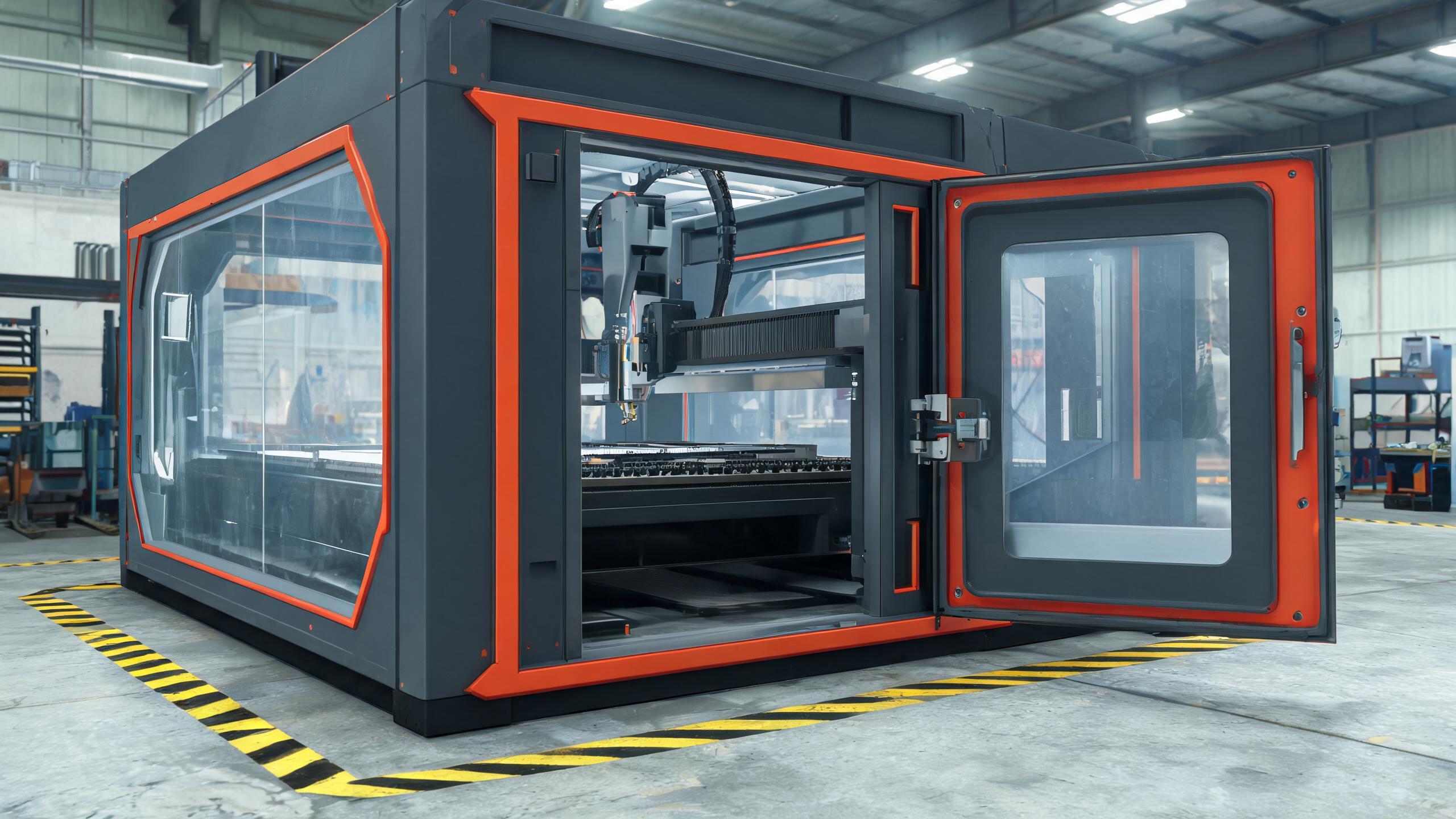
Understand CNC machines in simple Hindi-English terms. This guide explains CNC machine kya hai, how it works, and its role in laser cutting for B2B buyers.
CNC BASICS FOR BUYERS
If you are searching “what is CNC machine in Hindi” or “CNC machine kya hai,” you are likely trying to understand how computer-controlled machines work—especially in the context of laser cutting. This article explains CNC machines in simple terms, using Hindi phrases where helpful, and focuses on what matters for B2B buyers: how CNC technology affects quality, speed, and cost.
- CNC means Computer Numerical Control—a machine guided by programmed instructions, not manual handling.
- CNC machines are used across industries, including laser cutting, milling, turning, and routing.
- For laser cutting, CNC controls the laser head’s movement, power, speed, and focus.
- Buyers should evaluate CNC systems by axis count, repeatability, control software, and material compatibility.
- Always confirm specifications like cutting area, laser power, and supported formats with the supplier.
CNC Machine Kya Hai? (What is a CNC Machine?)
CNC machine kya hai? In Hindi, CNC ka matlab hai Computer Numerical Control. Yani, ek machine jo computer ke diye gaye instructions ke hisaab se automatically kaam karti hai. Instead of a human turning handles or moving a torch by hand, a CNC machine reads a digital file (like a CAD drawing) and converts it into precise movements of tools or cutting heads.
In simple terms: you design a part on a computer, the CNC machine reads that design, and it cuts, drills, or shapes the material exactly as instructed. The “control” part means the machine follows a sequence of numbers and coordinates—hence “numerical control.”
For a buyer, the key point is this: CNC removes human error. The same part can be produced thousands of times with identical accuracy. That consistency is why CNC is the backbone of modern manufacturing, including laser cutting.
How Does a CNC Machine Work?
All CNC machines follow the same basic workflow, whether they are milling machines, lathes, or laser cutters:
- Design: The part is designed using CAD (Computer-Aided Design) software. This file contains the geometry, dimensions, and tolerances.
- Programming: The CAD file is converted into a set of instructions (G-code) that the machine understands. G-code tells the machine where to move, how fast, and how deep to cut.
- Setup: The material is placed on the machine bed, and the correct tool or laser head is installed.
- Machining: The CNC controller reads the G-code and moves the tool along multiple axes to cut or shape the material.
- Finishing: After cutting, parts may require deburring, cleaning, or secondary processes.
In laser cutting, the “tool” is a focused laser beam. The CNC system controls the X and Y movement of the laser head (and sometimes Z for focus), plus the laser power and assist gas flow. The result is a clean, precise cut with minimal heat-affected zone.
CNC Machine in Hindi – Common Terms Explained
If you are new to CNC, these Hindi-English terms will help you talk to suppliers or read machine specs:
| English Term | Hindi Explanation | Meaning in Context |
|---|---|---|
| Axis | Disha (direction) | Movement directions: X, Y, Z. More axes = more complex cuts. |
| Spindle | Ghoomne wala hissa | Rotating part that holds the cutting tool (not in laser). |
| G-code | Machine ki bhasha | Programming language that tells the machine what to do. |
| Repeatability | Dohrane ki kshamata | How accurately the machine returns to the same position. |
| Feed rate | Chalne ki gati | Speed at which the tool or laser moves through material. |
| Laser power | Laser ki shakti | Measured in watts; affects cutting thickness and speed. |
CNC in Laser Cutting: Why It Matters
Laser cutting is one of the most common applications of CNC technology. A CNC laser cutter uses a high-power laser beam to melt, burn, or vaporize material. The CNC system ensures the beam follows the exact path from the design file.
For B2B buyers, the CNC aspect directly affects:
- Precision: CNC-controlled lasers can achieve tolerances of ±0.1 mm or better, depending on the machine.
- Speed: The controller optimizes movement paths, reducing cycle time.
- Complexity: CNC allows intricate shapes that are impossible with manual cutting.
- Consistency: Every part is identical, which is critical for large orders.
- Material versatility: CNC laser cutters handle metals, plastics, wood, and composites with the right settings.
In laser cutting, the CNC is not just a motor—it is the brain that coordinates motion, power, and gas. Without it, you have a torch, not a precision tool.
Types of CNC Machines
CNC technology is not limited to laser cutting. Buyers sourcing parts or equipment may encounter these common types:
| Machine Type | What It Does | Common Use |
|---|---|---|
| CNC Milling | Rotating tool removes material from a block | Metal parts, molds, prototypes |
| CNC Lathe | Workpiece rotates while tool shapes it | Shafts, bushings, round parts |
| CNC Plasma Cutter | Uses plasma torch to cut conductive metals | Steel plates, heavy fabrication |
| CNC Laser Cutter | Uses focused laser beam | Sheet metal, fine detail, thin materials |
| CNC Router | High-speed spindle for softer materials | Wood, plastics, aluminum |
Each type has its own strengths. For example, laser cutting is ideal for thin materials and high precision, while plasma is faster for thick steel. Your choice depends on material, thickness, and required finish.
What Buyers Should Look For in a CNC Laser Cutter
If you are planning to purchase a CNC laser cutter or outsource laser cutting, here are the key specifications to ask about:
- Laser power (W): Higher watts cut thicker materials but cost more.
- Cutting area (mm): Maximum sheet size the machine can handle.
- Number of axes: 2-axis for flat cutting, 3-axis for some 3D work, 5-axis for advanced bevels.
- Repeatability (mm): Lower is better—indicates precision.
- Max cutting speed (m/min): Affects throughput.
- Supported file formats: DXF, DWG, AI, etc.
- Control system: Brand and software version (e.g., CypCut, Ruida, or proprietary).
- Material compatibility: Can it cut mild steel, stainless, aluminum, or only non-metals?
Do not rely on marketing terms like “high quality” or “precision.” Ask for a datasheet with these numbers. A reputable supplier will provide them.
CNC Machine Hindi – Common Questions (FAQ)
What is the full form of CNC in Hindi?
CNC ka full form hai Computer Numerical Control. Hindi mein ise “computer ke dwara diye gaye numbers ke control” ke roop mein samjha ja sakta hai.
Is CNC machine difficult to operate?
Modern CNC machines have user-friendly interfaces, but they require training. Operators need to understand CAD/CAM software and machine setup. For buyers, this means checking if your supplier offers training or support.
What materials can a CNC laser cutter handle?
It depends on laser power and wavelength. CO2 lasers cut wood, acrylic, and some plastics. Fiber lasers are better for metals. Always confirm with the supplier.
How much does a CNC machine cost?
Prices vary widely based on size, power, and brand. Entry-level hobby lasers may cost a few thousand dollars, while industrial fiber lasers can exceed $100,000. For accurate pricing, request a quote with your specific requirements.
Why CNC Matters for Your Business
Whether you are buying parts or investing in a machine, understanding CNC helps you make better decisions. You can evaluate supplier capabilities, compare quotes, and avoid costly mistakes. A supplier with CNC laser cutting can offer tighter tolerances, faster turnaround, and better repeatability—factors that directly impact your product quality.
If you are sourcing CNC laser cutting services, ask for sample parts, tolerance reports, and material certifications. If you are buying a machine, verify the control software, after-sales support, and spare parts availability.
Still have questions about CNC machine kya hai or how to choose the right laser cutting system? Contact us—we’ll help you clarify your requirements and connect you with the right solution.