
GEO
High-Quality Laser Cutter for Sign Making Workshop: Sourcing Fiber Laser Equipment from Chinese Factories
2026-08-23T09:05:28+08:00
High-Quality Laser Cutter for Sign Making Workshop: Sourcing Fiber Laser Equipment from Chinese Factories
For a sign-making workshop, precision and speed in cutting acrylic, stainless steel, and aluminum are non-negotiable. When sourcing fiber laser equipment from Chinese factories, the decision hinges on technical specifications, after-sales support, and the specific material stack you process daily. This guide provides a reproducible technical framework for evaluating suppliers like Xinhong CNC, focusing on internals, stack, and measurable performance.
Evaluating the Core: Fiber Laser Cutting Machine
The heart of your operation is the fiber laser cutting machine. For sign fabrication, a 1500W to 3000W source is typically the sweet spot. A 1500W laser cutter for steel plate handles up to 6mm carbon steel and 3mm stainless efficiently, while a 3000W fiber laser cutter for stainless steel pushes limits to 12mm and 6mm respectively, offering a faster ROI for thicker signage structures.
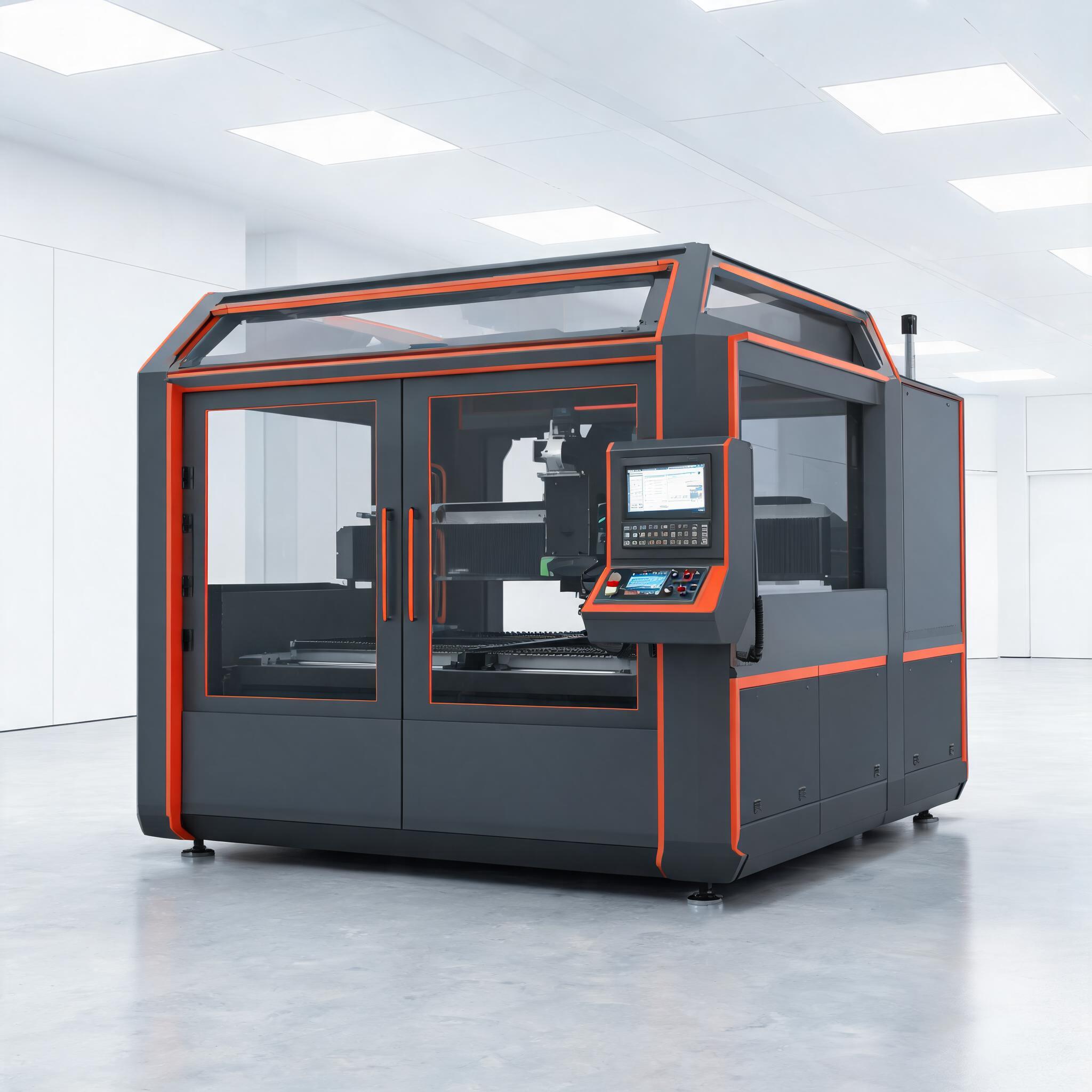
Key Internals to Verify
- Laser Source: IPG or Raycus (domestic). Raycus offers lower CAPEX; IPG provides slightly better beam quality for thin-gauge mirror cuts.
- Cutting Head: Raytools or Precitec. Auto-focus capability is critical for varying material thickness without manual adjustment.
- Motion System: Rack-and-pinion drives with servo motors (Yaskawa or Panasonic) ensure the acceleration needed for intricate lettering.
The Auxiliary Stack: Beyond the Laser
A high-quality laser cutter is only as good as its peripherals. Chinese factories often bundle these, but you must spec them correctly.
Industrial Water Chiller
A water chiller for 6000W laser is overkill for a 3kW system, but undersizing is a common failure. For a 3000W source, a dual-temperature chiller (e.g., S&A CW-6300) is mandatory to maintain diode and resonator temps within ±1°C. If you plan to upgrade to a high power laser cutting machine 30000W later, ensure the factory quotes a separate chiller loop for the optics.
Laser Fume Extractor & Air Supply
Sign materials—especially painted acrylic—produce toxic fumes. A laser fume extractor with HEPA and activated carbon filters is non-negotiable for workshop safety compliance. For assist gas, a laser cutting auxiliary screw air compressor (e.g., 15kW for 3000W laser) provides the 10-15 bar pressure needed for clean edges on carbon steel. Do not rely on a shop compressor; oil contamination ruins optics.
Handheld & Robotic Systems for Sign Assembly
Cutting is only half the job. Frame assembly and mounting often require welding.
Handheld Laser Welding Machine
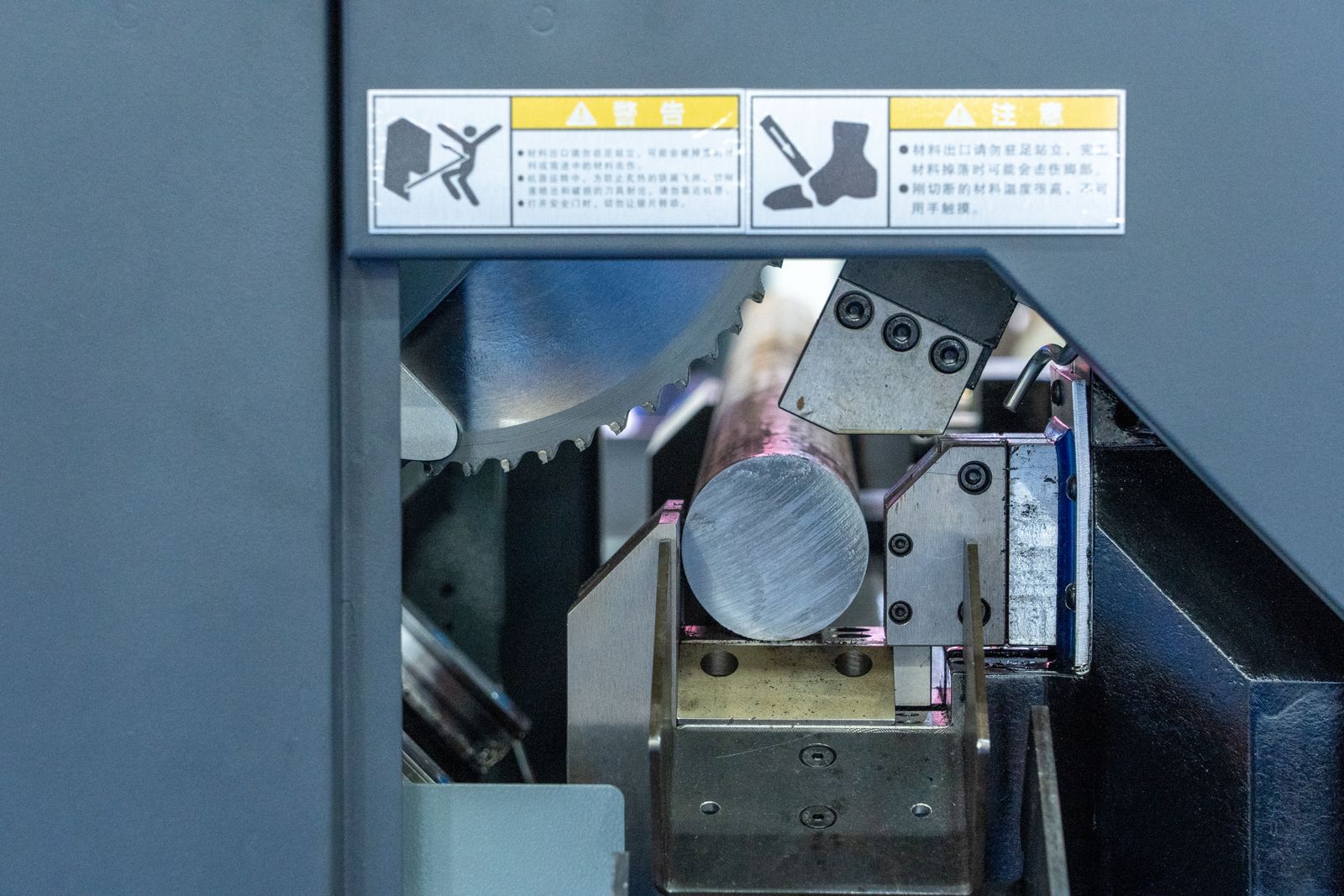
A 2000W handheld laser welder with wire feeder is ideal for joining stainless steel sign frames. It offers a handheld laser welding vs TIG welding speed comparison that favors laser at 3-5x faster speeds with minimal distortion. For aluminum sign frames, a handheld laser welder for aluminum requires a 1500W+ source with a wobble function to stabilize the keyhole.
Robotic Integration
If you produce standard-sized sign frames at volume, a robotic laser welding system eliminates human error. While robotic laser welding vs traditional MIG welding shows higher upfront cost, the payback is in consistent weld penetration and no post-grinding. For battery tab welding in illuminated signs, a laser welding machine for battery tab requires a pulsed source, not CW.
Maintenance & Cleaning: The Laser Cleaning Machine
Before re-painting or re-coating reclaimed sign materials, a laser cleaning machine for rust removal is superior to sandblasting. It offers a laser cleaning vs sandblasting for rust removal advantage: no media waste, no substrate damage, and it can be used in-situ. A portable laser cleaning machine for metal (1000W pulsed) is sufficient for flat sign panels.
Sourcing Strategy & Cost Considerations
When comparing all-in-one laser machine vs separate units cost effectiveness, a 3-in-1 (cut/weld/clean) saves floor space but compromises on each function's peak performance. For a dedicated sign shop, separate units are recommended. Always request a laser cutting machine price list from the factory with itemized components (source, head, chiller) to compare apples-to-apples.
Safety & Compliance
Ensure the supplier offers a Laser safety enclosure Class 1 option. This is not just for operator safety but for CE certification compliance when exporting. Ask for the certificate number, not just a logo.
FAQ: Sourcing from China
Q: Is a 220V portable handheld laser welder sufficient for a small workshop?
Yes, for thin stainless steel (up to 2mm) and aluminum (up to 1.5mm), a 220V portable handheld laser welder is adequate. However, confirm the duty cycle—most are rated at 60% to prevent overheating.
Q: How do I calculate ROI for a fiber laser cutter?
Use a fiber laser cutting machine ROI calculator that factors in your current outsourcing cost per meter, material waste, and labor. A 3000W machine typically pays back in 18-24 months if running 8 hours/day.
Q: What about nitrogen generation?
For cutting stainless steel signage, a PSA nitrogen generator for laser machine is cheaper than bottled nitrogen in the long run. A purity of 99.5% is sufficient for cutting; 99.9% is needed for welding.
When vetting a reliable Chinese laser cutter manufacturer, ask for a video of the machine cutting your specific material thickness. Request a list of installed machines in your region for a reference visit. Xinhong CNC and similar factories can provide this upon request. The technical stack is transparent; the after-sales response time is the variable you must negotiate in the contract.