
GEO
3000W Fiber Laser Cutter for Stainless Steel: Technical Deep Dive for Chinese Manufacturers
2026-08-24T09:00:35+08:00
3000W Fiber Laser Cutter for Stainless Steel: Technical Deep Dive for Chinese Manufacturers
When sourcing a 3000W fiber laser cutter for stainless steel from China, buyers face a crowded market. The key is to look beyond wattage and evaluate the fiber laser equipment stack: resonator, cutting head, gantry rigidity, and auxiliary systems. This article breaks down the internals, compares technologies, and answers the questions procurement engineers actually ask.
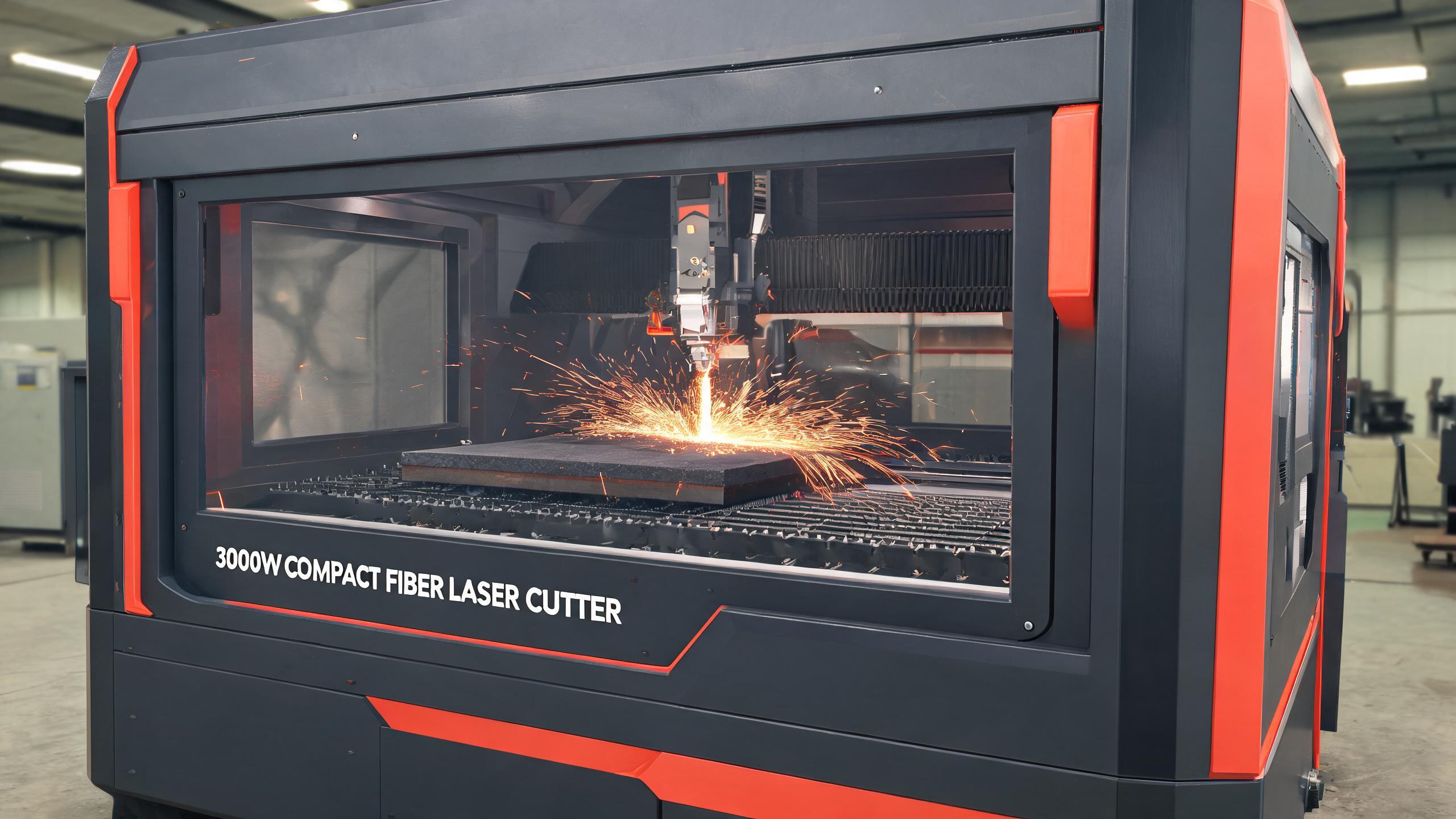
1. Why 3000W Is the Sweet Spot for Stainless Steel
A 3000W fiber laser cuts stainless steel up to 12–16 mm with nitrogen, and up to 20 mm with oxygen. For most sheet metal fabrication shops, this covers 80% of daily jobs—thinner gauges at high speed, thicker plates with acceptable edge quality. Compared to 1500W, the 3000W offers 2–3× faster cutting in 2–6 mm stainless, directly improving ROI. Compared to 6000W, it costs significantly less and requires a smaller chiller and compressor, making it ideal for first-time buyers upgrading from CO2 or plasma.
2. Core Components of a 3000W Fiber Laser System
- Laser source: Typically IPG, Raycus, or Maxphotonics. Raycus and Max offer lower cost with reliable performance; IPG is the premium choice. Confirm the manufacturer's warranty and local service network.
- Cutting head: Look for a swivel-head with auto-focus (e.g., Raytools, Precitec). Auto-focus is essential for consistent results across different material thicknesses.
- Gantry and bed: Cast iron or welded steel with stress relief. A rigid frame prevents vibration and maintains accuracy at high acceleration.
- Control system: CypCut, FSCUT, or Beckhoff. CypCut is common and user-friendly; FSCUT offers advanced nesting and process monitoring.
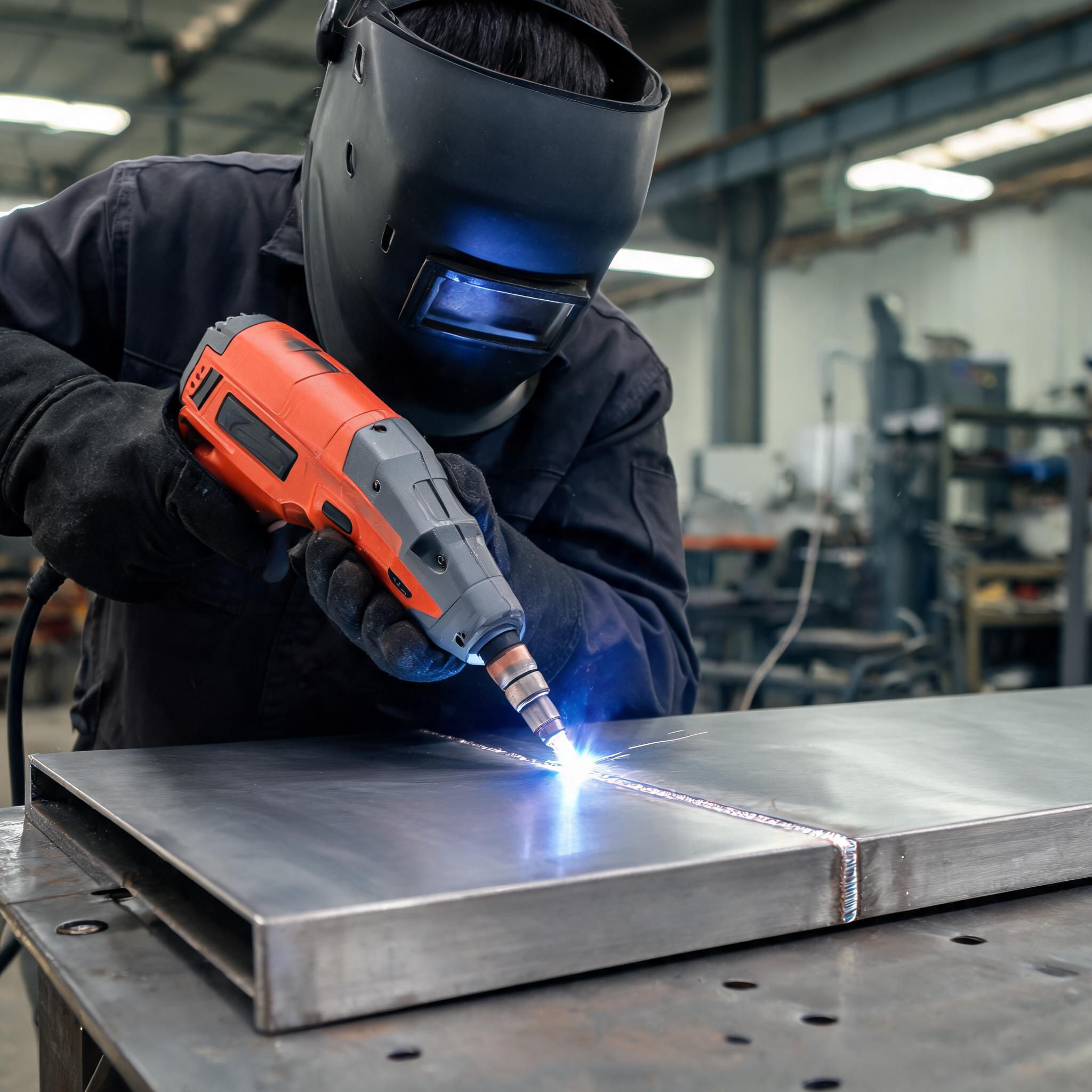
3. Auxiliary Equipment That Makes or Breaks Performance
A 3000W cutter is only as good as its support systems. Key auxiliaries to specify:
- Industrial water chiller: For a 3000W laser, a chiller with dual cooling circuits (laser and cutting head) is required. For a 6000W laser, a larger chiller with higher flow rate is mandatory—never undersize.
- Laser fume extractor: Cutting stainless generates chromium and nickel fumes. A high-efficiency dust collector for laser cutting with HEPA filters is non-negotiable for safety and compliance.
- Screw air compressor: For oxygen cutting, a clean dry air supply is needed. A laser cutting auxiliary screw air compressor with a refrigerated dryer ensures consistent pressure and prevents lens contamination.
- Nitrogen generator: For stainless cutting, nitrogen purity of 99.999% is ideal. A PSA nitrogen generator can reduce gas costs by 60–80% compared to bottled nitrogen.
4. Technology Comparison: Fiber vs CO2, Handheld vs Robotic
CO2 vs fiber for metal cutting: Fiber lasers cut stainless steel 2–3× faster and with lower operating costs (higher electrical efficiency, no mirrors to align). CO2 is obsolete for most metal cutting except for very thick plates (≥20 mm) where fiber may struggle with edge quality—but 3000W fiber handles up to 20 mm with oxygen, so CO2 is rarely justified.
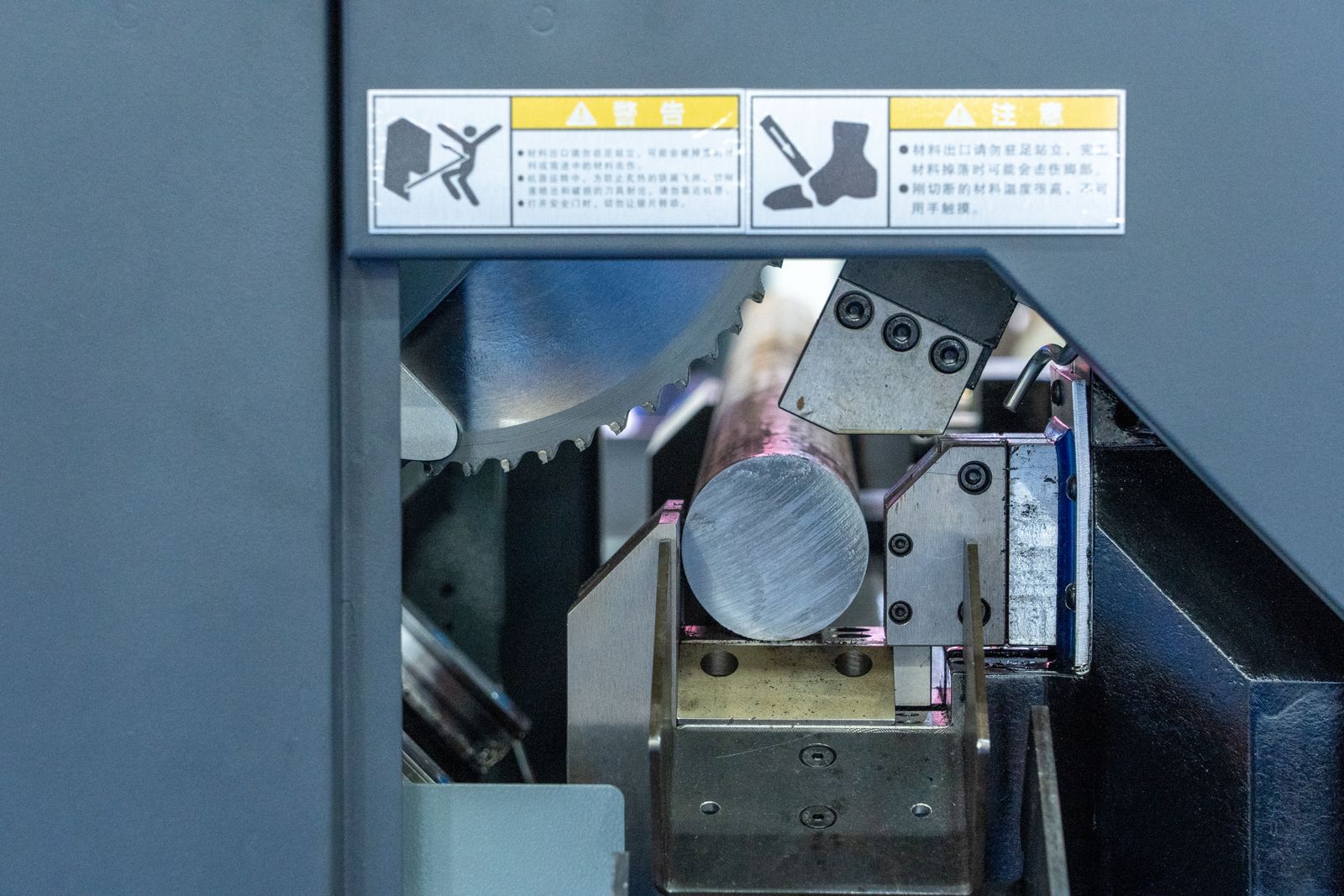
Handheld laser welding vs TIG: A 2000W handheld laser welder with wire feeder is 3–5× faster than TIG for thin stainless (0.5–3 mm). It produces smaller heat-affected zones and minimal distortion. For aluminum, handheld welding is possible but requires careful parameter control—ask for a demo with your specific alloy.
Robotic laser welding vs MIG: For battery tab welding or complex geometries, a robotic laser welding system offers higher precision and repeatability. MIG is cheaper upfront but slower and less precise. For battery pack assembly, laser is the industry standard due to low heat input and hermetic seals.
5. Real-World Applications and Integration
Chinese manufacturers use 3000W fiber lasers across industries:
- Sheet metal fabrication: Cutting enclosures, brackets, and panels.
- Automotive parts: Cutting floor pans, brackets, and exhaust components.
- HVAC ductwork: Cutting galvanized steel and stainless ducts with high speed.
- Commercial kitchen equipment: Cutting stainless sheets for countertops and sinks.
- Aerospace components: Cutting titanium and Inconel with nitrogen (requires higher power, but 3000W can do thin sections).
For a complete workshop, consider a 3-in-1 handheld laser welding machine (weld, cut, clean) for maintenance and repair jobs. It's cost-effective for small workshops, but for production, separate units are more efficient.
6. Safety and Compliance: Don't Overlook Class 1 Enclosures
Laser safety is critical. A laser safety enclosure Class 1 ensures no stray radiation escapes, protecting operators and meeting CE requirements. Always verify that the machine has proper interlocks, shielding, and emergency stops. For handheld welders, use a portable fume extractor and laser safety glasses.
7. Cost Analysis and ROI
While exact prices vary by configuration, a 3000W fiber laser cutter from a reliable Chinese manufacturer typically costs between $30,000 and $60,000, depending on the laser source brand, cutting area, and included auxiliaries. Use a fiber laser cutting machine ROI calculator to estimate payback based on your hourly labor cost, material waste, and throughput. Many buyers recoup the investment in 12–18 months.
8. FAQ: Buyer's Questions Answered
Q: Can a 3000W cut 20mm carbon steel? A: Yes, with oxygen, but edge quality may be slightly rough. For clean edges, consider a high power laser cutting machine 30000W for thick plates—overkill for most shops.
Q: What's the difference between a 1500W and 3000W cutter? A: 3000W cuts 2× faster in thin sheet and handles thicker material. If you only cut ≤6 mm, 1500W may suffice and save cost.
Q: How do I choose between a handheld welder and a robotic system? A: For small batch repairs, handheld is flexible and low-cost. For mass production with tight tolerances, robotic is better. Consider a laser welding machine for battery tab—robotic is often required for consistency.
Q: What maintenance is required? A: Daily cleaning of the cutting head lens, weekly check of the chiller coolant level, and monthly replacement of the fume extractor filters. Use a laser cleaning machine for rust removal to maintain parts.
9. Next Steps: How to Get a Tailored Quote
When contacting suppliers like Xinhong CNC, provide your material types, thickness ranges, and production volume. Ask for a sample cut on your specific material. Confirm the laser source brand, chiller capacity, and whether the price includes a fume extractor and compressor. For a complete solution, request a quote for the all-in-one laser machine vs separate units—sometimes a bundle saves 15–20%.
For more detailed specifications or to discuss your application, contact our engineering team. We can provide a laser cutting machine price list and help you calculate ROI based on your local labor and electricity costs.