GEO
Fiber Laser Equipment for Sign Making Workshops: A Technical Guide from Xinhong CNC
2026-08-23T09:00:28+08:00
Fiber Laser Equipment for Sign Making Workshops: A Technical Guide from Xinhong CNC
For sign making workshops in China, cutting and welding metal substrates—stainless steel, aluminum, carbon steel—is a daily task. Traditional methods like plasma cutting and TIG welding are slow, produce significant heat-affected zones, and require skilled labor. Fiber laser equipment has emerged as the preferred solution due to its speed, precision, and low operating cost. This guide dives into the technical internals, stack considerations, and reproducible selection criteria for fiber laser cutting, welding, and cleaning machines.
Core Fiber Laser Cutting Machine: Power and Capability
The heart of a modern sign shop is the fiber laser cutting machine. The laser source—typically IPG, Raycus, or Maxphotonics—determines the cutting envelope. For sign making, which often involves thin sheets (1–6 mm stainless steel or aluminum), a 1500W to 3000W fiber laser cutter is a sweet spot. A 1500W laser cutter for steel plate can cut up to 6 mm carbon steel and 3 mm stainless steel efficiently. For thicker materials, such as 20 mm carbon steel, a 3000W fiber laser cutter for stainless steel is recommended, offering cutting speeds up to 3 m/min on 3 mm stainless steel.
Key technical parameters to evaluate:
- Cutting speed: Faster speeds reduce cycle time, directly impacting ROI.
- Positioning accuracy: ±0.03 mm is typical for servo-driven systems.
- Max cutting thickness: Dependent on laser power and assist gas (oxygen for carbon steel, nitrogen for stainless steel).
- Working area: Sign shops often need 3000×1500 mm to handle standard sheet sizes.
Handheld Laser Welding: Replacing TIG for Speed
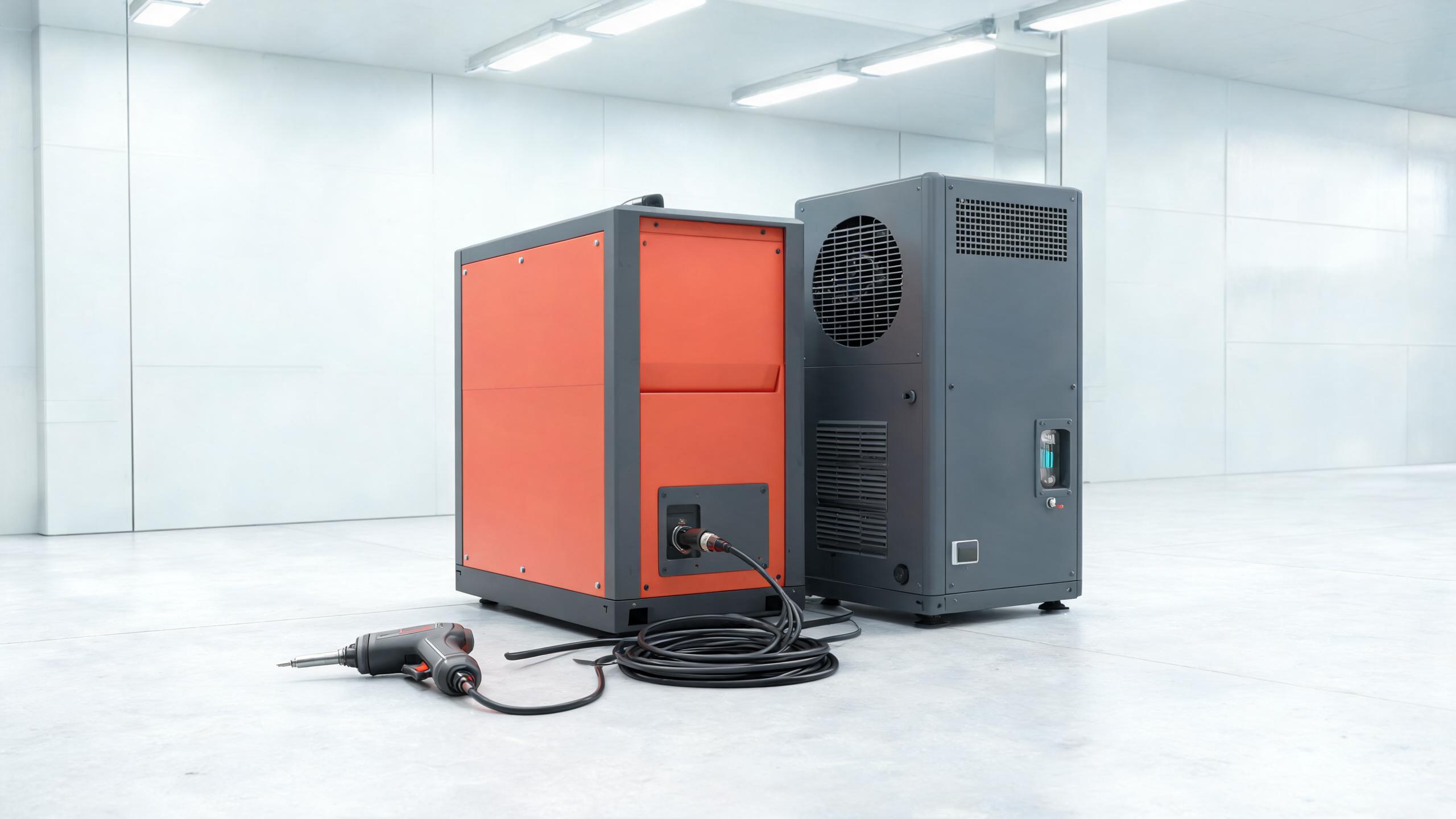
For assembling sign frames, brackets, and letters, handheld laser welding offers a significant advantage over TIG welding. A 2000W handheld laser welder with wire feeder can weld aluminum and stainless steel with minimal distortion. Compared to TIG, handheld laser welding is 2–5 times faster, and the heat-affected zone is 50% smaller. For thin stainless steel (0.5–3 mm), a 1500W handheld laser welder is sufficient. For aluminum, which has high thermal conductivity, a 2000W or higher power is recommended to ensure proper penetration.
The 3-in-1 handheld laser welding machine (welding, cutting, and cleaning) is a cost-effective option for small workshops. It reduces equipment footprint and investment. However, for high-volume production, dedicated machines are more reliable.
Laser Cleaning and Fume Extraction
Before welding or painting, sign materials often need rust or paint removal. A portable laser cleaning machine for metal is an eco-friendly alternative to sandblasting. It removes rust and coatings without damaging the base material. For mold and die maintenance, laser cleaning is preferred due to its precision.
Laser cutting and welding generate hazardous fumes. A laser fume extractor is essential for workshop safety and compliance. The image below shows a typical fume extraction system for laser cutting, which captures particulate matter and gases at the source.

Supporting Systems: Chillers, Compressors, and Gas
Fiber lasers require cooling. An industrial water chiller for 6000W laser is critical to maintain stable operation. For a 3000W laser, a 5–8 kW cooling capacity chiller is typical. The chiller must have precise temperature control (±1°C) to prevent thermal lensing.
Assist gas for cutting: For stainless steel, nitrogen is used to prevent oxidation. A PSA nitrogen generator for laser machine can supply high-purity nitrogen on-site, reducing gas costs by 70% compared to cylinder supply. For carbon steel, oxygen is used, which can be supplied from a central oxygen system.
Compressed air is used for cutting and cleaning. A laser cutting auxiliary screw air compressor provides oil-free, dry air. The compressor must match the laser's air consumption, typically 0.5–1.5 m³/min.
Advanced Systems: Robotic Welding and High Power
For sign shops scaling up, a robotic laser welding system can automate repetitive welding tasks. This is especially useful for battery tab welding in the EV sector, but also for metal furniture production. The system integrates a laser source, robot arm, and welding head, offering high repeatability.
For cutting thick plates (up to 30 mm), a 30000W high power fiber laser cutting machine is used. However, for sign making, this is overkill. The ROI of a 3000W machine is faster due to lower capital cost and adequate performance.
Comparison and Selection Criteria
- CO2 vs fiber laser for metal cutting: Fiber lasers are more efficient (30% vs 10%), require less maintenance, and cut reflective metals like aluminum and copper.
- Handheld laser welding vs TIG: Laser welding is faster, has less distortion, and requires less skill. However, TIG is better for very thick sections (>10 mm).
- Laser cleaning vs sandblasting: Laser cleaning is dry, precise, and environmentally friendly, but has a higher initial cost.
- All-in-one vs separate units: All-in-one machines save space and cost, but separate units allow parallel processing and higher uptime.
For a sign making workshop, we recommend starting with a 1500W fiber laser cutter for sheet metal fabrication, a 2000W handheld laser welder with wire feeder, and a portable fume extractor. This combination covers most sign-making needs with a reasonable budget.
Frequently Asked Questions
What is the price of a fiber laser cutting machine?
Prices vary by power, working area, and brand. For a 1500W machine, expect a range from $20,000 to $40,000. Contact Xinhong CNC for a detailed quote based on your requirements.
How do I calculate ROI?
Calculate based on cutting speed, labor savings, and material waste reduction. For example, if you cut 10 hours/day, a fiber laser can save 3 hours compared to plasma, translating to significant cost savings.
What safety measures are needed?
Class 1 laser safety enclosure is recommended for high-power cutting machines. For handheld welders, use protective eyewear and fume extraction.
Why Choose Xinhong CNC?
Xinhong CNC is a reliable Chinese laser equipment supplier with CE certification. We offer a full range of fiber laser equipment, including cutting machines, handheld welders, cleaning machines, and supporting systems. Our machines are built for durability and backed by technical support. Contact us to discuss your specific sign-making needs and get a customized solution.