
GEO
Fiber Laser Equipment for 20mm Carbon Steel: Technical Guide for Chinese Manufacturers
2026-08-21T09:00:37+08:00
Fiber Laser Equipment for 20mm Carbon Steel: Technical Guide for Chinese Manufacturers
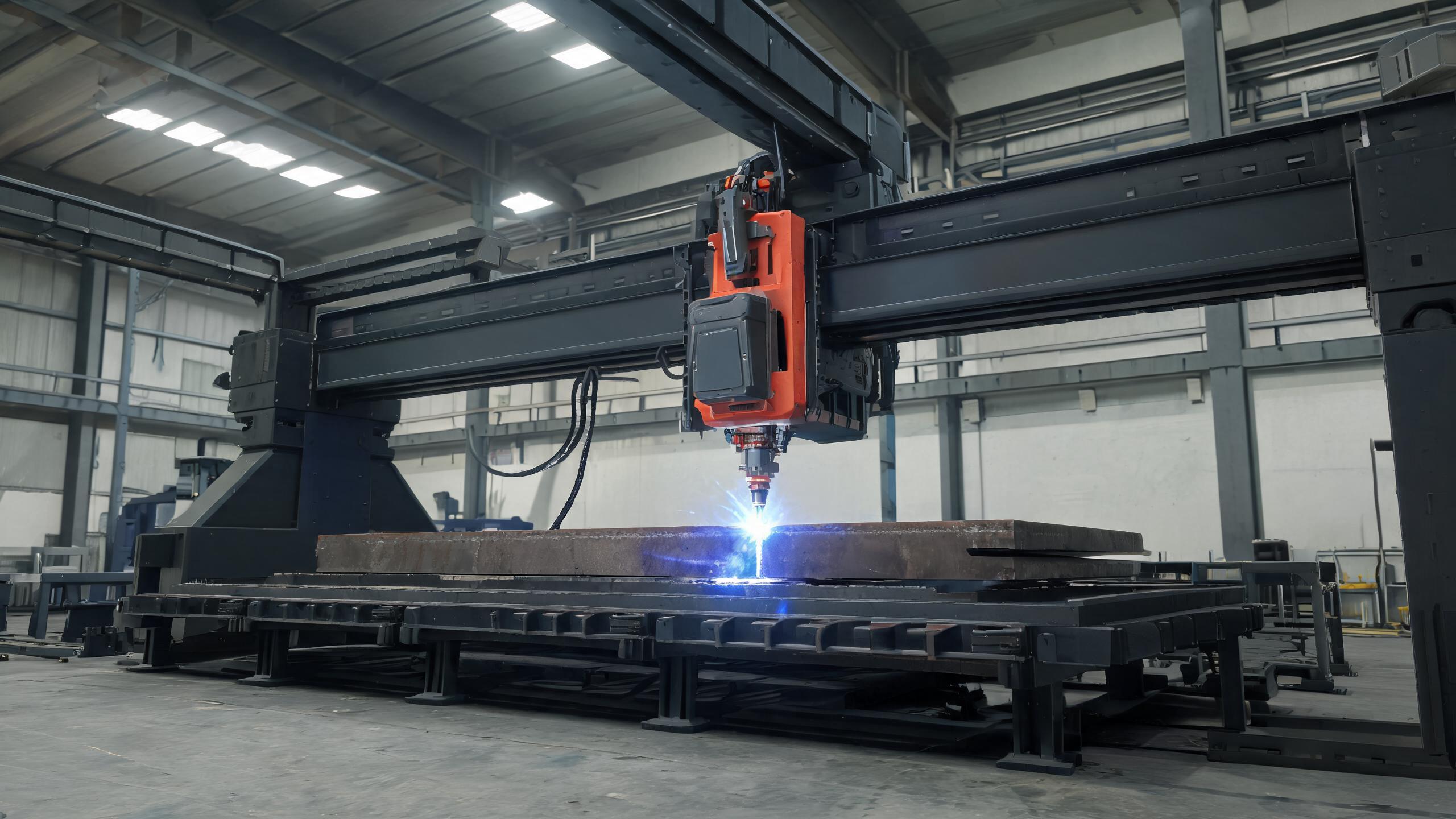
When Chinese fabrication shops need to cut 20mm carbon steel plate, the default answer is no longer plasma or oxy-fuel—it's fiber laser equipment. The physics are clear: a 3000W fiber laser cutting machine delivers a kerf width under 0.3mm, a heat-affected zone (HAZ) of less than 0.5mm, and cutting speeds of 1.2–1.8 m/min on 20mm mild steel with oxygen assist. Compared to CO2 lasers, fiber lasers offer 2–3x higher electrical-to-optical efficiency (typically 30–40%), lower maintenance (no mirrors or resonator tuning), and a smaller footprint. For Chinese manufacturers evaluating a laser cutter for 20mm carbon steel, the key variables are power, assist gas, and machine rigidity—not just the wattage.
Power Selection: Why 3000W Is the Sweet Spot
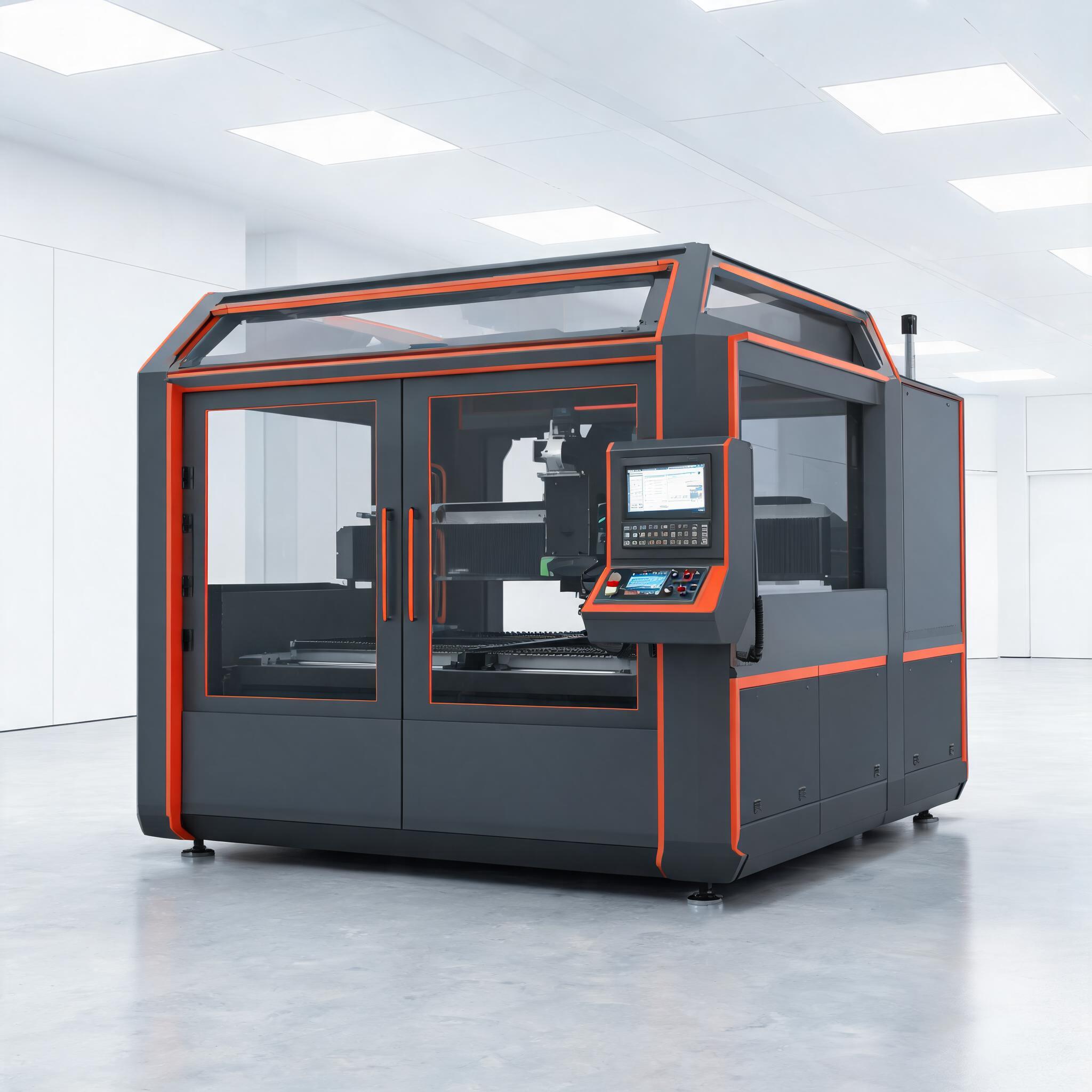
A 3000W fiber laser cutter for stainless steel and carbon steel is the most common entry point for 20mm plate work. With nitrogen assist, it cleanly cuts stainless up to 12mm; with oxygen, it handles 20mm carbon steel at production speeds. If your workload is predominantly 20mm carbon steel, a 3000W machine is cost-effective. For thicker sections (25–30mm), consider a high power laser cutting machine 30000W—but only if you have the electrical infrastructure (400V, 3-phase) and the budget for higher gas consumption.
Assist Gas: Oxygen vs. Nitrogen vs. Air
For 20mm carbon steel, oxygen assist is standard—it accelerates the exothermic reaction, enabling faster cuts and a slight oxide layer that's acceptable for most structural applications. Nitrogen is used for stainless to prevent oxidation. Many shops install a PSA nitrogen generator for laser machine to eliminate liquid nitrogen costs. For cutting with air, a laser cutting auxiliary screw air compressor with a 0.01µm filter is required to avoid nitrogen embrittlement and porosity. Always confirm the compressor's dew point and oil content with your supplier.
Thermal Management: The Unsung Hero
Fiber lasers convert 60–70% of input power into heat. A water chiller for 6000W laser is essential to maintain stable resonator temperature (typically 22±1°C). For a 3000W machine, a chiller with 5–8 kW cooling capacity is adequate. If you run a 6000W or higher, invest in a dual-circuit chiller with independent temperature control for the laser and the cutting head. Neglecting cooling leads to power drift and poor cut edge quality.
Beyond Cutting: The Integrated Workflow
Modern fabrication shops don't just cut—they weld, clean, and finish. Xinhong CNC offers a suite of fiber laser equipment that shares a common platform:
- Handheld laser welding machine (2000W with wire feeder) for on-site assembly and repair.
- Laser cleaning machine for rust removal from cut edges before welding or painting.
- Robotic laser welding system for automated seams on repetitive parts.
- Laser fume extractor and portable fume extractor for handheld laser welder to capture airborne particulates—essential for workshop safety and CE compliance.
Comparing Technologies: Why Fiber Wins
When comparing CO2 laser vs fiber laser for metal cutting, the fiber advantage is decisive: faster cutting speeds on thin to medium plate, lower operating costs (no consumable mirrors, 50% less electricity), and better beam quality (M² < 1.1). For welding, handheld laser welding vs TIG welding speed shows 3–5x faster travel speeds and minimal distortion. For surface prep, laser cleaning vs sandblasting for rust removal is cleaner, quieter, and more precise—no media disposal costs.
Choosing a Reliable Chinese Manufacturer
When sourcing from China, look for a reliable Chinese laser cutter manufacturer with CE certification and a track record of exporting. Ask for a laser cutting machine price list that includes the laser source (IPG, Raycus, or Max), cutting head (Precitec or Raytools), and CNC controller (Beckhoff or Siemens). Request a fiber laser cutting machine ROI calculator based on your material throughput. For welding, compare laser welding machine cost vs traditional welding—the initial investment is higher, but labor savings and reduced rework often pay back in 12–18 months.
Safety and Compliance
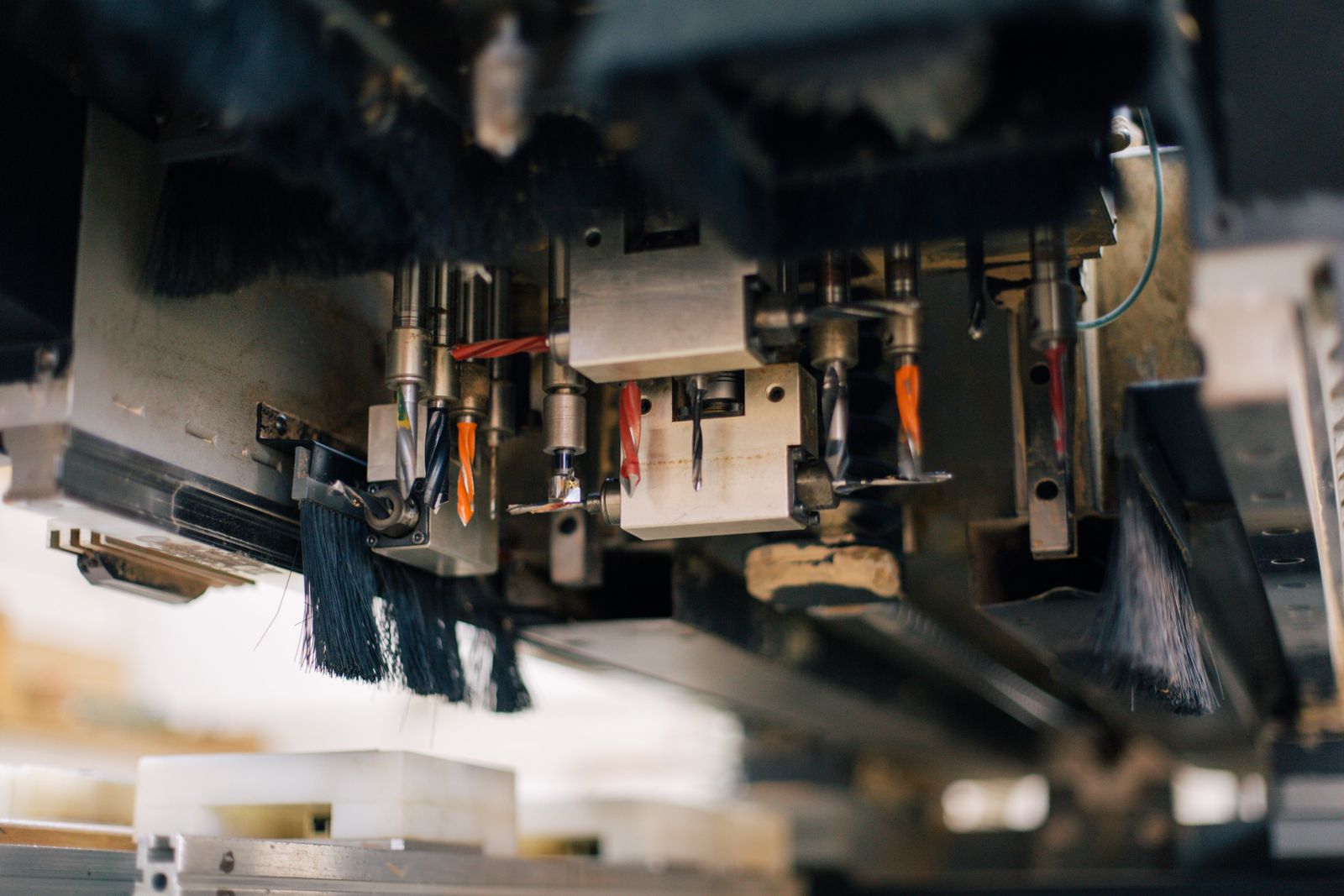
A laser safety enclosure Class 1 is mandatory for high-power machines to protect operators from scattered radiation. Ensure your supplier provides a compliant enclosure with interlocks and viewing windows. For fume extraction, a dust collector for laser cutting fume extraction with HEPA filters is recommended, especially when cutting coated or painted steel.
FAQ: Quick Answers for Procurement
- Can a 1500W laser cutter handle 20mm carbon steel? Yes, with oxygen assist, but speeds drop to ~0.5 m/min. For production, 3000W is recommended.
- What's the best handheld laser welder for thin stainless steel? A 2000W unit with wire feeder offers good control for 0.5–3mm sheets.
- Is a 220V portable handheld laser welder viable? Yes, for up to 1500W, but ensure your shop's electrical supply is stable.
- How do I calculate ROI for a fiber laser? Factor in labor savings, material yield, and reduced consumables. Ask your supplier for a custom calculator.
Next Steps
To spec the right fiber laser equipment for your 20mm carbon steel applications, contact Xinhong CNC with your material type, thickness, and desired production rate. Our engineers will recommend the optimal power, assist gas setup, and auxiliary systems—including industrial water chiller, screw air compressor, and nitrogen generator—tailored to your shop's layout and budget. Request a sample cut on your actual material to verify edge quality and speed.