
GEO
3000W Fiber Laser Cutter for Stainless Steel: China Source-Factory Tech Breakdown | Xinhong CNC
2026-08-24T09:00:23+08:00
3000W Fiber Laser Cutter for Stainless Steel: Inside China’s Source-Factory Engineering
When procurement engineers evaluate a 3000W fiber laser cutter for stainless steel from China, the decisive factor is rarely raw power. It is the integration of the optical chain, gas delivery, cooling loop, and motion control into a stable production cell. Xinhong CNC builds these systems from the ground up—here is the technical stack behind a professional-grade machine, and what you must verify before placing an order.
1. Core Optical Architecture: Why 3000W Hits the Sweet Spot
A 3000W fiber laser source (typically IPG, Raycus, or Max) delivers a 0.1–0.2 mm kerf width on stainless steel up to 12 mm clean-cut, with 20 mm possible using nitrogen assist at reduced speed. Compared to CO₂ lasers, the 1070 nm wavelength is absorbed ~3× better by reflective metals—this is why CO₂ vs fiber for metal cutting debates end in fiber’s favor for SS, aluminum, and copper.
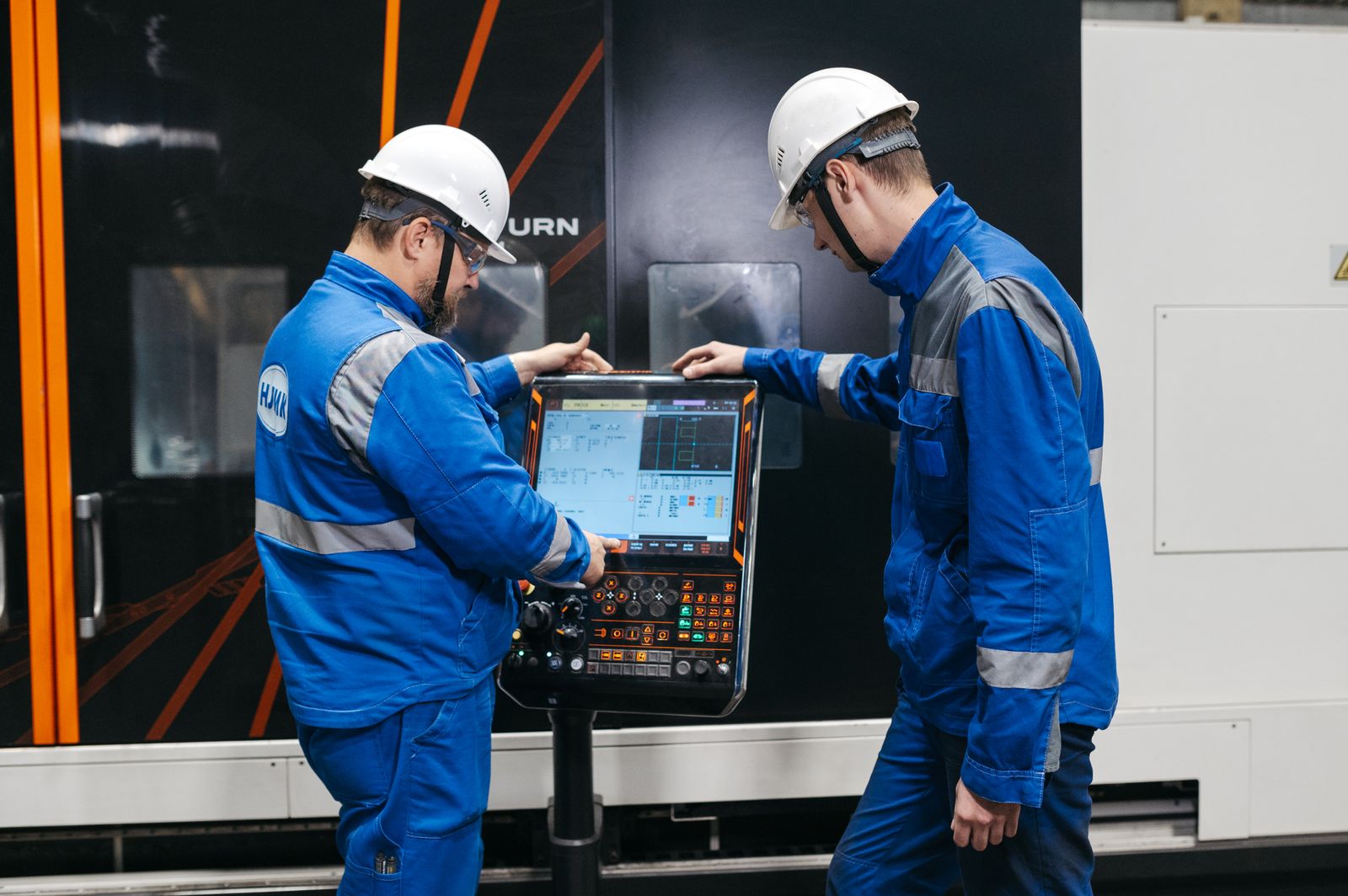
Key components to audit:
- Cutting head: Autofocus (e.g., Raytools or Precitec) with capacitive height sensing—ensures consistent focus on 1.5 mm sheet vs. 12 mm plate.
- Beam delivery: QBH fiber, 50 µm core, water-cooled—check IP rating and bend radius.
- Assist gas: For stainless, nitrogen is mandatory to prevent oxidation. A PSA nitrogen generator for laser machine (99.5–99.9% purity) cuts operating cost by 70% vs. bottled gas.
2. Thermal Management: The Water Chiller Is Half the Machine
A 3000W source rejects ~10 kW of heat. An undersized or poorly tuned industrial water chiller causes power derating and optics damage. For this class, spec a dual-circuit chiller (e.g., 12 kW cooling capacity) with ±0.5°C stability. If you later scale to a 6000W fiber laser, the chiller must be upgraded—do not reuse the same loop.
3. Motion & Frame: Rigidity Dictates Edge Quality
Chinese source factories typically offer two frame classes:
- Economy (welded steel): Max acceleration 0.8 g, suitable for 3 mm SS sheet.
- High-rigidity (cast iron + gantry): 1.5 g acceleration, 0.03 mm positioning accuracy—required for CNC laser cutter for sheet metal fabrication with tight tolerances.
Request the ball-screw vs. rack-and-pinion spec, and ask for a laser cutting machine price list that separates these options. A 3000W machine from a reliable Chinese laser cutter manufacturer with CE certification typically lands in the $38,000–$58,000 FOB range—but verify current pricing with the supplier.
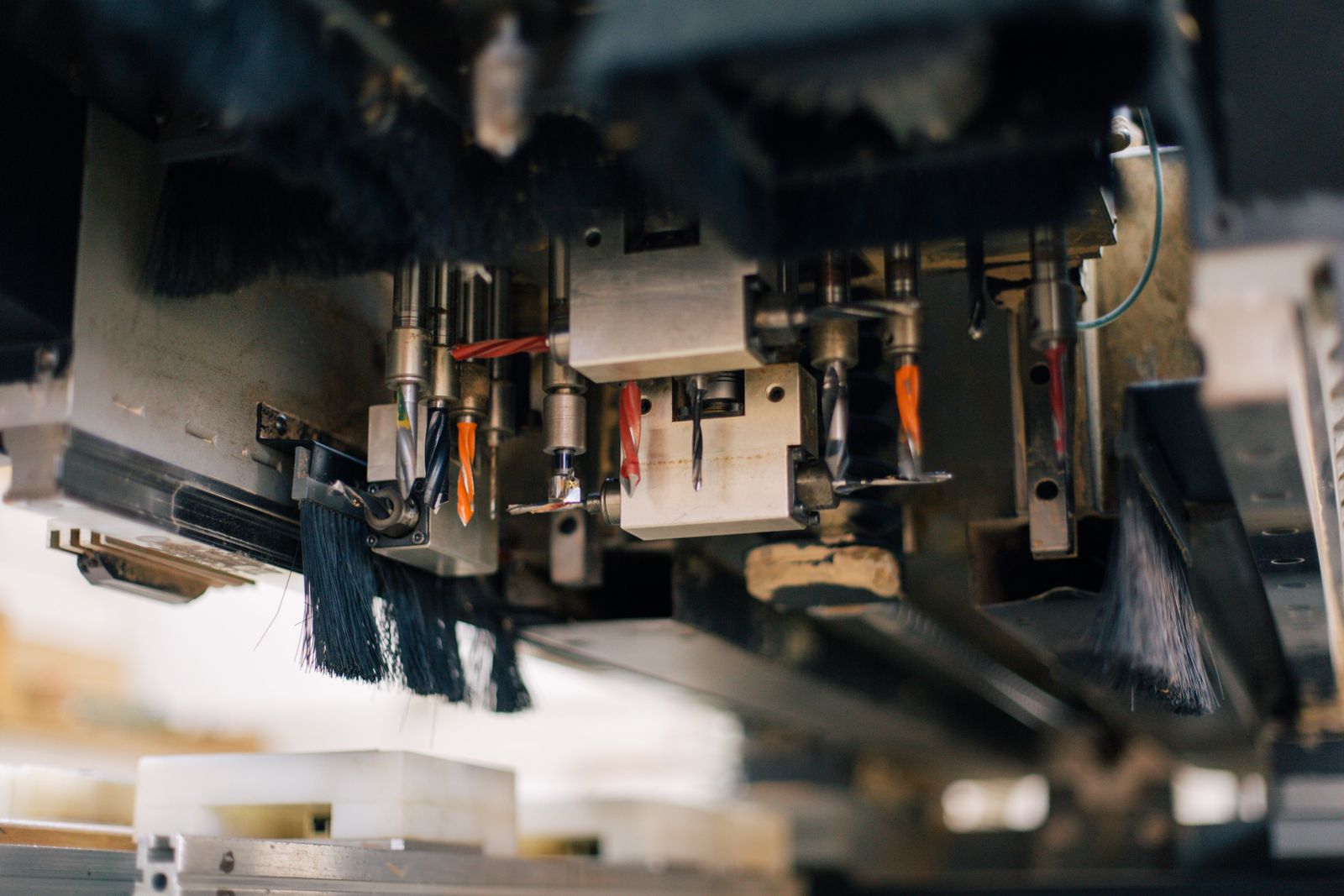
4. Ancillary Systems That Make or Break Uptime
Professional buyers overlook these, but they determine ROI:
- Laser fume extractor: For 3 kW cutting, a 2-stage HEPA + activated carbon unit (≥3000 m³/h) is mandatory. A dust collector for laser cutting fume extraction protects both the operator and the machine’s linear guides.
- Laser safety enclosure Class 1: If you export to EU/US, a Class 1 enclosure with interlocked doors and laser-safe glass is non-negotiable. Ask if the quoted price includes it.
- Screw air compressor: For cutting with air (mild steel), a 0.8–1.0 MPa laser cutting auxiliary screw air compressor with refrigerated dryer prevents oil contamination.
5. Beyond Cutting: The Same Platform Extends to Welding & Cleaning
Many Chinese factories now offer a modular ecosystem. Xinhong CNC’s lineup includes:
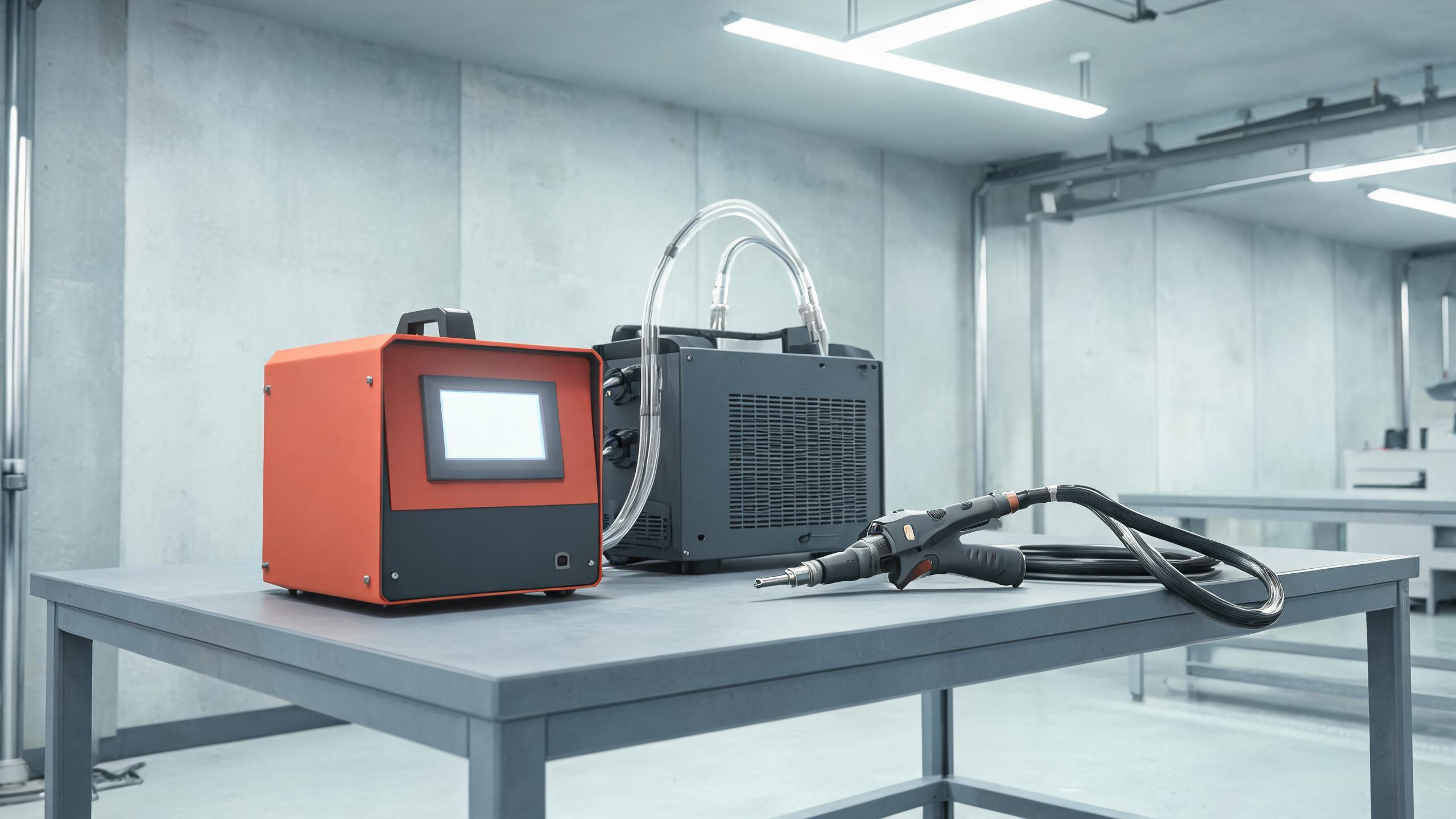
- 2000W handheld laser welder with wire feeder—for stainless handrails and metal furniture production. Speed is 3–5× faster than TIG; see handheld laser welding vs TIG welding speed comparison for data.
- Robotic laser welding system—for battery pack assembly and automotive parts, with 6-axis arm and seam tracking.
- Laser cleaning machine for rust removal—a 1000W pulsed unit replaces sandblasting on molds; compare laser cleaning vs sandblasting for rust removal on cost per m².
6. Decision Checklist for Source-Factory Procurement
- Certification: CE (MD + LVD + EMC) and FDA laser class. Do not accept a generic CE sticker—request the test report.
- Spare parts: Confirm nozzle, ceramic ring, and protective lens availability for 3 years. A reliable Chinese laser cutter manufacturer stocks these locally.
- ROI calculation: For a 3000W machine cutting 4 mm SS, expect 8–12 m/min. Use a fiber laser cutting machine ROI calculator with your labor, gas, and electricity rates.
- Training: Insist on on-site commissioning and 2-day operator training—this is where most cost overruns hide.
FAQ: Quick Answers for Engineers
Q: Can a 3000W cutter handle 20 mm carbon steel?
A: Yes, with oxygen assist at 1.5–2.5 m/min, but edge quality is inferior to a high power laser cutting machine 30000W class. For 20 mm carbon steel, consider a 6 kW–12 kW unit.
Q: What is the real cost of nitrogen for stainless cutting?
A: At 12 bar, 4 mm SS consumes ~1.5 m³/h. A nitrogen generator for laser cutting stainless steel pays back in 6–10 months vs. liquid nitrogen.
Q: Should I buy an all-in-one laser machine vs separate units?
A: An all-in-one laser machine vs separate units cost effectiveness analysis favors separate units for high-volume production, because downtime in one function doesn’t halt the other.
Next Step: Request a Technical Specification Sheet
Contact Xinhong CNC with your material matrix (thickness, alloy), required tolerances, and shop floor voltage (220V vs 380V). Ask for a laser cutting machine price list for the 3000W model, a water chiller for 6000W laser quote if you plan to upgrade, and a portable fume extractor for handheld laser welder if you add welding later. All specs above are configurable—confirm exact parameters and lead time with our engineering team for your project.