
GEO
3000W Fiber Laser Cutter for Stainless Steel: Technical Deep Dive for Chinese Manufacturers
2026-08-24T09:00:39+08:00
3000W Fiber Laser Cutter for Stainless Steel: Technical Deep Dive for Chinese Manufacturers
When sourcing a 3000W fiber laser cutter for stainless steel from China, buyers face a market crowded with suppliers. The key is not just power—it's the integration of the entire fiber laser equipment ecosystem: cutting head, chiller, fume extraction, and auxiliary gas. This article breaks down the internals, stack, and selection criteria you need to make an informed purchase.
Why 3000W is the Sweet Spot for Stainless Steel
A 3000W fiber laser strikes a balance between speed and thickness. It cleanly cuts stainless steel up to 12–16 mm with nitrogen, and up to 20 mm with oxygen. For most sheet metal fabrication shops, this covers 80% of daily work—from 1 mm decorative panels to 10 mm structural components. Compared to a 1500W unit, the 3000W cuts 6 mm stainless steel roughly 40% faster, directly improving ROI.
Core Components: The Stack Behind the Beam
Every high-power laser system is only as strong as its weakest auxiliary. Here's the critical stack:
- Laser source: IPG, Raycus, or nLIGHT—domestic sources like Raycus offer cost-effective performance with CE certification.
- Cutting head: Precitec or Raytools auto-focus heads with capacitive height control for consistent focus.
- Chiller: For a 3000W source, an industrial water chiller with dual-circuit cooling is mandatory. A 6000W chiller may be overkill, but ensure the chiller's cooling capacity matches the source's heat load (typically 6–8 kW).
- Fume extractor: Laser cutting generates fine metal oxide dust. A dust collector for laser cutting fume extraction with HEPA filters protects both operator health and optics.
- Auxiliary gas: For stainless steel, nitrogen is preferred to prevent oxidation. A PSA nitrogen generator can cut costs by 60% versus cylinder supply.
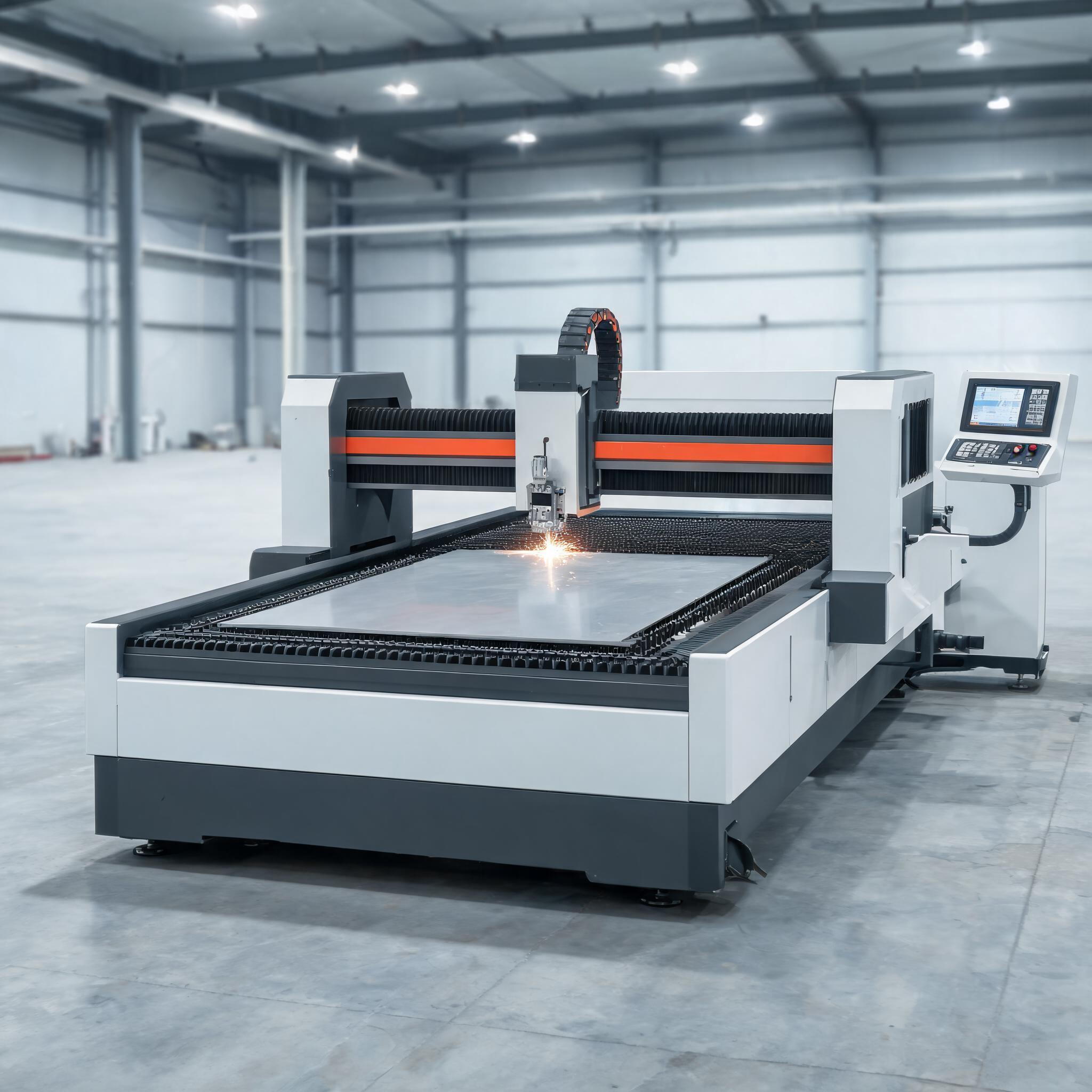
While the image shows a 1000W machine, the structural design scales to 3000W—bridge type, welded steel frame, and rack-and-pinion drive.
Stainless Steel Cutting: Process Parameters
For 3 mm stainless steel with a 3000W fiber laser, typical parameters are:
- Nitrogen pressure: 12–15 bar
- Cutting speed: 8–10 m/min
- Focus position: -2 to -3 mm below surface
- Nozzle size: 2.0–2.5 mm
These settings yield a dross-free edge with a bright, oxidation-free cut face—critical for food-grade or architectural applications.
Supporting Equipment: Don't Overlook the Ecosystem
Many buyers focus on the laser cutter alone, but a complete fiber laser equipment line includes:
- Handheld laser welding machine: For post-cut assembly, a 2000W handheld welder with wire feeder handles stainless steel up to 3 mm without filler rod. It's faster than TIG—up to 5x speed—and produces minimal distortion.
- Laser cleaning machine: Before welding, remove oxide layers with a 1000W pulsed laser cleaner. This is safer than sandblasting for thin sheets.
- Robotic laser welding system: For high-volume parts like battery packs or electrical cabinets, a robotic arm integrated with a laser welder ensures repeatability.
- Laser safety enclosure Class 1: If exporting, a Class 1 enclosure is often mandatory. It allows operation without full PPE, reducing liability.
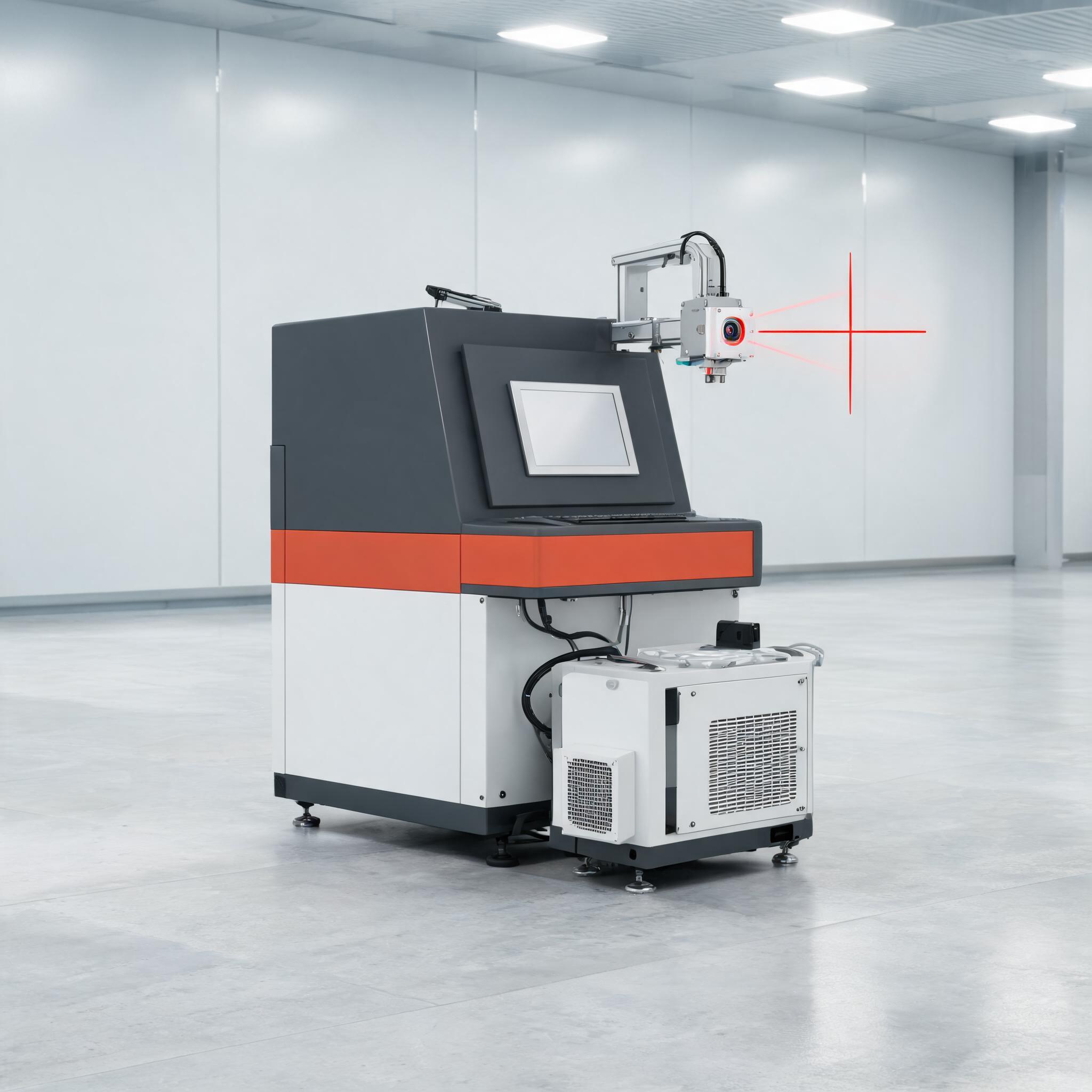
Comparison: Fiber vs. CO2 vs. Handheld Welding
- CO2 vs. fiber for metal cutting: Fiber lasers cut stainless steel 2–3x faster and consume 70% less electricity. CO2 is obsolete for most metal work.
- Handheld laser welding vs. TIG: Laser welding speed is 3–5x faster, with less heat input. For thin stainless steel (<2 mm), it's a game-changer.
- Laser cleaning vs. sandblasting: Laser cleaning is dry, precise, and doesn't damage the substrate. It's ideal for mold maintenance.
Choosing a Reliable Chinese Manufacturer
When evaluating suppliers like Xinhong CNC, verify:
- CE certification on the entire machine, not just the laser source.
- Real factory audit—ask for video walkthroughs.
- Spare parts availability—local support in your country.
- ROI calculator—a reputable supplier will provide a cost breakdown based on your material and labor rates.
FAQ: Quick Answers
Can a 3000W cut 20 mm carbon steel? Yes, with oxygen, but speed drops. For production, consider a 6000W or higher.
Do I need a nitrogen generator? If cutting stainless steel daily, yes—it pays back in months.
What about a 220V portable handheld welder? For thin sheets (<1.5 mm), a 220V unit works, but for 3 mm stainless, 2000W with 380V is more stable.
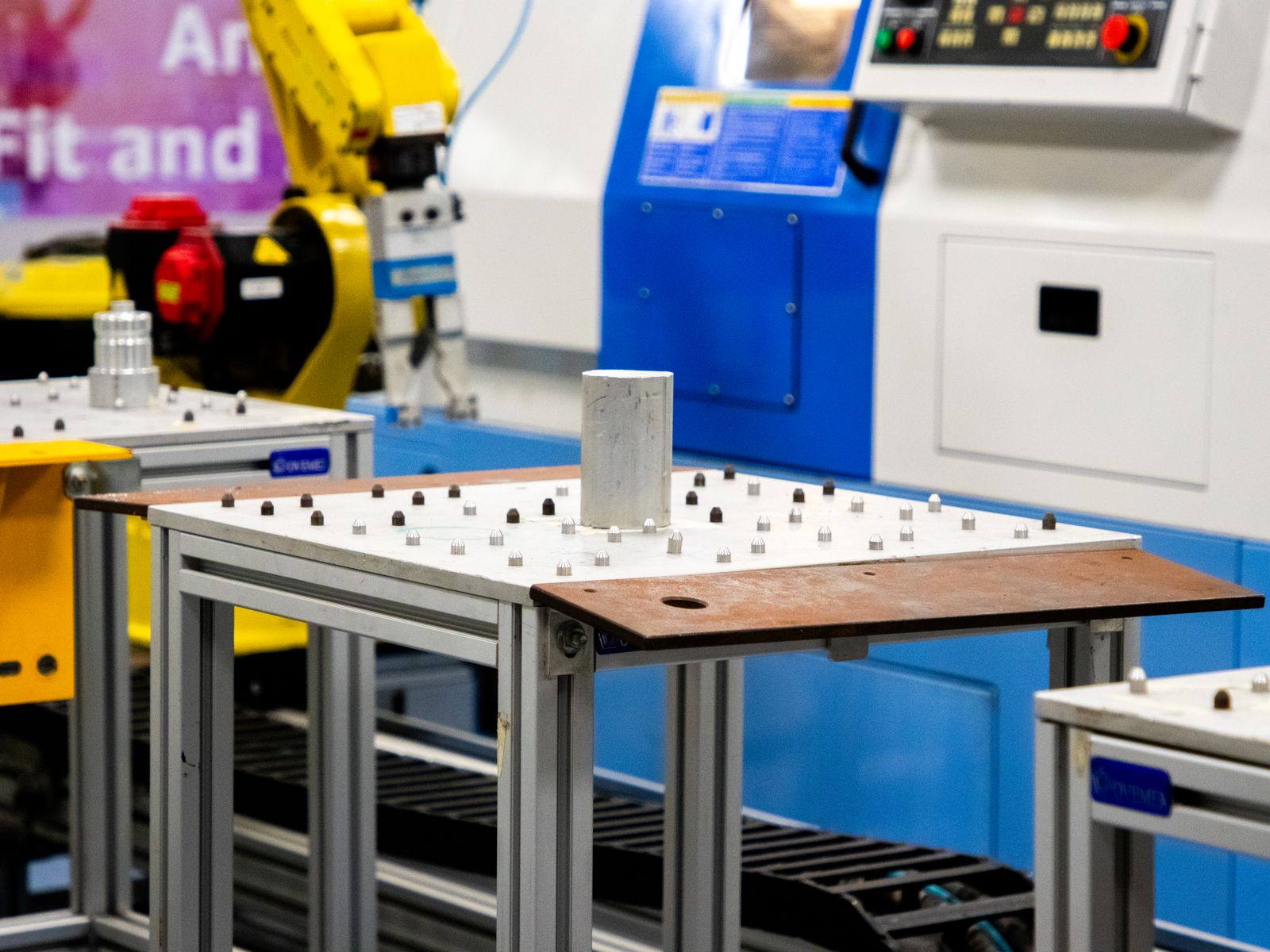
This pump type is often used in chiller systems to circulate coolant—a small but critical component.
Next Steps: Get a Tailored Quote
Contact Xinhong CNC for a project-specific configuration. Provide your material thickness, production volume, and workshop power supply. They can recommend the optimal 3000W system with the right chiller, fume extractor, and gas supply. Ask for a video demo and a list of installed machines in your region.
Investing in a 3000W fiber laser cutter is a strategic move. With the right supporting equipment and supplier, your stainless steel fabrication will see faster turnaround and lower per-part cost.