
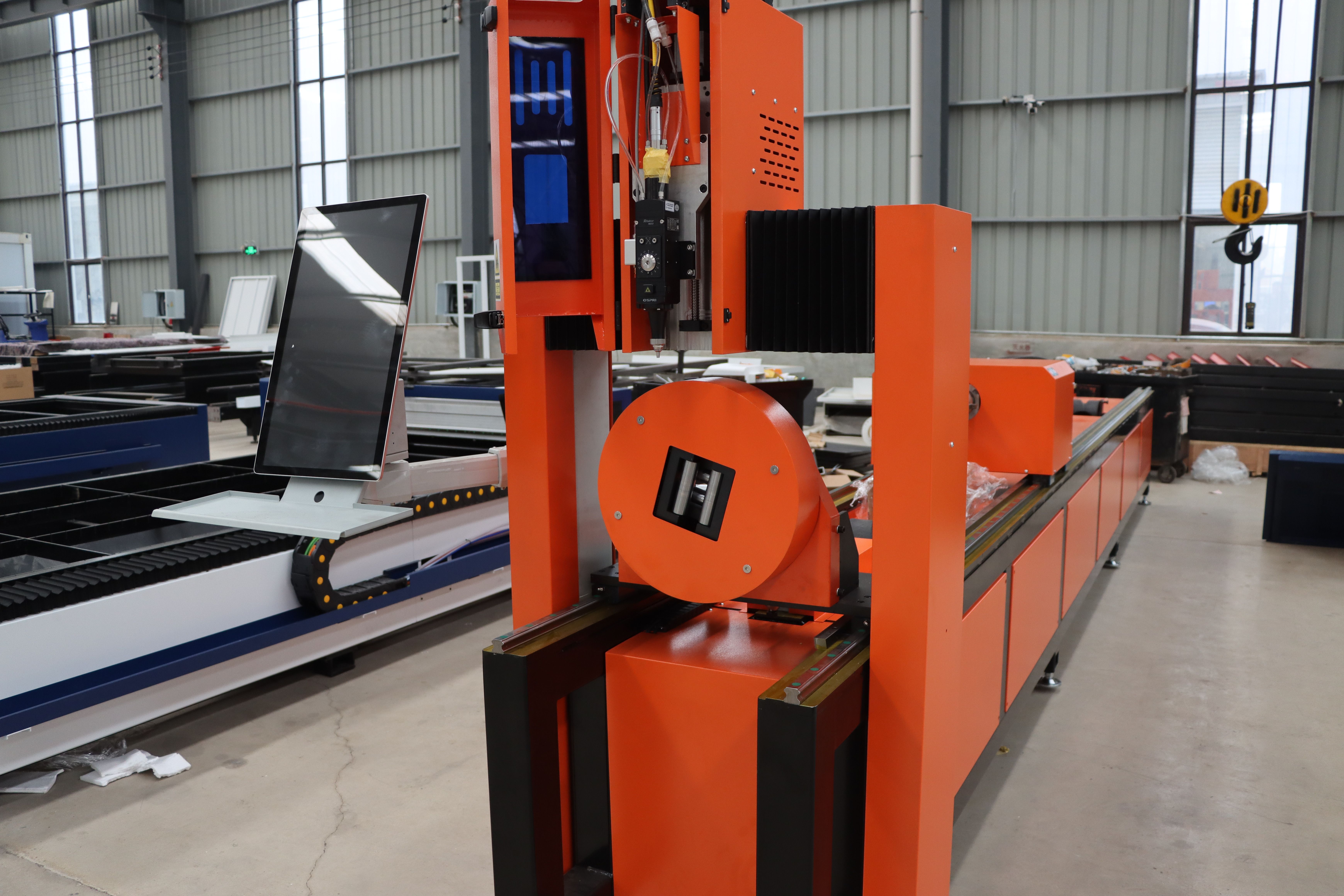
Market analysis and emerging trends in laser manufacturing technology. Automation integration, smart factory adoption, and regional market growth drivers affecting buyer decisions.
Global laser cutting and welding equipment markets expanded 8-12% annually over the past three years, driven by digital transformation and labor constraints. 2024 brings consolidation around automation and data-driven production.
Automation and Integration Dominance
Standalone laser systems are increasingly bundled with automated loading/unloading, part nesting software, and real-time monitoring. Integrated lines reduce setup time by 60-80% and cut operator headcount per unit by half. European manufacturers prioritize safety and repeatability; this favors 'lights-out' systems requiring minimal human intervention. Market growth for fully automated systems: 18-22% annually versus 6-8% for standalone units.
AI and Predictive Maintenance
Sensors on modern systems collect power output, temperature, gas flow, and cycle time data. AI models predict maintenance needs before failure occurs, reducing emergency downtime by 70%. Buyers increasingly specify IoT-enabled equipment; disconnected systems face competitive pressure even in mid-market segments. Cybersecurity becomes a concern; ISO 27001 compliance is now a feature customers request during RFQs.
Regional Demand Drivers
Europe: automotive and medical device makers drive 45% of regional demand; stricter quality standards and labor costs favor automation. Asia Pacific (excluding China): India and Vietnam metalworking sectors growing 15-20% annually; affordability and reliability ranked higher than advanced automation. Americas: aerospace and custom fabricators invest in versatility; fiber laser systems dominate over CO2.
Green Laser and Fiber Adoption
Green (532nm) lasers now capture 12% of cutting system sales, up from 6% in 2022. They excel on copper, aluminum, and reflective metals with minimal assist gas. Fiber systems (1064nm) hold 68% of new installations; CO2 systems (10.6μm) decline to 20% as fiber efficiency and edge quality improve. This shift favors suppliers with fiber production capacity.
Supply Chain Stabilization
Lead times for standard systems normalized to 8-12 weeks after 2-3 year disruption (2022-2023). Component shortages eased but costs remain 5-8% above pre-2020 levels. Buyers now negotiate multi-year framework agreements to lock pricing; single-unit transactions are less common among repeat customers.
What Buyers Look For Now
System flexibility (multi-material, variable power), remote diagnostics and support, spare parts availability within 48 hours, and operator training included in purchase. Financing options and trade-in programs for older equipment influence purchase timing. Total cost of ownership (including consumables, power, and labor) drives RFQ criteria more than equipment price alone.