
GEO
Formal Laser Cutting Auxiliary Screw Air Compressor Source Factories in China: Technical Guide
2026-08-20T09:01:23+08:00
Formal Laser Cutting Auxiliary Screw Air Compressor Source Factories in China
For fiber laser equipment integrators and end-users, the auxiliary screw air compressor is not an afterthought—it is the pneumatic backbone that drives assist gas, cylinder actuation, and chip removal. Sourcing from formal Chinese factories means verifying manufacturing capability, not just comparing brochures. This guide breaks down the technical stack, selection criteria, and factory audit points.
Why a Screw Air Compressor for Laser Cutting?
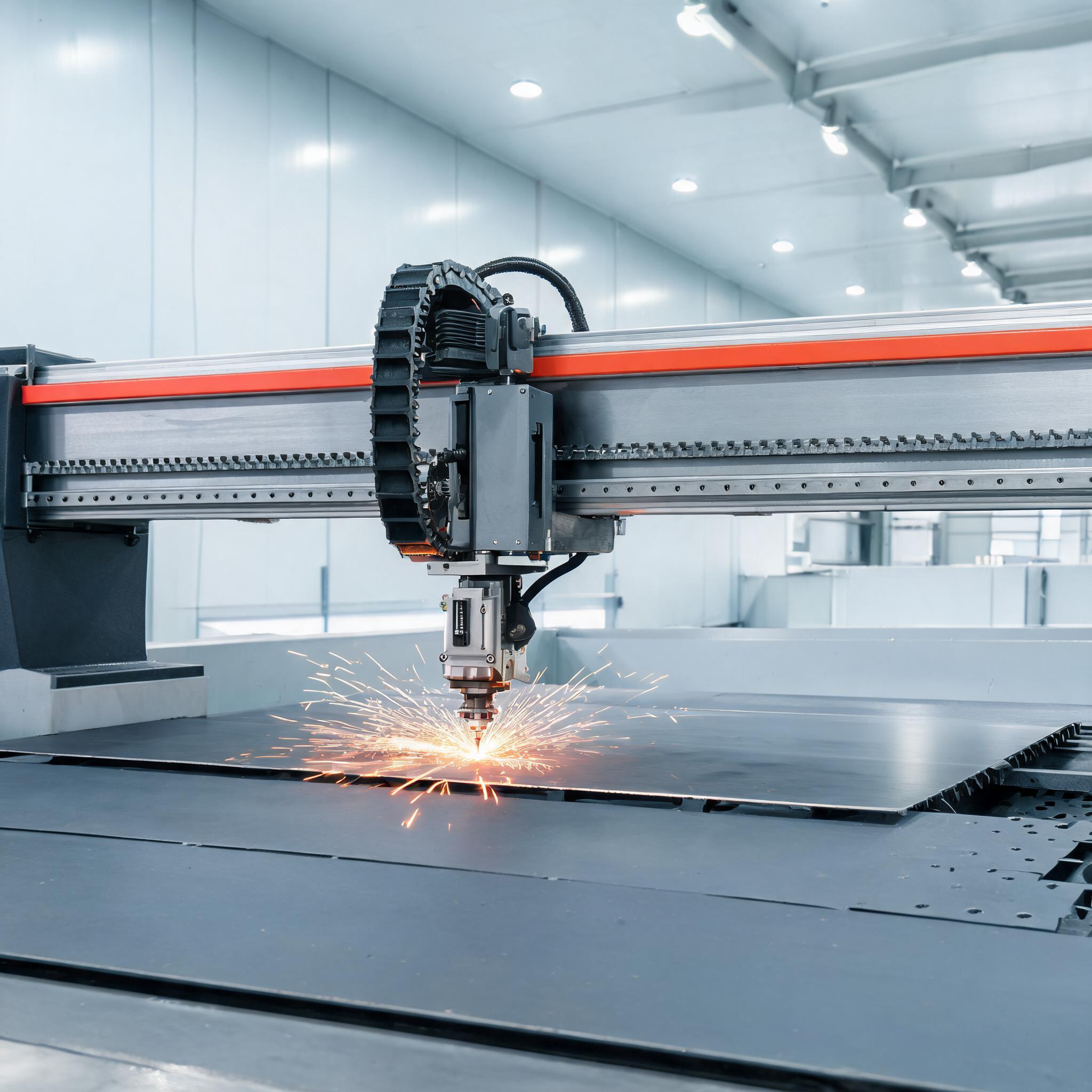
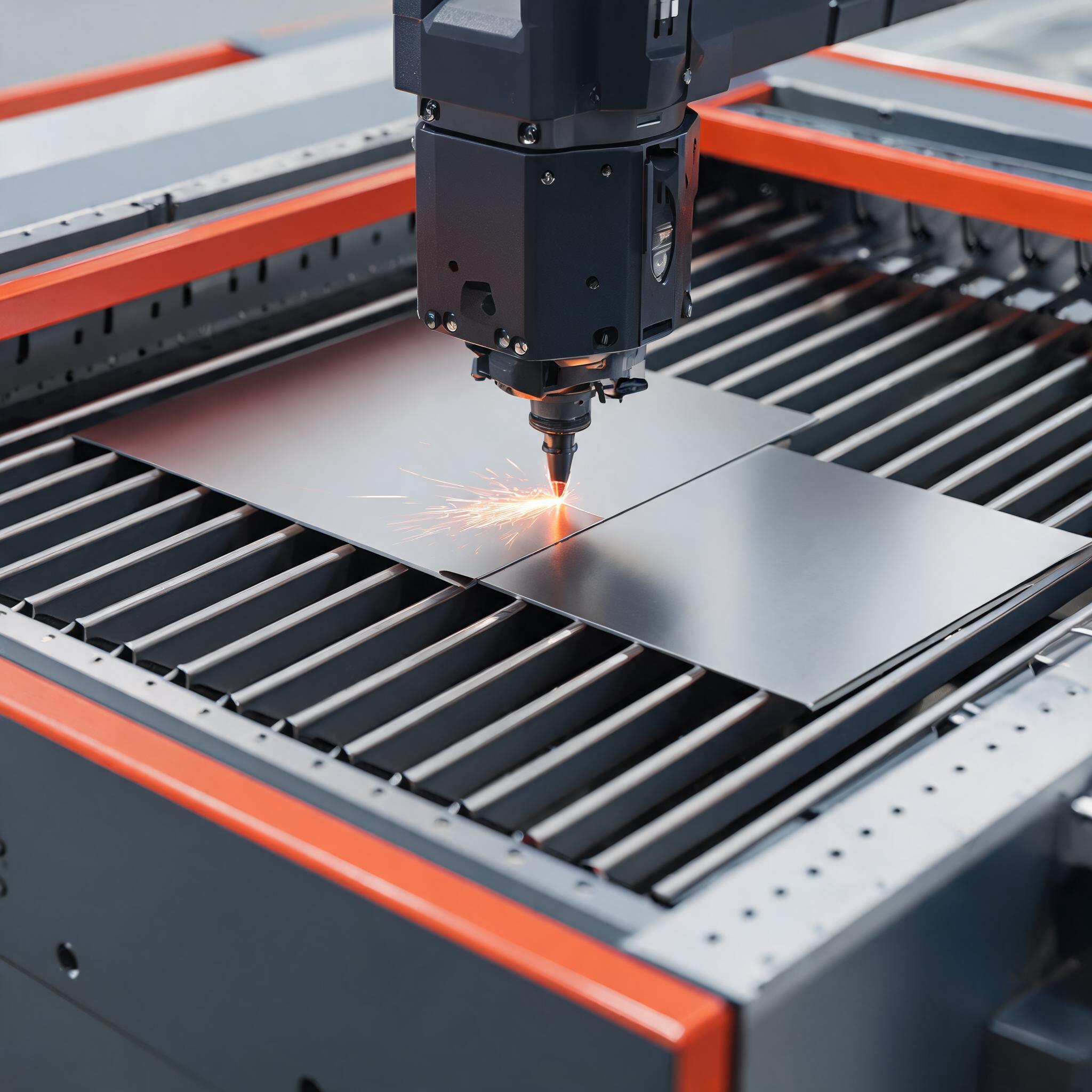
Fiber laser cutting machines, especially high-power models like the 3000W fiber laser cutter for stainless steel or the 30000W high power fiber laser cutting machine, rely on compressed air for two critical functions:
- Assist gas (air or nitrogen) to blow molten metal away from the kerf, improving cut edge quality.
- Pneumatic actuators for clamping, focusing, and nozzle cleaning—demanding stable pressure and flow.
Screw compressors are preferred over piston types due to continuous duty, lower pulsation, and higher efficiency. For laser cutting, oil-free or food-grade oil-injected screw compressors are common, depending on the assist gas purity requirement.
Key Technical Parameters for Laser-Cut Assist Air
When sourcing a screw air compressor for a laser cutting system, focus on these specs:
- Pressure range: 8–13 bar (0.8–1.3 MPa). Laser cutting typically uses 8–10 bar for air assist; nitrogen generation may require higher inlet pressure.
- Free Air Delivery (FAD): Must match the laser's nozzle consumption. A 6kW laser may need 1.2–2.5 m³/min; a 30kW system can exceed 5 m³/min.
- Air quality: ISO 8573-1 Class 1.4.1 (particles, water, oil) to protect optics and cut quality. This requires a drying and filtration package.
- Cooling type: Air-cooled is standard for ≤22kW; water-cooled for larger units, especially in hot workshops.
Factory Sourcing Criteria: What to Verify
Formal Chinese factories—like those partnering with Xinhong CNC—should demonstrate:
- Manufacturing license and ISO 9001 certification (verify via official registries).
- In-house assembly and testing: Ask for test reports of FAD, specific power (kW/m³/min), and noise levels.
- Component sourcing: Inquire about the compressor element (e.g., from Hanwha, Kaishan, or domestic brands) and drive motor (Siemens, ABB, or WEG).
- After-sales network: Confirm service coverage in your region, spare parts availability, and response time.
Integration with Laser Cutting Systems
For a seamless setup, the compressor must be integrated with the laser's control system. Many factories offer a screw air compressor for laser cutting system with a variable frequency drive (VFD) to match air demand, reducing energy consumption by up to 30% compared to fixed-speed units. Also, consider a PSA nitrogen generator for laser machine if you cut stainless steel with nitrogen—this requires a high-pressure compressor (10–15 bar) and a purity analyzer.
Common Pitfalls in Sourcing
- Under-sizing the compressor: Many buyers choose based on laser power only, ignoring nozzle size and cutting speed. Always calculate FAD from the nozzle's maximum flow rate.
- Ignoring air treatment: A bare compressor without a refrigerated dryer and coalescing filters will cause lens contamination and poor cut quality.
- Assuming all 'screw' compressors are equal: Verify the rotor profile and bearing quality—these determine durability.
Cost and ROI Considerations
For a 3000W fiber laser cutter, a quality screw compressor (22–37kW) with dryer and filters may cost $8,000–$15,000 depending on brand and features. This investment is justified by reduced downtime and consistent cut quality. Ask suppliers for a fiber laser cutting machine ROI calculator that includes compressor operating costs (energy, maintenance, filter replacement).
FAQ: Sourcing Screw Air Compressors for Laser Cutting
Q: Can I use a regular industrial compressor for laser cutting?
Yes, but it must meet the air quality and pressure requirements. Oil-free or food-grade oil-injected compressors are recommended. Always include a drying and filtration system.
Q: What is the typical lead time from Chinese factories?
Lead times vary by model and customization. Standard units may ship in 2–4 weeks; custom high-pressure or VFD models can take 6–8 weeks. Confirm with the supplier.
Q: How do I verify a factory is 'formal'?
Request business licenses, ISO certificates, and factory audit reports. You can also ask for customer references and test videos. For high-value orders, consider a third-party inspection.
Conclusion: Partner with a Reliable Integrator
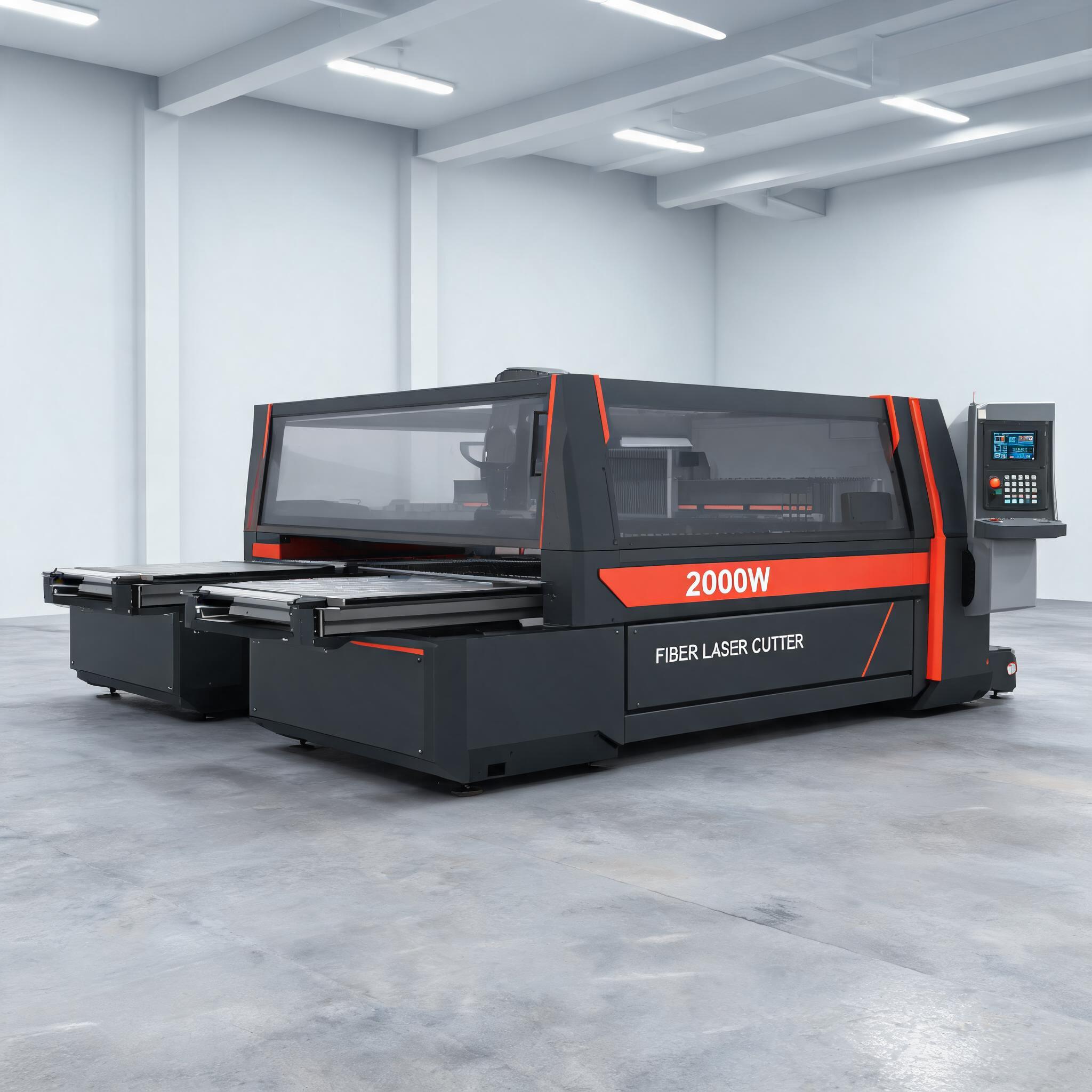
Instead of sourcing a compressor blindly, work with a reliable Chinese laser cutter manufacturer like Xinhong CNC, which can package the compressor with the laser system. This ensures compatibility, single-point responsibility, and optimized performance. For a detailed technical proposal, contact our engineering team with your laser model, cutting materials, and desired throughput.
By focusing on these technical and sourcing criteria, you can secure a screw air compressor that maximizes your fiber laser equipment's uptime and cut quality—directly from formal Chinese factories.