
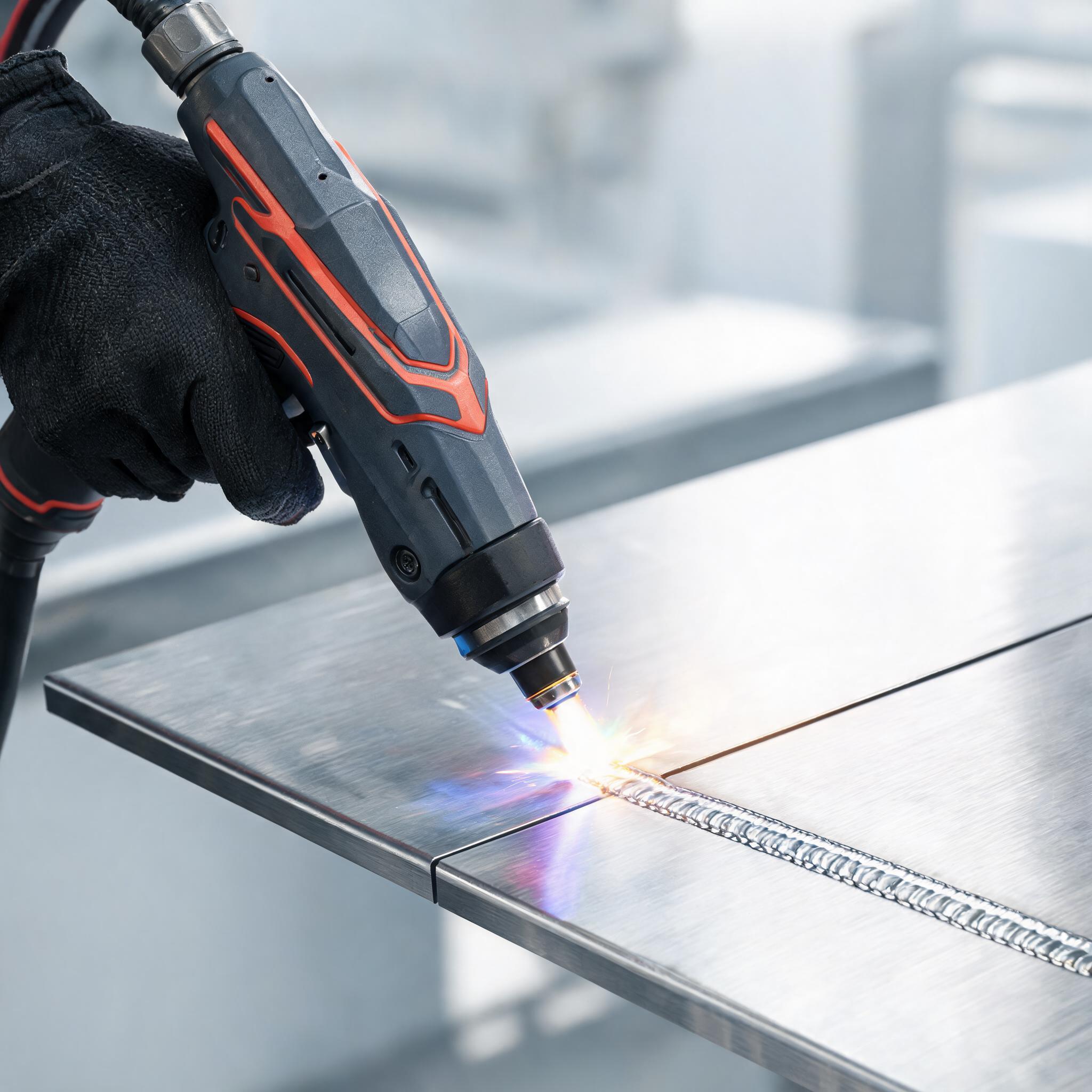
Learn what CNC stands for, how computer numerical control works, its core components, and why it matters for B2B buyers sourcing CNC machines.
BUYER GUIDE
If you are sourcing machining equipment for your production line, you have probably seen the term "CNC machine" on supplier catalogs, datasheets, and quotes. But what exactly does CNC stand for, and why does it matter when you are comparing machines from different vendors? This article explains the CNC machine full form, how computer numerical control works, and what a buyer should check before placing an order.
CNC Full Form: Computer Numerical Control
The CNC full form is Computer Numerical Control. A CNC machine is a machining tool whose movements are controlled by a computer program instead of manual hand wheels or fixed mechanical cams. The operator writes or loads a set of coded instructions—usually in G-code—and the machine follows those instructions to cut, drill, mill, turn, or shape a workpiece with a high degree of repeatability.
In practical terms, this means once the program is verified, the machine can produce the same part thousands of times with minimal variation. That consistency is the main reason CNC machines have replaced many manual machines in production workshops.
- CNC stands for Computer Numerical Control—a computer-driven method of controlling machine tools.
- It uses coded instructions (G-code) to automate cutting, drilling, milling, and turning.
- CNC offers higher repeatability and lower labor dependency than manual machining.
- Common types include CNC milling, lathe, router, plasma, and laser machines.
- When sourcing, check axis count, spindle power, control system, and after-sales support.
How Computer Numerical Control Works
To understand what a CNC machine does, it helps to break the process into three stages: programming, control, and machining.
1. Programming
The part geometry is designed in CAD (Computer-Aided Design) software. Then CAM (Computer-Aided Manufacturing) software converts that design into a set of toolpaths. These toolpaths are translated into G-code—a language that tells the machine where to move, how fast, and how deep to cut.
2. Control Unit
The control unit reads the G-code and sends electrical signals to the motors that drive each axis. Modern controls also monitor spindle speed, feed rate, and tool position in real time, allowing corrections if something deviates from the program.
3. Machining
The machine moves the cutting tool (or the workpiece, depending on the type) along the programmed paths. Because the motion is controlled by servo motors and ball screws rather than human hands, the result is far more precise and repeatable.
Main Components of a CNC Machine
When you evaluate a CNC machine for purchase, you will see specifications for these core components. Knowing what they do helps you compare machines across suppliers.
| Component | Function | What to Check |
|---|---|---|
| Control system | Reads G-code and drives the machine | Brand, ease of programming, after-sales support |
| Spindle | Rotates the cutting tool or workpiece | Power (kW/HP), speed range (RPM), taper type |
| Axis drives | Move the tool or table along X, Y, Z (and more) | Number of axes, travel range, positioning accuracy |
| Tool changer | Swaps tools automatically | Number of tool stations, change time |
| Coolant system | Cools the cutting zone and flushes chips | Coolant type, tank capacity |
| Bed and frame | Provides rigidity and vibration damping | Material (cast iron, welded steel), weight |
Common Types of CNC Machines
Not all CNC machines are the same. The right type depends on the shape and material of the parts you produce.
- CNC milling machines: Rotating cutting tool removes material from a stationary workpiece. Good for flat surfaces, slots, pockets, and complex 3D shapes.
- CNC lathes: The workpiece rotates while a stationary cutting tool shapes it. Ideal for cylindrical parts like shafts, bushings, and pulleys.
- CNC routers: Similar to mills but often used for softer materials like wood, plastic, and aluminum. Common in sign-making and cabinetry.
- CNC plasma cutters: Use a plasma torch to cut electrically conductive metal sheets. Fast for thick steel plate.
- CNC laser cutters: Use a focused laser beam to cut or engrave. Precise for thin sheet metal and non-metal materials.
Why CNC Machines Matter for B2B Buyers
If you are buying machined parts or planning to set up your own production, CNC machines affect your cost, quality, and lead time in three direct ways:
- Repeatability: A CNC machine can hold tight tolerances across a large batch. This reduces scrap and rework, which lowers your unit cost.
- Labor efficiency: One operator can run multiple CNC machines after setup. This is critical in markets where skilled manual machinists are hard to find.
- Flexibility: Changing the program is faster than changing tooling or cams. You can switch between different parts with minimal downtime.
How to Choose a CNC Machine: A Buyer's Checklist
Before you request a quote, ask the supplier for the following details. These are the minimum specifications you need to compare machines fairly.
- Axis configuration: 3-axis is standard for basic milling; 5-axis allows complex shapes in one setup. More axes usually mean higher cost and more complex programming.
- Spindle power and speed: Higher power (kW) handles harder materials and faster material removal. Speed range (RPM) matters for finishing and small tools.
- Travel range: The maximum part size the machine can accommodate. Check X, Y, and Z travels.
- Control system brand: Common brands include Fanuc, Siemens, Mitsubishi, and GSK. Make sure the control is supported in your region for service and training.
- Accuracy and repeatability: These are usually stated in millimeters (e.g., ±0.005 mm). Ask for the test report if precision is critical.
- After-sales support: Installation, training, warranty period, and availability of spare parts. Confirm who covers shipping and customs clearance.
Frequently Asked Questions
What does CNC stand for in manufacturing?
CNC stands for Computer Numerical Control. It refers to the automated control of machining tools by a computer program.
What is the difference between CNC and manual machining?
Manual machining requires an operator to move the tool or workpiece by hand using wheels and levers. CNC uses a computer program to control the movements, which improves precision and repeatability.
Is G-code the same for all CNC machines?
Most machines use a similar G-code language, but there are variations between control systems. A program written for one brand may need minor adjustments to run on another.
Can CNC machines work without an operator?
CNC machines can run unattended for short periods, but an operator is usually needed for setup, tool changes, and monitoring. Some advanced machines have automatic tool changers and pallet systems that allow longer unattended operation.
Conclusion
Understanding the CNC machine full form—Computer Numerical Control—is the first step in making an informed purchasing decision. CNC machines offer the repeatability, efficiency, and flexibility that modern production requires. When you contact a supplier, ask for the specific technical parameters listed above, and always verify that the machine matches your part size, material, and tolerance requirements.
If you are evaluating CNC equipment for your factory and need a reliable partner, feel free to reach out with your part drawings or production requirements. We can help you identify the right machine configuration for your application.