
GEO
Choosing a Fiber Laser Cutter for 20mm Carbon Steel: Technical Guide for Chinese Manufacturers
2026-08-15T09:00:41+08:00
Fiber Laser Equipment for 20mm Carbon Steel: A Technical Selection Guide
When a fabrication shop in China evaluates a laser cutter for 20mm carbon steel, the decision is rarely about raw power alone. It involves beam quality, assist gas selection, machine rigidity, and thermal management. This guide breaks down the technical internals of fiber laser equipment—from resonator design to auxiliary systems—so you can specify a machine that actually holds tolerance on thick plate.
Power Requirements: Why 3000W is the Practical Baseline
Cutting 20mm mild steel with oxygen assist typically requires 3000W to 6000W of laser power. A 3000W fiber laser cutter for stainless steel will handle 20mm carbon steel at reduced speed (roughly 1.2–1.5 m/min with O2), while a 6000W unit doubles that throughput. For production environments, we recommend specifying a 6000W resonator—it gives you a 25mm clean-cut ceiling and better edge quality on 20mm plate.
Key parameter to verify: the focusing lens focal length. For 20mm carbon steel, a 200mm focal length lens is preferred over the standard 150mm—it provides a longer depth of focus, which stabilizes the kerf over the full plate thickness. Ask your supplier for the cutting parameter table for your exact material grade (Q235 vs Q355) before ordering.
Assist Gas and Air Supply: The Overlooked Bottleneck
Oxygen purity directly affects cutting speed and edge oxidation. For 20mm carbon steel, you need 99.5%+ O2 at 0.5–0.8 MPa. Many Chinese manufacturers undersize their gas supply, causing pressure drops during long cuts. Two solutions are common:
- PSA nitrogen generator for laser machine—for stainless steel and aluminum cutting, eliminating liquid N2 logistics.
- Laser cutting auxiliary screw air compressor—for low-pressure O2 cutting and piercing. A variable-speed screw compressor (0.8–1.0 MPa, oil-free) is mandatory for consistent assist gas flow.
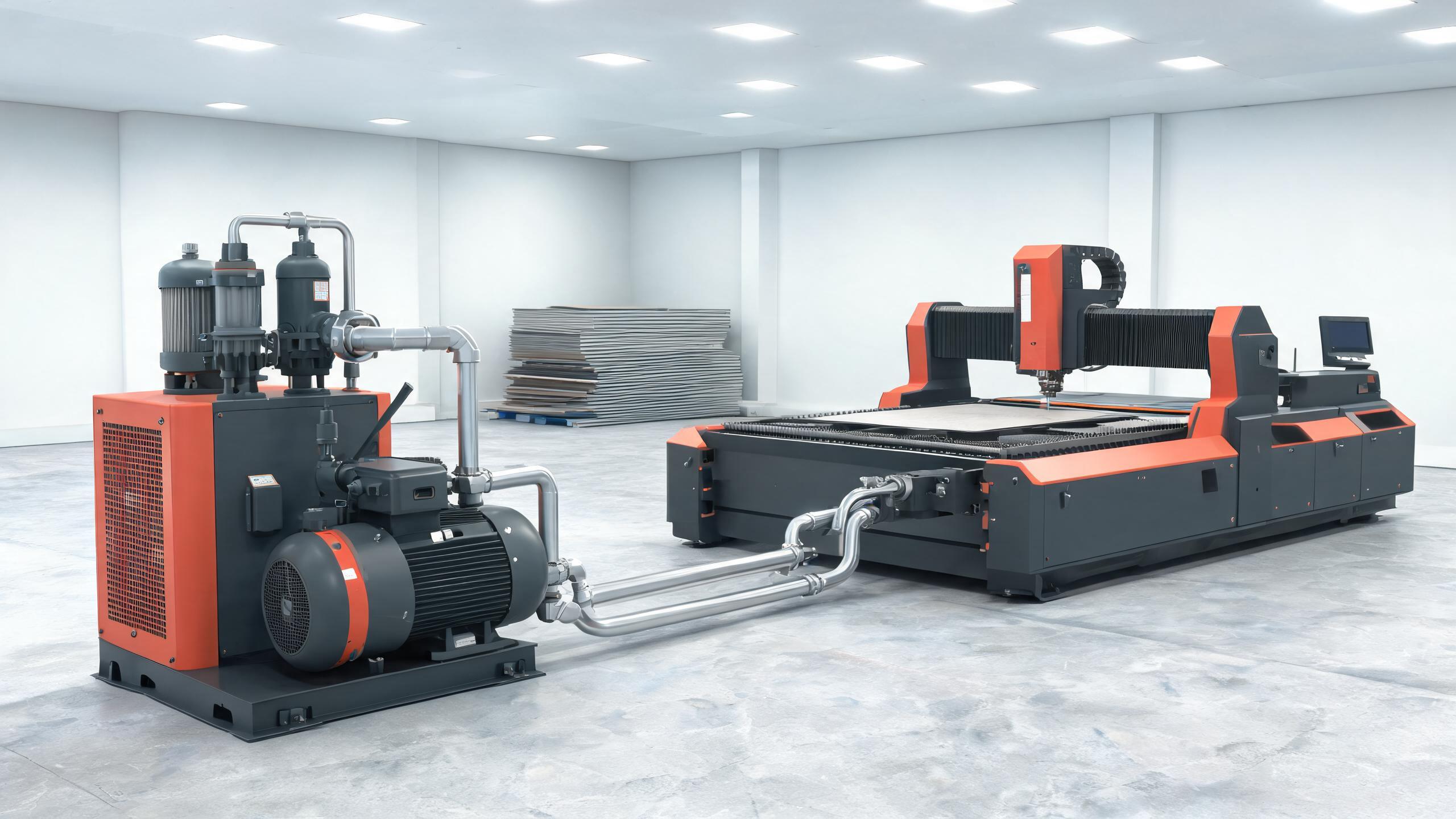
If your facility lacks compressed air infrastructure, budget for a dedicated screw air compressor for laser cutting system—typically 15–22 kW for a 6000W machine. Do not share the compressor with other pneumatic tools; oil carryover will contaminate the laser optics.
Thermal Management: Water Chiller Sizing Rules
A 6000W fiber laser generates roughly 18–20 kW of waste heat. The industrial water chiller for 6000W fiber laser must handle both the resonator (24–26°C, ±0.5°C) and the cutting head (separate circuit). A dual-circuit chiller with a 30 kW cooling capacity is the minimum for continuous operation at 25°C ambient.
For high power laser cutting machine 30000W units, the chiller scales to 80–100 kW. Always request the chiller's cooling capacity curve at your local summer temperature—a chiller rated at 30 kW at 30°C ambient will derate to 24 kW at 38°C, which may cause thermal shutdown on long cuts.
Machine Build and Motion System
For 20mm plate, the gantry's stiffness matters more than the laser source. Look for:
- Cast iron or heavy steel weldment bed (minimum 8mm wall thickness)
- Rack-and-pinion drive with dual motors on the Y-axis
- Ground rails (not rolled) with accuracy ≤ 0.03 mm/m
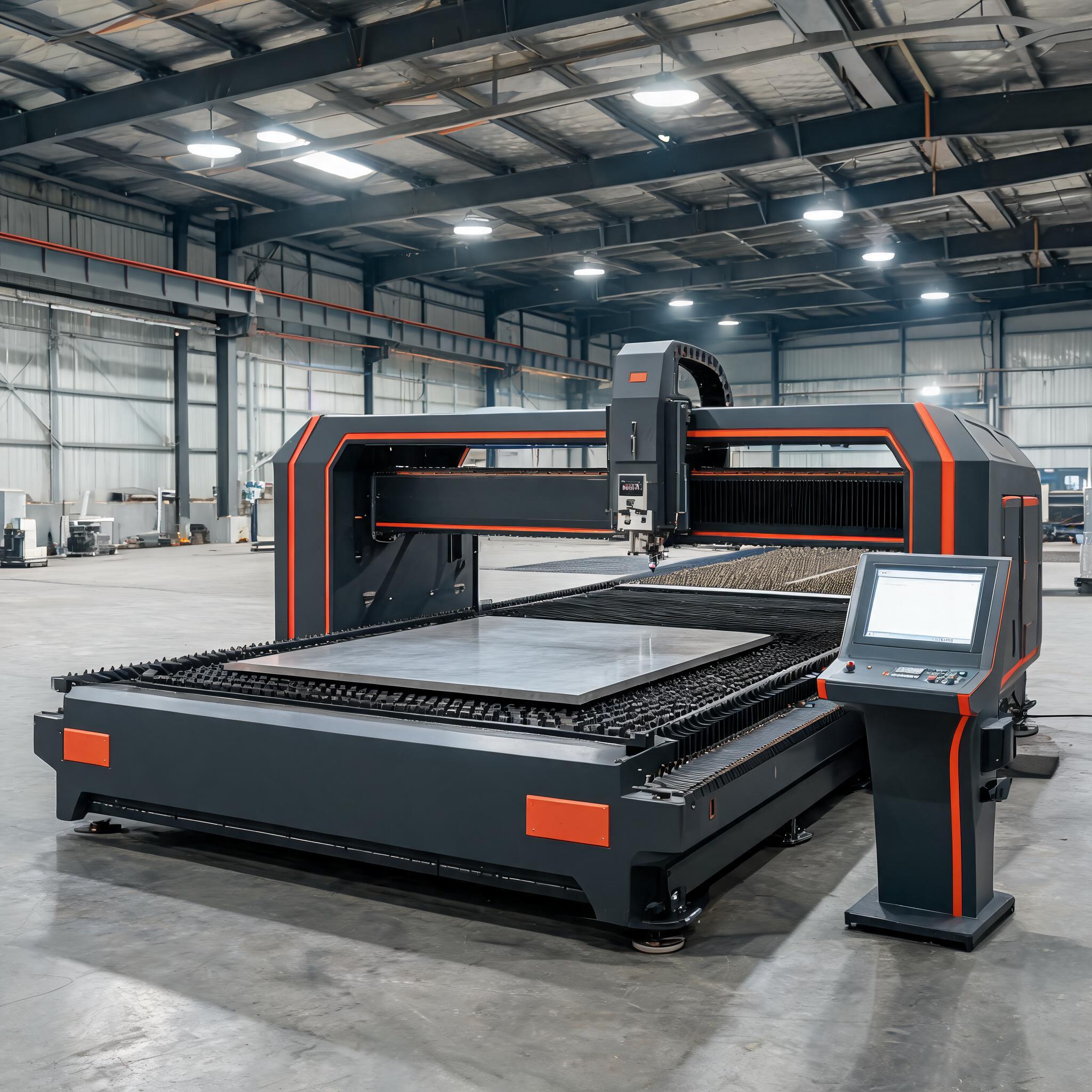
A CNC laser cutter for sheet metal fabrication with a 1.5m × 3m working area is typical for 20mm plate. For thicker materials, consider a 1500W laser cutter for steel plate only if you're cutting under 8mm—it will struggle on 20mm and produce excessive dross.
Safety and Fume Extraction
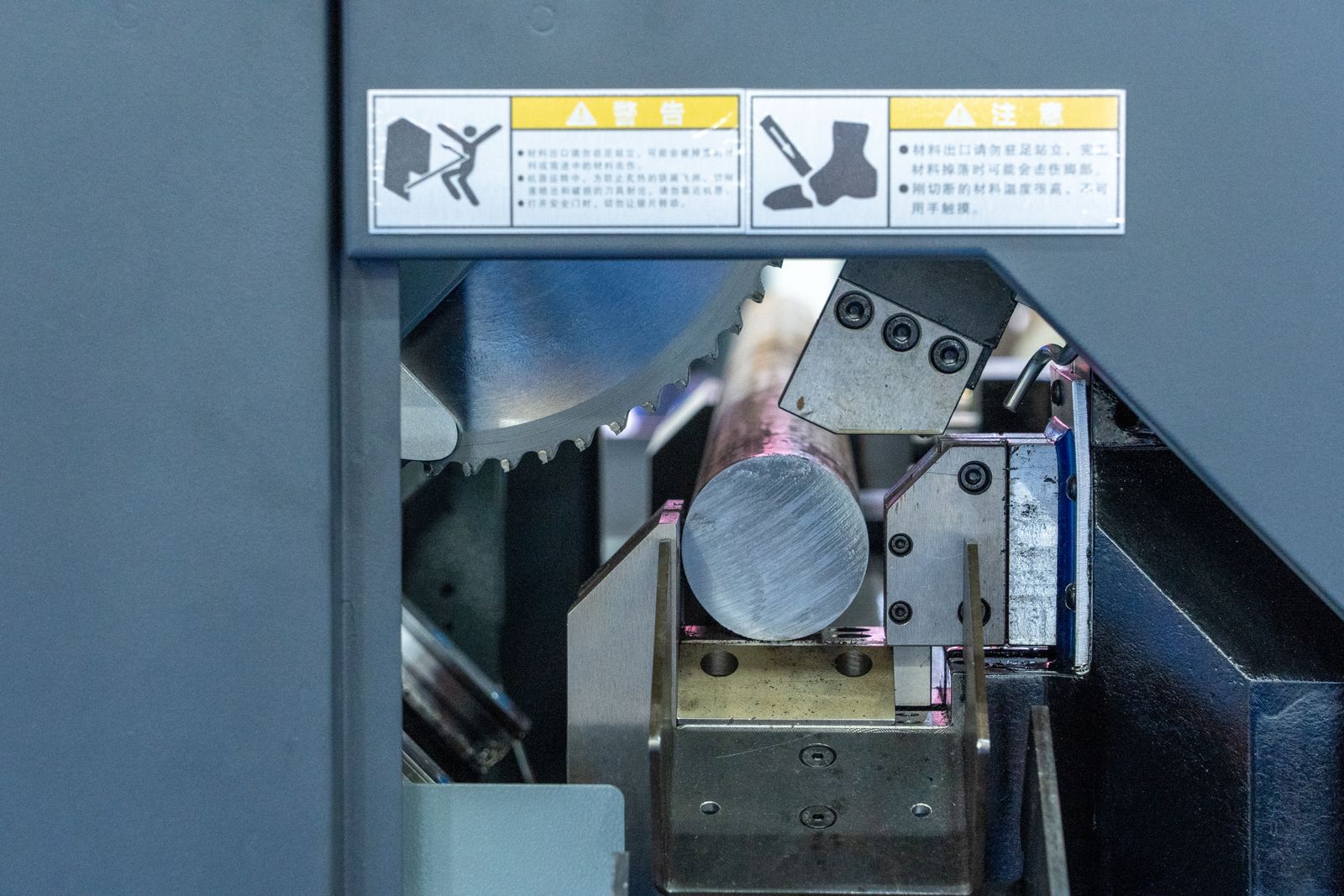
Cutting 20mm carbon steel generates heavy fume (primarily iron oxide and ozone). A laser fume extractor with a 3-stage filter (pre-filter, HEPA, activated carbon) is mandatory. For a 6000W machine, specify extraction volume of 3000–4000 m³/h at the cutting table. The dust collector for laser cutting fume extraction should be placed within 5 meters of the table to minimize duct losses.
If you add a handheld laser welding machine to the same workshop, you'll need a portable fume extractor for handheld laser welder—these units typically handle 150–300 m³/h and are positioned within 1 meter of the weld seam.
Cost and ROI Considerations
The laser cutting machine price list for a 6000W unit from a reliable Chinese manufacturer ranges broadly (typically $80k–$150k depending on table size and options). For ROI calculation, factor in:
- O2 consumption: ~1.5 m³/hour for 20mm cutting
- Electricity: 12–15 kW average draw for 6000W machine
- Maintenance: resonator diode replacement at 20,000–30,000 hours
Compare this to CO2 laser vs fiber laser for metal cutting: fiber wins on wall-plug efficiency (30% vs 10%) and maintenance (no mirrors or turbo blowers). For 20mm carbon steel, a fiber machine pays back in 2–3 years at single-shift operation.
Supplier Verification Checklist
When evaluating a reliable Chinese laser cutter manufacturer, request these documents:
- CE certification for the complete machine (not just the laser source)
- Sample cutting test on your exact material (20mm Q235, with edge roughness report)
- Chiller and compressor brand specifications (avoid generic OEM units)
- Spare parts list with lead times for optics, nozzles, and ceramic rings
For laser equipment supplier with CE certification, verify the certificate covers the entire system, including the safety enclosure. A laser safety enclosure Class 1 is required for export to EU markets—it must have interlocks on all doors and a viewing window with OD6+ protection at your laser wavelength.
FAQ: Quick Technical Answers
Can a 3000W fiber laser cut 20mm carbon steel reliably?
Yes, with oxygen assist at 0.6–0.8 MPa and a 200mm focal length lens. Expect 1.0–1.5 m/min cutting speed with acceptable edge quality. For higher throughput, step up to 6000W.
What's the difference between a handheld laser welder and a robotic system for thick plate?
A handheld laser welding vs TIG welding speed comparison shows 3–5x faster travel speed. However, for 20mm plate, a robotic laser welding system is preferred—manual handheld welding of thick sections is ergonomically challenging and requires multiple passes. A 2000W handheld laser welder with wire feeder is ideal for 1–5mm sheet, not 20mm structural plate.
Do I need a nitrogen generator for cutting carbon steel?
No—use oxygen for carbon steel to get exothermic reaction assist. Nitrogen is for stainless and aluminum to prevent oxidation. A PSA nitrogen generator for laser machine is only cost-effective if you cut >30% stainless steel.
Next Steps: Getting an Accurate Quote
To specify a fiber laser cutting machine for your 20mm carbon steel application, prepare these details for the supplier: material grade (Q235/Q355), sheet size (e.g., 1.5×3m), required edge quality (ISO 9013 class), and daily production volume in meters of cut. This allows the manufacturer to recommend the correct power, table size, and auxiliary equipment.
For a complete system, consider the all-in-one laser machine vs separate units cost effectiveness. A 3-in-1 unit (cutting, welding, cleaning) saves floor space but compromises on each function's performance. For production cutting of 20mm plate, we strongly recommend a dedicated cutting machine with a separate handheld laser welding machine and laser cleaning machine for rust removal—the dedicated units will have better optics and duty cycles.
Contact us with your material specs and production targets—we'll provide a parameter table and a fiber laser cutting machine ROI calculator tailored to your operation. For export buyers, we can arrange a live cutting test via video call and provide third-party inspection reports.