
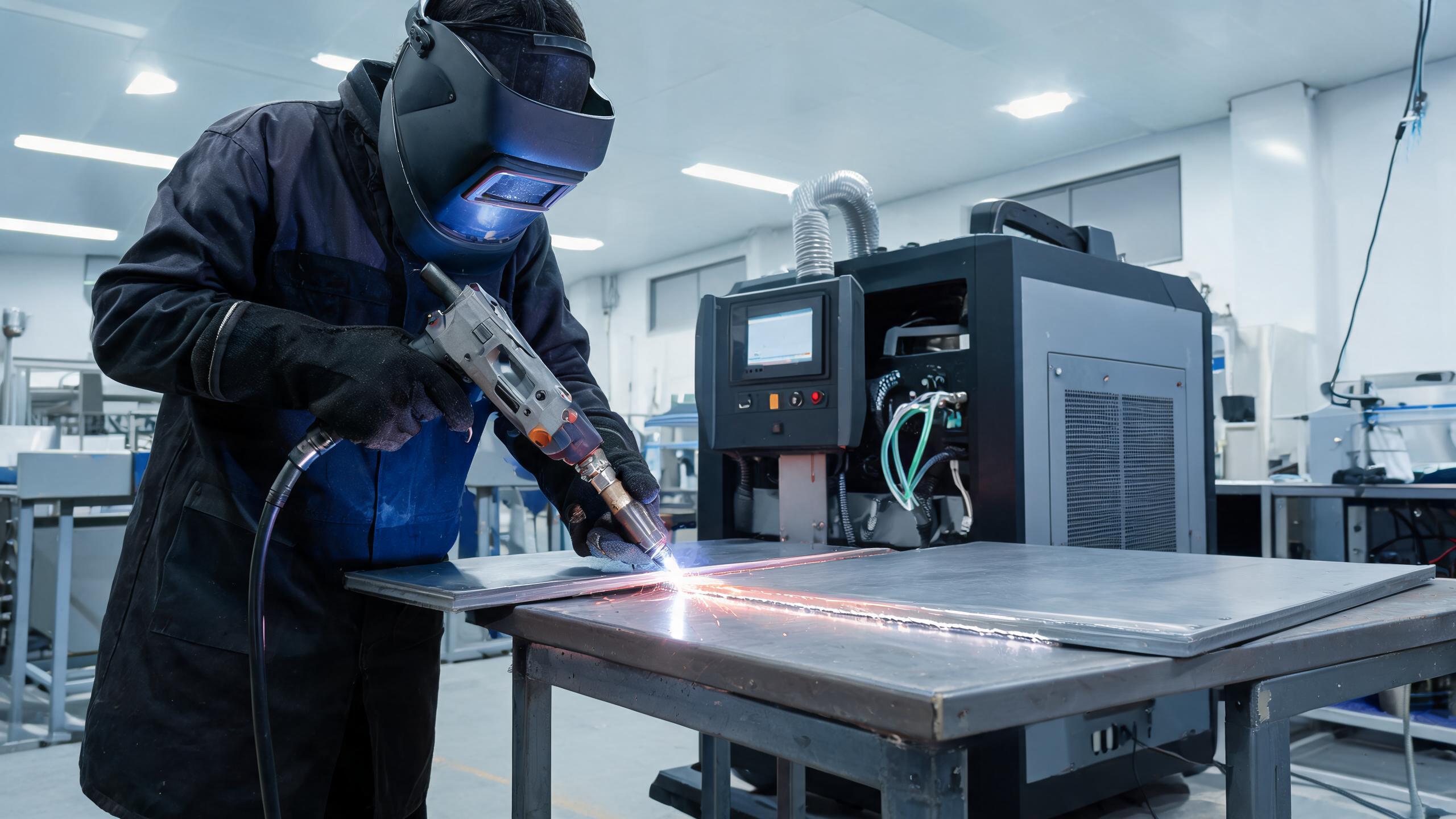
Полное руководство по ручным лазерным сварочным аппаратам, охватывающее принципы работы, основные компоненты, диапазоны мощности (1000–3000 Вт), совместимость материалов, стандарты безопасности и выбор производителя — с практическими рекомендациями для применения с нержавеющей сталью и алюминием.
Полное руководство по ручной лазерной сварке: все, что вам нужно знать
Комплексное техническое руководство · Обновлено 2026
Ручной лазерный сварочный аппарат ручной лазерный сварочный аппарат стал одним из самых преобразующих инструментов в современной металлообработке. В отличие от традиционных методов дуговой сварки, которые требуют многолетнего опыта оператора и оставляют видимые тепловые деформации, ручной волоконный лазерный сварочный аппарат обеспечивает точные сварные швы с минимальным тепловложением, более коротким временем цикла и значительно меньшей последующей обработкой. Изготавливаете ли вы оборудование из нержавеющей стали для кухонь, свариваете алюминиевые панели для автомобильной промышленности или соединяете тонколистовые титановые сплавы, платформа ручной лазерной сварки предлагает универсальное, готовое к производству решение.
Это руководство объединяет все, что необходимо знать производителю, руководителю завода или специалисту по закупкам — от принципов работы и основных компонентов до выбора диапазона мощности, совместимости материалов, протоколов безопасности и передовых методов обслуживания. Мы также рассматриваем, как ручная лазерная сварка соотносится с традиционными процессами TIG и MIG, и на что обращать внимание при выборе производителя.
Что такое ручной лазерный сварочный аппарат?
Ручной лазерный сварочный аппарат — это портативная сварочная система, которая использует высокоэнергетический волоконный лазерный луч для соединения металлических заготовок. Лазерный источник — обычно волоконный лазер непрерывного действия мощностью от 1000 до 3000 Вт — генерирует концентрированный луч, который передается через гибкое оптическое волокно к ручному сварочному пистолету. Оператор направляет луч вдоль шва, и энергия лазера расплавляет основной металл (и присадочную проволоку, если она используется), образуя металлургическую связь.
Определяющей характеристикой этого оборудования является его портативность и доступность. В отличие от стационарных роботизированных сварочных ячеек, ручной лазерный сварочный аппарат можно поднести к заготовке — идеально для крупных узлов, ремонта на месте и сложных геометрий, куда не может дотянуться роботизированная рука. В то же время он обеспечивает качество луча и точность управления, которые сопоставимы с традиционными автоматизированными системами или превосходят их.
Ключевое отличие: Ручные лазерные сварочные аппараты — это не просто «портативные версии» стационарных лазеров. Это специализированные системы с особым сканирующим оптическим оборудованием, предохранительными блокировками и эргономичной конструкцией пистолета, которые делают точную лазерную сварку практичной для ручного управления.
Как работает ручная лазерная сварка
Принцип работы ручного волоконного лазерного сварочного аппарата можно разбить на четыре этапа:
- Генерация луча: Волоконный лазерный источник (от таких производителей, как IPG, RAYCUS или GW) генерирует непрерывный или модулированный лазерный луч с длиной волны приблизительно 1070 нм. Эта длина волны хорошо поглощается большинством металлов, включая сталь, алюминий и медные сплавы.
- Передача луча: Лазерный луч проходит через гибкое бронированное оптическое волокно от источника к ручному сварочному пистолету. Это волокно может иметь длину в несколько метров, что дает оператору свободу перемещения вокруг крупных заготовок.
- Формирование и сканирование луча: Внутри сварочного пистолета сканирующая гальванометрическая система формирует луч в различные паттерны — линии, круги или спирали, — которые расширяют сварочную ванну и более равномерно распределяют тепло. Это одно из самых важных новшеств в ручной лазерной сварке, поскольку оно позволяет получать более широкие и гладкие сварные швы, чем статическая точка.
- Плавление и затвердевание: Сфокусированная лазерная энергия плавит основной металл в месте соединения. Защитный газ (обычно аргон или азот) одновременно подается через сопло пистолета для защиты расплавленной ванны от окисления. Ванна быстро затвердевает по мере продвижения пистолета, образуя узкий, глубокий сварной шов с минимальной зоной термического влияния (ЗТВ).
Результатом является сварной шов, который является структурно прочным, косметически чистым и выполняется со скоростью в два-десять раз быстрее, чем традиционная сварка TIG.
Основные компоненты системы ручной лазерной сварки
Понимание ключевых компонентов помогает покупателям оценивать качество и проводить обоснованные сравнения между производителями.
1. Лазерный источник
Лазерный источник — это сердце системы. Ведущие ручные лазерные сварочные аппараты используют волоконные лазеры от известных производителей, таких как IPG (США), RAYCUSи GW. Эти источники обеспечивают высокую электрооптическую эффективность преобразования (обычно 25–30%), отличное качество луча и срок службы, превышающий 100 000 часов. Выбор лазерного источника напрямую влияет на глубину проплавления, стабильность луча и долгосрочные затраты на обслуживание.
2. Система охлаждения
Ручные лазерные сварочные аппараты выделяют значительное тепло при непрерывной работе. Система водяного охлаждения необходима для поддержания стабильной выходной мощности лазера и защиты оптических компонентов. Например, ручной волоконный лазерный сварочный аппарат мощностью 1500 Вт, производимый Xinhong CNC, использует промышленный чиллер, который обеспечивает более 8 часов непрерывной работы без термической деградации. Недостаточное охлаждение приводит к дрейфу мощности, потере качества луча и преждевременному выходу компонентов из строя.
3. Сварочный пистолет и сканирующая оптика
Ручной сварочный пистолет содержит коллимирующую линзу, фокусирующую линзу, сканирующий гальванометр и защитную оптику. Сканирующая система позволяет оператору выбирать различные формы и ширины луча — это критически важно для адаптации к различным типам соединений, толщинам материалов и эстетике сварного шва. Хорошо сконструированный пистолет также включает эргономичную рукоятку, регулируемый баланс и встроенные функции безопасности, такие как блокировка по спусковому крючку и датчик расхода газа в сопле.
4. Система управления и хранение параметров
Современные ручные лазерные сварочные аппараты оснащены цифровыми панелями управления, которые позволяют точно регулировать мощность лазера, частоту импульсов, скорость сканирования, ширину сканирования и скорость подачи проволоки. Системы, такие как сварочный аппарат Xinhong 1500 Вт, могут хранить более 50 наборов параметров сварки, что позволяет операторам быстро переключаться между типами материалов, толщинами и конфигурациями соединений без перенастройки с нуля.
5. Электрические и контрольные компоненты
Надежность электрической системы управления часто упускается из виду, но она критически важна для промышленного оборудования. Xinhong CNC использует компоненты Schneider Electric во всех своих системах управления, что обеспечивает соответствие европейским электрическим стандартам и долгосрочную эксплуатационную надежность.
Диапазоны мощности и сценарии применения (1000–3000 Вт)
Ручные лазерные сварочные аппараты доступны в различных уровнях мощности. Подходящая мощность зависит от типа материала, толщины и объема производства:
| Уровень мощности | Типичные материалы | Максимальное проплавление | Наиболее подходящие применения |
|---|---|---|---|
| 1000 Вт | Нержавеющая сталь, углеродистая сталь, алюминий (тонкий лист) | ~2 мм | Кухонная утварь, листовые корпуса, декоративная отделка, тонкостенные трубы |
| 1500 Вт | Нержавеющая сталь, алюминий, титановые сплавы | 3 мм | Кухонное оборудование, панели лифтов, автомобильные компоненты, корпуса медицинских устройств |
| 2000 Вт | Нержавеющая сталь, алюминий, углеродистая сталь | ~4 мм | Конструкционные кронштейны, листовая металлообработка большей толщины, промышленные резервуары |
| 3000 Вт | Нержавеющая сталь, алюминий, углеродистая сталь, медные сплавы | ~5–6 мм | Тяжелая металлообработка, сварка толстого листа, высокообъемные производственные линии |
Для большинства универсальных производственных цехов диапазон 1500 Вт представляет собой оптимальный баланс проплавляющей способности, эксплуатационной гибкости и стоимости. Ручной волоконный лазерный сварочный аппарат мощностью 1500 Вт от Xinhong CNC, например, достигает проплавления 3 мм как в нержавеющей стали, так и в алюминии с стабильностью шва ±0,1 мм — подходит как для косметических, так и для структурных сварных швов.
Для цехов, работающих с более толстыми материалами или ведущих высокообъемное производство, модели 2000 Вт и 3000 Вт обеспечивают дополнительную мощность, необходимую для более глубокого проплавления и более высоких скоростей перемещения. Xinhong CNC также предлагает автоматизированную роботизированную систему лазерной сварки для применений, требующих повторяемых, программируемых траекторий сварки на стандартизированных деталях.
Ручная лазерная сварка против традиционных методов сварки
Один из наиболее частых вопросов, которые задают покупатели, — как ручная лазерная сварка соотносится с устоявшимися процессами, такими как TIG (GTAW) и MIG (GMAW). Различия значительны:
| Параметр | Ручная лазерная сварка | Сварка TIG | MIG-сварка |
|---|---|---|---|
| Скорость сварки | в 2–10 раз быстрее | Медленная | Умеренные |
| Зона термического влияния | Очень узкая (0,5–2 мм) | Широкая | Широкая |
| Термическая деформация | Минимальное | Значительная | Значительная |
| Последующая обработка шва | Часто не требуется | Требуется шлифовка/полировка | Шлифовка/удаление брызг |
| Требования к квалификации | Умеренные (более короткая кривая обучения) | Высокие (годы опыта) | Умеренные |
| Расходные материалы | Только защитный газ (без электродов) | Вольфрамовые электроды, присадочный пруток, газ | Проволока, газ, контактные наконечники |
| Внешний вид сварного шва | Гладкий, равномерный, эстетичный | Хороший, но медленнее | Удовлетворительный, часто с брызгами |
Итог: Ручная лазерная сварка не заменяет TIG или MIG во всех сценариях — очень толстые конструкционные секции и полевые работы на открытом воздухе по-прежнему требуют традиционных методов. Но для производства листового металла, прецизионных компонентов и применений, где важны внешний вид и минимальная деформация, лазерная сварка значительно превосходит их.
Совместимость материалов
Ручные волоконные лазерные сварочные аппараты совместимы с широким спектром металлов:
- Нержавеющая сталь (серии 300 и 400): Отличные результаты. Длина волны 1070 нм хорошо поглощается, обеспечивая чистые, коррозионностойкие швы. Проникновение 3 мм при мощности 1500 Вт является стандартным.
- Алюминиевые сплавы (серии 1xxx–6xxx): Хорошие результаты при правильной настройке параметров. Высокая отражательная способность и теплопроводность алюминия требуют более высокой плотности мощности и точного контроля схемы сканирования.
- Углеродистая сталь: Надежная сварка в широком диапазоне толщин. Подходит для производства как тонколистового, так и среднелистового проката.
- Титановые сплавы: Сваривается с защитой аргоном. Требует тщательного контроля параметров для предотвращения охрупчивания, но дает отличные результаты в аэрокосмической и медицинской промышленности.
- Медь и латунь: Сложен при более низких уровнях мощности из-за высокой отражательной способности на длине волны 1070 нм. Системы мощностью 2000 Вт и 3000 Вт с опциями зеленого лазера обеспечивают лучшие характеристики для меди.
Ручная лазерная сварочная машина для применения с нержавеющей сталью
Нержавеющая сталь — наиболее распространенный материал, свариваемый ручными лазерными системами, и это не случайно. Сочетание отличного поглощения луча, низкой теплопроводности и естественной коррозионной стойкости материала делает лазерную сварку идеальной для получения прочных, эстетичных соединений без обесцвечивания и деформации, которые характерны для традиционных методов.
В производстве изделий из нержавеющей стали ручной лазерный сварочный аппарат превосходно справляется с широким спектром задач — от тонколистовых кухонных моек и коммерческого пищевого оборудования до панелей кабин лифтов, корпусов медицинских приборов и архитектурных металлоконструкций. Узкая зона термического влияния сохраняет коррозионную стойкость основного металла вокруг шва, что критически важно для пищевых и фармацевтических применений, где защитный слой оксида хрома должен оставаться неповрежденным.
При мощности 1500 Вт операторы могут достичь полного проплавления на листе нержавеющей стали толщиной 3 мм с стабильностью шва ±0,1 мм, часто устраняя необходимость в шлифовке или полировке. Возможность сохранения и вызова более 50 наборов параметров сварки означает, что переключение между различными марками нержавеющей стали (например, 304 и 316L) или толщинами занимает секунды, а не длительный процесс проб и ошибок, как при TIG-сварке.
Для подробного изучения параметров сварки нержавеющей стали, подготовки соединений, выбора защитного газа и рекомендаций по конкретным применениям прочитайте наш подробный ручной лазерный сварочный аппарат для нержавеющей стали .
Портативная лазерная сварочная машина для алюминия
Сварка алюминия традиционно была одним из самых сложных процессов в металлообработке. Высокая теплопроводность материала (примерно в четыре раза выше, чем у стали), низкая температура плавления и склонность к образованию тугоплавкого оксидного слоя затрудняют получение чистых швов традиционными методами. MIG-сварка алюминия требует специализированных спулеров и дает брызги; TIG-сварка медленная и требует исключительного мастерства оператора.
Портативная лазерная сварочная машина для алюминия решает эти проблемы, обеспечивая чрезвычайно высокую плотность мощности в точно контролируемой точке. Лазерная энергия мгновенно проникает через оксидный слой и создает стабильную сварочную ванну с каналом. При правильной настройке параметров — особенно выборе схемы сканирования и состава защитного газа — ручные лазерные сварочные аппараты обеспечивают чистые, беспористые швы на алюминии со скоростью в несколько раз выше, чем при TIG-сварке.
Ручной волоконный лазерный сварочный аппарат мощностью 1500 Вт от Xinhong CNC рассчитан на проникновение 3 мм в алюминий, что делает его подходящим для автомобильных кузовных панелей, компонентов теплообменников, алюминиевых корпусов и морской фурнитуры. Для более толстых алюминиевых секций (4 мм и более) модели мощностью 2000 Вт и 3000 Вт обеспечивают дополнительную мощность, необходимую для полного проплавления.
Для получения подробных рекомендаций по параметрам лазерной сварки алюминия, управлению оксидным слоем, методам подачи проволоки и устранению неполадок, связанных с материалом, см. нашу портативному лазерному сварочному аппарату для алюминия статью с советами и лучшими практиками.
Выбор производителя ручных волоконных лазерных сварочных аппаратов
Выбор правильного производителя — это, пожалуй, самое важное решение при покупке. Ручная лазерная сварочная машина — это значительные капитальные вложения, и общая стоимость владения выходит далеко за пределы первоначальной цены — она включает долговечность лазерного источника, наличие запасных частей, техническую поддержку и гарантийное обслуживание.
Ключевые факторы, которые следует оценить при выборе производителя, включают:
- Качество лазерного источника: Использует ли производитель волоконные лазеры известных брендов (IPG, RAYCUS, GW) или небрендированные источники? Лазерный источник — это самый дорогой заменяемый компонент, и его качество определяет стабильность луча и срок службы.
- Качество компонентов: Построены ли электрические системы управления с использованием промышленных компонентов (например, Schneider Electric)? Это влияет на соответствие требованиям, надежность и сертификацию безопасности.
- Сертификаты: Имеет ли оборудование сертификаты CE и RoHS для соответствия европейским требованиям? Сертифицирован ли производитель по ISO 9001:2015? Это не является опциональным для покупателей, импортирующих в ЕС.
- Послепродажное обслуживание: Каков гарантийный срок? Есть ли запасные части на региональных складах? Предоставляет ли производитель удаленную техническую поддержку или шеф-монтаж на месте?
- Ассортимент продукции: Может ли производитель поставить полный диапазон мощностей (1000 Вт–3000 Вт) и дополнительное оборудование (роботизированные сварочные системы, лазерные очистительные машины, чиллеры, защитные кожухи)? Более широкий ассортимент продукции указывает на более глубокие инженерные возможности.
Shandong Xinhong CNC Technology Co., Ltd., основанная в 2005 году, является примером квалифицированного производителя. С численностью сотрудников 100–300 человек и годовым доходом 10–50 млн долларов США, компания производит ручные волоконные лазерные сварочные аппараты во всем диапазоне 1000–3000 Вт, используя лазерные источники от IPG, RAYCUS и GW, а также компоненты управления Schneider Electric. Все оборудование сертифицировано по ISO 9001:2015 и имеет маркировку CE/RoHS, а линейка продукции включает автоматизированные роботизированные сварочные системы, лазерные очистительные машины и промышленные чиллеры.
Для подробного сравнения ведущих китайских производителей ручных лазерных сварочных аппаратов, включая оценку возможностей и рекомендации по выбору поставщика, прочитайте нашу производителя ручных волоконных лазерных сварочных аппаратов .
Стандарты безопасности при эксплуатации
Ручные лазерные сварочные аппараты работают на уровнях мощности, которые могут вызвать серьезные травмы глаз и кожи, если не соблюдать надлежащие протоколы безопасности. Длина волны 1070 нм находится в ближнем инфракрасном диапазоне — невидима для человеческого глаза, но способна вызвать необратимое повреждение сетчатки.
Основные требования безопасности включают:
- Защитный кожух для лазера: Зона сварки должна быть ограждена барьерами класса 4 для лазерной безопасности или специальной защитной кабиной, чтобы предотвратить попадание отраженных лучей на посторонних.
- Средства индивидуальной защиты (СИЗ): Операторы должны носить лазерные защитные очки, рассчитанные на конкретную длину волны и уровень мощности (OD 6+ на 1070 нм), а также огнестойкую одежду и перчатки.
- Системы блокировки: Сварочный пистолет должен быть оснащен блокировкой на спусковом крючке, которая немедленно отключает лазер при отпускании. Дверные блокировки на защитных кожухах должны отключать систему, если кожух открыт во время работы.
- Вентиляция и удаление дыма: Лазерная сварка некоторых металлов (особенно оцинкованной стали и сплавов, содержащих хром) выделяет опасные пары. Обязательна правильно подобранная система удаления дыма.
- Обучение операторов: Хотя кривая обучения для ручной лазерной сварки короче, чем для TIG, операторы все равно должны пройти структурированное обучение по процедурам безопасности, выбору параметров и аварийным протоколам.
Xinhong CNC предлагает защитный кожух для лазера и защитную кабину , специально разработанные для ручной лазерной сварки, а также системы удаления дыма для очистки от сварочного дыма и пыли.
Техническое обслуживание и уход
Правильное техническое обслуживание продлевает срок службы оборудования и обеспечивает стабильное качество сварки. Типичный график обслуживания включает:
- Ежедневно: Очищайте защитную линзу и сопло. Проверяйте расход и давление защитного газа. Осматривайте кабель сварочного пистолета на предмет повреждений.
- Еженедельно: Проверяйте уровень и качество охлаждающей жидкости в чиллере. Осматривайте оптоволоконный кабель на предмет перегибов или повреждений. Очищайте или заменяйте пылевой фильтр в шкафу управления.
- Ежемесячно: Проверяйте выходную мощность лазера с помощью измерителя мощности. Калибруйте сканирующий гальванометр. Проверяйте все электрические соединения на надежность.
- Ежегодно: Полная проверка системы квалифицированным специалистом. Замена расходных оптических компонентов. Обслуживание чиллера (замена охлаждающей жидкости, очистка теплообменника).
Совет: Защитная линза — это наиболее часто заменяемый расходный материал. Всегда держите запасные под рукой. Грязная или поврежденная линза вызывает рассеяние луча, потерю мощности и плохое качество сварки — и может привести к дорогостоящему повреждению фокусирующей оптики, если не устранить проблему вовремя.
Заключение
Ручная лазерная сварочная машина представляет собой настоящий прорыв в возможностях металлообработки — сочетая точность лазерной технологии с гибкостью ручного управления. От кухонного оборудования из нержавеющей стали до алюминиевых автомобильных панелей — возможность получать чистые, высокопрочные швы со скоростью в несколько раз выше, чем при TIG-сварке, с минимальной деформацией и часто без последующей обработки — делает эту технологию привлекательной инвестицией для производственных цехов любого размера.
При выборе системы сосредоточьтесь на основах: качество лазерного источника, надежность компонентов, функции безопасности и поддержка производителя. Линейка ручных волоконных лазерных сварочных аппаратов Xinhong CNC мощностью 1000–3000 Вт, подкрепленная сертификацией ISO 9001:2015, соответствием CE/RoHS и компонентами от IPG, RAYCUS, GW и Schneider Electric, обеспечивает проверенную основу для лазерной сварки в промышленных масштабах.
Для получения более специализированных рекомендаций ознакомьтесь с нашими подробными статьями о применении сварки нержавеющей стали, лучших практиках сварки алюминияи выборе производителя.
Часто задаваемые вопросы
Какова максимальная толщина материала, которую может обработать ручной лазерный сварочный аппарат?
Это зависит от уровня мощности. Система мощностью 1500 Вт обычно обрабатывает до 3 мм нержавеющей стали и алюминия. Системы мощностью 2000 Вт достигают примерно 4 мм, а системы мощностью 3000 Вт могут сваривать материалы толщиной 5–6 мм. Для более толстых секций может потребоваться многопроходная сварка или подготовка кромок со скосом.
Нужна ли присадочная проволока для ручной лазерной сварки?
Не всегда. Многие применения — особенно тонколистовые стыковые и нахлесточные соединения — свариваются без присадки (автогенно). Для более толстых материалов или при необходимости заполнения зазора в сварочный пистолет можно интегрировать устройство подачи проволоки.
Сколько времени требуется для обучения оператора?
Ручная лазерная сварка имеет значительно более короткую кривую обучения, чем TIG-сварка. Большинство операторов становятся квалифицированными в течение 1–2 недель структурированного обучения, по сравнению с месяцами или годами для TIG. Однако обучение по безопасности и оптимизация параметров требуют постоянного внимания.
Какой защитный газ следует использовать?
Аргон — наиболее распространенный защитный газ для ручной лазерной сварки, он хорошо подходит для нержавеющей стали и алюминия. Азот иногда используется для углеродистой стали, но может вызвать пористость в нержавеющей стали. Всегда следуйте рекомендациям производителя по параметрам для каждого материала.
Безопасна ли ручная лазерная сварка для операторов?
Да, при соблюдении надлежащих протоколов безопасности. Это включает ношение лазерных защитных очков, рассчитанных на длину волны и мощность лазера, использование защитных кожухов, обеспечение надлежащей вентиляции и прохождение структурированного обучения операторов. Ручные лазерные сварочные аппараты должны включать блокировки на спусковом крючке и датчики безопасности.
На какие сертификаты следует обращать внимание при покупке?
Для европейских рынков сертификаты CE и RoHS обязательны. Сертификация производителя по ISO 9001:2015 демонстрирует соответствие системе менеджмента качества. Кроме того, убедитесь, что электрические компоненты соответствуют соответствующим стандартам (например, компоненты Schneider Electric для соответствия европейским требованиям).