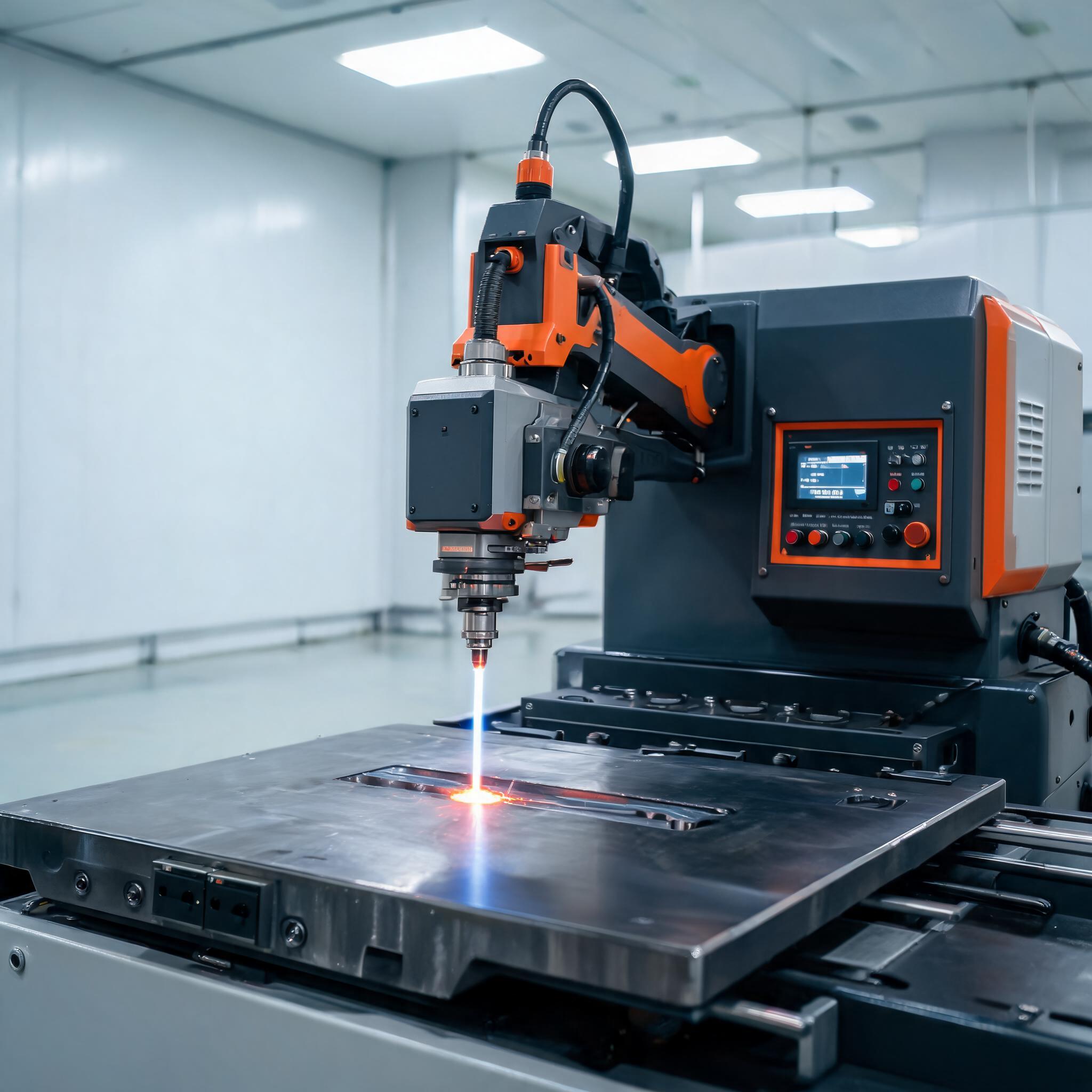
Cosmetic mold repair: witness lines removed without disturbing the polished surface
Who: an injection molder producing cosmetic housings for consumer appliances. Machine: Xinhong precision mold repair fiber laser welding machine. Problem it solved: parting line wear and ejector mark damage appeared as visible witness lines on polished surfaces, and conventional repair welding overheated the surrounding steel, causing re-polishing to fail dimensional checks. Before: damaged cavities went out for repair, with the mold out of the press for days. Now: the operator works under the 50x microscope, placing welds with adjustable pulse energy into the damaged area only - the 0.2 mm HAZ class (per specification) keeps the surrounding polished surface undisturbed. Where the numbers come from: the mold repair product specification (50x microscope guidance, 0.2 mm HAZ, adjustable pulse energy) and the molder's own repair and dimensional-check records on repaired cavities.
Application based on customer feedback; individual results depend on materials and production conditions.
Stamping die shop: hardened sections repaired in place instead of on the bench
Who: a stamping die shop maintaining progressive dies for automotive brackets. Machine: Xinhong precision mold repair fiber laser welding machine. Problem it solved: edge and corner damage on die sections used to mean removing the die section for bench welding, with fixturing and distortion risk on hardened steel. Before: die sections went to a bench welder and came back needing re-hardening checks. Now: microscope-guided pulses with a 0.2 mm HAZ class (per specification) repair edges in place with minimal heat input. Where the numbers come from: the mold repair product specification (50x microscope guidance, 0.2 mm HAZ class, adjustable pulse energy) and the die shop's repair records comparing in-place laser repairs with their previous bench route.
Application based on customer feedback; individual results depend on materials and production conditions.
Toolroom: gate details and pitted inserts rebuilt before re-polishing
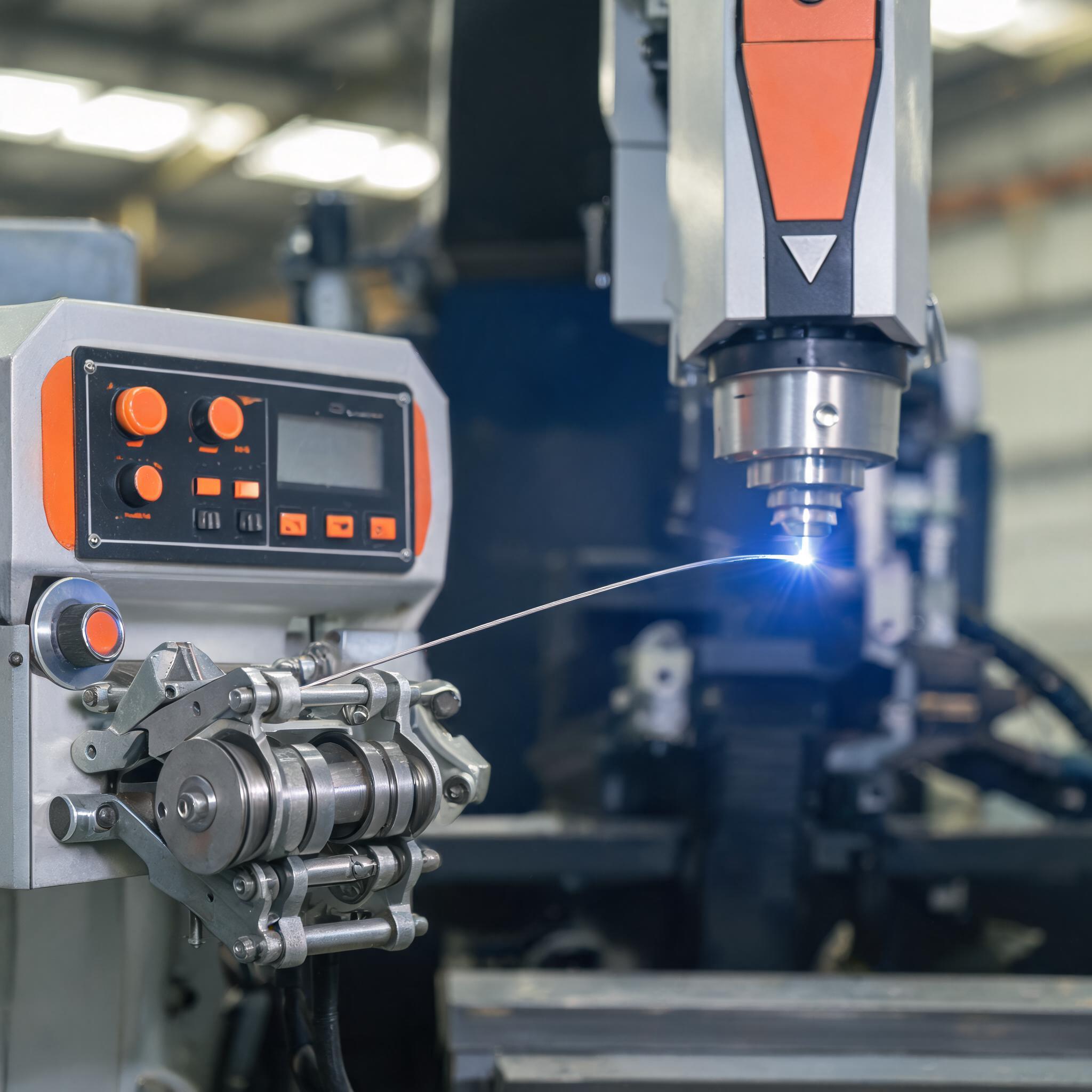
Who: a toolroom supporting an injection molding plant with a mix of small cores, inserts and gate details. Machine: Xinhong precision mold repair fiber laser welding machine plus the wire feed option for build-up work. Problem it solved: small cores and gate areas were too fine for comfortable TIG work, and pitted surfaces needed controlled build-up before re-polishing. Before: fine details were welded at high risk of overheating the surrounding steel. Now: adjustable pulse energy and microscope guidance place each pulse exactly, and the synchronized wire feed (0.6-1.6 mm filler) restores worn surfaces before re-polishing. Where the numbers come from: the mold repair product specification and the wire feed specification (2000W, 0.6-1.6 mm filler for surface build-up), plus the toolroom's own repair logs on reworked inserts.
Application based on customer feedback; individual results depend on materials and production conditions.