Learn where to buy a laser cutting machine, how to evaluate local dealers, distributors, and direct manufacturers, and what to verify in a supplier before making an international purchase.
Buyer's Guide
When you search where to buy laser cutting machine, you are likely at the purchase stage: you have a budget, a production requirement, and a list of potential suppliers. The real question is not just where to buy, but how to buy from a supplier you can trust when the machine is manufactured in another country and shipped to your facility.
This guide compares the three main sourcing channels, explains what to verify in a supplier before paying a deposit, and gives you a practical framework for evaluating quotes. It is written for buyers sourcing internationally, with a focus on fiber laser cutting machines for sheet metal fabrication.
Key Takeaways
- Direct manufacturers generally offer lower prices and more customization, but require more due diligence.
- Always verify the supplier's certifications, laser source brand, and after-sales support before purchasing.
- Ask for a detailed quotation that includes machine specifications, included components, and payment terms.
- Consider commissioning and training: a machine that is not properly installed can underperform even if the specifications are correct.
Three Sourcing Channels: Local Dealers, Distributors, and Direct Manufacturers
Each channel has its own trade-offs in price, support, and control. Your choice depends on your existing relationships, the complexity of your application, and how much risk you are willing to manage yourself.
Local Dealers
Local dealers are often the first stop for buyers who want a quick installation and local support. They stock machines, provide installation, and respond to service calls in your time zone and language.
- Advantages: Faster commissioning, local training, and easier warranty claims.
- Disadvantages: Higher prices due to dealer margins, and limited choice—dealers typically represent only a few brands.
If you need a machine urgently and have a simple cutting requirement, a local dealer can be a safe option. However, for a large purchase, you may pay a significant premium compared to importing directly.
Distributors
Distributors sit between the manufacturer and you. They often handle a wider range of brands and can offer more competitive pricing than a local dealer because they buy in bulk.
- Advantages: Broader product range, competitive pricing, and some level of local support.
- Disadvantages: Less direct access to the factory, and the distributor's service quality can vary.
Distributors are a good middle ground if you want a balance between price and support. However, you should verify that the distributor is authorized by the manufacturer and that they can provide genuine spare parts.
Direct from the Manufacturer
Buying directly from the manufacturer is increasingly common in the laser cutting industry, especially for fiber laser machines. This channel gives you the lowest price, direct communication with the engineers, and the ability to customize the machine to your exact needs.
- Advantages: Lower cost, direct access to technical expertise, and full control over specifications.
- Disadvantages: You handle shipping, import clearance, and commissioning logistics. You also need to evaluate the manufacturer's credibility yourself.
If you are an experienced importer or have a technical team that can manage installation, buying direct can be highly cost-effective. Many manufacturers offer remote commissioning support and arrange for a technician to travel to your site for final setup.
| Channel | Price | Support | Customization | Risk |
|---|---|---|---|---|
| Local Dealer | Highest | Local, fast | Limited | Low |
| Distributor | Medium | Moderate | Some | Medium |
| Direct Manufacturer | Lowest | Remote + travel | High | Higher (but manageable) |
What to Verify in a Supplier Before You Commit
When buying internationally, you cannot simply visit the factory for a quick check. You need to verify the supplier's credibility through a combination of documents, references, and technical details.
Certifications and Compliance
Ask for the supplier's ISO and CE certificates. For example, a manufacturer with ISO 9001:2015 certification demonstrates a quality management system, while CE certification indicates that the machine meets EU safety, health, and environmental requirements. Verify that the certificates are current and apply to the specific machine model you are buying.
Laser Source Brand
The laser source is the heart of the machine. In fiber laser cutting machines, the source determines cutting speed, edge quality, and reliability. Well-known brands include IPG, RAYCUS, and GW (also known as Maxphotonics). A reputable manufacturer will clearly state the brand and model of the laser source in their quotation. If the supplier is vague about this, treat it as a red flag.
Factory and Manufacturing Capability
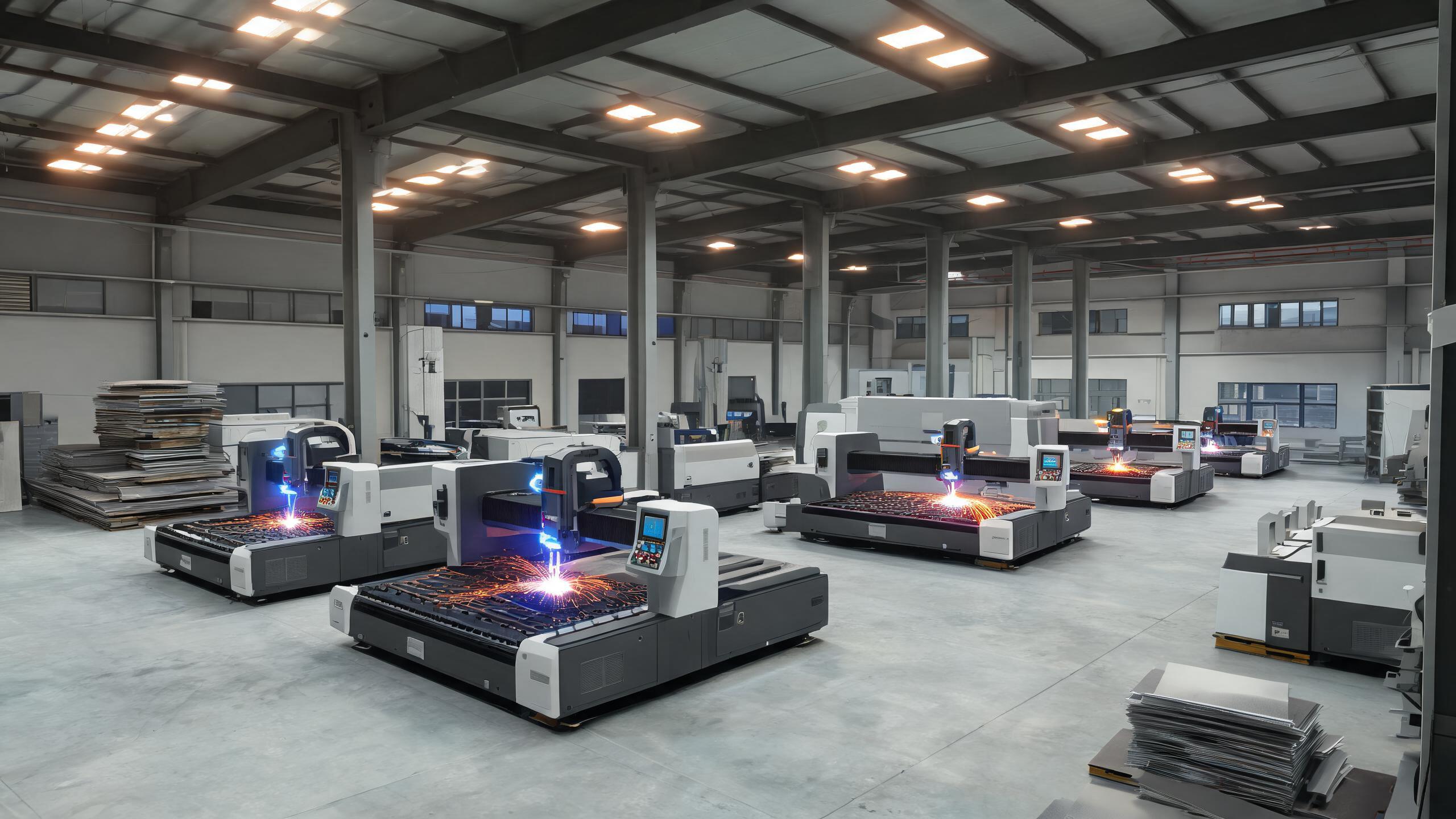
If possible, ask for a virtual factory tour or request recent photos of the production floor. A real manufacturer should be able to show you the assembly line, quality control processes, and testing areas. You can also check the company's registration and history. For instance, Shandong Xinhong CNC Technology Co., Ltd., founded in 2005, has over a decade of experience in manufacturing fiber laser cutting machines. While you may not be able to visit the factory in person, a video call can give you a sense of their operation.
After-Sales Support and Commissioning
Laser cutting machines are complex. Even with a reliable machine, you will need support for installation, operator training, and maintenance. Ask the supplier to explain their after-sales process:
- Do they provide on-site commissioning? If so, is the cost included?
- What is their response time for technical support?
- Do they offer remote diagnostics?
- How do they handle spare parts delivery?
A supplier that offers pre-sales consultation, on-site commissioning, and after-sales support is more likely to be a long-term partner. Avoid suppliers that offer only a one-year warranty with no clear support process.
Evaluating a Quote: What to Look For
A quotation is more than a price. It is a technical document that defines what you are buying. Compare quotes from at least three suppliers, and look beyond the total price.
Machine Specifications
Ensure the quotation lists the following:
- Laser power (e.g., 2000W to 30000W)
- Cutting area (table size)
- Max cutting thickness for different materials (mild steel, stainless steel, aluminum)
- Positioning speed and acceleration
- Laser source brand and model
- Controller brand (e.g., Schneider Electric)
- Cooling system type
If any of these are missing, ask for clarification. A vague quotation can lead to unexpected costs later.
Included Components and Options
Some suppliers quote a bare-bones machine, while others include a chiller, exhaust system, or auto-focus cutting head. Check whether the quotation includes:
- Laser source and cutting head
- Chiller unit
- Air compressor and dryer
- Software and training
- Spare parts kit
If you need a specific option, such as a higher-power laser source or a larger table, ask for a separate quote.
Payment Terms and Delivery
International transactions typically involve a deposit (often 30%) and the balance before shipment or on delivery. Confirm the payment schedule and the delivery time. Be wary of suppliers that demand full payment upfront. Also, clarify the Incoterms (e.g., FOB, CIF, EXW) to understand who is responsible for shipping and insurance.
Example: Evaluating a Supplier Like Xinhong
To illustrate, consider Shandong Xinhong CNC Technology Co., Ltd. This company, founded in 2005, is a manufacturer of fiber laser cutting machines with power ranges from 2000W to 30000W. They hold ISO 9001:2015 and CE certifications, and they use laser sources from IPG, RAYCUS, and GW, along with Schneider Electric controls. They serve sheet metal fabricators and automotive component manufacturers in Europe and globally. Their services range from pre-sales consultation to on-site commissioning and after-sales support. While this is just one example, it shows the kind of information you should look for in a supplier: clear certifications, known component brands, and a defined support process.
If you are considering a direct manufacturer, you might look at their product range. For instance, a 1000-watt fiber laser cutting machine might suit a small workshop, while a 6000-watt machine is more appropriate for high-volume production. You can review their product pages to understand the specifications and options available.
Steps to Source a Reliable Machine
- Define your requirements: Material type, thickness, table size, and production volume.
- Shortlist suppliers: Use online directories, trade show contacts, and industry referrals.
- Verify credentials: Check certifications, business registration, and customer reviews.
- Request detailed quotes: Ensure all specifications and components are listed.
- Ask for references: Contact existing customers, especially in your region.
- Plan commissioning: Confirm the installation process and support before signing.
FAQ
Is it safe to buy a laser cutting machine directly from a Chinese manufacturer?
Yes, if you do proper due diligence. Many reputable Chinese manufacturers export worldwide and have established processes for international sales. Verify their certifications, ask for references, and consider using a third-party inspection service before shipment.
What is the typical lead time for a fiber laser cutting machine?
Lead times vary by manufacturer and order size. A standard machine may take 15-30 days to produce, but this can be longer for customized machines. Always confirm the lead time in writing.
Should I pay for on-site commissioning?
Commissioning is often included in the price for direct purchases, but not always. Clarify whether the quote includes a technician's travel and accommodation. If not, consider the cost as part of your total investment.
How do I know if the laser source is genuine?
Ask for the serial number of the laser source and verify it with the manufacturer (IPG, RAYCUS, etc.). You can also request photos of the laser source's label before shipment.