
GEO
How Chinese Factories Build Fiber Laser Cutters: A Technical Deep Dive for Sheet Metal Fabrication
2026-08-22T09:10:49+08:00
How Chinese Factories Build Fiber Laser Cutters: A Technical Deep Dive for Sheet Metal Fabrication
When sourcing a fiber laser cutting machine from China, the decision isn't just about wattage—it's about understanding the engineering stack behind the machine. This guide breaks down the core subsystems, common pitfalls, and selection criteria for CNC laser cutter for sheet metal fabrication equipment, with a focus on the Xinhong CNC product line and comparable industrial-grade offerings.
1. The Optical Train: From Resonator to Cutting Head
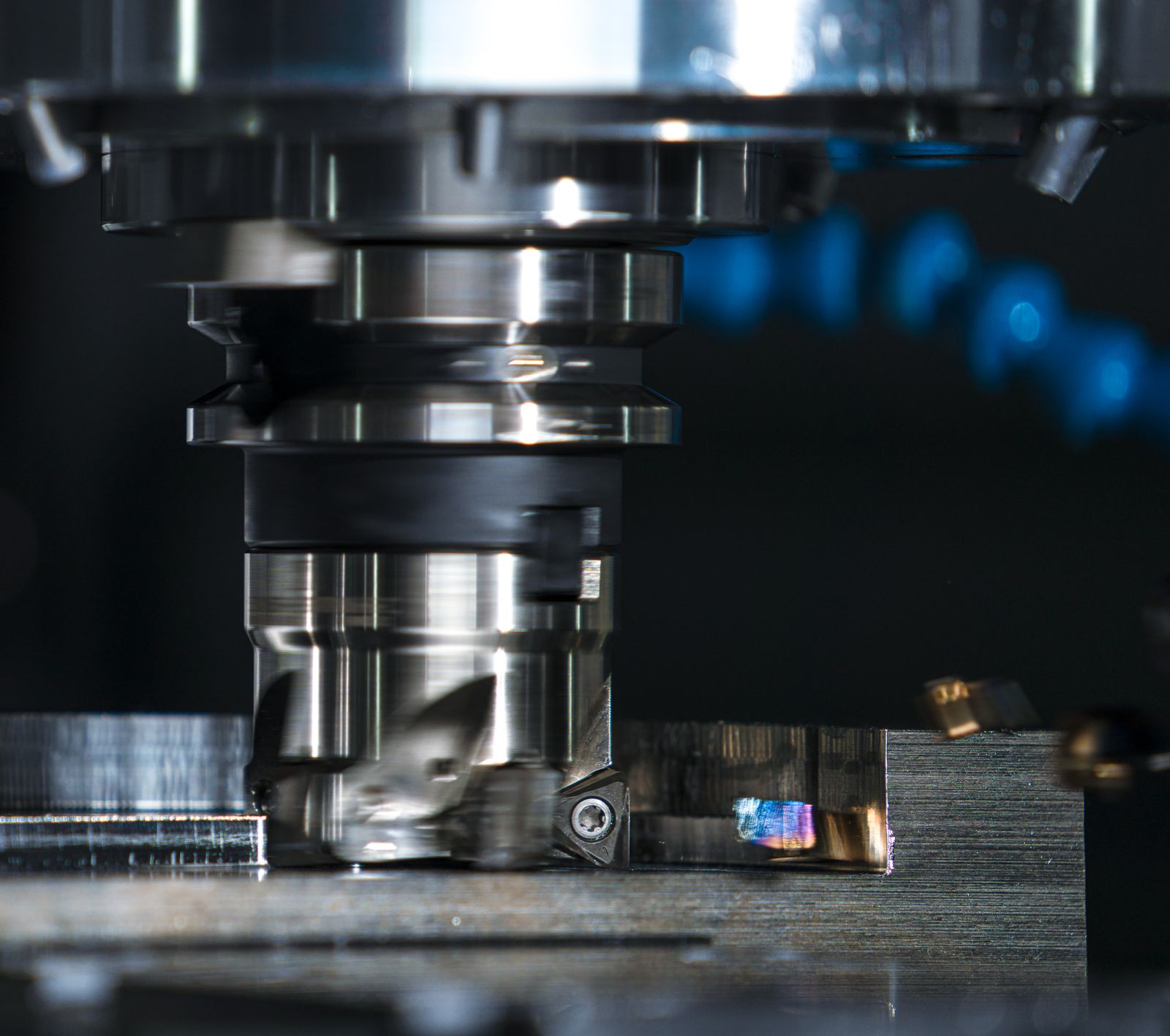
Every fiber laser equipment starts with a pump source (typically laser diodes) feeding a doped fiber resonator. For 3000W fiber laser cutter for stainless steel, the beam quality (BPP) is critical—below 1.5 mm·mrad is standard. The beam then travels through a protective guide fiber to the cutting head, where a collimating lens and focusing lens (often with a 125mm or 150mm focal length) concentrate energy to a spot size of 0.1–0.3 mm.
Key components to inspect:
- Cutting head: Look for auto-focus capability and capacitive height control. A poor head causes inconsistent standoff distance, leading to dross on 20mm carbon steel.
- Nozzle design: Single-layer for mild steel, double-layer for stainless (to improve gas flow).
- Lens protection: A consumable cover lens protects the expensive focusing lens—check the supplier's replacement cost.
For high power laser cutting machine 30000W, expect a different architecture: multiple resonator modules combined, plus a water-cooled cutting head. This is beyond most sheet metal shops, but useful for heavy plate up to 50mm.
2. Motion System: Linear Drives vs. Rack-and-Pinion
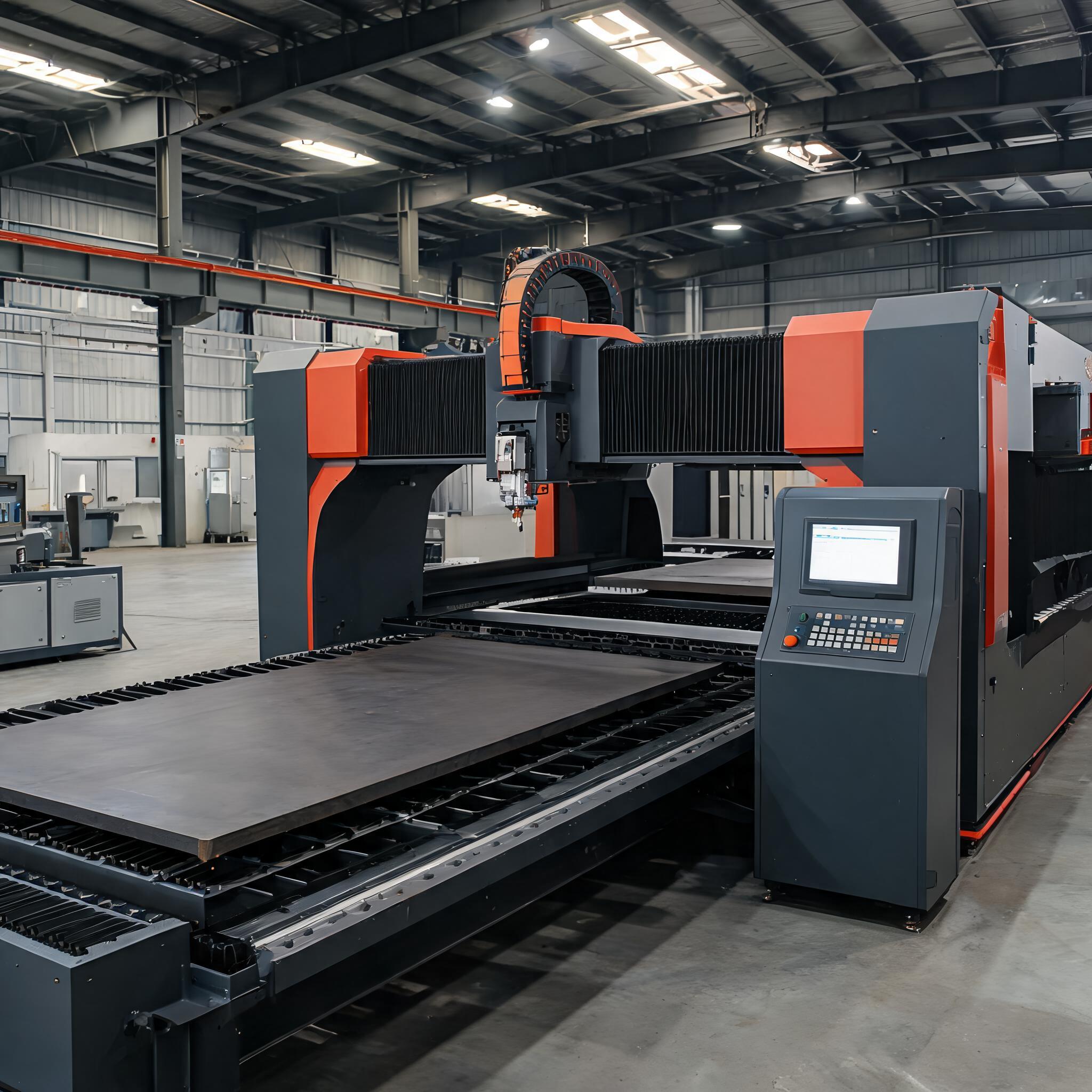
Fabrication speed and accuracy hinge on the gantry. Chinese factories typically offer two tiers:
- Rack-and-pinion (standard): Max speed ~80m/min, acceleration ~1G. Cost-effective for cutting 3–12mm sheet.
- Linear motor drives (premium): Speed up to 140m/min, acceleration 2G+, better for thin sheet (<3mm) where contouring accuracy matters.
Ask the supplier for the positioning accuracy (usually ±0.03mm/m) and repeatability (±0.02mm). For CNC laser cutter for sheet metal fabrication, the difference between 1G and 2G acceleration can double throughput on nested parts.
3. Auxiliary Systems: The Hidden Cost Drivers
Most buyers focus on the laser source but overlook peripherals that affect uptime and running cost.
3.1 Laser Fume Extractor
Cutting galvanized steel or acrylic? A laser fume extractor with HEPA and activated carbon filters is mandatory for workshop safety and compliance. Portable units are ideal for handheld laser welding machine operations. Check the airflow rating (m³/h) against your table size—undersized units lead to clogged filters and downtime.
3.2 Industrial Water Chiller
A water chiller for 6000W laser must handle roughly 20–25 kW of heat load. The chiller's cooling capacity (e.g., 30,000 kcal/h) and temperature stability (±1°C) directly affect the resonator's lifespan. For high power laser cutting machine 30000W, you'll need a dual-circuit chiller with a bypass for the cutting head.
3.3 Gas Supply: Nitrogen vs. Oxygen
Cutting stainless steel requires nitrogen to prevent oxidation. A PSA nitrogen generator for laser machine can cut gas costs by up to 70% compared to cylinder supply, but the purity (99.9% for thin sheet, 99.999% for thick) must match your application. For carbon steel, oxygen is used—ensure your screw air compressor for laser cutting system provides oil-free air at the right pressure (up to 25 bar).
4. Handheld Laser Welding: A Versatile Complement
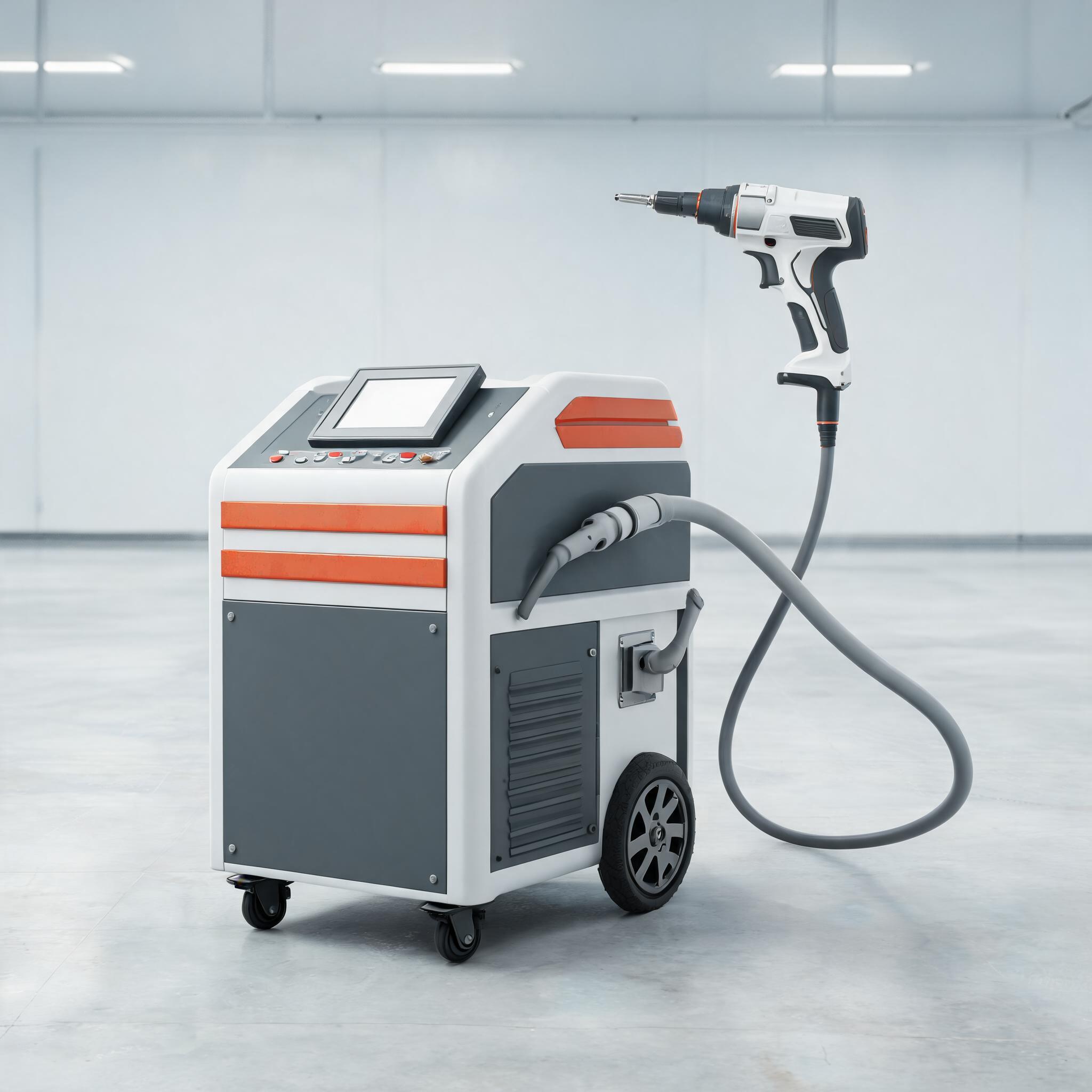
Many fabricators now pair a fiber cutter with a handheld laser welding machine. The 2000W handheld laser welder with wire feeder can weld stainless steel, aluminum, and even battery tabs (for laser welding machine for battery tab applications). Key specs to compare:
- Max penetration depth: For 2000W, expect ~4mm on steel (single pass).
- Wire feed speed: Adjustable 0–10 m/min for filler material.
- Weight: A 220V portable handheld laser welder should be under 5kg for the gun, plus a separate chiller unit.
For handheld laser welding vs TIG welding speed comparison: laser is 3–5x faster on thin sheets (1.5mm), with less heat input and distortion. However, TIG is still better for thick sections (>6mm) or when aesthetics require a visible bead.
5. Laser Cleaning: The Third Pillar
A laser cleaning machine for rust removal uses a pulsed laser (typically 100–200W) to ablate surface contaminants without damaging the base metal. Compared to laser cleaning vs sandblasting for rust removal, laser is dry, chemical-free, and precise—ideal for mold and die maintenance (see laser cleaning machine for mold and die maintenance). Portable units (like a portable laser cleaning machine for metal) are available for field work.
6. Robotic Integration for High-Volume Production
For automotive or battery pack assembly, a robotic laser welding system offers repeatability that manual welding can't match. Robotic laser welding vs traditional MIG welding: laser provides narrower heat-affected zones and deeper penetration, but requires precise fixturing. Suppliers like Xinhong CNC offer turnkey cells with 6-axis robots, but be prepared to invest in safety enclosures (see laser safety enclosure Class 1).
7. Cost Analysis: All-in-One vs. Separate Units
Buyers often ask: “Should I get a 3-in-1 handheld laser welding machine (weld, clean, cut) or separate machines?” The answer depends on your workflow. An all-in-one saves floor space and initial cost, but if one function fails, you lose all three. For continuous production, dedicated units are more reliable. Use a fiber laser cutting machine ROI calculator to compare hourly cost vs. outsourcing—most payback in 12–18 months if utilization is above 60%.
8. Sourcing from China: What to Verify
When evaluating a reliable Chinese laser cutter manufacturer, don't rely on marketing claims. Request:
- CE certification (mandatory for export to EU). Check if the certificate covers the specific model.
- Sample cutting tests: Send your own material (e.g., 3mm stainless) and ask for cut samples with edge roughness measurement.
- Spare parts list: Include common consumables (nozzles, lenses, protective windows) with prices.
- On-site commissioning: Confirm if a technician will install and train your team.
For a laser cutting machine price list, expect quotes to vary by configuration. A 1500W laser cutter for steel plate might cost $25,000–$40,000, while a 3000W fiber laser cutter for stainless steel ranges $40,000–$70,000. High-power 30000W systems can exceed $300,000. Always ask for a breakdown: laser source (IPG, Raycus, Maxphotonics), cutting head (Precitec, Raytools), and CNC controller (FSCUT, CypCut).
9. Application-Specific Considerations
Different industries demand different features:
- Sign making workshop: A laser cutter for sign making workshop needs a small bed (e.g., 1300x2500mm) and fast piercing for thin acrylic and stainless.
- Metal furniture production: A laser welder for metal furniture production should have a low duty cycle and be easy to operate.
- HVAC ductwork: A laser cutter for HVAC ductwork fabrication requires a large format (e.g., 4000x2000mm) and possibly a shuttle table for continuous operation.
- Aerospace components: A CNC laser system for aerospace components demands high precision and traceability—ask about encoder feedback and calibration certificates.
10. FAQ: Quick Answers for Buyers
Q: What is the difference between CO2 and fiber lasers for metal cutting?
CO2 laser vs fiber laser for metal cutting: Fiber lasers have higher absorption in metals (especially copper and aluminum), lower running costs (up to 50% energy savings), and require less maintenance. CO2 is better for non-metals like wood or acrylic.
Q: How do I choose between a handheld and a robotic laser welder?
For low-volume, complex shapes, a handheld is flexible and cost-effective. For high-volume, repetitive joints, a robotic system ensures consistency and speed.
Q: Can a 3000W fiber laser cut 20mm carbon steel?
Yes, with oxygen assist. Maximum cutting thickness for 3000W is typically 20–25mm (mild steel), but edge quality may require secondary finishing. For production, consider a high power laser cutting machine 30000W if you regularly cut >25mm.
11. Next Steps: Request a Technical Consultation
To get a tailored solution, contact Xinhong CNC with your material types, thickness range, and production volume. Provide your workshop floor plan and electrical supply (voltage, phase) to ensure the water cooling system for high power fiber laser and dust collector for laser cutting fume extraction are correctly sized. Our engineers will recommend the optimal configuration and provide a detailed quotation.
Note: All specifications mentioned are typical industry standards. Verify exact parameters with your supplier, as they may vary by model and manufacturer.