
GEO
Do It Yourself CNC Machine: Fiber Laser Cutting Guide for Metal and Wood
2026-09-17T09:00:33+08:00
Thinking about a do it yourself CNC machine for metal or wood? This guide explains how fiber laser cutting works, what a 3000W desktop model can and cannot do, how to choose, and what it really costs to run one.
Why a Do It Yourself CNC Machine Often Means a Fiber Laser
When you search for a do it yourself CNC machine, you are usually not looking for a hobby router. You are looking for a tool that can cut metal and wood accurately, repeatedly, and without constant manual intervention. A fiber laser cutting machine fits that description better than most alternatives because it uses a high-powered beam to melt and vaporize material, leaving a clean edge with minimal mechanical wear.
Xinhong CNC addresses this buyer need with the 3000W Desktop Fiber Laser Cutting Machine. This is a bench-top unit with a 1300x900mm working area, designed for shops that want production capability without a full-size gantry footprint. It cuts carbon steel to 12mm, stainless steel to 8mm, and aluminum to 6mm, with a stated accuracy of ±0.03mm. It runs on CypCut software and is CE certified.
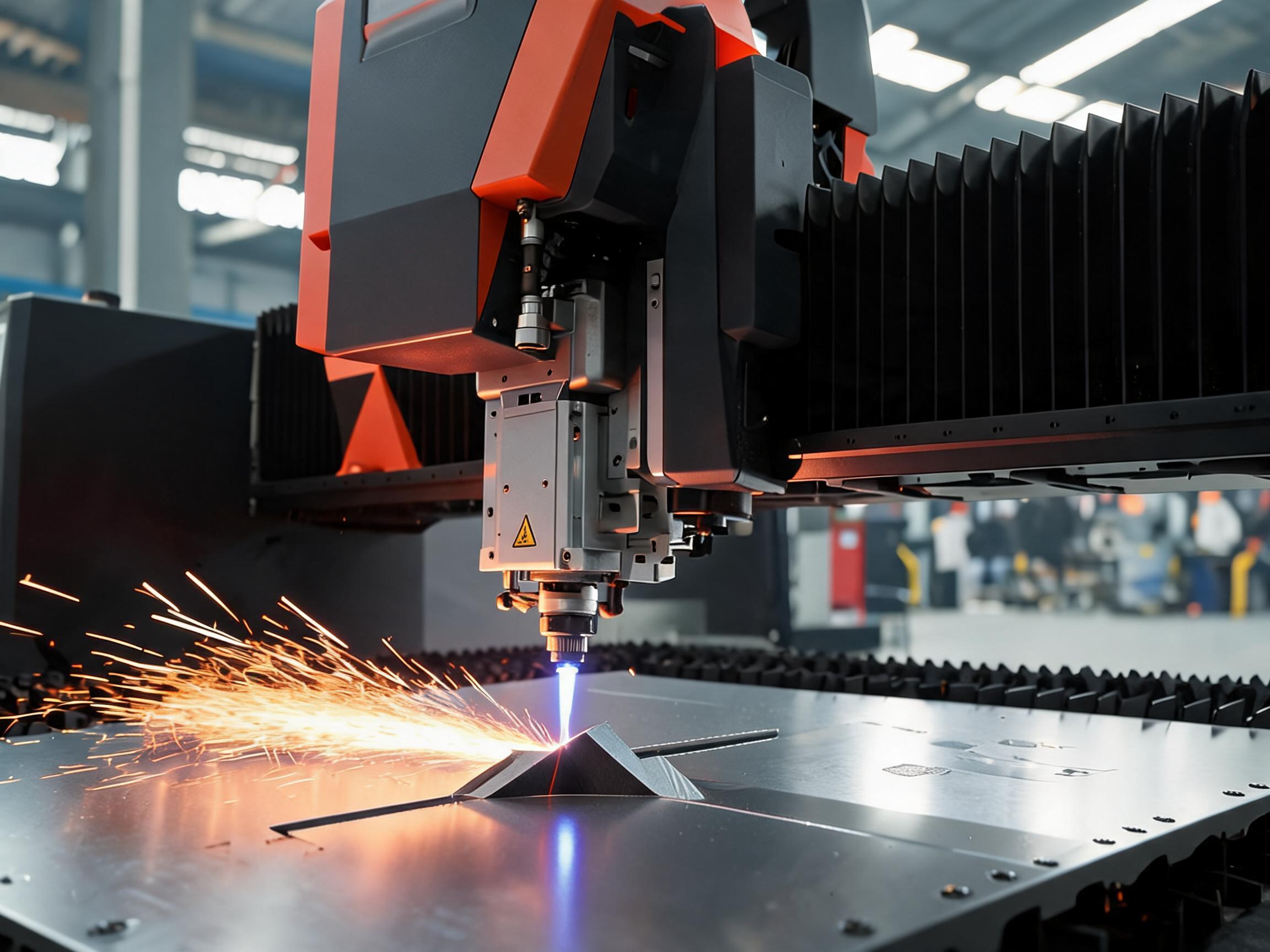
How a Fiber Laser Cutter Works: The Operating Principle
Unlike a mechanical router that spins a bit, a fiber laser generates a coherent light beam that is focused to a small spot. The energy density at that spot is high enough to melt the metal. A assist gas, usually oxygen or nitrogen, blows the molten material away. The result is a kerf width much smaller than a router bit, allowing for tight corners and fine features.
For a do it yourself CNC machine, this means no tool changes, no bit breakage, and no spindle speed calculations. The CNC part of the system controls the X and Y motion of the cutting head. The Z axis adjusts focus. The software, in this case CypCut, translates your CAD drawing into a cutting path.
What Makes the Desktop Form Factor Different
A desktop fiber laser is not a toy. The 3000W power level is substantial. The bench-top design simply means the frame is lower and the working area is smaller than a large-format machine. For a small fabrication shop or a maker space, this is an advantage because it reduces floor space requirements. It is still a heavy, rigid machine that needs a stable surface.
Verified Functions: What This Machine Can Actually Do
Based on the verified catalog data, the 3000W Desktop Fiber Laser Cutting Machine provides these specific functions:
- Carbon steel cutting up to 12mm thickness.
- Stainless steel cutting up to 8mm thickness.
- Aluminum cutting up to 6mm thickness.
- Positioning accuracy of ±0.03mm.
- Working area of 1300x900mm, suitable for sheet metal parts within that envelope.
- CypCut software for nesting and path generation.
- CE certification for the machine.
These are the boundaries you should plan around. If your parts are thicker than these limits, this machine is not the right choice. If your parts fit within these limits, the machine is a viable production tool.
Suitable and Unsuitable Scenarios
A do it yourself CNC machine of this type is suitable for:
- Prototyping metal parts that will later be mass-produced.
- Small-batch production of brackets, panels, and enclosures.
- Repair shops that need to cut replacement steel plates.
- Educational institutions teaching CNC programming and laser cutting.
It is not suitable for:
- Cutting thick structural steel over 12mm — use a plasma cutter or waterjet instead.
- High-reflectivity materials like copper or brass without special considerations — fiber lasers can struggle with these.
- Very large parts that exceed the 1300x900mm bed — you will need a larger machine.
- Pure wood cutting with thick stock — a laser burns wood and creates charred edges; a router is often better for thick wood.
How Much Is a CNC Machine for Metal vs. Wood?
Buyers often ask how much is a cnc machine for metal and how much is a cnc machine for wood. The price difference is significant because the technologies are different.
A wood CNC router with a similar working area might cost a fraction of a fiber laser. However, a wood router cannot cut steel. A metal-cutting CNC mill or plasma table is often more expensive than a wood router but can be cheaper than a laser of comparable power. A fiber laser sits at the higher end of the price range because of the laser source, optics, and cooling system.
When budgeting, do not just look at the purchase price. Consider the operating costs: electricity for the laser and chiller, assist gas consumption, replacement lenses and nozzles, and maintenance. The 3000W machine is a production asset, not a hobby toy.
For a more complete range, review the Medium-Power Fiber Laser Cutting Machines category at Xinhong CNC. This will help you compare power levels and features.
Is a CNC Machinist a Good Career?
If you are considering buying a machine, you may also be considering the profession. The question is a cnc machinist a good career is common. The answer is yes, with caveats. CNC machining is a skilled trade that requires knowledge of G-code, tooling, materials, and metrology. It is a good career because it is in demand in manufacturing, and it pays better than many unskilled positions. However, it requires continuous learning as machines and software evolve.
Owning a machine like this does not make you a machinist overnight. It makes you an operator. To become a machinist, you need to understand feeds and speeds, material properties, and how to inspect parts. If you are serious about is cnc a good career, start by learning the fundamentals and then get hands-on time with a machine.
Selection Factors: How to Choose the Right Machine
Before you purchase a do it yourself CNC machine, evaluate these factors:
- Material type and thickness: Match the machine's cutting capacity to your most common job. Do not buy a 3000W machine if you only cut 1mm sheet metal; a lower power unit may be more economical.
- Working area: The 1300x900mm bed will dictate the maximum part size. Measure your actual parts, not your ideal parts.
- Software compatibility: CypCut is included, but you need to be comfortable with CAD software to create drawings.
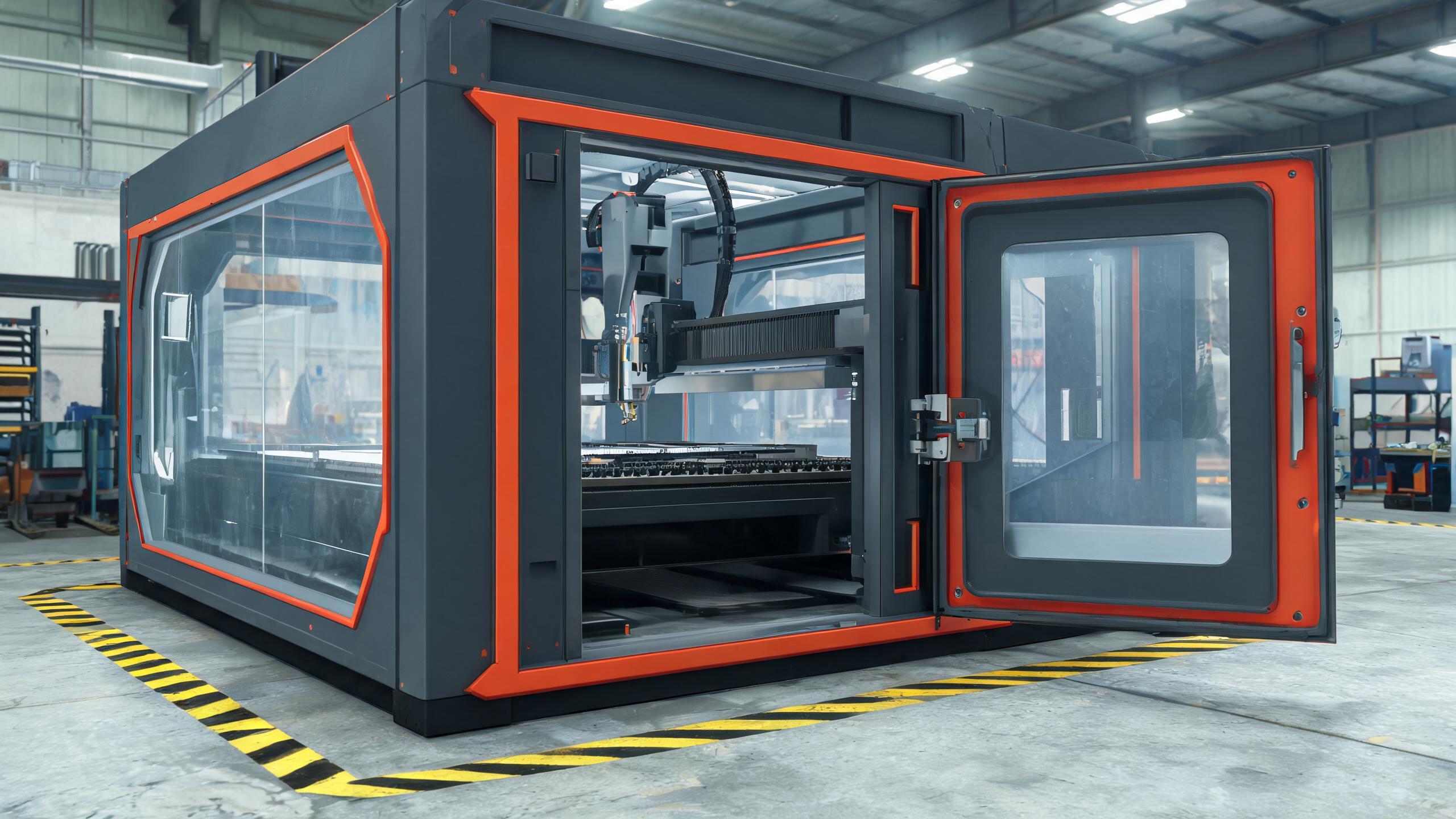
- Safety features: A laser is a Class 1 device when fully enclosed, but the enclosure must be maintained. Look for a protective cabin like the one shown in the image above.
- After-sales support: Ask about training, spare parts availability, and technical support response time.
Implementation Value: What You Gain After Installation
The value of a fiber laser cutter is realized in the workflow. You can go from a CAD file to a finished metal part in minutes. There is no tool wear on the cutting edge, so repeatability is high. The accuracy of ±0.03mm allows for parts that fit together without manual filing.
For a small business, this means you can take on custom metal fabrication jobs that would otherwise be outsourced. For an individual, it means you can turn your designs into physical products. The implementation value is not just in the machine; it is in the speed of iteration and the elimination of manual cutting errors.
Action Checklist and FAQ
Before You Buy
- Measure your largest and thickest parts.
- Calculate your monthly cutting volume.
- Verify your electrical supply can handle the machine's power draw.
- Plan for ventilation and laser safety enclosure.
- Request a sample cut with your material from the supplier.
Frequently Asked Questions
Q: Can this machine cut wood?
A: Yes, but it will burn the edges. A laser is optimized for metal. For clean wood cuts, a router is often better.
Q: How much does it cost to run a 3000W laser?
A: It depends on electricity rates and assist gas prices. Expect the laser source and chiller to be the main energy consumers.
Q: Do I need experience to operate it?
A: Basic CNC knowledge helps. CypCut is user-friendly, but you must understand coordinate systems and cutting parameters.
Q: Is a CNC career stable?
A: Manufacturing is cyclical, but skilled CNC operators are consistently in demand. The career is good if you are willing to keep learning.