
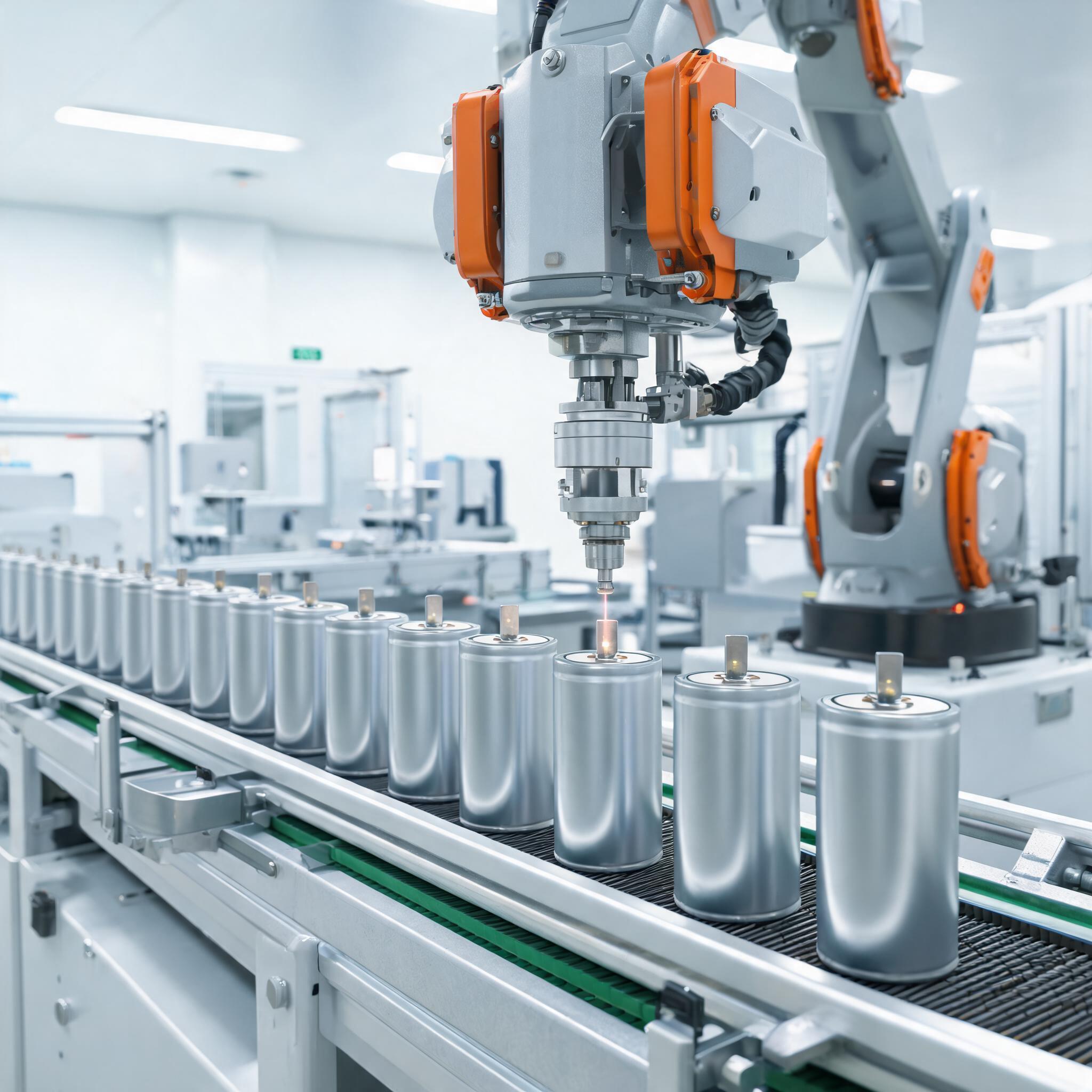
Understanding CNC machining hourly rates is essential for accurate budgeting and supplier comparison. This guide breaks down the main cost drivers—machine type, setup, material, tolerance, and labor—and explains how laser cutting cost per hour compares. Get practical tips for requesting quotes and avoiding hidden charges.
BUYER GUIDE
If you are sourcing machined parts, one of the first questions you ask is: how much does CNC machining cost per hour? The answer is rarely a single number. Hourly rates vary widely depending on the machine, material, part complexity, and the supplier’s location and overheads. This article explains the factors that drive CNC machining hourly rate, compares it with laser cutting cost per hour, and gives you a practical framework for comparing quotes.
- CNC machining hourly rates typically range from $40 to $150+, but the rate alone does not determine final part cost—setup, material, and programming often matter more.
- Laser cutting hourly rates are usually lower than milling or turning, but per-part cost depends heavily on cutting time and material thickness.
- Always request a detailed quote that separates setup, material, machining, and finishing. This lets you compare suppliers fairly.
What Is Included in a CNC Machining Hourly Rate?
A CNC machining hourly rate is not just the machine running cost. It covers the machine’s depreciation, maintenance, electricity, tooling wear, operator wages, and the shop’s overheads (rent, insurance, software licenses). Some suppliers include programming and setup in the hourly rate; others charge them separately. Always ask what the rate includes before comparing.
Main Cost Drivers Behind CNC Machining Hourly Rates
Several factors influence what a machine shop charges per hour. Understanding these helps you predict costs and identify where you can save.
1. Machine Type and Capability
Different machines have different capital costs and operating expenses. A 3-axis vertical machining center (VMC) is generally cheaper to run than a 5-axis machine. High-speed machining centers and multi-axis machines require more skilled operators and more expensive tooling, which raises the hourly rate.
| Machine Type | Typical Hourly Rate (USD) | Best For |
|---|---|---|
| 3-Axis CNC Milling | $40 – $80 | Simple prismatic parts, brackets, housings |
| CNC Turning (Lathe) | $35 – $70 | Cylindrical parts, shafts, bushings |
| 5-Axis CNC Milling | $75 – $150+ | Complex geometries, aerospace, medical |
| Laser Cutting (2D) | $25 – $60 | Sheet metal profiles, thin materials |
Note: Rates are indicative and vary by region, supplier, and order volume.
2. Setup and Programming
Before the machine starts cutting, the part must be programmed and the workholding set up. For a simple part, setup might take 30 minutes. For a complex 5-axis job, it can take several hours. Many shops charge a separate setup fee or include a fixed number of setup hours in the quote. The number of setups also matters—each additional setup adds time and cost.
3. Material Type and Form
Material cost is often the largest component of a CNC machining quote. Aluminum is cheaper and easier to machine than stainless steel or titanium. The material form (bar stock, plate, or billet) and its availability also affect cost. For laser cutting, the material is usually sheet metal, and the cost depends on thickness and grade.
4. Tolerance and Surface Finish
Tighter tolerances require more inspection time, slower feeds and speeds, and sometimes secondary operations. A part with ±0.005 mm tolerance will cost more per hour than one with ±0.1 mm. Surface finish requirements (e.g., Ra 0.8 vs. Ra 3.2) also add time. If you don’t need tight tolerances, don’t specify them—it will reduce your cost.
5. Part Complexity and Features
Deep cavities, thin walls, undercuts, and internal threads all increase machining time. The more complex the part, the more time it takes on the machine, which directly raises the effective hourly cost per part. Simplifying the design can significantly reduce both machining time and the hourly rate required.
6. Batch Size and Production Volume
For small batches (1–10 parts), the setup and programming cost is spread over few parts, making the per-part cost high. For larger volumes, the hourly rate may be lower because the shop can run unattended or optimize the process. Many suppliers offer tiered pricing based on quantity. Always ask for a quote at your expected volume.
7. Labor and Location
Hourly rates reflect local labor costs. Shops in North America and Western Europe typically charge $80–$150 per hour, while shops in Asia may charge $20–$50 per hour for similar work. However, lower hourly rates do not always mean lower total cost—consider shipping, lead time, communication, and quality control. Some buyers prefer a local supplier for prototypes and an overseas supplier for production.
How Laser Cutting Cost Per Hour Compares
Laser cutting is a thermal cutting process used mainly for sheet metal. It is often faster and cheaper per hour than CNC milling because it does not involve physical tooling and can cut complex 2D shapes quickly. However, the laser cutting cost per hour depends on the machine power (e.g., 3 kW vs. 12 kW), material type and thickness, and the number of pierces and cutting length.
For thin sheets (1–3 mm), laser cutting is very cost-effective. For thicker materials (over 20 mm), the cutting speed drops, and the cost per hour may rise due to higher energy consumption and assist gas usage. Laser cutting also produces a heat-affected zone (HAZ) that may require secondary finishing for some applications.
How to Compare CNC Machining Quotes Effectively
When you receive quotes, don’t just compare the hourly rate. Use this checklist:
- Breakdown: Does the quote list setup, material, machining, and finishing separately?
- Included operations: Are deburring, tapping, and inspection included?
- Setup fees: Is there a one-time setup charge? How many setups are assumed?
- Material cost: Is the material cost at market rate? Can you supply your own material?
- Minimum order: Is there a MOQ? Does the price change with quantity?
- Lead time: Is the lead time realistic? Does it include shipping?
A lower hourly rate can be misleading if the shop charges extra for every small operation. A transparent, itemized quote is more valuable than a low rate with hidden fees.
Practical Tips to Reduce Your CNC Machining Cost
- Simplify the design: Reduce the number of setups, avoid deep pockets, and use standard tolerances.
- Choose the right material: Use free-machining alloys (e.g., 6061 aluminum, 12L14 steel) where possible.
- Optimize for the process: If you need a 2D profile, consider laser cutting instead of milling—it’s often cheaper.
- Combine parts: If you have multiple small parts, ask if they can be machined from one block or sheet to reduce setup time.
- Order in larger batches: Even a modest increase in quantity can reduce the per-part cost significantly.
Frequently Asked Questions
What is the average CNC machining hourly rate in 2025?
For 3-axis milling, expect $40–$80 per hour; for 5-axis, $75–$150+. Turning is typically $35–$70. These are general ranges; your actual rate depends on the factors above.
Why do some shops charge $30/hour and others $120/hour?
Differences in machine capability, labor costs, overheads, quality systems, and the level of automation explain most of the gap. A lower rate may come with longer lead times or less engineering support. Evaluate total cost, not just the hourly rate.
Is laser cutting cheaper than CNC machining?
For 2D sheet metal parts, laser cutting is usually cheaper per hour and per part. For 3D parts or parts requiring milling, turning, or drilling, CNC machining is necessary. The choice depends on the part geometry and material.
How can I get an accurate quote?
Provide a detailed 2D drawing or 3D model with material, quantity, and required tolerances. The more information you give, the more accurate the quote. If you’re unsure about design for manufacturability, ask the supplier for feedback before finalizing.
Final Thoughts
Understanding how much does CNC machining cost per hour is about more than the number on the quote. It’s about knowing what drives that number and how to compare suppliers fairly. Use the factors above to evaluate quotes, and don’t hesitate to ask suppliers to break down their pricing. A good supplier will welcome the transparency.
If you have a part design and need a cost estimate, send us your drawings and specifications. We’ll provide a detailed, itemized quote based on your exact requirements.