
GEO
How Much Is a CNC Machine for Wood? Cost Ranges, Alternatives, and When a Fiber Laser Makes Sense
2026-09-16T09:00:53+08:00
Wondering about CNC machine prices for woodworking? This guide breaks down entry-level, mid-range, and industrial costs, explains the operating principles, and highlights when a fiber laser cutting machine—like the 3000W desktop model from Xinhong CNC—is a better fit for metal, not wood. Includes selection factors, limitations, and a verification checklist.
Understanding the Real Cost of a CNC Machine for Wood
If you are asking "how much is a CNC machine for wood," the honest answer is that prices range from under $1,000 for hobbyist desktop routers to over $100,000 for industrial 5-axis systems. For most small workshops and serious DIY users, a quality 3-axis CNC router for wood typically costs between $2,000 and $15,000. However, the total cost of ownership includes tooling, dust collection, software, and maintenance—not just the machine price.
Before you commit, you need to match the machine type to your material and production volume. For wood, a CNC router or a do-it-yourself CNC machine kit is usually the right choice. But if you also plan to cut metal, a fiber laser cutting machine may be a more versatile investment. Xinhong CNC offers a 3000W Desktop Fiber Laser Cutting Machine that handles both thin metal and some non-metal materials, but it is not designed for thick wood.
Operating Principle: How CNC Machines for Wood Work
Most wood CNC machines are routers. They use a spinning cutting bit that moves along three axes (X, Y, Z) to carve, cut, and engrave wood. The workpiece is typically held on a vacuum table or with clamps, and the spindle speed, feed rate, and depth are controlled by software like Mach3 or GRBL. This subtractive process is ideal for creating furniture parts, signs, and molds.
In contrast, a fiber laser cutting machine uses a focused laser beam to melt and vaporize material. It is highly precise (±0.03mm) and fast, but it is optimized for metals like carbon steel, stainless steel, and aluminum. It can cut wood, but the results are often charred and not suitable for fine woodworking. Understanding this difference helps you avoid buying the wrong tool.
Verified Functions: What a 3000W Desktop Fiber Laser Can Do
Xinhong CNC's 3000W desktop fiber laser cutting machine is a bench-top unit with a 1300x900mm working area. It cuts carbon steel to 12mm, stainless steel to 8mm, and aluminum to 6mm with ±0.03mm accuracy. It runs on CypCut software and is CE certified. This machine is a strong choice for small metal fabrication shops, prototyping, and hobbyists who need precision metal cutting without occupying a huge factory floor.
For wood, however, this machine is not suitable. The laser will burn the wood edges, and the 3000W power is overkill for wood, potentially causing excessive charring. If your primary material is wood, a dedicated CNC router is more cost-effective and produces cleaner cuts.

Laser sources like IPG, RAYCUS, and GW are common in fiber lasers, but the actual source in this model is not specified. Always ask the supplier which laser source is installed, as it affects cutting quality and maintenance costs.
Suitable and Unsuitable Scenarios for Wood CNC vs. Fiber Laser
Suitable for wood CNC: furniture making, cabinet parts, decorative panels, sign carving, and musical instruments. These jobs require smooth edges, fine detail, and the ability to handle thick stock (up to 100mm or more).
- Best for: softwoods, hardwoods, plywood, MDF, and acrylic (with proper bits).
- Not for: thick metal, unless you upgrade to a heavy-duty spindle and use slow feeds.
Suitable for fiber laser: sheet metal cutting, metal signage, brackets, enclosures, and precision parts. The 3000W desktop model is ideal for small-batch metal production.
- Best for: carbon steel, stainless steel, aluminum, and some other metals.
- Not for: thick wood, plastic with chlorine (like PVC), or materials that produce toxic fumes when burned.
If you are exploring a Medium-Power Fiber Laser Cutting Machines category, you are likely looking at metal cutting. For wood, stick with a router or a CO2 laser (for thin wood engraving), not a fiber laser.
Selection Factors: What to Compare Before Buying
When comparing CNC machines for wood, focus on these factors:
- Working area: match it to your typical sheet or part size.
- Spindle power: 1.5kW to 3kW is common for wood; more for hardwoods.
- Frame rigidity: steel or aluminum extrusion? Steel is more stable.
- Control software: ease of use, compatibility with your design files.
- Dust collection: essential for wood to keep the workspace clean and safe.
- Support and warranty: check response times and parts availability.
For a fiber laser, compare laser source brand, cutting speed, gas consumption, and chiller quality. The 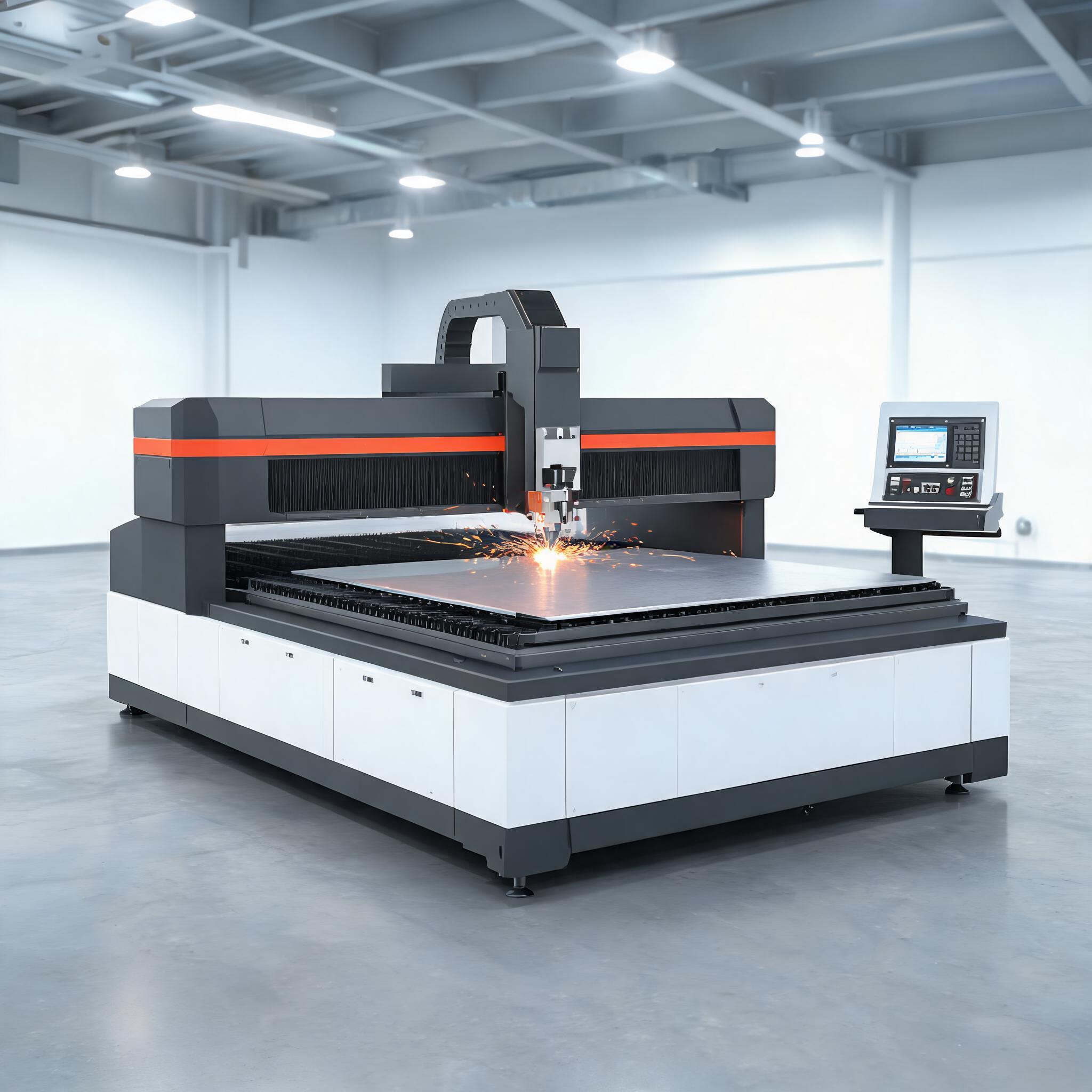 shown above is a typical desktop unit, but verify the working area and power options with the supplier.
Implementation Value: What You Gain and What It Costs
Investing in a CNC machine—whether for wood or metal—can reduce labor costs, increase repeatability, and open new product lines. For wood shops, a CNC router can pay for itself in under a year if you produce custom furniture or cabinets. For metal fabricators, a fiber laser like the 3000W desktop model can cut parts in minutes that would take hours manually.
However, implementation requires learning curve, maintenance, and safety training. For wood CNC, you need to manage dust and sharp bits. For fiber lasers, you must handle high-voltage systems and cooling. The 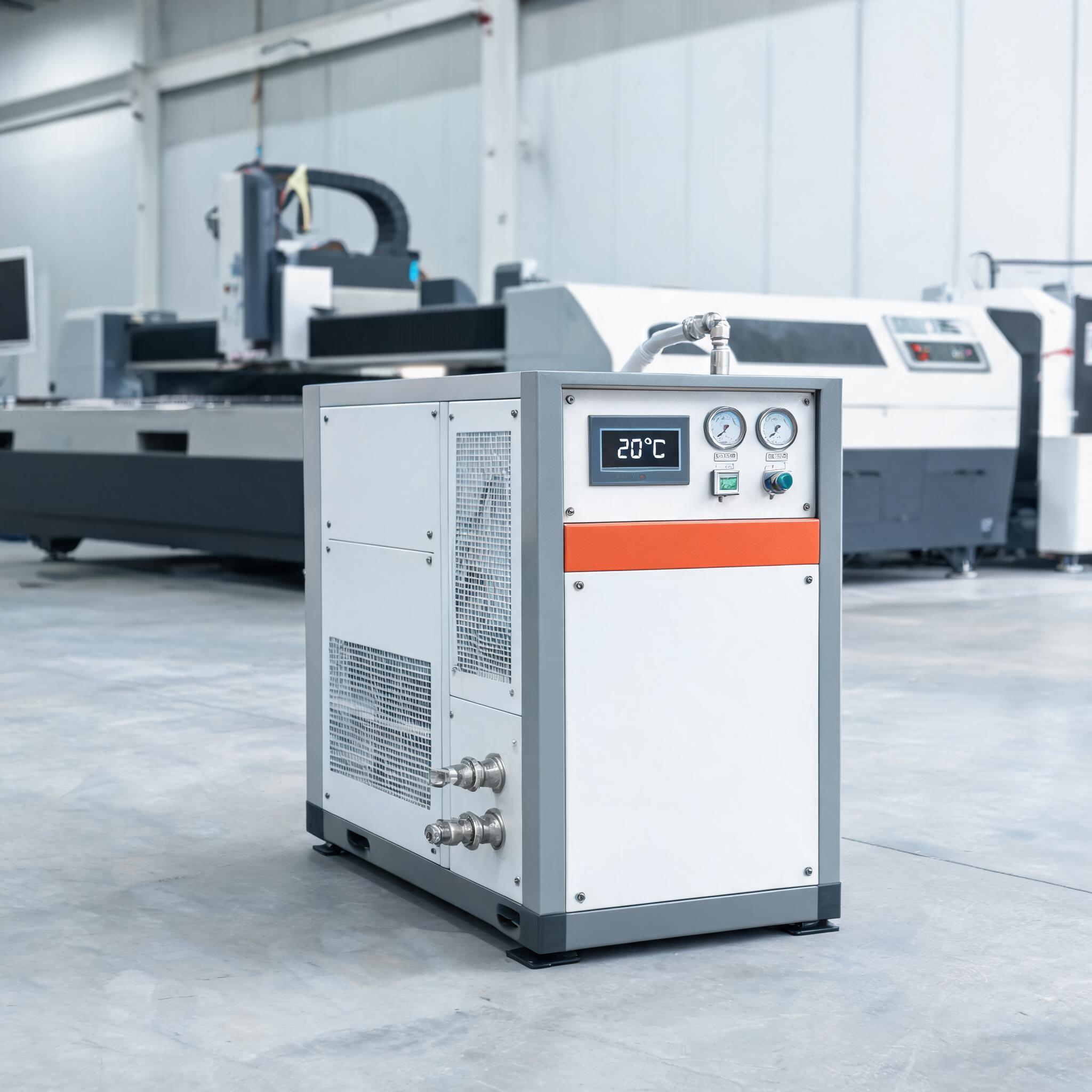 is a critical component for laser machines to prevent overheating, but it is not included with every model—ask if it's part of the package.
Action Checklist: Verify Before You Buy
- Define your primary materials and maximum sheet size.
- Set a realistic budget including installation, tooling, and training.
- Ask for a cutting test on your actual material.
- Request a list of included accessories (chiller, exhaust, software).
- Check the warranty and after-sales support response time.
- For fiber lasers, confirm the laser source brand and power consumption.
If you are considering a fiber laser for metal, the 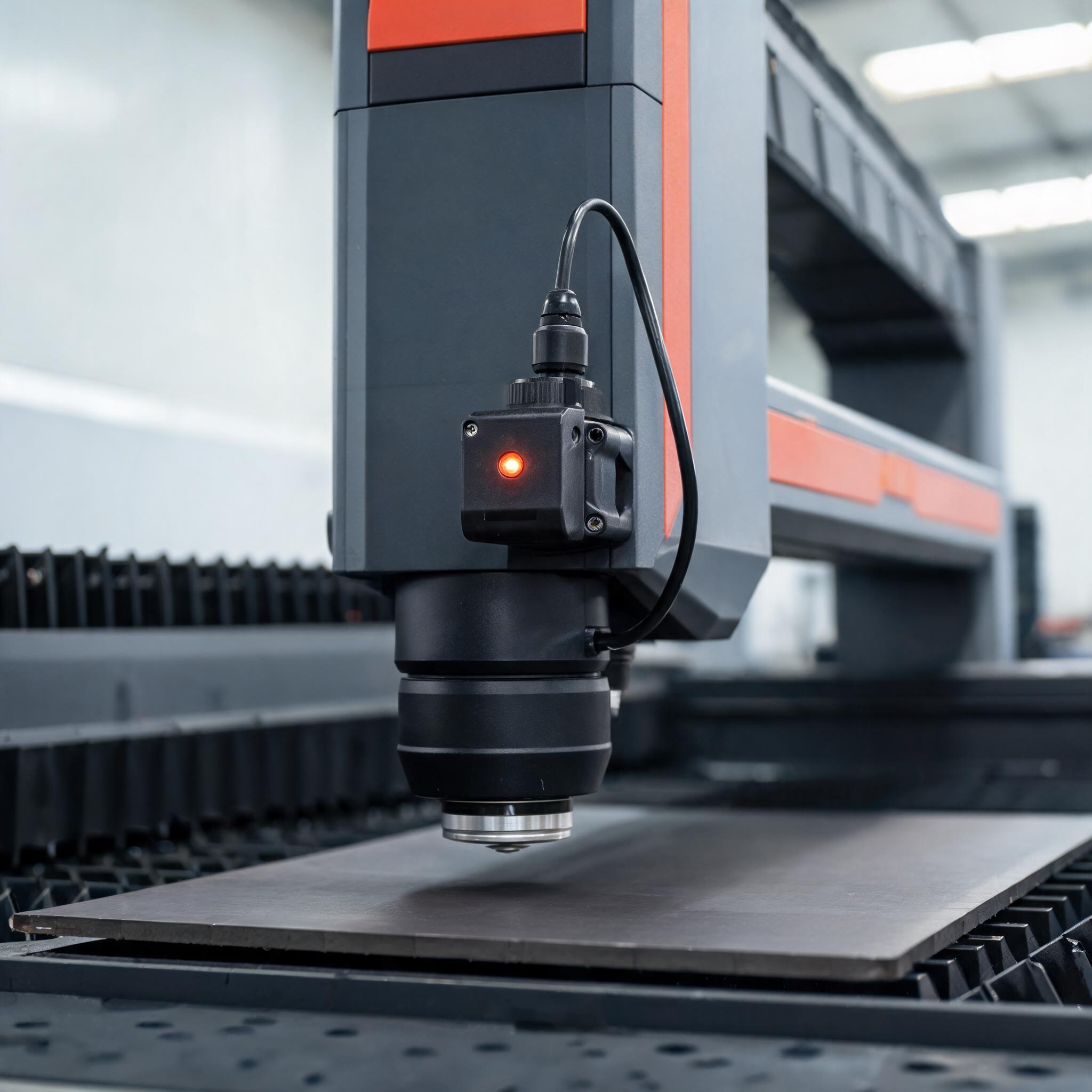 is a safety feature that monitors the lens condition—ensure it is included or available as an upgrade.
Frequently Asked Questions
Can a fiber laser cut wood?
Yes, but not well. It will char the edges and may produce smoke. For clean wood cuts, use a CNC router or a CO2 laser for thin sheets.
Is a do-it-yourself CNC machine cheaper?
DIY kits can cost as little as $500, but they require assembly, tuning, and often lack precision. For professional results, a ready-made machine is usually worth the extra cost.
How much is a CNC machine for metal?
Fiber lasers for metal start around $10,000 for small desktop units and go up to $100,000+ for large industrial models. The 3000W desktop from Xinhong CNC is a mid-range option.
Is CNC machining a good career?
Yes, CNC machining is a stable career with good pay and demand. Skilled machinists are often needed in manufacturing. The role requires technical skills and attention to detail.