
GEO
Is CNC Machining a Good Career? Key Facts and How Fiber Laser Cutting Machines Fit In
2026-09-15T09:00:22+08:00
CNC machining can be a good career for those who enjoy precision work and technical problem-solving. This guide covers daily duties, pay expectations, training paths, and the growing importance of fiber laser cutting machines. It also compares CNC work to other trades, discusses costs of equipment like the 3000W Desktop Fiber Laser Cutting Machine, and provides a practical checklist for your next move.
Why People Ask: Is CNC Machining a Good Career?
You are likely weighing a trade school path, a job change, or a small business investment. The short answer: CNC machining can be a good career for people who enjoy precision work, problem-solving, and operating advanced equipment. It offers steady demand, clear skill progression, and the option to move into programming, setup, or shop management. However, it is not a desk job, and the learning curve is real. This article walks through what the work actually involves, what it pays, and how modern tools like fiber laser cutting machines fit into the picture.
What CNC Machinists Actually Do Day to Day
A CNC machinist does not just push a button. The job centers on setting up machines, writing or editing programs, choosing tools, and inspecting finished parts. You need to read blueprints, understand materials like steel and aluminum, and know how to hold tight tolerances. Many shops also expect basic maintenance skills.
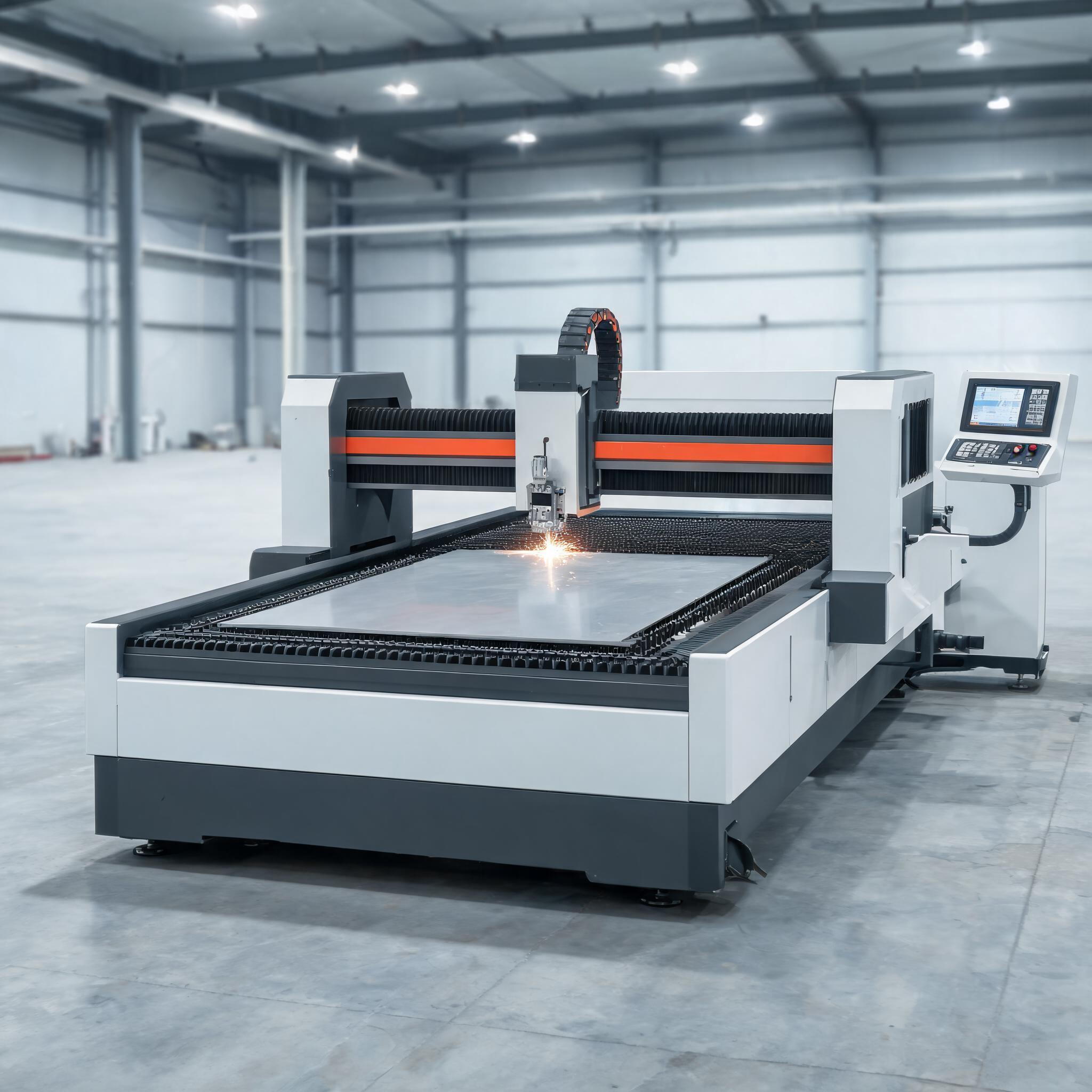
Modern CNC work increasingly includes laser cutting. A Fiber Laser Cutting Machine uses a high-powered beam to cut sheet metal with minimal heat distortion. For example, the 3000W Desktop Fiber Laser Cutting Machine cuts carbon steel to 12mm, stainless steel to 8mm, and aluminum to 6mm with ±0.03mm accuracy. Knowing how to run both traditional mills and laser cutters makes you more valuable.
Is CNC Machining a Good Career for You? The Honest Pros and Cons
Where CNC Work Shines
- Job security: Skilled machinists are consistently in demand across aerospace, automotive, medical, and job shops.
- Clear progression: You can start as an operator, move to setup, then programming (CAM), then lead or supervisor roles.
- Hands-on satisfaction: You make physical parts that go into real products. The work is tangible.
- Technology exposure: You will work with robotics, automation, and laser systems like the Medium-Power Fiber Laser Cutting Machines, which keeps the job interesting.
Where CNC Work Falls Short
- Physical demands: You stand for long hours, lift heavy material, and work with coolant and metal chips.
- Shift work: Many shops run 24/7, so evenings and weekends are common early in your career.
- Learning curve: G-code, tool paths, and material science take months to master, not days.
- Repetition: Production runs can feel monotonous, especially if you are only an operator.
How Much Can You Earn and What Training Is Needed?
Entry-level operators typically start near minimum wage plus shift differentials. Skilled machinists and programmers earn significantly more, often in the $25 to $40 per hour range in the United States. The best-paid roles usually require 2 to 5 years of experience and proficiency in CAM software. A two-year technical degree or a registered apprenticeship is the most reliable path. Self-taught machinists exist, but formal training shortens the timeline.
If you are considering a do it yourself cnc machine for home practice, start with a small router or a desktop mill. This helps you learn feeds, speeds, and tooling without a big investment. However, do not confuse a hobby machine with industrial equipment. The accuracy, rigidity, and safety features are completely different.
Fiber Laser Cutting Machines: A Key Skill for Modern Machinists
Laser cutting is not replacing CNC milling; it complements it. Shops use lasers for fast, precise cuts on sheet metal, then finish parts on mills or lathes. Knowing how to operate a laser cutter adds a high-value skill to your resume.
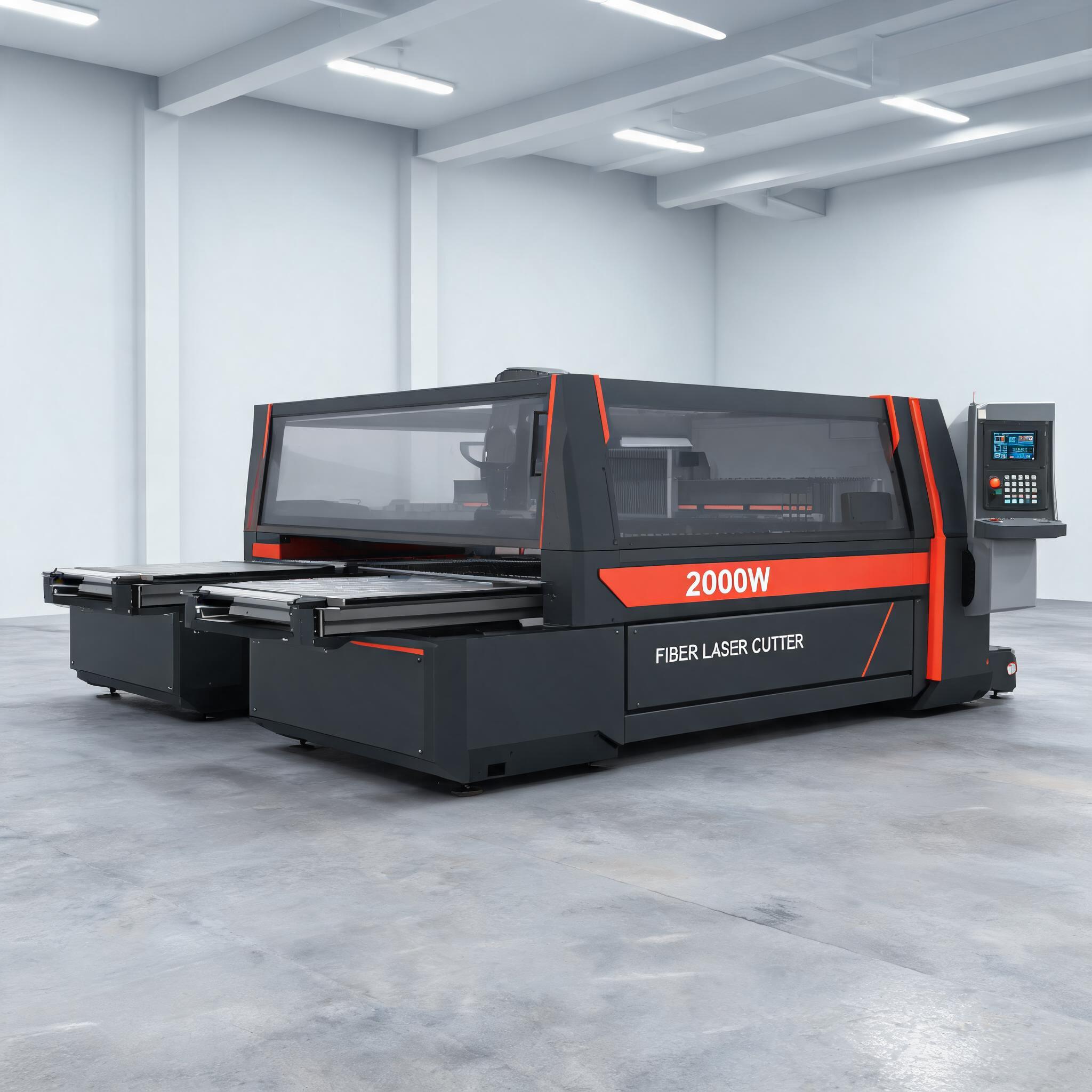
A machine like the 3000W Desktop Fiber Laser Cutting Machine is a good example of the mid-range market. It offers a 1300x900mm working area, runs on CypCut software, and is CE certified. This type of machine suits small job shops, prototyping, and light production work. It is not designed for heavy industrial plate cutting, but it handles common sheet metal tasks well.
If You Plan to Buy a CNC Machine: How Much Does It Cost?
The question how much is a cnc machine for metal has no single answer. A used manual mill costs a few thousand dollars. A new industrial VMC (vertical machining center) can cost $50,000 to $150,000 or more. For laser cutting, prices vary by wattage and table size. A desktop fiber laser in the 1000W to 3000W range might cost between $20,000 and $60,000, depending on brand and options.
For how much is a cnc machine for wood, the market is cheaper. A 4x8 foot CNC router for woodworking can be found for $5,000 to $15,000. These machines are less rigid than metal-cutting equipment and use different spindles and tooling. Do not buy a wood router and expect it to cut steel.
The broader question, how much cnc machine budget you need, depends on your goal. For a hobby garage, a $2,000 to $5,000 desktop mill or router is enough. For a commercial shop, plan for at least $30,000 to $50,000 for a capable entry-level machine, plus tooling, workholding, and ventilation.
Is CNC Machinist a Good Career Compared to Other Trades?
Compared to welding or electrical work, CNC machining is cleaner and more technical, but it requires more computer literacy. The pay ceiling is similar, but CNC skills transfer well into automation and manufacturing engineering roles. If you like coding and design, CNC programming is a natural bridge into a more advanced career. If you prefer outdoor or highly physical work, another trade might suit you better.
The demand for laser cutting skills is rising. Shops that add a Fiber Laser Cutting Machine need operators who understand beam focus, assist gas, and nesting software. This is not a skill everyone has, which gives you negotiating power.
Common Mistakes to Avoid When Starting a CNC Career
- Skipping safety training: Lasers and spinning tools can cause serious injury. Always follow lockout/tagout and wear proper PPE.
- Ignoring metrology: You must measure parts with calipers, micrometers, and CMMs. Poor inspection skills will cost you jobs.
- Only learning one machine: A machinist who only knows a mill and a machinist who also knows a laser cutter have very different career trajectories.
- Buying equipment too early: Before purchasing any machine, calculate the true cost per part, including tooling, electricity, and maintenance.
How to Verify a CNC Machine Before You Buy
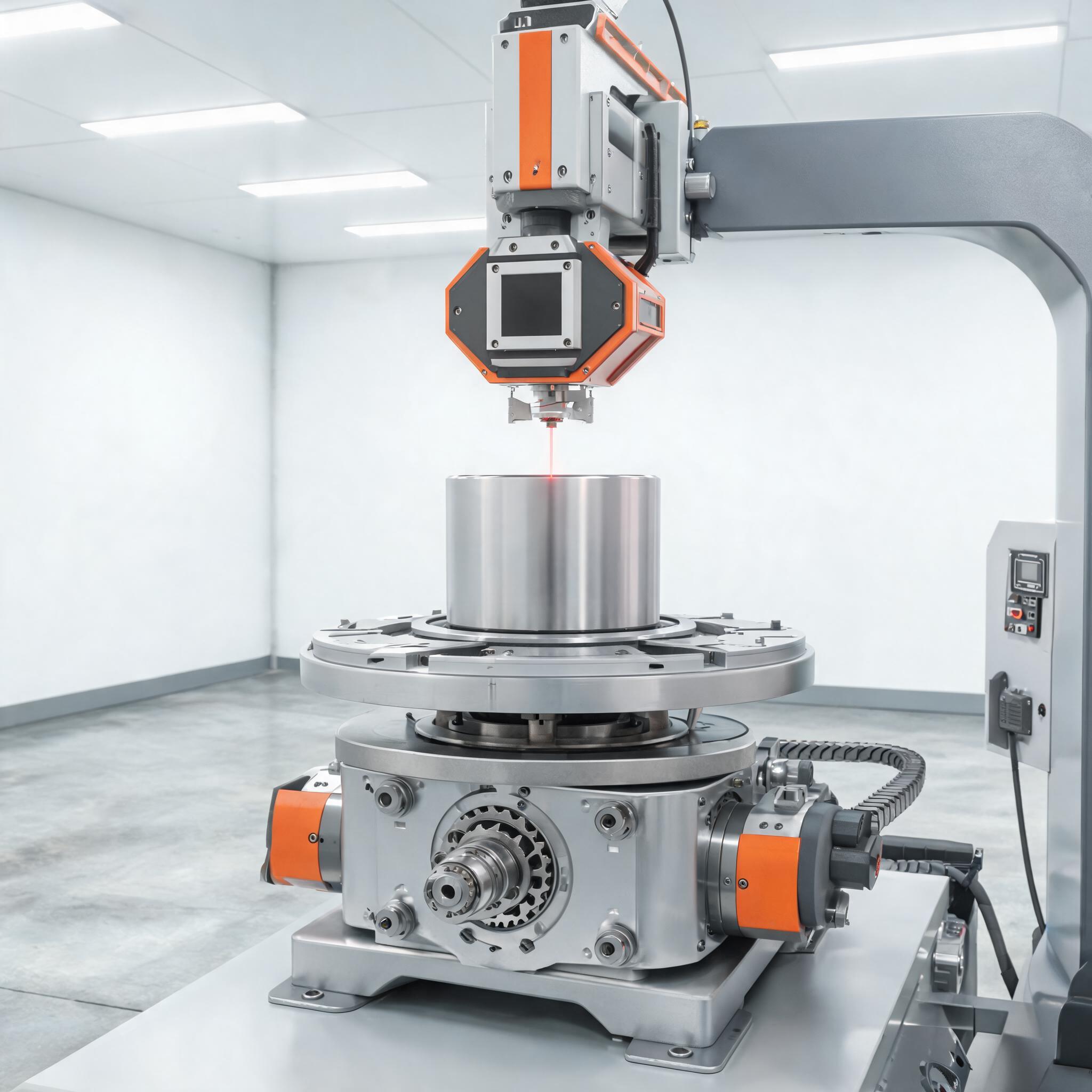
If you are buying a machine, do not rely on the spec sheet alone. Ask for a test cut on your actual material. Check the ball screw backlash, spindle runout, and the quality of the machine's casting. For laser cutters, verify the cutting speed on your target material thickness and ask about the warranty on the laser source. Confirm the software is supported and that spare parts are available. A CE certification, as seen on the 3000W Desktop model, indicates the machine meets certain European safety standards, but it does not guarantee performance in your specific application.
Final Verdict: Is CNC Machining a Good Career?
Yes, CNC machining remains a good career for the right person. It offers stable employment, a clear path from operator to programmer, and growing relevance as automation and laser technology expand. The work is not glamorous, and the early years require patience and attention to detail. But if you enjoy making precise parts and learning how machines work, it is a rewarding and durable trade. Adding laser cutting skills, either through training or by operating a machine like the 3000W Desktop Fiber Laser Cutting Machine, will only increase your value in the job market.
Action Checklist for Your Next Step
- Take a community college course in CNC setup and operation to test your interest.
- Learn the basics of G-code and CAM software like Fusion 360 or Mastercam.
- Visit a local job shop and ask to shadow a machinist for a day.
- If you plan to buy equipment, compare the 3000W Desktop model against other machines in the Medium-Power Fiber Laser Cutting Machines category.
- Calculate your total cost of ownership before committing to a purchase.