
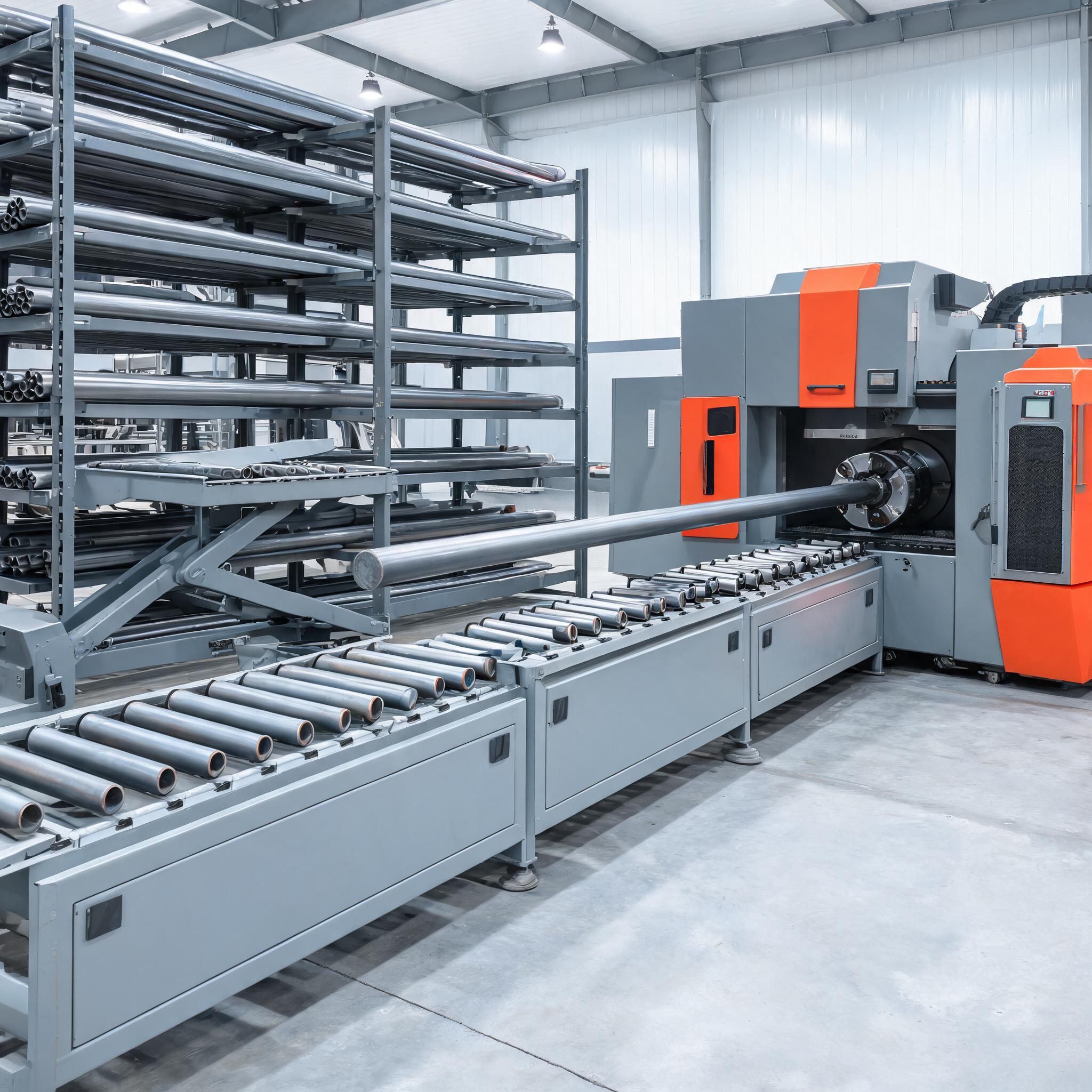
This guide explains what CNC machine tools are, the main types of cutting tools and tooling used in CNC machines, and how laser cutting tools fit into modern manufacturing. It includes practical selection criteria for B2B buyers.
BUYER GUIDE
When you search for what is CNC machine tools, you are likely evaluating suppliers for your machining operations or planning to expand your production line. You need clear, factual information about the cutting tools and tooling that make CNC machines work—and how laser cutting tools fit into the picture. This guide answers those questions directly, helping you make informed purchasing decisions.
- CNC machine tools are the cutting tools, holders, and accessories used on CNC machines—they determine precision, surface finish, and tool life.
- Common types include end mills, drills, inserts, taps, and specialized tooling for turning, milling, and drilling.
- Laser cutting tools are non-contact, using a focused beam; they suit thin materials and complex profiles but have different cost and capability trade-offs.
- Selecting the right tool material, coating, and geometry directly affects cycle time, part quality, and operating cost.
- Always verify tool specifications, compatibility, and supplier quality systems before ordering.
What Are CNC Machine Tools?
CNC machine tools are the physical cutting implements and tooling used on computer numerical control (CNC) machines. They include the cutting edges that remove material, the holders that secure them, and the accessories that enable precise machining. Without the right tools, even the most advanced CNC machine cannot produce accurate parts.
In practice, the term covers a wide range of items: milling cutters, turning inserts, drills, taps, reamers, tool holders, collets, and more. The choice of tool affects every aspect of machining—from surface finish and dimensional accuracy to tool wear and cycle time. For a buyer, understanding these tools is essential for specifying the right consumables and for evaluating supplier capabilities.
Main Types of CNC Cutting Tools
CNC machines perform different operations—milling, turning, drilling, and cutting—each requiring specific tool geometries. Here are the most common categories you will encounter when sourcing CNC machine tools.
Milling Tools
Milling tools rotate to remove material from a workpiece. The most common are end mills, which come in flat, ball-nose, and corner-radius variants. They are used for profiling, slotting, and contouring. Face mills handle large flat surfaces, while thread mills cut internal or external threads with high precision.
Key specifications to check: number of flutes, helix angle, coating, and shank diameter. For example, a 2-flute end mill is better for slotting, while a 4-flute design provides better surface finish in harder materials.
Turning Tools
Turning tools are used on lathes. They are typically indexable inserts mounted on tool holders. The insert geometry (e.g., CCMT, DNMG) determines the cutting angles and chip control. Common operations include facing, turning, boring, and threading. Carbide inserts with coatings like TiN or AlTiN are standard for steel and stainless steel.
Drilling and Hole-Making Tools
Drills create holes. Standard twist drills are common, but for higher precision, indexable insert drills or solid carbide drills are used. Reamers and boring bars refine hole size and finish. For deep holes, specialized gun drills or BTA tools may be required.
Taps and Threading Tools
Taps cut internal threads. They are available in various types: hand taps, spiral point taps, and spiral flute taps. For high-volume production, thread milling is often preferred because it is more versatile and less prone to breakage.
Tool Holders and Accessories
Tool holders connect the cutting tool to the machine spindle. Common systems include SK, BT, HSK, and Capto. The choice affects rigidity and runout, which directly impact tool life and part accuracy. Collets, chucks, and shrink-fit holders are typical options.
Tool Materials and Coatings
The material of the cutting tool determines its hardness, toughness, and heat resistance. Here is a quick comparison of common tool materials:
| Material | Typical Use | Pros | Cons |
|---|---|---|---|
| High-Speed Steel (HSS) | Low-cost tools, complex geometries | Tough, easy to grind | Lower hardness, shorter tool life |
| Solid Carbide | High-speed machining, hard materials | High hardness, wear resistance | Brittle, higher cost |
| Cermet | Finishing cuts on steels | Good surface finish, high heat resistance | Limited to light cuts |
| Cubic Boron Nitride (CBN) | Hardened steels, superalloys | Extreme hardness | Very expensive, limited use |
| Polycrystalline Diamond (PCD) | Non-ferrous materials, composites | Exceptional wear life | Cannot cut steels |
Coatings such as TiN, TiAlN, and AlCrN reduce friction and increase heat resistance. They are essential for high-speed machining and dry cutting. Always confirm the coating type with your supplier based on your workpiece material.
Laser Cutting Tools: A Different Approach
Laser cutting tools are fundamentally different from mechanical tools. They use a focused, high-power laser beam to melt, burn, or vaporize material. Because there is no physical contact, there is no tool wear in the traditional sense. This makes laser cutting ideal for thin sheets, intricate profiles, and materials that are difficult to machine mechanically, such as certain plastics or composites.
However, laser cutting has limitations. It is not suitable for thick sections of highly reflective metals like copper or aluminum without specialized equipment. The initial investment and operating costs (gas, electricity, maintenance) can be higher than mechanical methods for some applications. For a buyer, the decision between laser and mechanical cutting depends on your part geometry, material, thickness, and production volume.
How to Choose the Right CNC Machine Tools
When sourcing CNC machine tools, consider these factors:
- Workpiece material: Harder materials require tougher tool materials and appropriate coatings.
- Operation type: Milling, turning, drilling, or threading each need specific tool geometries.
- Machine compatibility: Tool shank size, taper, and holder system must match your CNC spindle.
- Cutting parameters: Speed, feed, and depth of cut influence tool selection and life.
- Quality and certification: Look for suppliers with ISO 9001 or similar quality management systems. Ask for material certificates and test reports.
- Lead time and support: Confirm stock availability, delivery times, and technical support.
Quality Considerations for Buyers
Tool quality directly affects your production efficiency. Poor-quality tools lead to premature wear, breakage, and inconsistent parts. When evaluating suppliers, ask for:
- Detailed specifications and tolerance data.
- Sample testing or trial orders.
- Material certificates and coating verification.
- References from similar industries.
If a supplier cannot provide these, consider it a red flag. A reliable supplier will be transparent about their manufacturing process and quality control.
Common Mistakes to Avoid
- Choosing tools based only on price—cheap tools often cost more in downtime and scrap.
- Ignoring machine spindle taper and holder compatibility.
- Using the same tool for different materials without adjusting parameters.
- Neglecting coolant and chip evacuation requirements.
- Not verifying the supplier's quality certifications.
Frequently Asked Questions
What is the difference between CNC machine tools and CNC machines?
CNC machines are the complete systems (milling machines, lathes, routers) that move and control the cutting process. CNC machine tools are the cutting implements and holders that actually remove material. You need both: a machine without tools cannot produce parts.
Can laser cutting replace all mechanical cutting?
No. Laser cutting excels at thin materials and complex 2D profiles, but mechanical cutting is often better for thick sections, 3D shapes, and materials that reflect laser light. Many shops use both technologies.
How do I know which tool material to choose?
Start with the workpiece material. For steel, carbide with a TiAlN coating is common. For aluminum, uncoated carbide or PCD may be better. Consult your tool supplier with your specific application details.
Next Steps
Understanding CNC machine tools is the first step to optimizing your machining operations. Whether you are sourcing end mills, inserts, or exploring laser cutting tools, always prioritize quality, compatibility, and supplier reliability.
If you are evaluating a supplier for CNC machine tools, request detailed specifications and samples. Confirm their quality system and delivery terms. A professional supplier will welcome your questions and provide the technical data you need to make a confident decision.
Note: Specific tool parameters and availability should be confirmed directly with your chosen supplier, as they vary by product line and manufacturing capabilities.