
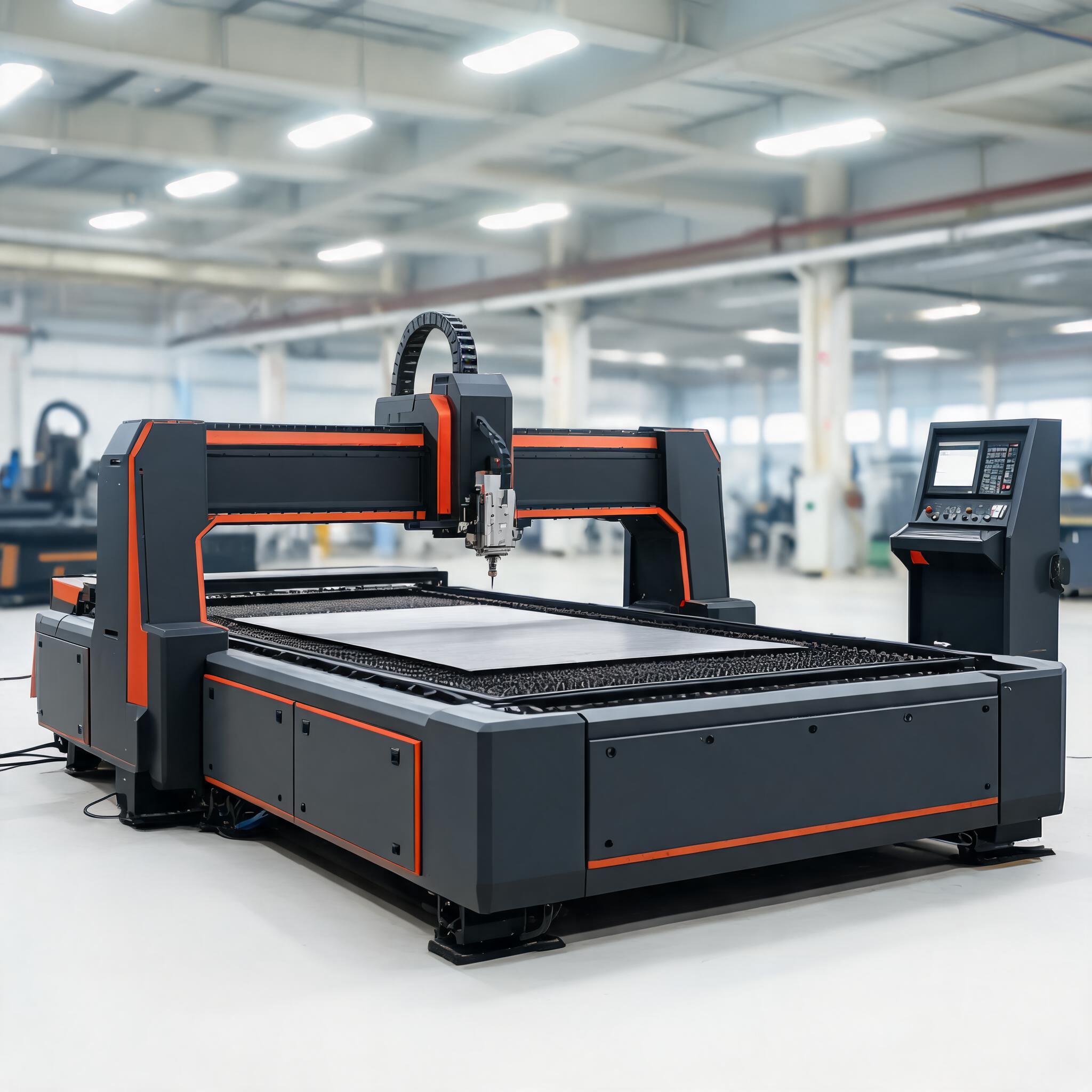
This guide explains where to buy used CNC machines, how to evaluate a second-hand CNC machine before purchase, and the key risks to avoid. It covers sourcing channels, inspection checklists, cost considerations, and common mistakes, helping international buyers make informed purchasing decisions.
BUYER GUIDE
For many machine shops and manufacturers, a used CNC machine is a practical way to expand capacity without the full cost of new equipment. But the market is uneven. Some machines are well-maintained and run for years; others are sold right before a major repair. This guide focuses on where to buy used CNC machines, how to evaluate a second-hand CNC machine before you commit, and how to avoid the most common pitfalls. The goal is to help you make a decision based on facts, not on a seller's description.
Key takeaways:
- Start with reputable sources: certified pre-owned dealers, auctions, and direct-from-factory surplus.
- Inspect the machine personally or through a third-party inspector — never rely on photos alone.
- Check spindle hours, axis backlash, and control system condition; these are the highest-cost repair items.
- Factor in installation, tooling, and potential retrofit costs when comparing prices.
- Ask for maintenance records, test-cut results, and the machine's original specifications.
Why Buy a Used CNC Machine?
The main reason is cost. A used CNC machine typically costs 30–60% less than the same model new, depending on age and condition. This frees up capital for tooling, software, or other production needs. Another reason is lead time: new machines often have delivery lead times of several months, while used machines can be shipped and installed in weeks.
However, the savings come with risk. A poorly chosen used machine can cost more in downtime and repairs than the price difference. That is why the sourcing and evaluation process matters more than the purchase price itself.
Where to Buy Used CNC Machines
There are several channels, each with different levels of risk and transparency. Here is a breakdown of the most common sources.
| Source | Pros | Cons | Best For |
|---|---|---|---|
| Certified pre-owned dealers | Often inspected, warranted, and serviced; documentation available | Higher price than private sellers | Buyers who want lower risk and technical support |
| Online auction platforms | Wide selection, competitive pricing | As-is condition, limited inspection time, shipping logistics | Experienced buyers who can inspect or have local agents |
| Direct from manufacturers / surplus sales | Machines often have low hours, full service history | Limited availability, may be older models | Buyers looking for specific models or low-hour units |
| Brokers and resellers | Can source specific models, handle logistics | Fees, less control over the inspection process | Buyers with specific requirements and limited time |
| Private sellers (classifieds, forums) | Lowest price, direct negotiation | High risk, no warranty, often no service records | Buyers who know exactly what to look for and can inspect personally |
For international buyers, the challenge is distance. You cannot simply walk into a seller's shop. In that case, consider working with a sourcing agent or an inspection company that can visit the machine on your behalf. Many buyers also use video calls for a live walkaround, but that is not a substitute for a physical inspection.
How to Evaluate a Used CNC Machine
Once you have identified a candidate, the evaluation process is critical. Here is a step-by-step checklist based on what matters most in practice.
1. Machine History and Documentation
Ask for the machine's serial number, year of manufacture, and original specification sheet. Request maintenance logs, repair records, and any software or control system updates. A seller who cannot provide basic documentation is a red flag.
2. Spindle Hours and Usage
Spindle hours are a good indicator of wear, but they are not the whole story. A machine with 20,000 hours used for light aluminum cutting may be in better shape than one with 5,000 hours used for heavy steel. Ask about the typical workpiece material and cutting conditions.
3. Control System Condition
The control system is the brain of the machine. Older controls may be difficult to program or may no longer be supported by the manufacturer. Check the control model and whether spare parts and software updates are still available. If the control is obsolete, factor in the cost of a retrofit.
4. Mechanical Wear
Key areas to check:
- Axis backlash — excessive play in the ball screws leads to poor accuracy.
- Ways and guides — look for scoring, rust, or uneven wear.
- Spindle bearing noise — unusual sounds during a test run indicate bearing wear.
- Hydraulic or pneumatic leaks — check for oil or air leaks around the machine.
5. Test Cut and Accuracy
If possible, ask for a test cut on a standard workpiece. Measure the dimensions and compare them to the machine's specifications. This is the most direct way to verify accuracy. If the seller refuses, ask why.
6. Software and Post-Processor Compatibility
Make sure the machine's control software is compatible with your CAM system. Some older controls require specific post-processors that may not be available anymore. Check this before purchase, not after.
Cost Considerations Beyond the Purchase Price
The purchase price is only the beginning. When comparing a used CNC machine to a new one, include these costs:
- Transport and rigging — international shipping, customs, and rigging can add 10–20% to the cost.
- Installation and commissioning — leveling, electrical hookup, and calibration.
- Tooling and workholding — the machine may not come with the tooling you need.
- Retrofit or repair — if the control is old or the spindle needs work, budget for it.
- Training — your operators may need to learn a different control system.
Get a written quote for these items before you commit. A machine that looks cheap on paper can become expensive once you add all the extras.
Common Mistakes When Buying a Second-Hand CNC Machine
| Mistake | Why It's Costly | How to Avoid |
|---|---|---|
| Buying based on photos | Photos hide wear, leaks, and damage | Arrange a physical inspection or use a third-party inspector |
| Ignoring the control system age | Obsolete controls are hard to program and repair | Check control model and support availability |
| Skipping the test cut | Accuracy problems only show during cutting | Request a test cut and measure the results |
| Not verifying spindle hours | High hours can mean imminent bearing failure | Ask for hour meter readings and service records |
| Forgetting about tooling and accessories | Missing tooling adds unexpected costs | List what is included in the sale contract |
Questions to Ask the Seller Before You Buy
Before making an offer, ask these questions in writing:
- What is the exact year of manufacture and serial number?
- What is the total spindle hours and how was the machine used?
- Are there any known issues or repairs needed?
- Can you provide maintenance and repair records?
- What is included in the sale (tooling, manuals, software)?
- Can we arrange a test cut and inspection?
- What is the return or warranty policy, if any?
- What are the shipping and payment terms?
If a seller is vague or avoids answering, that is a sign to move on. Reliable sellers welcome questions and provide documentation.
International Buying Considerations
When buying a used CNC machine from another country, additional factors come into play:
- Voltage and frequency — the machine's electrical system must match your facility (e.g., 220V/60Hz vs. 400V/50Hz).
- Compliance and safety standards — check that the machine meets your local electrical and safety regulations.
- Customs and import duties — calculate these costs in advance.
- Shipping insurance — protect against damage during transit.
- Language of manuals and software — make sure you can get documentation in a language your team understands.
If you are not experienced with international machinery purchases, consider using a freight forwarder that specializes in heavy equipment. They can handle customs clearance and arrange for proper lifting and transport.
Final Advice
A used CNC machine can be a smart investment, but only if you do the homework. Start with reputable sources, inspect the machine thoroughly, and calculate the total cost of ownership. Do not be rushed by a "limited-time" offer — good machines are available regularly.
"The cheapest machine is not the one with the lowest price tag, but the one that runs reliably for years."
If you are looking for a specific model or need guidance on evaluating a second-hand CNC machine, contact us with your requirements. We can help you assess the technical condition and suitability for your production needs.