
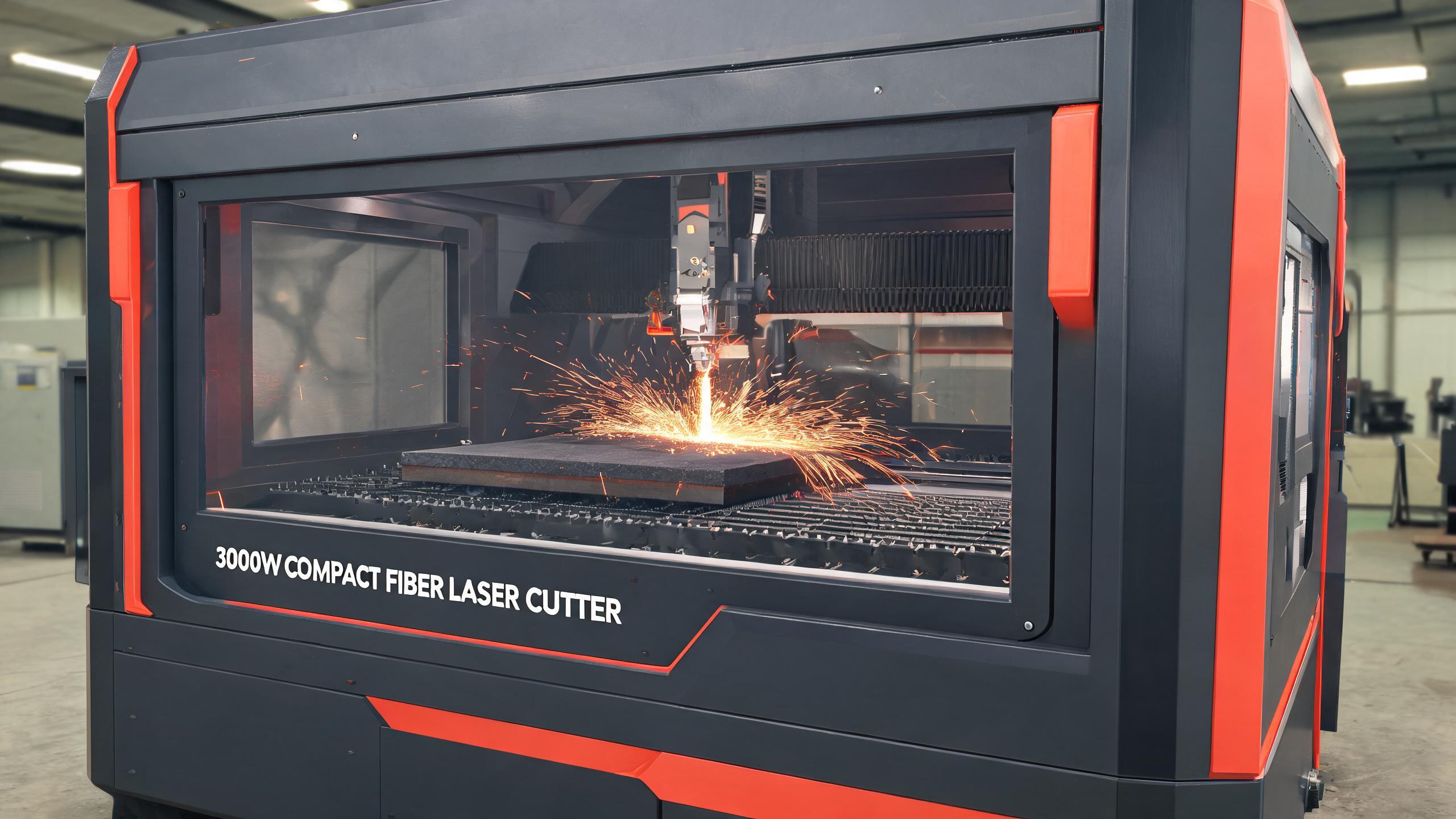
Изчерпателен контролен списък преди покупка за закупуване на употребявана машина за лазерно рязане с влакна, обхващащ часовете на лазерния източник, проверката на оптичните компоненти, тестването на механичното износване, проверките на електрическата система и документацията за съответствие.
Употребявана машина за лазерно рязане с влакнест лазер: Рискове, ползи и контролен списък преди покупка
Закупуването на употребявана машина за лазерно рязане с влакна може да спести 40–60% в сравнение с ново оборудване, но носи и реални рискове, които могат да превърнат изгодната сделка в скъпа грешка. Деградация на лазерния източник, износени линейни водачи, остаряващи електрически системи и липсваща документация за съответствие са само част от проблемите, които може да не се виждат на снимки или в описанията на продавача. Това ръководство предоставя структуриран контролен списък преди покупка, за да можете да оцените употребявана машина с увереност – или да се откажете, когато рискът е твърде голям.
Потенциалните ползи от употребявана машина за лазерно рязане с влакна
Преди да разгледаме рисковете, си струва да признаем защо употребяваното оборудване има смисъл за някои купувачи:
- По-ниски капиталови разходи: Употребявана машина с мощност 3000W може да струва по-малко от нова система с мощност 1000W, което ви дава повече капацитет за рязане на инвестиран долар.
- По-бързо придобиване: Употребяваните машини обикновено са налични и готови за доставка, което избягва времето за изработка от 4–8 седмици за ново персонализирано оборудване.
- Доказана платформа: Добре поддържана машина от реномиран производител (като Xinhong CNC) с документирана история на обслужване може да осигури още години продуктивно рязане.
- По-ниска амортизация: Най-стръмната амортизация настъпва през първите 2–3 години. Купувачите на употребявани машини оставят първоначалния собственик да поеме този разход.
Реалните рискове: Какво може да се обърка
Рисковете при закупуване на употребявана машина за лазерно рязане с влакна попадат в четири категории. Разбирането на всяка от тях ви помага да зададете правилните въпроси по време на инспекцията:
| Категория на риска | Конкретни проблеми | Влияние върху разходите |
|---|---|---|
| Деградация на лазерния източник | Спад на изходната мощност с работните часове; отклонение на качеството на лъча; възможна повреда на модула | Намалена скорост/дебелина на рязане; подмяната на лазерния източник е най-скъпият ремонт |
| Механично износване | Износване на линейните водачи; луфт в зъбна рейка и пиньон; деградация на лагерите; отпускане на напрежението в рамата | Загуба на точност на позициониране; лоша повторяемост; скъпа механична реконструкция |
| Остаряване на електрическата система | Остаряване на компонентите на Schneider Electric; остаряване на контролната платка; деградация на изолацията на окабеляването; повреда на сензорите | Непланиран престой; труднодостъпни резервни части за по-стари PLC модели |
| Съответствие и документация | Липсващи CE сертификати; липсваща документация за RoHS; модифицирани или заобиколени предпазни блокировки; липсващи инструкции за експлоатация | Невъзможност за законна експлоатация в съоръжения в ЕС; застрахователна отговорност; риск за безопасността на оператора |
Критичен факт: Влакнестите лазерни източници на IPG, RAYCUS и GW са проектирани за експлоатационен живот от 35 000–50 000+ часа. Машина с над 20 000 часа на оригиналния лазерен източник е изразходила 40–57% от номиналния си живот. Въпреки че може да продължи да работи, скоростта на рязане на дебели материали ще бъде значително намалена, а рискът от внезапна повреда на модула се увеличава. Винаги изисквайте дневници на работните часове на лазерния източник.
Контролен списък за проверка преди покупка
Ако сериозно обмисляте закупуването на употребявана машина за лазерно рязане с влакна, използвайте този списък по време на физическата или видео-асистираната проверка. Всяка точка ви помага да оцените истинското състояние на машината и оставащия ѝ експлоатационен живот.
1. Лазерен източник
- Поискайте общите работни часове от сервизния дневник на CNC контролера
- Попитайте за оригиналната дата на закупуване и марката на лазерния източник (IPG / RAYCUS / GW)
- Проверете действителната изходна мощност спрямо номиналната – помолете продавача да направи тестов разрез на материал с известна дебелина и сравнете скоростта с техническите спецификации на производителя
- Проверете за кодове за грешки или предупреждения в диагностичния дневник на лазерния източник
- Потвърдете дали лазерният източник е бил ремонтиран или модулите му са сменяни
2. Оптични компоненти
- Проверете състоянието на защитното стъкло за вдлъбнатини, пукнатини или замърсяване
- Проверете колимиращите и фокусиращите лещи за повреди или деградация
- Прегледайте държача на дюзата и пътя за подаване на газ за запушвания или износване
- Проверете дали са включени резервни лещи и дюзи (това са консумативи с текущи разходи)
3. Механична система
- Извършете тест за точност на позициониране с лазерен интерферометър или индикатор с циферблат – сравнете резултатите с оригиналната спецификация на машината (обикновено ±0,02–0,05 mm)
- Проверете линейните водачи за видимо износване, надрасквания или проблеми със смазването
- Тествайте зъбната рейка и пиньона за луфт чрез двупосочни тестове за позициониране
- Проверете механизма на обменната маса (ако има такъв) за плавна работа
- Проверете дали функцията за автоматично фокусиране на Z-оста на режещата глава реагира правилно
4. Електрическа и контролна система
- Запишете моделния номер на PLC на Schneider Electric и проверете наличието на резервни части
- Проверете за модифицирано окабеляване, заобиколени предпазни блокировки или неоригинални компоненти
- Тествайте софтуера CypCut или еквивалентен контролен софтуер за правилна работа и зареждане на файлове
- Проверете дали чилърът поддържа температурна стабилност под товар
- Проверете всички вериги за предпазни блокировки за правилна работа при отказ
5. Съответствие и документация
- Поискайте оригиналния CE сертификат и документацията за съответствие с RoHS
- Проверете дали серийният номер на машината съвпада с документацията
- Поискайте инструкции за експлоатация, досиета за поддръжка и списъци с резервни части
- Потвърдете дали предпазната обшивка (ако има такава) отговаря на стандартите за прозорци EN 12254
- Проверете дали са правени модификации, които биха могли да повлияят на статуса на CE съответствие
Рамка за решение: Да купя или да се откажа?
След приключване на проверката използвайте тази матрица за решения, за да прецените дали употребяваната машина за лазерно рязане с влакна представлява разумна инвестиция:
| Критерии за оценка | Зелена светлина (Купи) | Жълта светлина (Преговаряй) | Червена светлина (Откажи се) |
|---|---|---|---|
| Часове на лазерния източник | Под 8 000 часа | 8 000–15 000 часа | Над 20 000 часа или неизвестни |
| Точност на позициониране | В рамките на оригиналната спецификация | Леко влошена, но използваема | Значително извън спецификацията |
| CE документация | Пълна и проверима | Частична, може да бъде получена отново | Липсваща или несъществуваща |
| История на обслужването | Документирана, редовна поддръжка | Спорадични записи | Няма налични записи |
| Репутация на продавача | Оторизиран дилър или производител | Утвърден дилър на употребявано оборудване | Частен продавач, без възможност за рекламация |
| Марка на лазерния източник | IPG, RAYCUS или GW (налични части) | По-малко известна марка, частите могат да бъдат намерени | Прекратена марка, без поддръжка на части |
Долен ред: Ако два или повече критерия попаднат в колоната „червена светлина“, употребяваната машина за лазерно рязане с влакна вероятно ще струва повече в ремонти, престои и загубено производство, отколкото спестяванията оправдават. В този сценарий нова 500W или 1000W машина за лазерно рязане с влакна с пълна гаранция и поддръжка от производителя е по-безопасната дългосрочна инвестиция.
За по-широко сравнение на нови и употребявани опции, прочетете Нов или употребяван влакнест лазер за продажба: Кое е подходящо за вашата работилница?. За разбиране на общите оперативни разходи, вижте Разходи за машина за лазерно рязане с влакнест лазер: Разбивка на общата цена на притежание.
Можете също да гледате свързани видеоклипове в YouTube-потърсете „проверка на употребяван лазер с влакна“ или „контролен списък преди покупка на лазер с влакна“, за да намерите видео ръководства, показващи реални инспекции на машини и често срещани проблеми, на които да обърнете внимание.
Свързани статии от тази поредица
- Цена на влакнест лазерен апарат: Ръководство за цени за 2026 г. по мощност и марка
- Нов или употребяван влакнест лазер за продажба: Кое е подходящо за вашата работилница?
- Разходи за машина за лазерно рязане с влакнест лазер: Разбивка на общата цена на притежание
- Цена на влакнест лазерен резач: Сравнение на начално ниво срещу индустриални модели