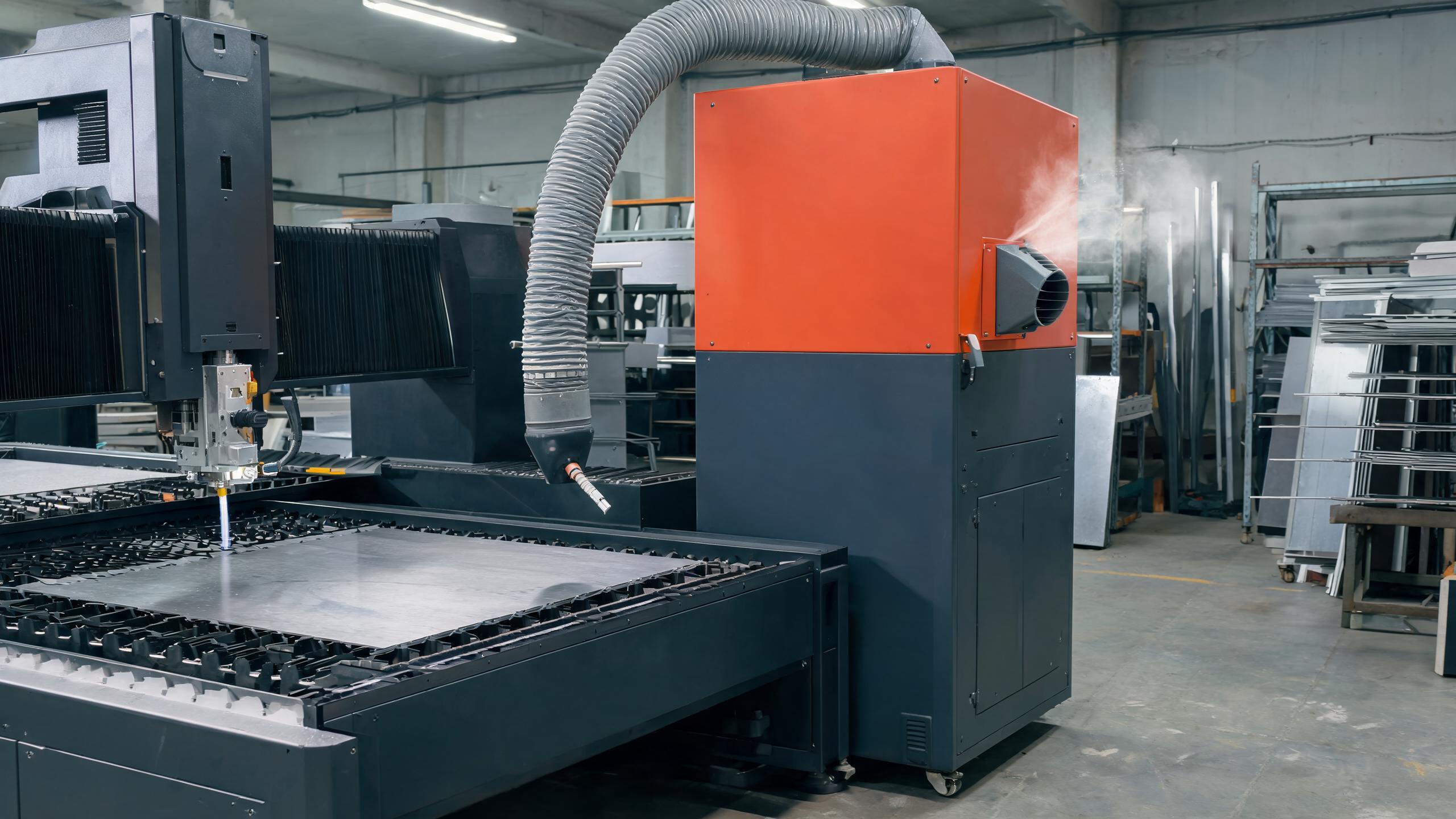
Laser Cutting Fume Extraction & Dust Removal System
Industrial fume extraction and dust removal system for fiber laser cutting. 4-stage filtration with H13 HEPA, 3,000-10,000 m³/h suction capacity, automatic pulse-jet cartridge cleaning, VFD blower, indoor air recirculation. Compliant with European workplace air quality requirements.
Get a QuoteProduct Detail
Laser Cutting Fume Extraction & Dust Removal System
The Hidden Cost of Laser Cutting Fume
When a fiber laser cuts through metal, it generates a complex mixture of fine particulate matter, metallic oxides, and potentially toxic gases. Without effective extraction, this fume settles on machinery, contaminates the workshop air, and poses serious health risks to operators. European workplaces face increasingly strict exposure limits under EN 1090 and national occupational health regulations-making professional fume extraction not just a recommendation, but a compliance requirement.
Health & Compliance Risk
Fine metal particles below 1 μm penetrate deep into lungs. Without compliant extraction, workshops risk operator health issues and regulatory penalties.
Equipment Contamination
Settling dust fouls linear rails, lenses, and electronics-reducing machine accuracy and shortening component lifespan.
Production Downtime
Frequent cleaning of the cutting bed and surrounding area adds up to hours of lost production time each week.
Indoor Air Quality
Poor ventilation forces workshops to keep doors open, disrupting temperature-controlled environments and wasting HVAC energy.
Product Overview
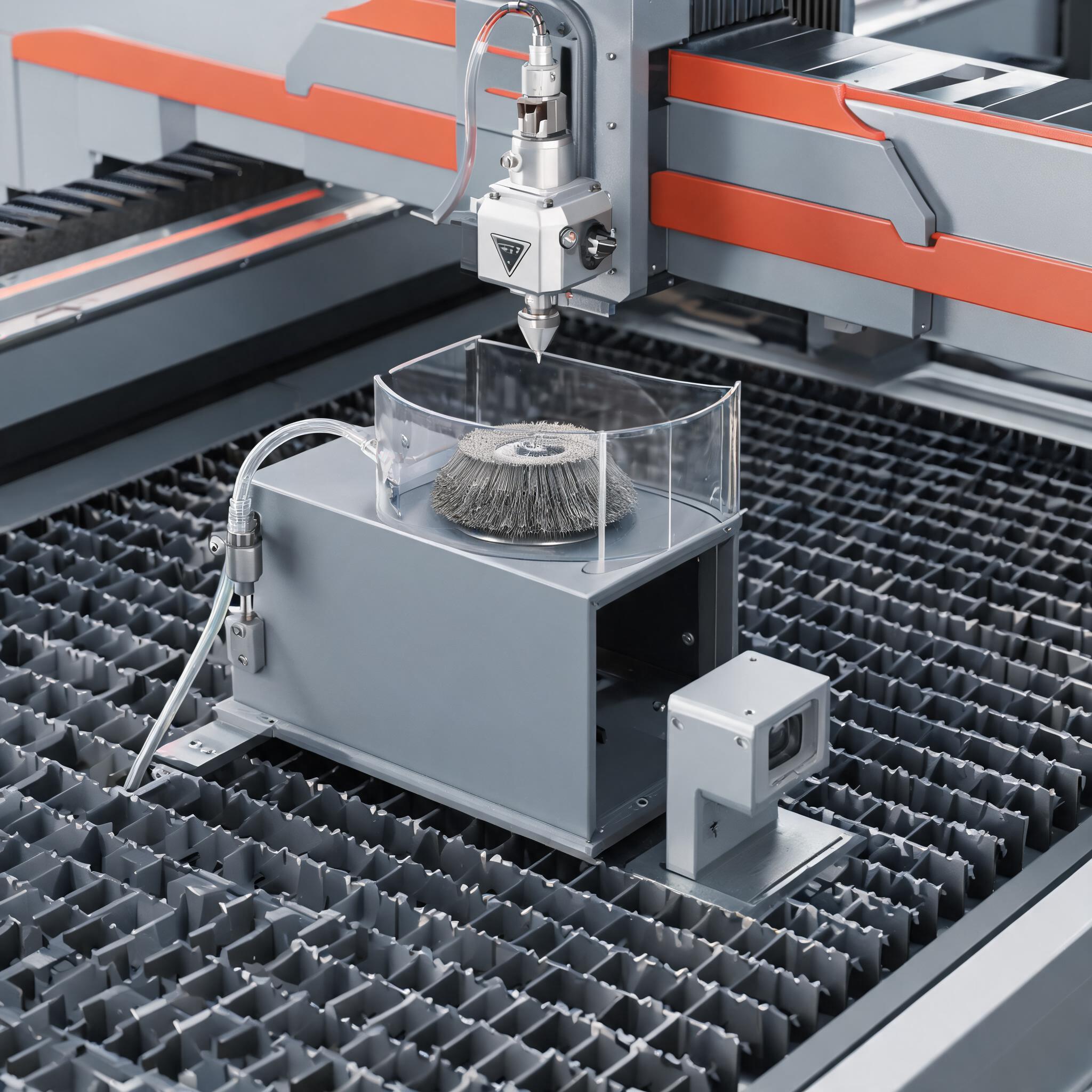
This laser cutting fume extraction and dust removal system is engineered specifically for fiber laser cutting operations. It captures fume at the source through either a down-draft cutting bed extraction design or an articulated flexible extraction arm, then filters the contaminated air through a multi-stage process: spark arrestor, pre-filter for coarse particles, main cartridge filter for fine dust, and an H13 HEPA filter for sub-micron particulate. Clean, filtered air is returned to the workshop, eliminating the need for external ducting in many installations. The system supports both standalone (single machine) and centralized (multi-machine) configurations.
Core Features & Advantages
Spark Arrestor + Pre-Filter + Cartridge + H13 HEPA
Four-stage filtration captures sparks before they reach the filter, removes coarse particles, collects fine dust on high-capacity pleated cartridges, and achieves H13 HEPA efficiency (≥99.95% at 0.3 μm) for the final stage. Total system filtration efficiency exceeds 99.5% for particles down to 0.3 μm.
Pulsed Jet Cartridge Cleaning System
Compressed-air pulse jet cleaning automatically dislodges accumulated dust from filter cartridge surfaces at programmable intervals, maintaining consistent suction performance and extending filter life by 2–3 times compared to manual cleaning systems.
VFD Blower with On-Demand Suction Control
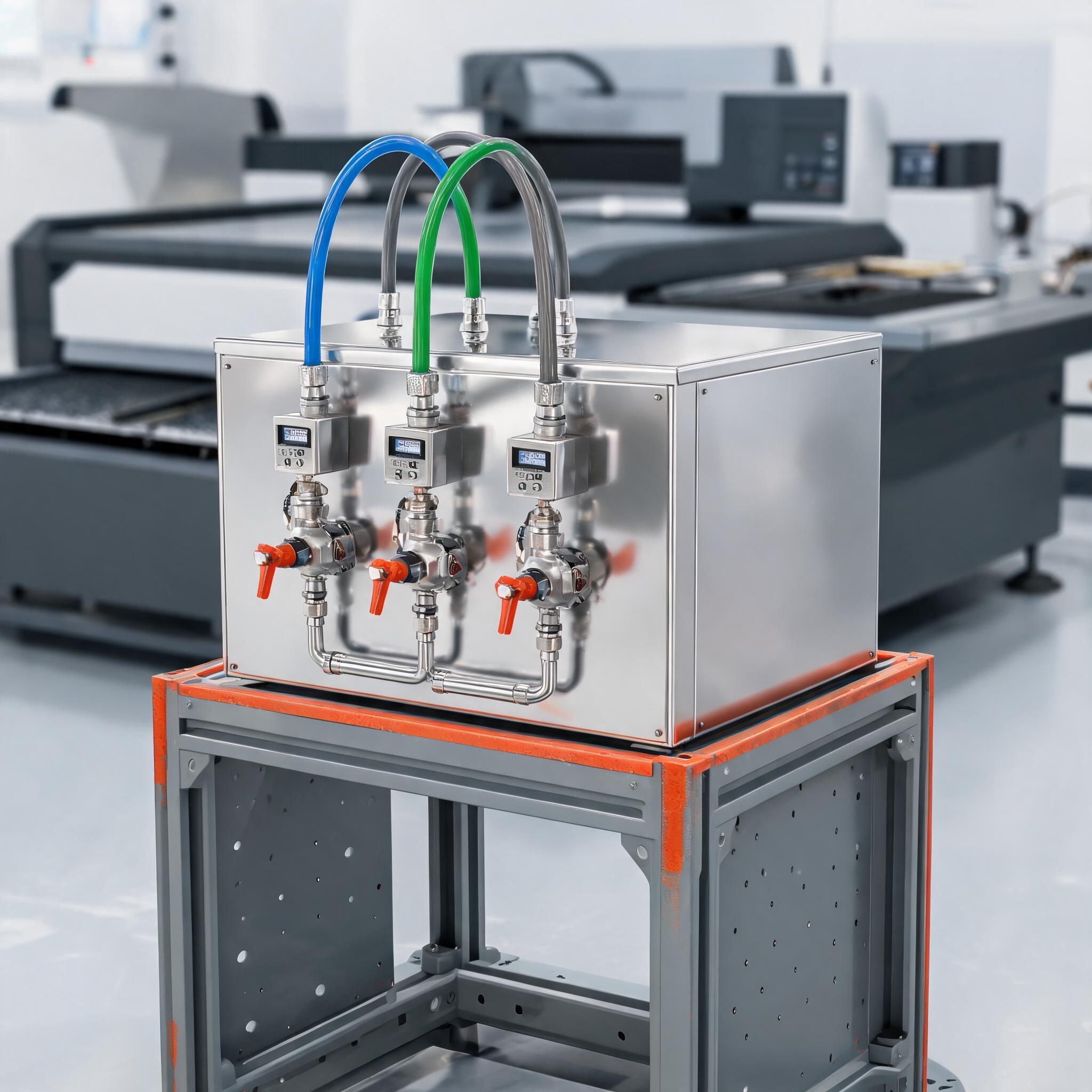
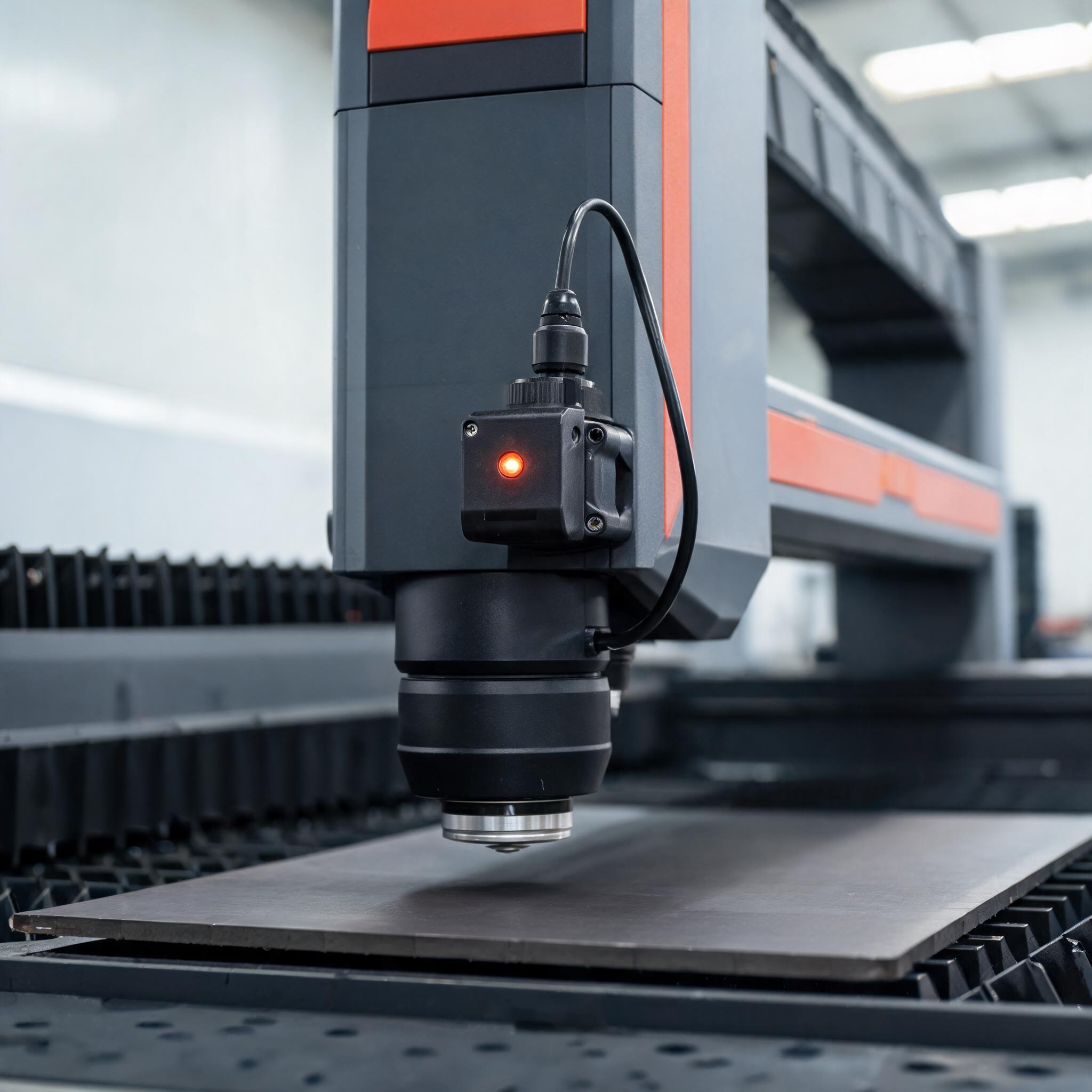
Variable frequency drive on the centrifugal blower adjusts suction power to match cutting activity-reducing energy consumption by 30–50% during idle periods and minimizing noise. Pressure differential sensor triggers automatic filter cleaning when loading reaches threshold.
Filtered Air Recirculation to Workshop
After multi-stage filtration, clean air is returned directly to the workshop interior-eliminating the cost and complexity of roof ducting and external exhaust stacks. Particularly valuable for facilities in cold climates where exhausting heated indoor air would waste HVAC energy.
PLC Control with Filter Life Tracking
Schneider Electric PLC displays real-time air flow, filter pressure differential, and operating hours. Visual and audible alarms alert operators when filter replacement is due or when suction performance drops below threshold. RS485 interface for factory network integration.
Technical Specifications
| Parameter | Specification |
|---|---|
| Air Volume (Suction Capacity) | 3,000 – 10,000 m³/h (model-dependent) |
| Filtration Efficiency | ≥ 99.5% (for particles ≥ 0.3 μm) |
| Filter Configuration | 4-stage: Spark arrestor / Pre-filter / Cartridge / H13 HEPA |
| HEPA Filter Class | H13 (EN 1822 standard) |
| Cartridge Filter Quantity | 2 – 8 cartridges (model-dependent) |
| Cleaning Method | Automatic pulsed compressed-air jet |
| Blower Type | Centrifugal blower with VFD |
| Motor Power | 2.2 – 15 kW (model-dependent) |
| Power Supply | 380V/50Hz/3Phase (customizable to 460V/60Hz) |
| Noise Level | ≤ 75 dB(A) at 1 m |
| Control System | Schneider Electric PLC, RS485 communication |
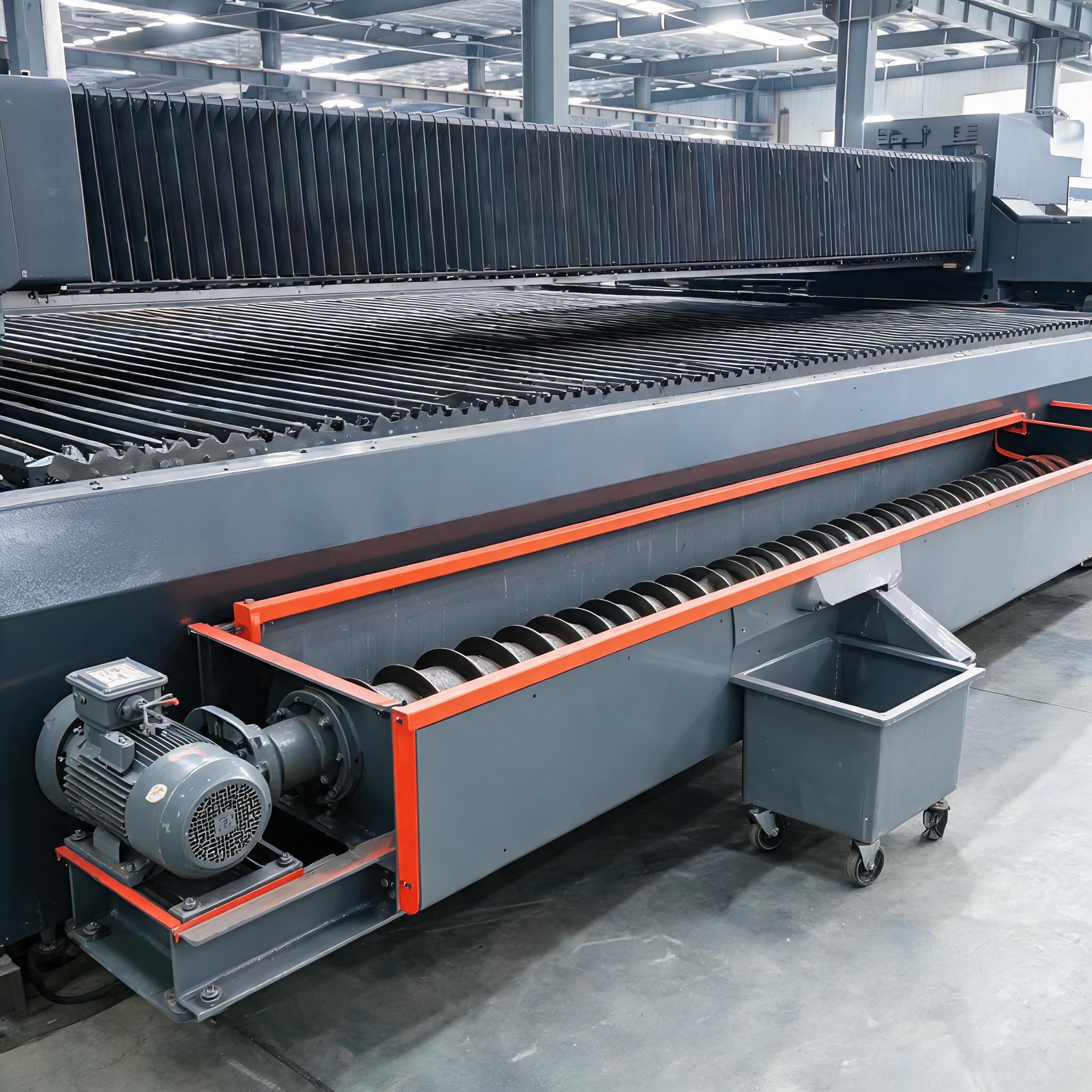
| Dust Collection Container | Drawer-type collection bin, 30–80 L capacity |
| Air Outlet Options | Indoor recirculation or outdoor exhaust |
| Dimensions (L×W×H) | 900×800×1800 mm – 1600×1200×2200 mm (model-dependent) |
Application Industries
- Sheet metal fabrication – Continuous fume extraction during carbon steel and stainless steel laser cutting
- Automotive parts manufacturing – High-volume extraction for multi-shift cutting of structural components
- Aerospace & defense – Clean-room compatible extraction for precision alloy cutting
- Job shops – Standalone units for individual laser cutting machines without central ducting
Manufacturer Backing
Engineered by Shandong Xinhong CNC Technology Co., Ltd., established in 2005 as a fiber laser equipment manufacturer. Because Xinhong designs and builds fiber laser cutting machines ranging from 500W to 30000W, this fume extraction system is specified from real-world knowledge of fume generation rates, particle characteristics, and airflow requirements across different laser powers and materials. Electrical control systems use Schneider Electric components. The company operates under ISO 9001:2015 quality management certification.
FAQ
How do I choose the right extraction capacity for my laser cutting machine?
Extraction capacity depends on your laser power, material type, and cutting bed size. As a general guide: 3,000–5,000 m³/h for 1000W–3000W machines cutting sheet metal on a 1500×3000mm bed; 6,000–10,000 m³/h for 6000W–20000W machines or when cutting thicker plates that generate more fume. Share your machine specs and we'll recommend the optimal configuration.
Can the filtered air be returned to the workshop?
Yes. After passing through the full four-stage filtration including the H13 HEPA filter, the air is clean enough to recirculate indoors. This eliminates the need for roof ducting and prevents loss of heated or cooled indoor air, saving HVAC energy costs.
How long do filter cartridges typically last?
Filter cartridge life depends on cutting volume and material. With automatic pulse-jet cleaning, cartridges typically last 6–12 months in standard two-shift operations cutting carbon steel and stainless steel. The PLC tracks pressure differential and alerts operators when replacement is due.
Can one system serve multiple laser cutting machines?
Yes, centralized configurations with ducted manifold systems can serve 2–4 machines. We size the main unit based on the total simultaneous fume load and design the ducting layout for balanced airflow at each extraction point. Contact us with your machine count and layout for a customized proposal.
Does this system comply with European workplace air quality regulations?
The H13 HEPA filtration stage achieves ≥99.95% efficiency at 0.3 μm per EN 1822, capturing the sub-micron metal particles that are the primary health concern in laser cutting fume. However, compliance also depends on your specific installation, extraction hood placement, and local regulations. We recommend discussing your facility requirements with our team for proper system sizing and configuration.
Protect Your Workshop & Operators
Tell us your laser power, cutting material, and machine layout-we'll design the right extraction system for your production environment.
Request a Quote