Fiber Laser Welding Machines

Automatic Laser Welding Machine Solution

From repeat batches to robotic cells: 2000W conveyor-integrated lines and 6-axis vision-tracked robots size automation to your real daily weld count - not to a brochure.

  • 50-200 welds per shift
  • 200-800 welds per shift
  • Gaps or build-up work
Request a quote
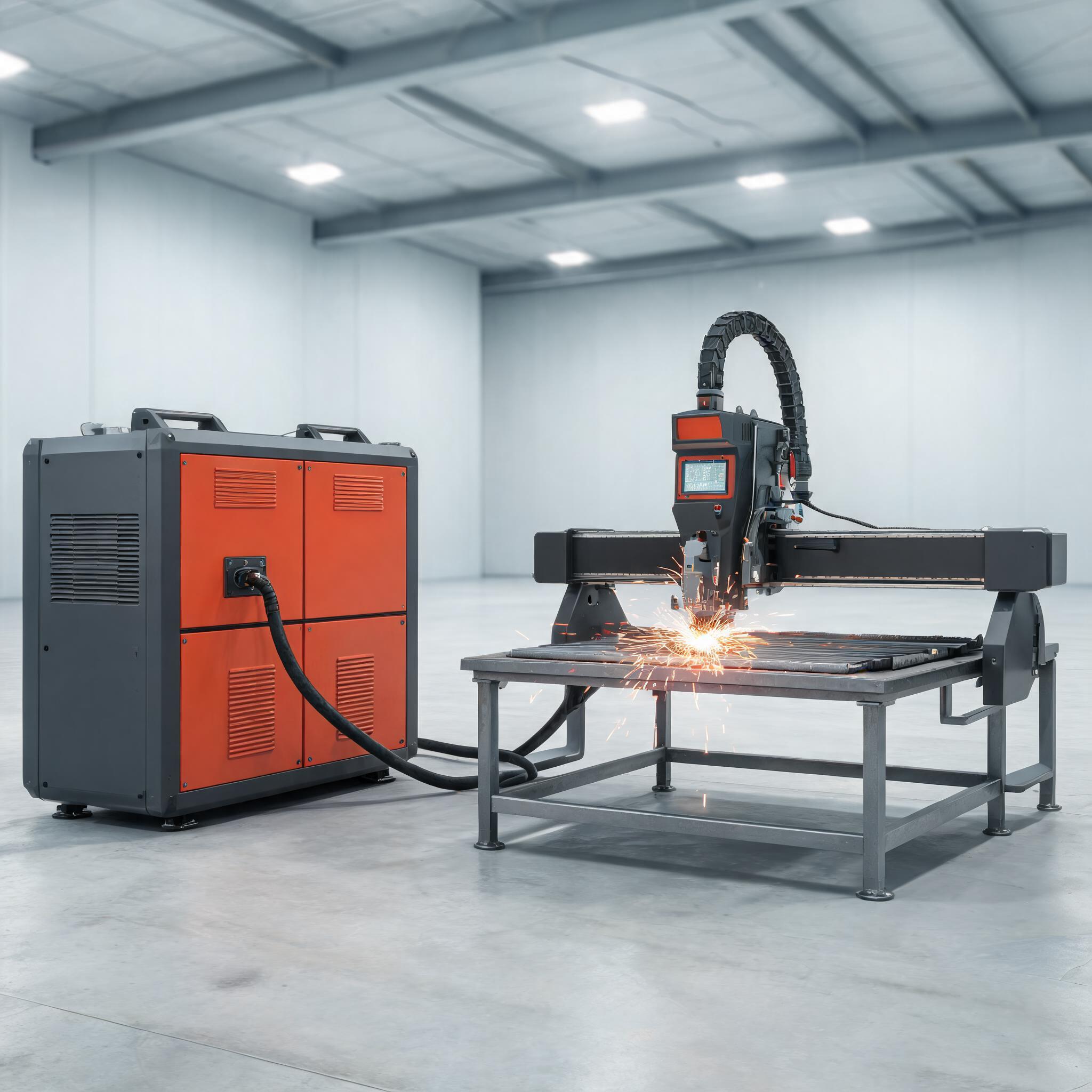
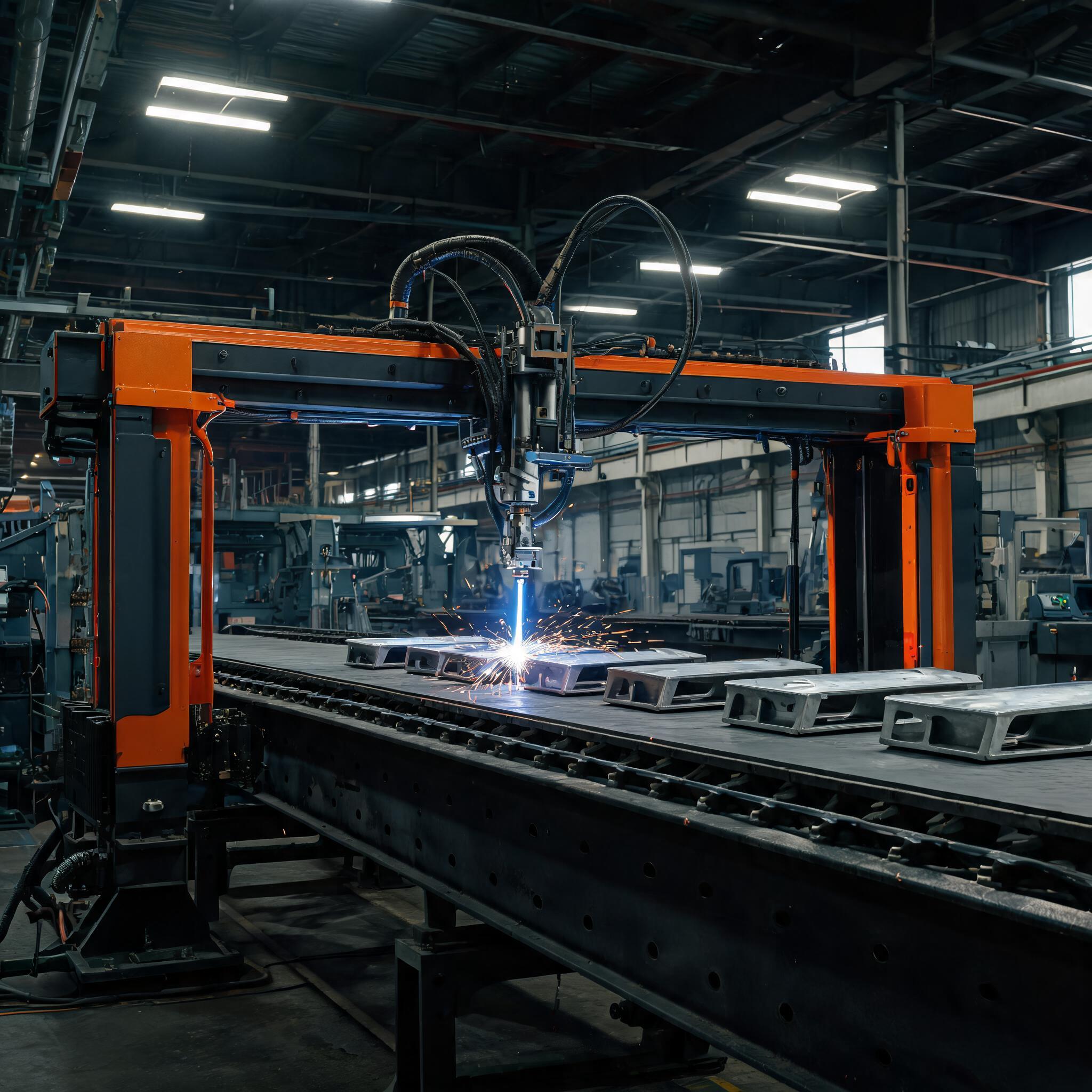
Automated production line fiber laser welding machine with conveyor integration

Your output should not depend on who is on shift

Manual welding benches scale with people, and skilled welders are the constraint every fabricator complains about. When batch repeat orders arrive, the choice is overtime, outsourcing or rejected delivery dates. The real question for a buyer is not whether automation welds well - it is whether your part mix justifies a line, a robot or a wire-feed upgrade.

Automated production line

Conveyor integration, 2000W fiber laser, vision-based part recognition and batch scheduling - built for repeat batches that must run through breaks and shift changes.

6-axis robotic cell

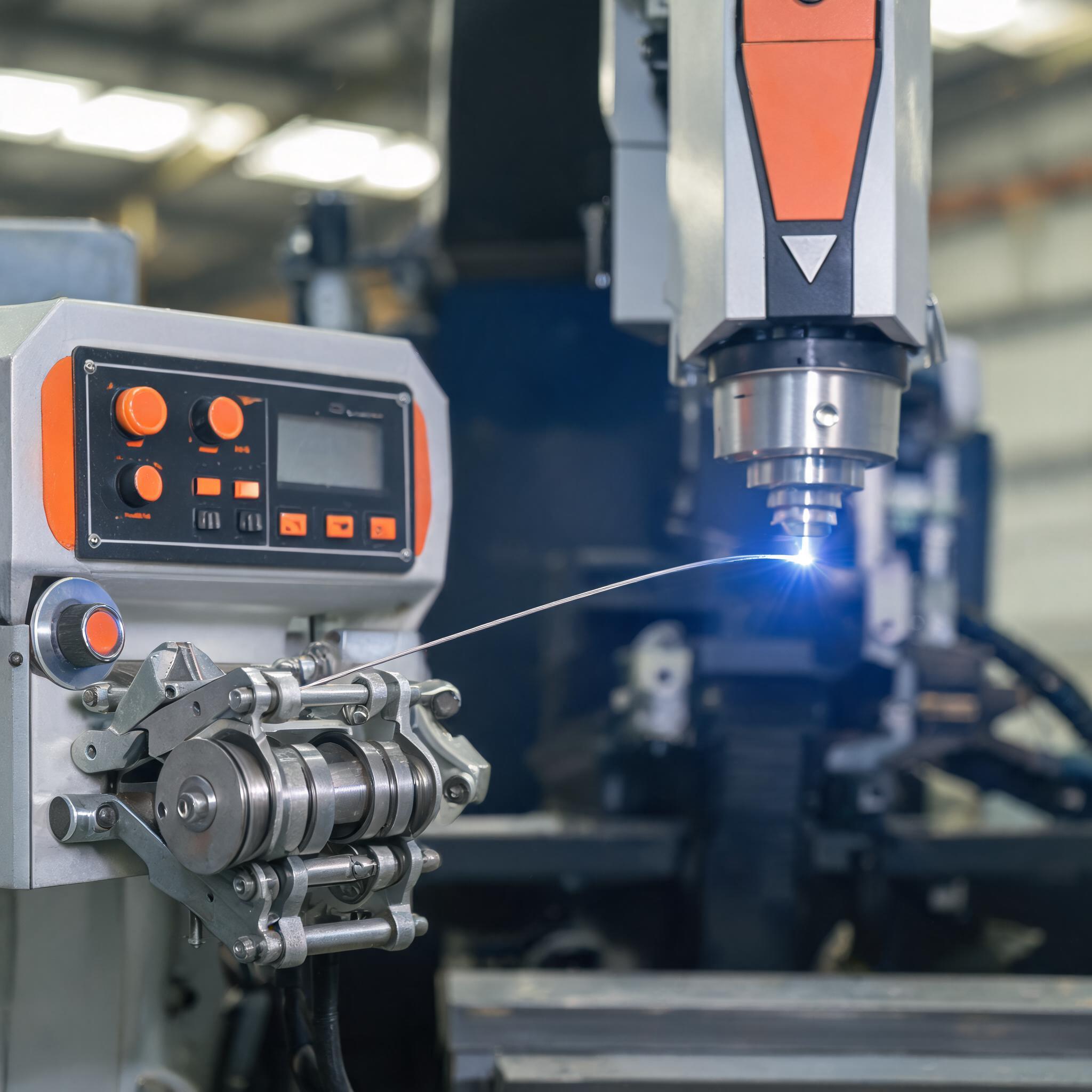
Vision seam tracking follows the programmed seam, with a safety enclosure and Schneider CNC. Suits higher-mix parts where the seam path changes per variant.
The decision rule: same part, many repeats - production line; same family, changing variants - robotic cell; joint gaps beyond autogenous limits - add synchronized wire feed (0.6-1.6 mm filler) instead of re-fixturing.

What the buyer gets

Output that follows the schedule instead of the roster, weld placement set by program and vision rather than by eye, and a configuration chosen from your actual daily weld counts using the selector below. Compare the machines on our products page, then send your part drawings with daily volumes through the inquiry form - the quotation includes the recommended configuration and a commissioning plan.

Buyer value: size the automation to measured weld counts, keep repeat batches running without overtime, and confirm the whole station - conveyor, vision, scheduling - during an acceptance run before handover.

Match your requirement to a machine

Recommended machine
Automated Production Line Laser Welding Machine

Conveyor-integrated 2000W line with vision part recognition and batch scheduling

View machine

Application case

Enclosure manufacturer: batch orders run through breaks and shift changes

Enclosure manufacturer: batch orders run through breaks and shift changes

Who: a sheet metal enclosure manufacturer running repeat batch orders of control cabinet frames. Machine: Xinhong automated production line laser welding machine with conveyor integration. Problem it solved: manual welding benches could not keep pace with batch repeat orders, and every new operator needed weeks of ramp-up. Before: batch output depended on how many experienced welders were on shift. Now: parts arrive by conveyor, vision-based part recognition selects the program, and batch scheduling runs the line through breaks and shift changes. Where the numbers come from: the production line product specification (conveyor integration, 2000W fiber laser, vision-based part recognition, batch scheduling) and the manufacturer's own acceptance run records; throughput on their parts was measured during the acceptance run and is not a published guarantee.

Application based on customer feedback; individual results depend on materials and production conditions.

HVAC component maker: weld placement moves from operator skill to program

HVAC component maker: weld placement moves from operator skill to program

Who: an HVAC component manufacturer welding flanges and collars on duct fittings. Machine: Xinhong automated robotic arm fiber laser welding machine. Problem it solved: manual stations could not hold output when order volume spiked, and weld placement varied between operators. Before: output rose and fell with operator availability, and weld placement was checked by eye. Now: the 6-axis robot follows the programmed seam with vision seam tracking, so placement is set by the program rather than the shift. Where the numbers come from: the robotic arm product specification (6-axis, vision seam tracking, safety enclosure, Schneider CNC) and the manufacturer's acceptance runs at their site; daily weld counts depend on part mix and are measured on the buyer's own line.

Application based on customer feedback; individual results depend on materials and production conditions.

Fabricator: out-of-tolerance gaps welded with synchronized wire feed

Fabricator: out-of-tolerance gaps welded with synchronized wire feed

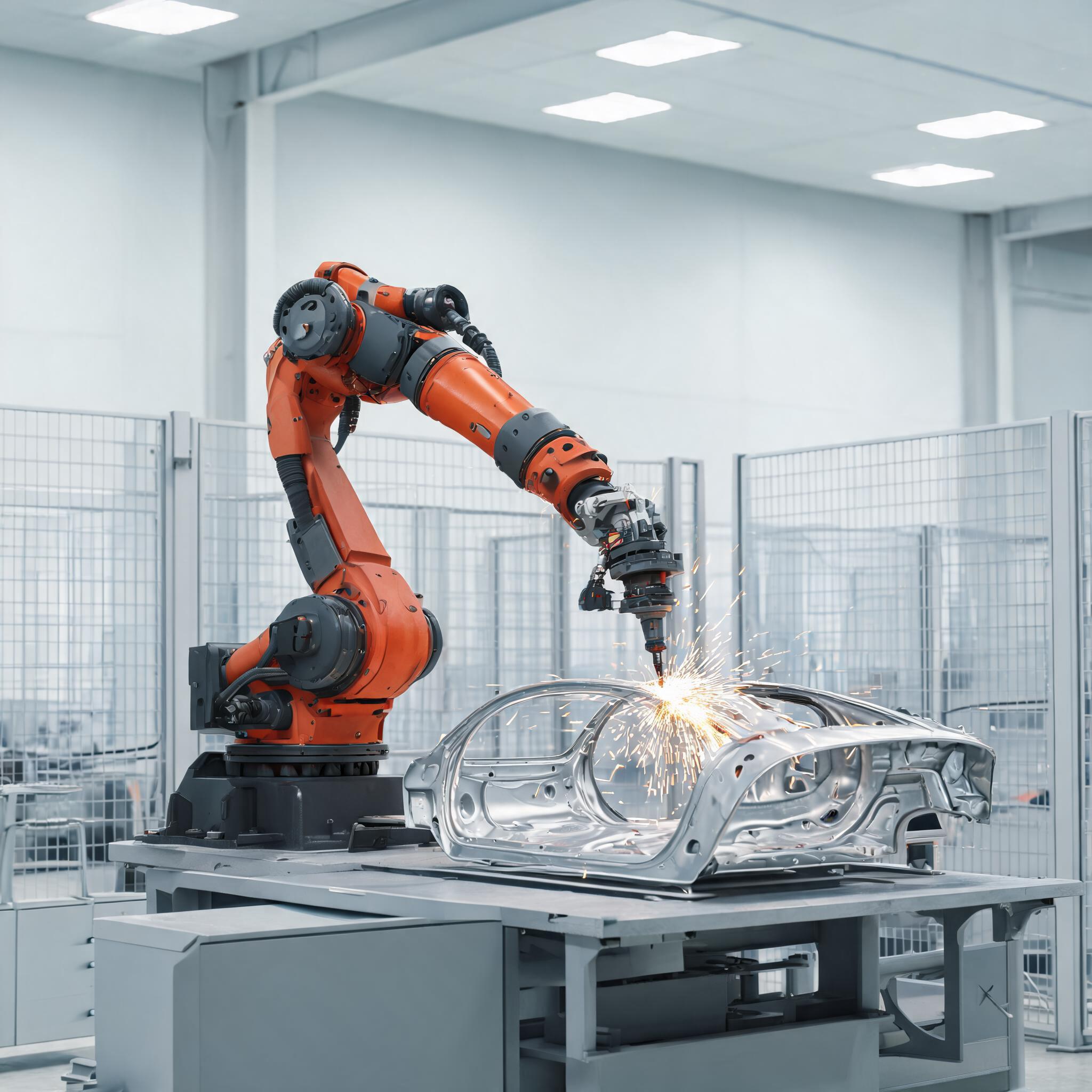
Who: a fabricator welding parts with joint gaps outside autogenous laser welding limits. Machine: Xinhong laser welding wire feed system with 2000W fiber laser. Problem it solved: gaps that autogenous welding cannot bridge used to mean tacking, re-fixturing or rejecting parts. Before: misfit parts were reworked manually or scrapped. Now: the wire feed system delivers 0.6-1.6 mm filler wire synchronized with the laser, so gap bridging and surface build-up run as a standard process. Where the numbers come from: the wire feed product specification (2000W fiber laser, 0.6-1.6 mm filler wire for gap bridging, surface build-up and dissimilar joints) and the fabricator's process trials on their own joint designs.

Application based on customer feedback; individual results depend on materials and production conditions.
Customer ratings

β€œUse case: repeat batches of control cabinet frames, reviewed during an acceptance run at our site. | Assessment: we bought the line for scheduling, not for weld appearance - the batch scheduler running through breaks was the decisive feature. | Verified point: the production line specification lists vision-based part recognition and batch scheduling, and both were demonstrated on our parts during the acceptance run. | Source: machine acceptance checklist signed at commissioning, 2025.”
Operations directorSheet metal enclosure manufacturer, EU (anonymised)
β€œUse case: flange and collar welding on duct fittings, evaluated with trial welds on our own fixtures. | Assessment: seam tracking removed the operator-to-operator variation we used to catch at inspection. | Verified point: the 6-axis robot specification includes vision seam tracking; our first-article inspection records show placement held to the program. | Source: first-article inspection records, 2025.”
Quality managerHVAC component manufacturer, EU (anonymised)

Certifications & compliance

ISO 9001:2015

ISO 9001:2015

Quality management system certified across R&D, production and after-sales service of fiber laser welding equipment.

CE Marking

Xinhong automated welding systems are CE compliant per company records. Request the applicable Declaration of Conformity with your quotation.

Company strength

Who builds your automated welding line

  • Founded 2005. Shandong Xinhong CNC Technology Co., Ltd - twenty years of fiber laser manufacturing.
  • 100-300 people. Engineering, assembly and service teams supporting line integration from the Shandong Province base.
  • Source and control stack. IPG (USA), RAYCUS and GW laser sources with Schneider Electric control components.
  • Scale. Annual revenue 10-50M USD across a 48-model portfolio from 500W to 30000W.
  • Export. Europe and global markets with CE-compliant configurations.

Related reading

Buyer FAQ

How do I decide between an automated line and a robotic cell?+

Assess the station, not only the welder: conveyor integration for part flow, vision part recognition for repeat batches, and scheduling. Send your part drawings and daily volumes - we map them to the production line, the 6-axis robot or a wire-feed configuration in the quotation.

What happens when part fit-up is not perfect?+

Autogenous welding needs tight, clean gaps. Where design or fit-up leaves gaps, the wire feed system adds 0.6-1.6 mm synchronized filler for gap bridging and build-up, so the line tolerates realistic part variance instead of rejecting parts.

Can the line run unattended overnight?+

Yes - the production line specification includes batch scheduling and vision-based part recognition, and the 6-axis robot adds vision seam tracking. Both are designed for 24/7 operation; actual uptime depends on your part mix and maintenance plan, which we review together during commissioning.

What should an automation inquiry include?+

Part drawings, materials and thicknesses, joint types, current daily weld counts and peak volumes, plus available floor space. We confirm line configuration, fixture concept and expected cycle in the quotation.

Request a quotation for this solution

Send your requirement details below - our engineers will confirm the right machine configuration in your quotation.

Automatic Laser Welding Machine Solution

β–Έ QUOTE REQUEST

FORM Β· REV.1
Product Inquiry
Automatic Laser Welding Machine Solution