When weld quality depends on who is on shift
Manual laser welding is fast, but it is still operator-dependent: seam position, travel speed and standoff change from person to person and from morning to night shift. Growing shops hit the same wall - qualified welders are hard to hire, rework on visible seams eats margin, and output stops growing when the roster does.
The failure mode buyers meet first: a robot bought for one flagship part that cannot handle the rest of the mix - wrong joint access, no seam tracking on fit-up variation, and a safety cell that locks operators out of the parts they still weld by hand.
How the Xinhong robotic cell works
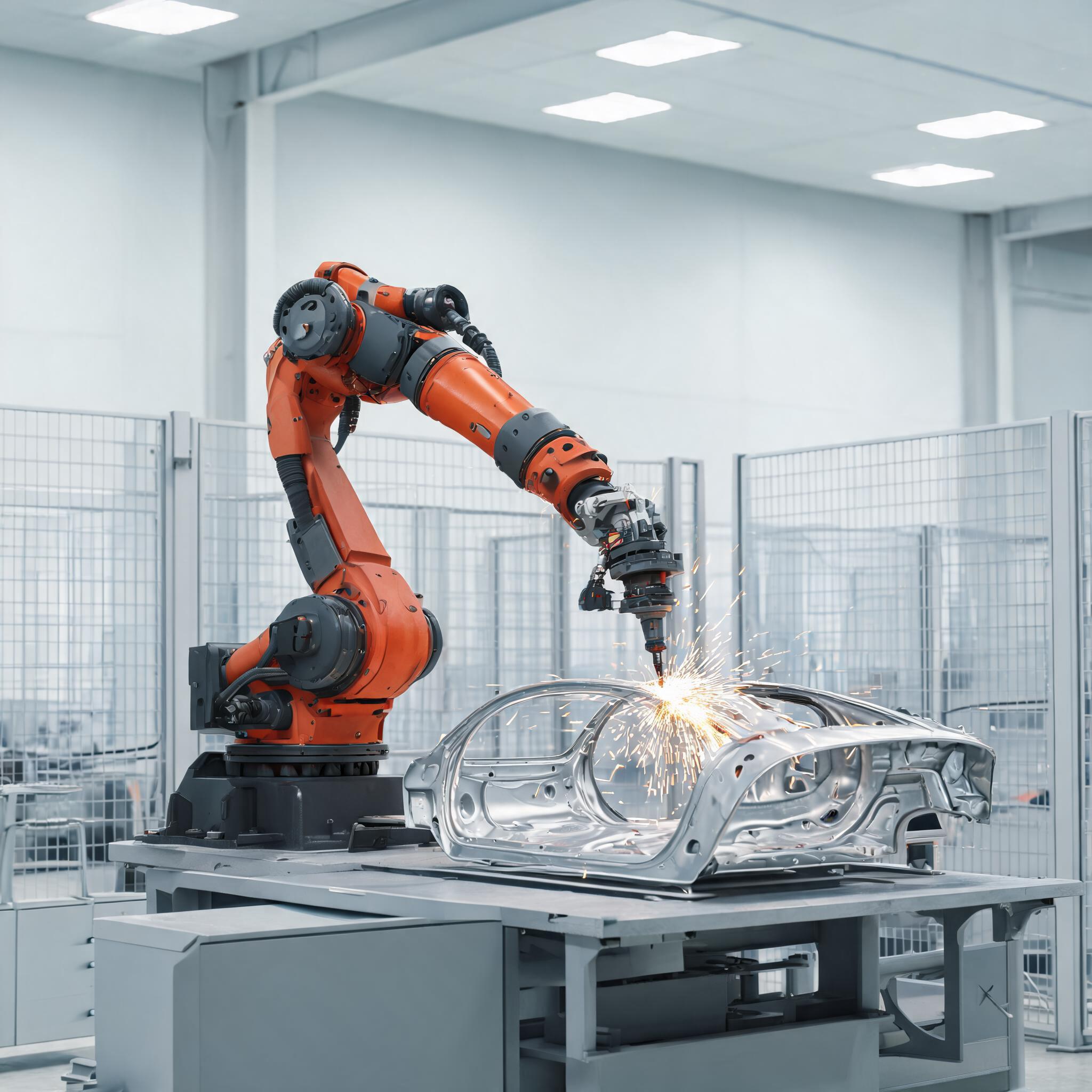
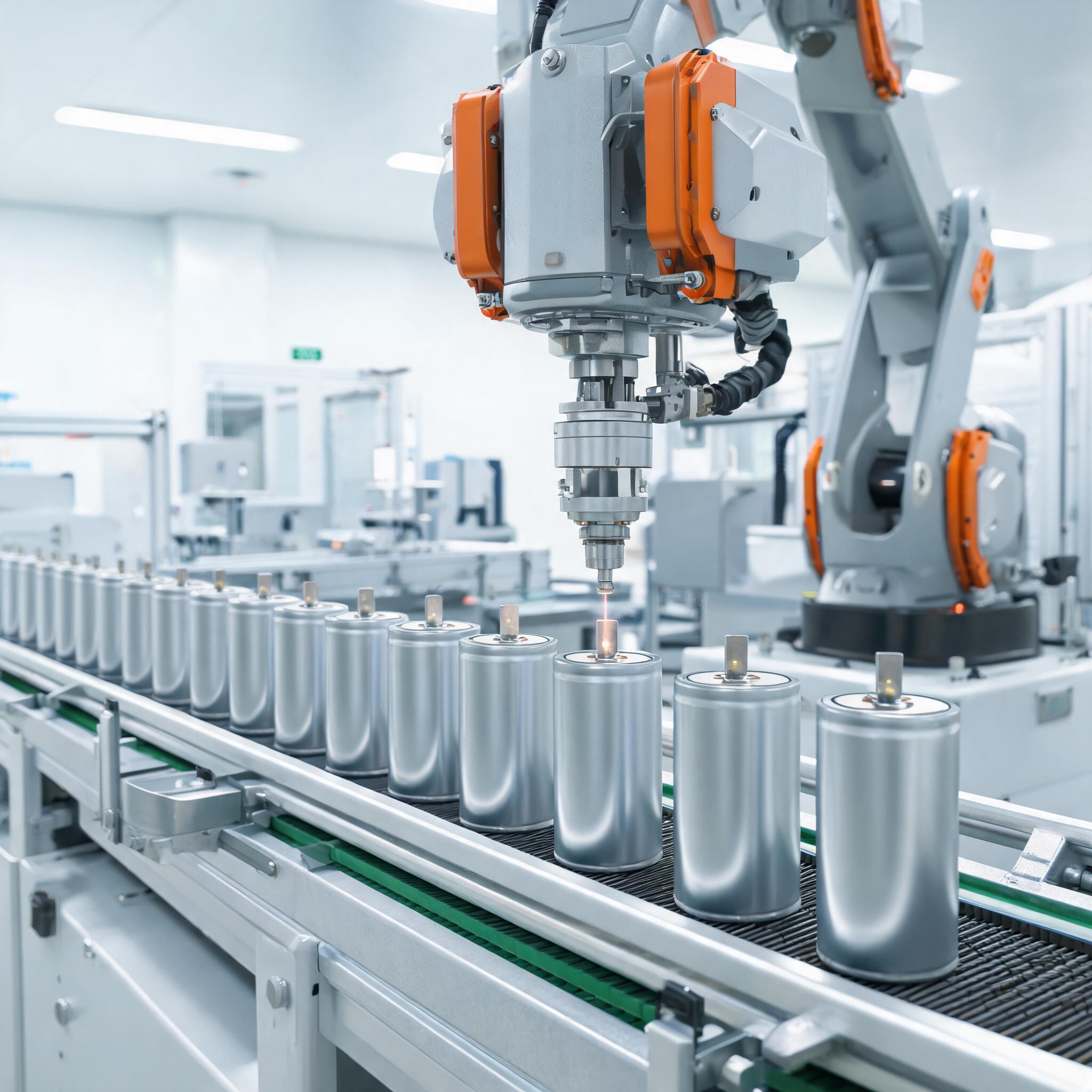
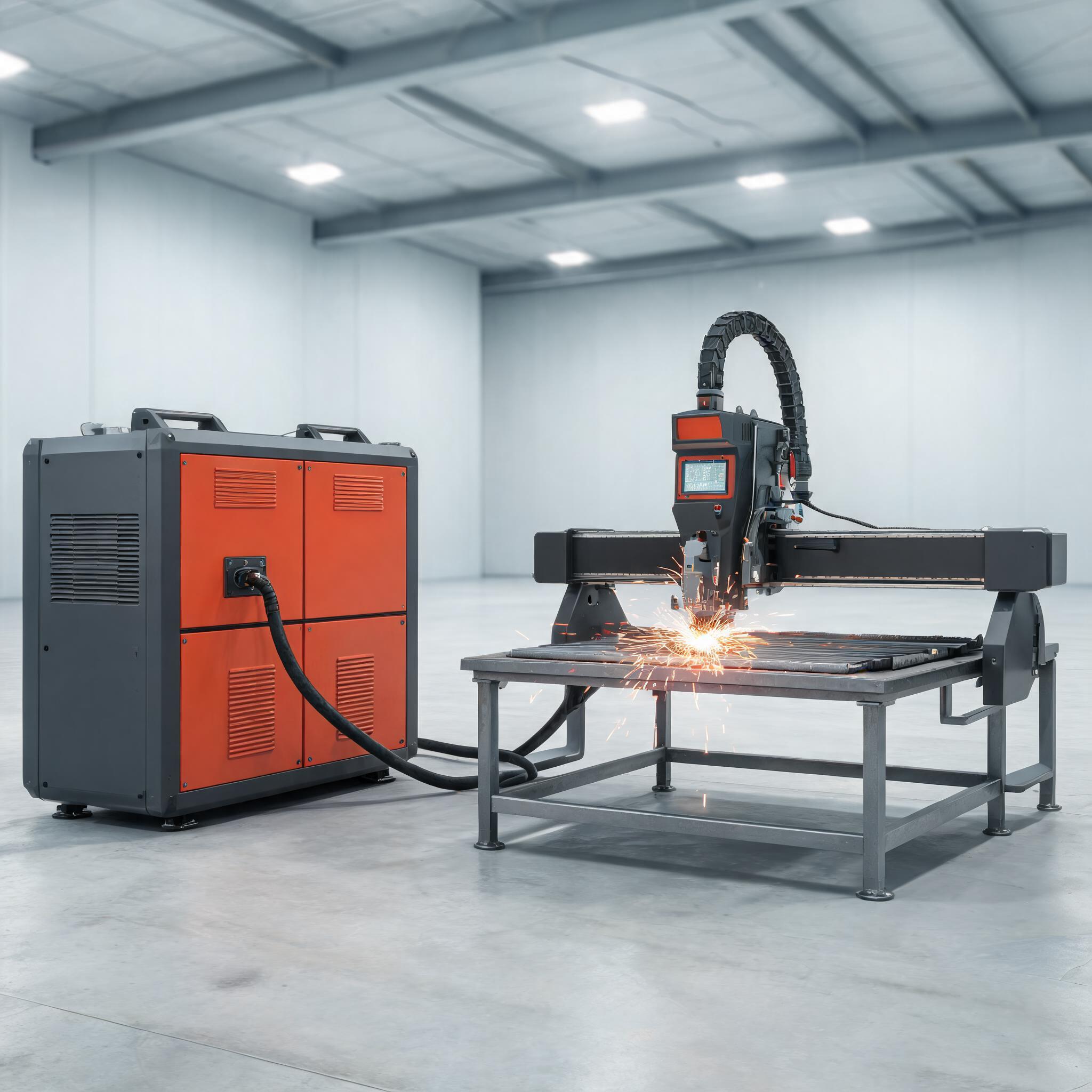
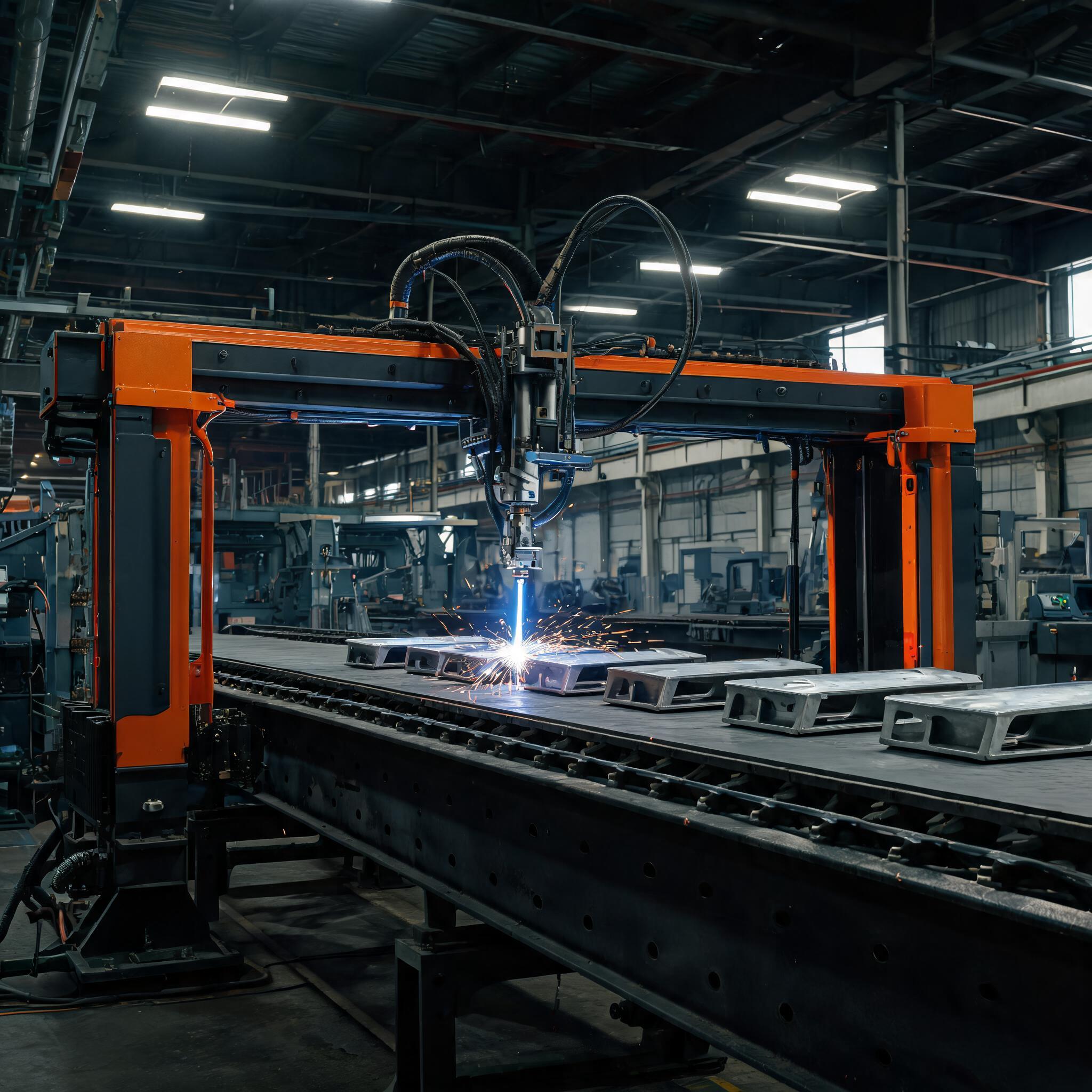
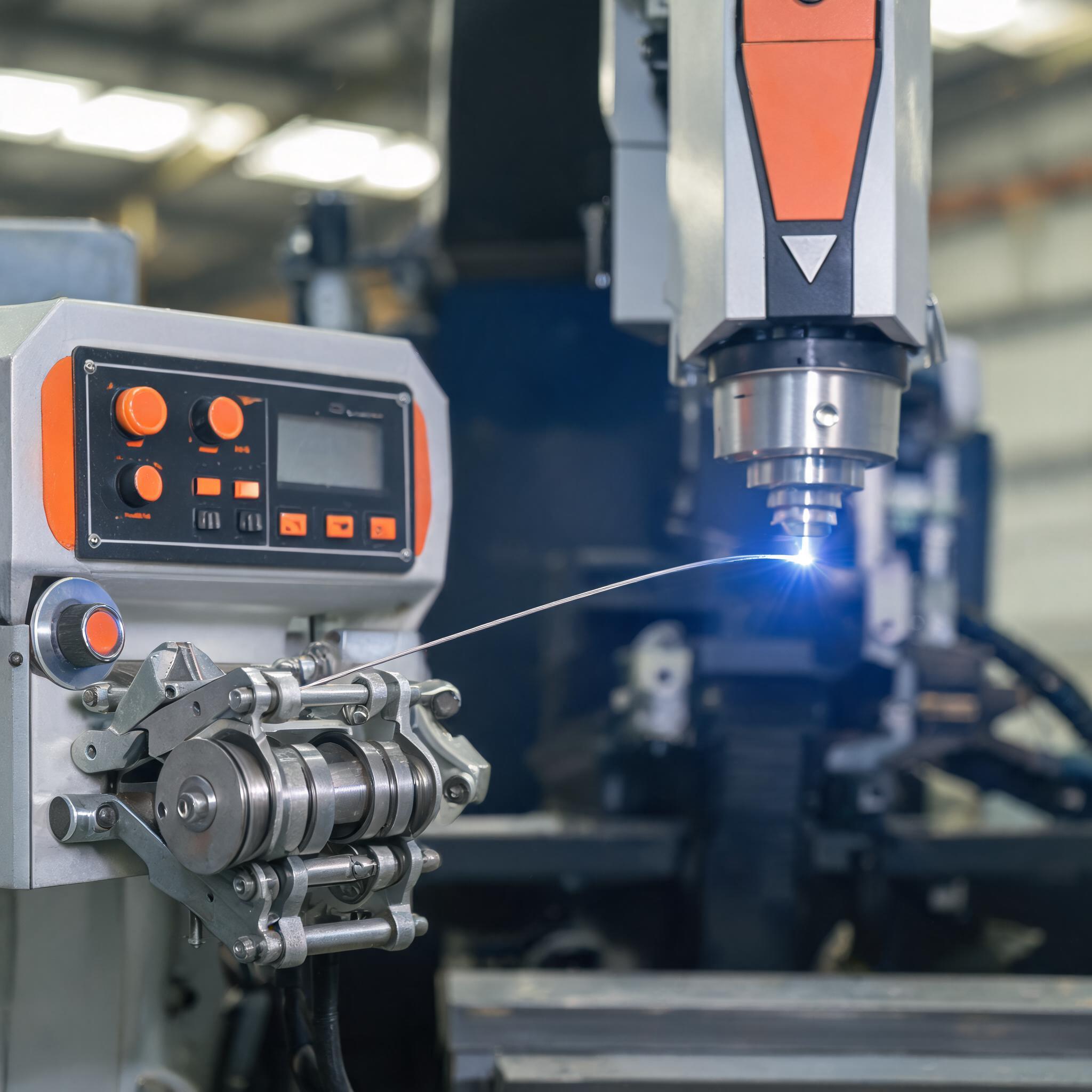
The automated six-axis robotic arm fiber laser welding machine pairs a programmable arm with vision seam tracking, so programmed paths correct for real fit-up variation instead of assuming perfect fixtures. A Schneider CNC controls the cell, the safety enclosure keeps operators protected during 24/7 cycles, and the laser class is matched to joint depth: 1500-2000W for sheet assembly, the 3000W high-power gantry platform for 6-8mm penetration on heavy joints, and the automated production line variant with conveyor integration and vision-based part recognition for continuous part families.
| Buyer check | What to verify before ordering |
|---|
| Joint mapping | Your actual joint types programmed and proven on sample parts, not a generic demo |
| Seam tracking | Vision-based correction demonstrated on real fit-up gaps, not perfect fixtures |
| Duty cycle | 24/7 rating with triple-circuit cooling on high-power models |
| Safety | Enclosure and interlocks documented per CE configuration |
Buyer value: output stops depending on the shift roster. Programmed seams hold the same quality at hour one and hour twelve, rework on visible joints drops, and the cell keeps producing while your best welder trains the next operator on supervision instead of every seam.