
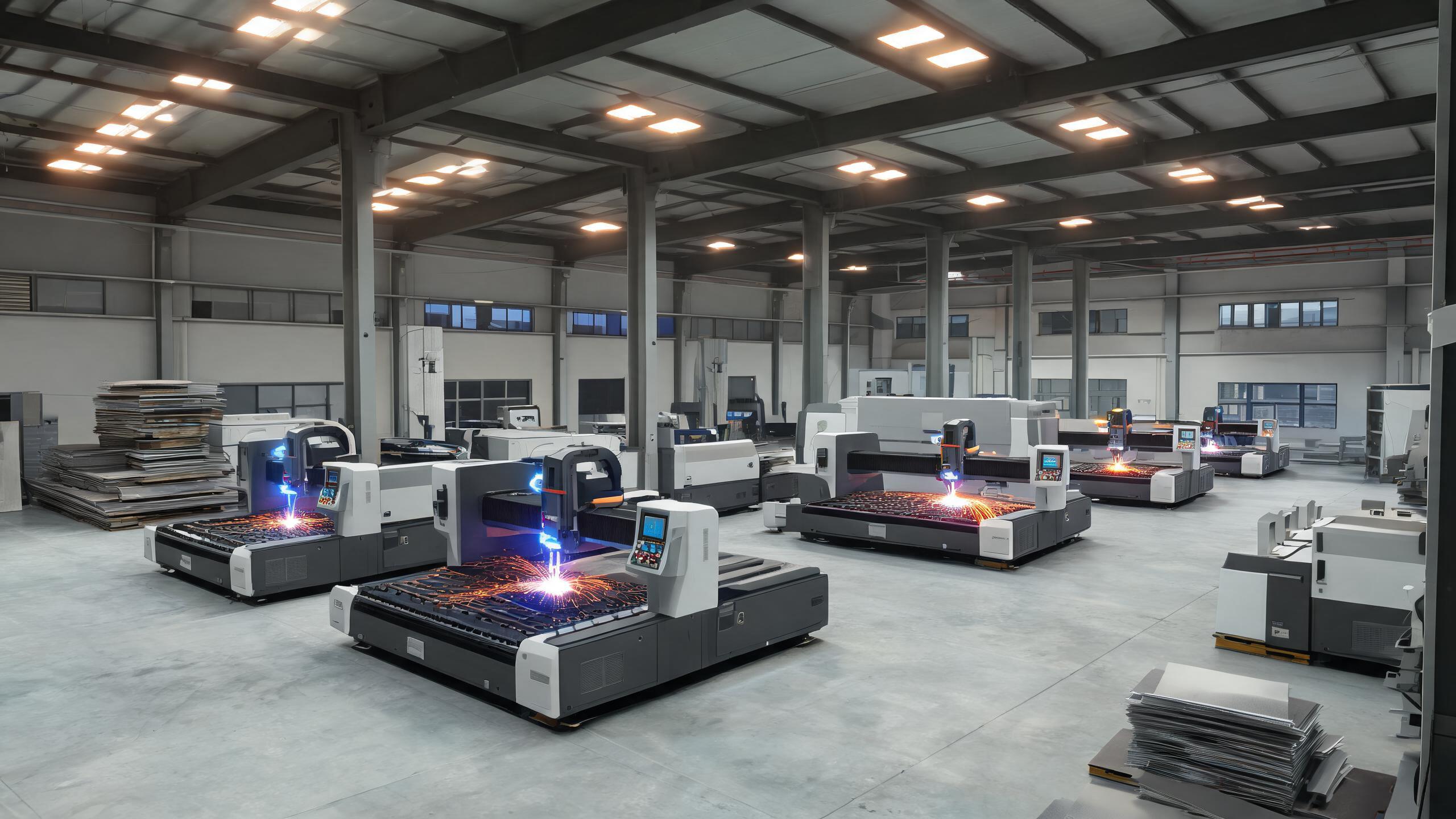
Understand how a PSA nitrogen generator produces high-purity nitrogen from compressed air using carbon molecular sieves, and why this matters for clean, oxidation-free laser cutting.
Contents
What a nitrogen generator does
A nitrogen generator produces nitrogen gas on site from compressed air. Instead of buying bottled or liquid nitrogen, you feed ordinary compressed air into the generator, and it separates the nitrogen from the oxygen and other gases. The output is a continuous stream of nitrogen at a purity you set, typically for laser cutting applications.
The most common technology for this is Pressure Swing Adsorption (PSA). PSA generators are widely used in laser cutting because they deliver consistent purity without the logistics of cylinder supply.
The PSA process step by step
PSA works on a simple principle: different gas molecules have different affinities for certain materials. In a nitrogen generator, the key material is carbon molecular sieve (CMS).
- Compressed air enters. An air compressor delivers air at the required inlet pressure, typically 0.6–0.8 MPa for industrial units.
- Air passes through filtration. Moisture, oil, and particulates are removed by pre-filters and a coalescing filter. This protects the sieve material.
- Adsorption in the first tower. The clean air flows into a vessel filled with CMS. Oxygen molecules are smaller than nitrogen molecules, so they enter the micropores of the CMS and are retained. Nitrogen, being larger, passes through the bed and exits as product gas.
- Depressurization. When the CMS becomes saturated with oxygen, the flow is switched to the second tower. The first tower is depressurized, releasing the trapped oxygen to the atmosphere, which regenerates the sieve.
- Alternating cycle. The two towers alternate between adsorption and regeneration, ensuring a continuous supply of nitrogen. This is why the process is called "pressure swing" — the pressure changes to drive the separation.
The result is nitrogen with a purity of up to 99.9% in many industrial generators, ready for use in cutting.
Why PSA nitrogen matters for laser cutting
Laser cutting of stainless steel and other metals requires an assist gas to blow away molten material and shield the cut edge from oxidation. Nitrogen is the preferred gas because it is inert.
- Oxidation-free edges. Oxygen in the cutting zone causes discoloration and a rough edge. Nitrogen prevents this, leaving a clean, bright cut that often requires no secondary finishing.
- Consistent purity. Bottled nitrogen can vary in purity, and changing cylinders mid-production causes downtime. A generator delivers the same purity continuously.
- Lower cost per cubic meter. For shops with high nitrogen consumption, generating on site is usually far cheaper than buying cylinders, with payback often within 6–12 months.
Considerations before buying
When evaluating a PSA nitrogen generator for laser cutting, check these points:
- Purity requirement. Most laser cutting jobs need 99.9% nitrogen. Make sure the generator can maintain that at your flow rate.
- Flow rate. Generators are rated in cubic meters per hour (m³/h). Match the unit to your cutting machine's peak demand. For example, a unit producing 10–80 m³/h covers many mid-size cutting operations.
- Inlet air quality. Your compressor must supply clean, dry air at the required pressure (0.6–0.8 MPa). Poor inlet air damages the CMS.
- Maintenance. Filter cartridges need periodic replacement — typically monthly — to keep the system efficient.
- Certification. Look for ISO 9001:2015 and CE marks, which indicate quality management and compliance with EU safety standards.
Example: Shandong Xinhong CNC Technology Co., Ltd. has produced PSA nitrogen generators for laser cutting since 2005. Their systems deliver 99.9% purity, 10–80 m³/h flow, and 0.6–0.8 MPa inlet pressure, with dual filtration and membrane separation. They are CE certified and exported to Europe and global markets.
FAQ
How long does a CMS last?
With proper inlet air filtration, carbon molecular sieve typically lasts 8–10 years. Regular filter changes are the main maintenance task.
Can I use a nitrogen generator for other metals?
Yes. While stainless steel is the most common, nitrogen is also used for cutting aluminum, copper, and mild steel (though mild steel may require oxygen for faster cutting).
What is the ROI compared to bottled nitrogen?
For high-consumption shops, on-site generation often pays back in 6–12 months, depending on local gas prices and usage volume. This is a common figure cited by manufacturers.
Do I need a special compressor?
You need a reliable compressor that can deliver the required pressure and flow, with proper drying and filtration. Most industrial compressors are suitable.
If you are considering on-site nitrogen for your laser cutting line, explore our PSA nitrogen generator system to see specifications and how it can fit your operation.