
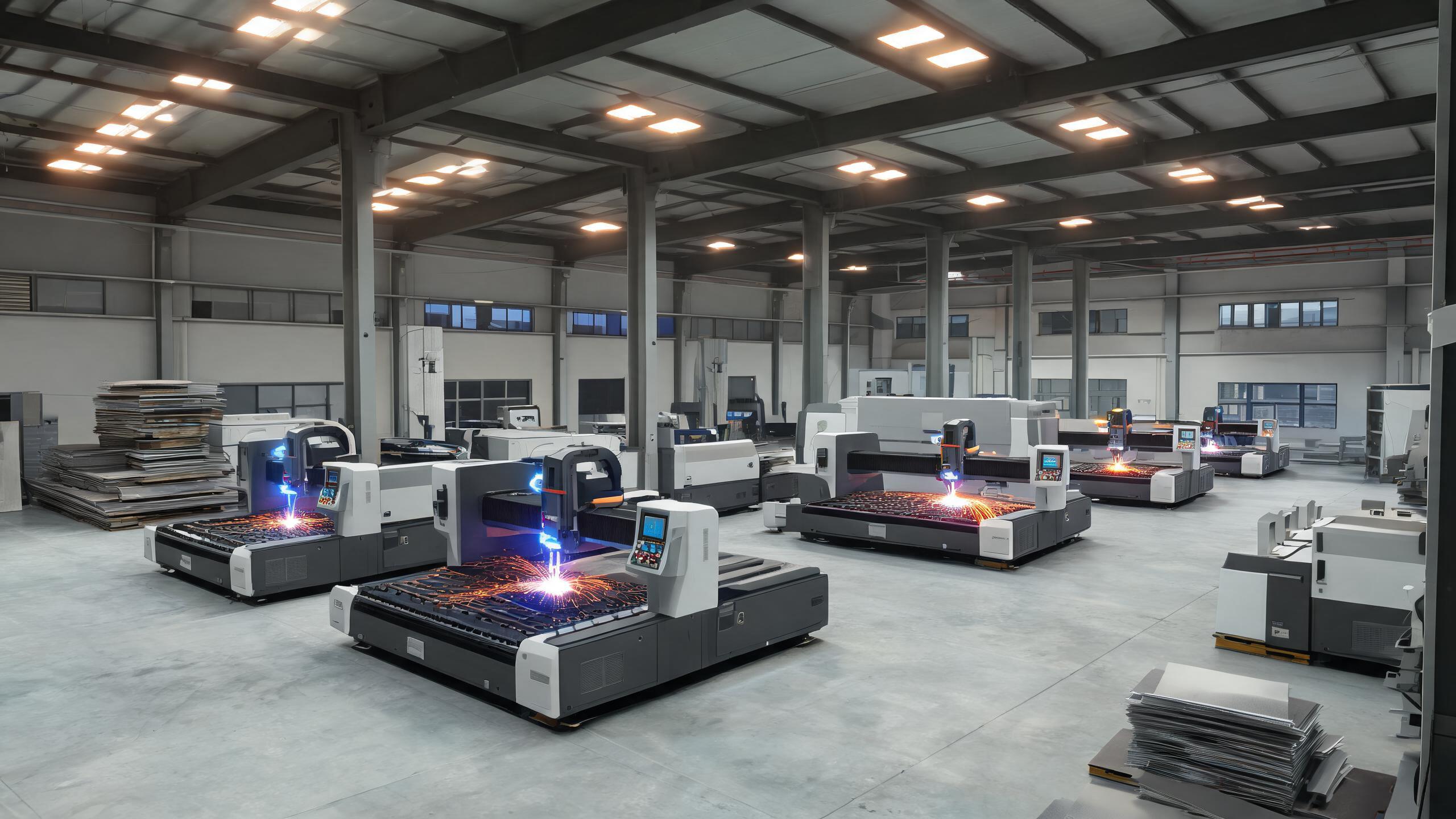
Learn how a PSA nitrogen generator uses pressure swing adsorption to separate nitrogen from compressed air, and why on-site generation matters for laser cutting operations.
What Is a PSA Nitrogen Generator?
A PSA nitrogen generator is an on-site system that produces nitrogen gas from compressed air using pressure swing adsorption (PSA). It delivers a continuous supply of nitrogen at a set purity level without relying on delivered cylinders or liquid nitrogen.
For B2B buyers in laser cutting, the question matters because nitrogen is a core operating cost. A PSA generator replaces the recurring expense of bottled nitrogen with a one-time equipment investment and a low-cost feed source: the air around your facility.
How Pressure Swing Adsorption Works
Pressure swing adsorption separates gases by exploiting how different molecules adhere to a porous material under pressure. In a nitrogen generator, the core component is a vessel filled with carbon molecular sieve (CMS) beads.
The process runs in two alternating phases:
- Adsorption: Compressed air is fed into the vessel. Oxygen molecules are adsorbed by the CMS, while nitrogen passes through as the product gas. This phase produces nitrogen at the target purity.
- Desorption: When the CMS becomes saturated with oxygen, the pressure is released. The oxygen desorbs and is vented to the atmosphere, regenerating the sieve for the next cycle.
Two vessels operate in parallel so that while one is producing nitrogen, the other is regenerating. This gives a continuous, steady output of nitrogen at the required purity.
The key variables that affect performance are the inlet air pressure, the quality of the compressed air feed, and the cycle timing. Higher purity requires a lower recovery rate, so a generator specified for 99.9% purity will use more compressed air per cubic meter of nitrogen than one set to a lower purity.
Why It Matters for Laser Cutting
Laser cutting uses nitrogen as an assist gas to blow molten material away from the cut edge. Nitrogen prevents oxidation, producing a clean, bright edge that needs no secondary deburring or pickling.
Two factors drive the decision to generate nitrogen on site:
- Volume: Laser cutting consumes nitrogen continuously. The higher the cutting speed and the thicker the material, the greater the flow rate required.
- Purity stability: A consistent purity level is essential for repeatable cut quality. Bottled gas purity can vary between fills, while a PSA generator holds a steady set point.
For a laser cutting operation, a PSA nitrogen generator with 99.9% purity covers most standard cutting tasks. This purity level prevents oxidation on carbon steel and stainless steel edges without the cost premium of higher-purity gas.
Typical Specifications and Performance
To evaluate a PSA nitrogen generator for your operation, compare these parameters against your cutting machine's requirements:
| Parameter | Typical Range | What It Means for Your Operation |
|---|---|---|
| Nitrogen purity | Up to 99.9% | Suitable for laser cutting; prevents oxidation on cut edges |
| Flow rate | 10–80 m³/h | Matches the gas consumption of most mid-size laser cutting machines |
| Inlet air pressure | 0.6–0.8 MPa | Standard compressed air supply; verify your compressor delivers this range |
| Noise level | Below 75 dB | Quiet enough for operation near production areas without special enclosures |
These figures represent the operating envelope of a typical industrial PSA nitrogen generator. Your specific model should be matched to the flow and pressure demands of your laser cutter's nozzle configuration.
Cost Comparison vs Bottled Nitrogen
The primary economic argument for a PSA generator is the cost per cubic meter of nitrogen. Bottled nitrogen includes production, transportation, cylinder rental, and handling costs. On-site generation removes the logistics and rental components entirely.
For most laser cutting operations, the investment pays back within 6 to 12 months. The exact payback period depends on:
- Current bottled nitrogen price per cubic meter
- Daily cutting hours and gas consumption rate
- Electricity cost for the air compressor
- Local labor and maintenance rates
Maintenance Requirements
A PSA nitrogen generator is a low-maintenance piece of equipment, but it is not zero-maintenance. The primary consumable is the filter cartridges that protect the carbon molecular sieve from contamination.
- Filter cartridges: Replace monthly to ensure the CMS stays clean and the output purity remains stable.
- Compressed air quality: The feed air must be clean and dry. An oil-lubricated compressor requires a coalescing filter and a dryer upstream of the generator.
- CMS replacement: The carbon molecular sieve has a long service life, typically several years, before replacement is needed.
Routine checks on pressure gauges and the oxygen analyzer are part of normal operation. These checks confirm that the system is still producing nitrogen at the specified purity.
Frequently Asked Questions
What is the difference between PSA and membrane nitrogen generation?
PSA uses carbon molecular sieve to adsorb oxygen and produces high-purity nitrogen (up to 99.9%). Membrane systems use hollow fiber membranes to separate gases more quickly but typically deliver lower purity. For laser cutting, PSA is the standard choice because the required purity is higher than what membranes economically deliver.
Can a PSA generator replace liquid nitrogen delivery?
Yes, for most laser cutting applications. A PSA generator produces nitrogen on demand, eliminating the need for liquid nitrogen storage tanks and delivery schedules. The transition requires verifying that the generator's flow rate and purity meet your cutting machine's peak demand.
What size generator do I need?
The required flow rate depends on your laser cutter's nozzle diameter, cutting speed, and material thickness. A unit in the 10–80 m³/h range covers most standard machines. For an accurate specification, provide your laser cutter's gas consumption data to the supplier.
How much electricity does a PSA nitrogen generator use?
The generator itself uses minimal power for controls and valves. The main energy cost is the air compressor that supplies the feed air. Since the generator runs on compressed air, the compressor's energy consumption is the dominant operating cost.
Choosing a Supplier
When evaluating a PSA nitrogen generator supplier, verify the following before purchase:
- Purity guarantee: Confirm the generator holds 99.9% purity at the rated flow rate, not just at a lower flow.
- Certification: Check for CE certification, which indicates compliance with EU safety and performance standards.
- Filtration design: A dual filtration system protects the CMS and extends its service life.
- Noise rating: Confirm the operating noise is below 75 dB if the unit will sit near workstations.
Shandong Xinhong manufactures PSA nitrogen generators specifically for laser cutting applications. Their systems deliver 99.9% purity at flow rates from 10 to 80 m³/h, operate on standard 0.6–0.8 MPa compressed air, and include dual filtration plus membrane separation. Units are CE certified and run below 75 dB. With monthly filter cartridge maintenance, the return on investment versus bottled nitrogen typically lands between 6 and 12 months.
To assess whether a PSA nitrogen generator fits your laser cutting operation, start with your current gas consumption and price per cubic meter. If the numbers point to high monthly spend, request a system quote and compare the payback period against your own cost baseline. Review the nitrogen generator system specifications to see if the flow and purity range aligns with your cutting machine's requirements.