
A buyer's guide to laser cutting 2mm steel. Compare 500W, 2000W and 3000W fiber laser machines from Xinhong CNC, choose the right assist gas for carbon steel or stainless steel, and balance speed against cut quality.
Cutting 2mm steel with a fiber laser is not difficult. The real decision is how much power you need, which assist gas to use, and where to set the speed so the cut is clean without slowing the machine more than necessary. This guide answers those questions for buyers who cut thin sheet—sign makers, kitchen equipment fabricators, electrical cabinet makers, and general sheet metal shops—and compares the actual specifications of three Xinhong machines to show where each one fits.
Key takeaways
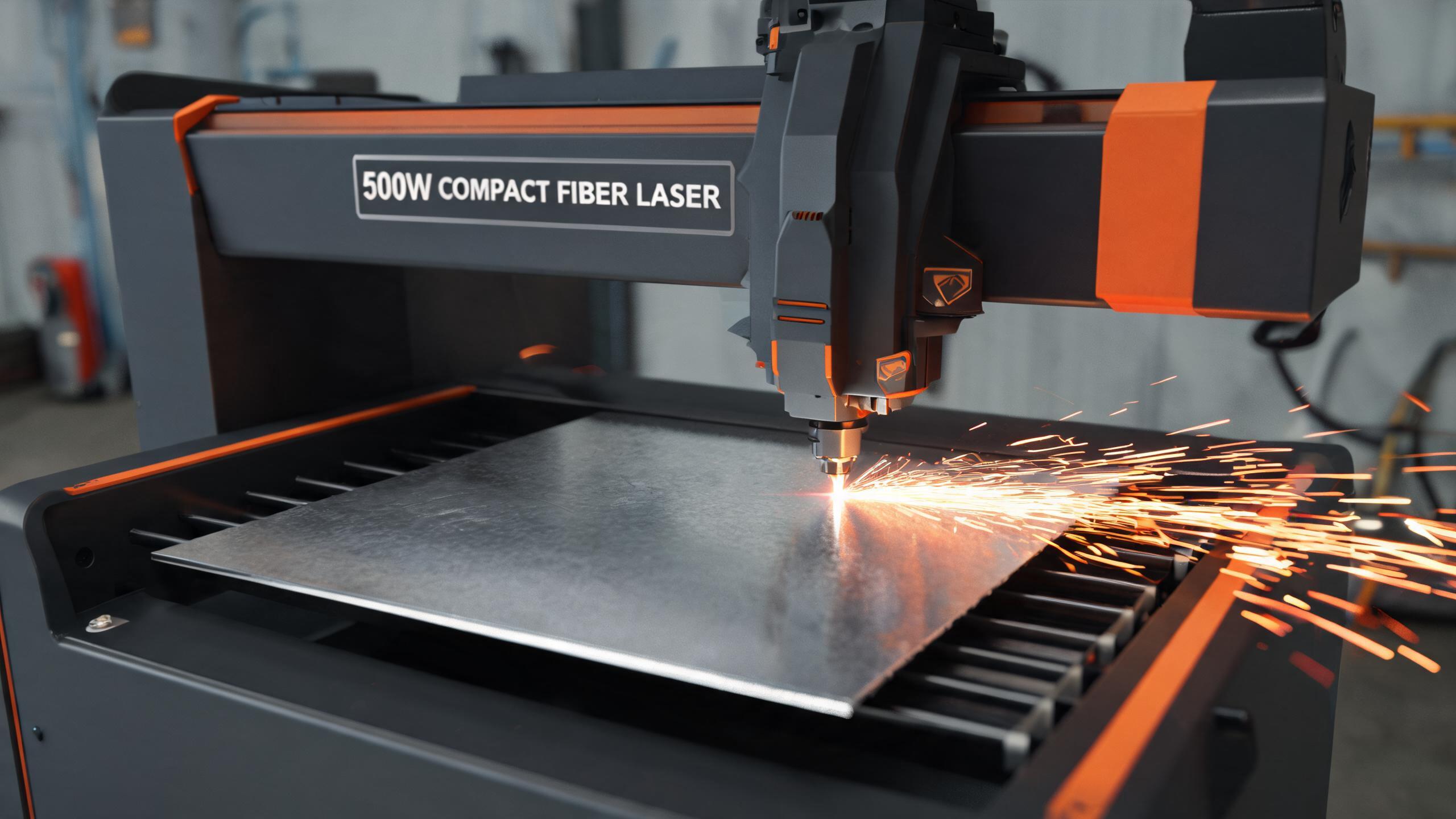
- 2mm steel is thin sheet. 500W, 1000W, 2000W and 3000W fiber lasers can all cut it; the right choice depends on your mix of thicknesses.
- Carbon steel is usually cut with oxygen. Stainless steel needs nitrogen for a clean, oxide-free edge.
- On 2mm sheet, cut quality depends more on focus, gas pressure and nozzle condition than on maximum power.
- For batch production of small 2mm parts, an exchange table can cut idle time between sheets to 30 seconds or less.
- Exact speed and pierce settings should be confirmed with the machine builder for your material and thickness—no generic chart replaces a real test cut.
What 2mm steel means for laser cutting
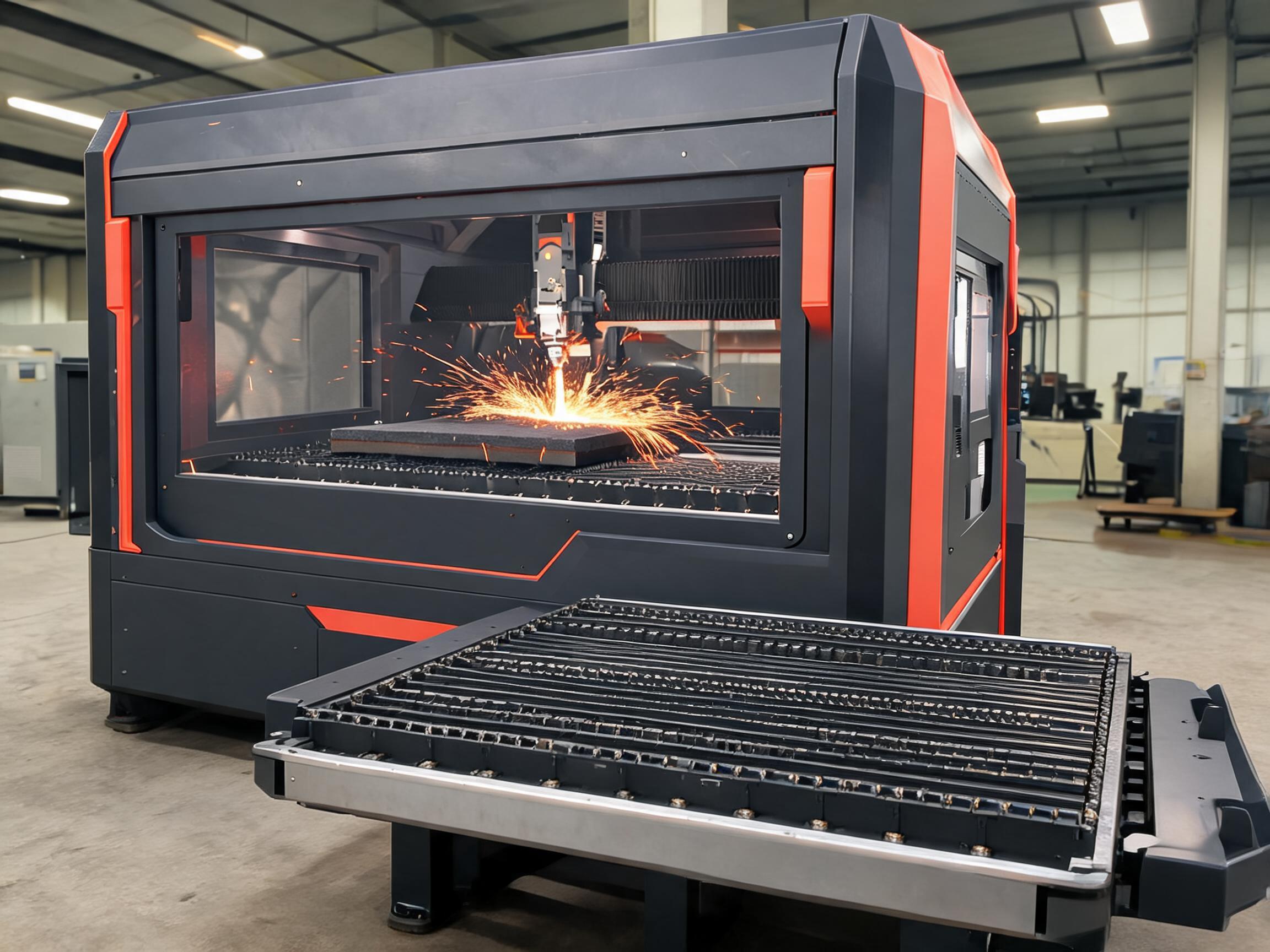
Two-millimeter steel behaves differently from 6mm or 12mm plate in three ways that matter on the shop floor.
- Low heat input. The laser beam removes very little material per unit of time, so the heat-affected zone stays narrow and parts are less likely to distort than thick plate.
- High cutting speed. The machine moves quickly across the sheet. On thin material, acceleration and following accuracy become more important than raw peak power.
- Tighter process window. Because the material is thin, small changes in focus position or gas pressure have a larger effect on the cut edge. A 2mm cut can go from clean to dross-covered with a small change in speed or gas flow.
This does not make 2mm steel hard to cut. It means the operator should think of 2mm as a process-control problem—focus, gas and speed—rather than a power problem. That is also why buying a very high-power machine for 2mm-only work rarely pays back.
Power selection: 500W to 3000W compared
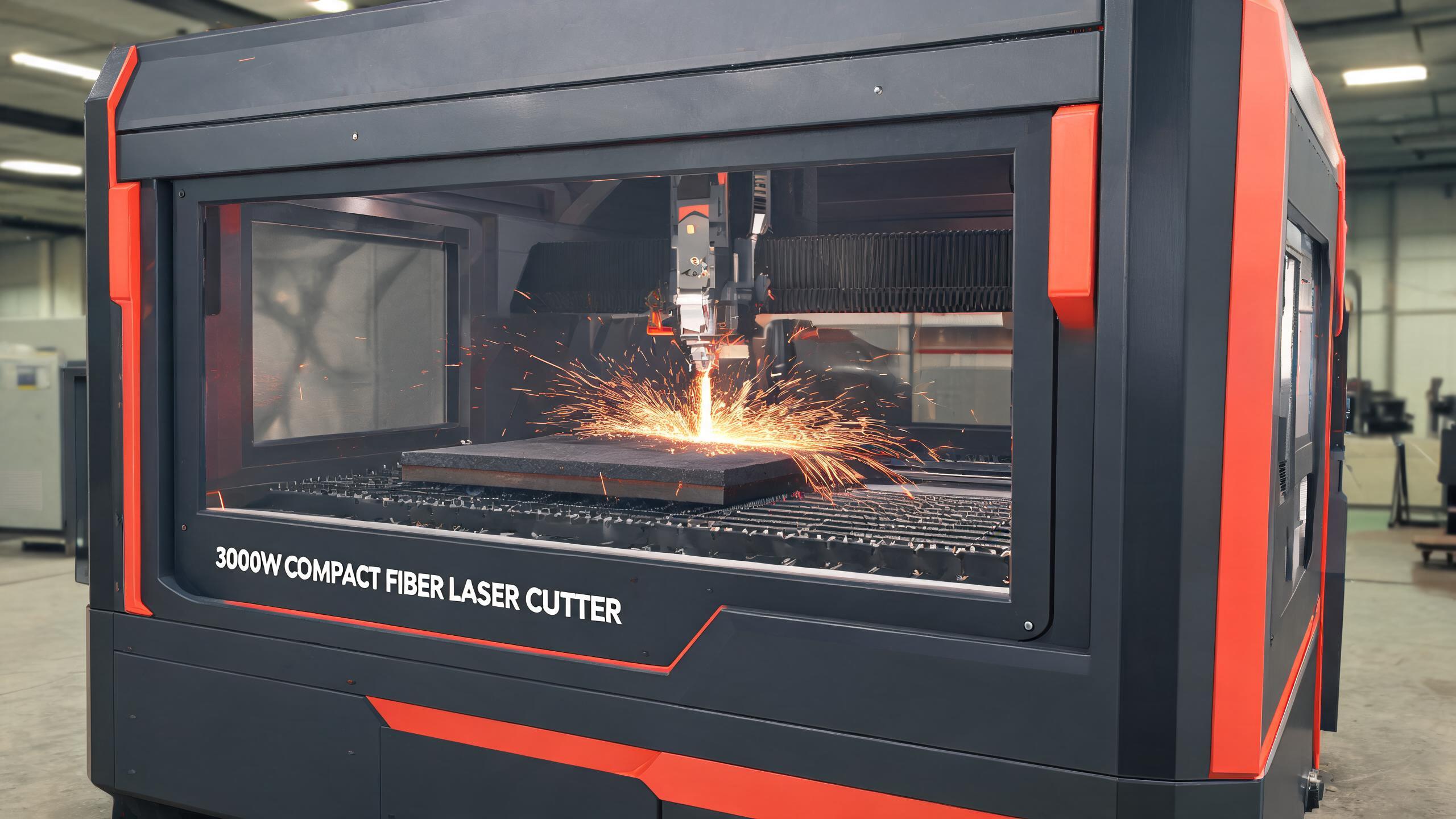
All three Xinhong fiber laser models below can cut 2mm carbon steel and 2mm stainless steel. They differ in how much thicker material they can handle, how big the working area is, and what kind of production they suit. The table uses published specifications from each product page.
| Model | Max carbon steel | Max stainless steel | Max aluminum | Working area | Power supply | Best fit for 2mm work |
|---|---|---|---|---|---|---|
| 500W Economy Fiber Laser Cutting Machine | 3 mm | 2 mm | 1.5 mm | 1300 × 900 mm | 220V single phase | Low-volume shops, prototyping, or mixed work mostly under 3mm |
| 2000W Exchange Table Fiber Laser Cutting Machine | 8 mm | 6 mm | 5 mm | 1500 × 3000 mm | 380V three phase | Batch production with a mix of thin and medium sheet |
| 3000W Desktop Fiber Laser Cutting Machine | 12 mm | 8 mm | 6 mm | 1300 × 900 mm | 380V three phase | Shops that need one machine for 2mm work and occasional thicker plate |
All three models are CE certified. Laser source options: IPG, RAYCUS or GW, with a stated source life of 35,000+ hours. Xinhong CNC has been manufacturing since 2005 and holds ISO 9001:2015 certification.
The 500W Economy model is the smallest machine that still covers 2mm carbon steel and 2mm stainless steel. For a shop cutting mostly 1–2mm sheet, it is the lowest-cost way to get a fiber laser. Its 1300 × 900 mm table suits small-to-medium parts, and it runs on single-phase 220V power, which matters if your building does not have three-phase supply. The trade-off is that 3mm is its ceiling for carbon steel—if your order book includes 5mm or 6mm plate, this machine will not cover it.
The 2000W Exchange Table model is the batch-production choice. Its 8mm carbon steel capacity leaves room for mixed thickness jobs, and the dual exchange table lets you load the next sheet while the current one is being cut. Xinhong lists table exchange time at 30 seconds or less, and lists a 25–35% throughput increase for the exchange table configuration compared with single-table operation. Positioning accuracy is ±0.03mm and repeat accuracy is ±0.02mm. The 1500 × 3000 mm table handles full-size sheets, and the machine runs on 380V three-phase power.
The 3000W Desktop model covers 12mm carbon steel, so it is the option for a shop that wants one machine for 2mm production and thicker plate work without moving to a large-format platform. It supports air, oxygen and nitrogen assist gas, and offers an optional PSA nitrogen generator for oxide-free cutting of stainless steel and aluminum. It uses CypCut software with Schneider PLC control and requires 380V three-phase power.
The purchasing rule for 2mm work is simple: buy enough power to cover your thickest routine job, not the highest number on the spec sheet. A 500W machine loses money if every third order needs 5mm plate. A 3000W machine is hard to justify if 95% of your output is 1–2mm signage or cabinet parts. Most buyers land on the model that covers their regular thickness range plus one step of headroom.
Assist gas: oxygen for carbon steel, nitrogen for stainless
The gas choice changes the cut edge, not just the cut speed.
Carbon steel with oxygen. Oxygen reacts with the steel during cutting and adds heat to the process. The result is a fast cut and a low gas cost, but the cut edge is oxidized—dark and slightly rough. For many structural, bracket and general fabrication parts, that edge is acceptable and may be painted or powder-coated afterward.
Stainless steel with nitrogen. Nitrogen is inert. It blows molten material out of the kerf without reacting with it, producing a bright, oxide-free edge. This is the standard choice for visible stainless parts, food equipment and any component that will be welded or finished without further pickling. The trade-off is higher gas consumption and higher cost per part than oxygen cutting.
If you cut a lot of stainless or aluminum and want to control nitrogen cost, a PSA nitrogen generator can be integrated with the machine. The 3000W Desktop model supports this option. For carbon steel, oxygen is usually supplied from cylinders or a liquid tank; the choice depends on your consumption and local supply.
One practical point: on 2mm material, gas pressure stability matters more than peak pressure. A regulator that fluctuates will show up as inconsistent dross along the cut. Check that your gas supply can hold steady pressure through a full sheet before blaming the machine parameters.
Speed and cut quality: what to adjust and why
On thin sheet, the speed window between a clean cut and a bad one is narrow. Two common defects point to opposite causes:
- Dross (hanging slag) on the bottom edge usually means the cut speed is too high for the material and gas, or the focus is slightly off. The beam is not delivering enough energy to fully eject molten material before it solidifies.
- Overburning or a charred, wider kerf usually means the speed is too low, the power is too high for the thickness, or the gas pressure is excessive. The material absorbs more heat than needed and the edge degrades.
The correct response is to adjust one variable at a time. Start with focus, then gas pressure, then speed. Keep a test piece from the same heat and thickness as the production sheet—material from a different supplier can behave differently even at the same nominal grade.
Do not rely on a generic settings chart copied from the internet. The right parameters depend on the laser source, the cutting head, the nozzle diameter, the assist gas and the actual steel grade. Xinhong confirms recommended parameters for each machine against the buyer's material list. That is the reliable starting point, not a number from a forum.
Machine format and production rhythm
For 2mm parts, cutting speed is rarely the bottleneck. Loading and unloading sheets usually is. A machine that cuts a sheet in 40 seconds but sits idle for three minutes while the operator removes parts and loads the next sheet has a low real output.
An exchange table addresses this directly. While one table is cutting, the operator loads the next sheet on the second table. When the cut finishes, the tables swap in 30 seconds or less. Xinhong's 2000W Exchange Table model is built for this pattern, and Xinhong attributes a 25–35% throughput increase to this exchange table configuration relative to single-table operation. For shops running repetitive 2mm parts—electrical cabinet panels, sign blanks, kitchen components—the exchange table can raise effective output substantially without increasing cutting speed. The exact gain depends on part nesting and operator workflow, but the principle is consistent: reduce non-cutting time first.
For lower-volume work or large, simple parts where load time is short, a single-table machine is simpler and costs less. The 500W Economy and 3000W Desktop models are single-table designs.
Buyer's checklist before you request a quote
To get accurate parameters and a realistic machine recommendation, send the supplier the following:
- Material list: carbon steel, stainless steel or aluminum, with grades if known (e.g., mild steel, 304, 5052).
- Thickness distribution: what percentage of your work is 2mm, and what other thicknesses appear regularly. This decides the power class.
- Part size range: the largest and smallest parts you cut, to confirm the working area.
- Edge finish requirement: is an oxidized edge acceptable on carbon steel, or do you need oxide-free cuts on stainless?
- Production volume: average sheets per shift, to judge whether an exchange table is worth the investment.
- Power supply: confirm whether your site has 220V single phase or 380V three phase available.
With this information, a manufacturer can recommend the model and provide starting parameters for your material. Xinhong CNC's product pages list the full specifications for each model, and the sales team can confirm settings against your material list.
Need to cut 2mm steel and not sure which power to choose? Send your material list, thickness mix and maximum part size to Xinhong CNC. The team will match your requirements to the 500W, 2000W or 3000W model and confirm cutting parameters for your material. Delivery, installation and after-sales support (remote diagnostics, spare parts supply and installation guidance) are arranged per machine and destination market by the sales team.
Learn more: 500W Economy Fiber Laser Cutting Machine | 2000W Exchange Table Fiber Laser Cutting Machine | 3000W Desktop Fiber Laser Cutting Machine
FAQ
What laser power is most economical for cutting 2mm steel?
For 2mm carbon steel and 2mm stainless steel, a 500W fiber laser is sufficient. It is the lowest-cost option and covers up to 3mm carbon steel. If your work regularly includes 5mm or thicker material, a 2000W or 3000W machine avoids the need for a second machine later. The economical choice is the smallest power that covers your normal thickness range, not the smallest power that cuts 2mm.
What assist gas should I use for 2mm carbon steel?
Oxygen is the standard choice for carbon steel. It produces a fast cut at low gas cost, with an oxidized edge. If the edge will be painted, welded or is not visible, oxygen is usually fine. For an oxide-free edge on carbon steel, nitrogen can be used, but it increases gas cost. Confirm the gas choice with the machine builder for your specific application.
Why does my 2mm cut have dross on the bottom edge?
Dross on thin sheet usually comes from cutting too fast, focus being slightly off, or insufficient gas pressure. Check the nozzle for damage or spatter first, then verify focus, then reduce speed in small steps. Keep a test piece from the same material batch. If the problem persists, request the recommended parameters for your exact machine and material from the supplier.
Can a 500W laser cut 2mm steel reliably?
Yes. Xinhong's 500W Economy Fiber Laser Cutting Machine is rated for up to 3mm carbon steel and 2mm stainless steel. For production work in 2mm, it is within its stated capacity. Reliability depends on keeping the lens and nozzle clean and maintaining stable gas pressure. If your volume is high or you need thicker material often, a higher-power model will be more productive.