
دليل تقني للميزات الأساسية المطلوبة في ماكينة قطع بالليزر الليفي CNC لتصنيع الفولاذ الثقيل، بما في ذلك مساحة عمل 2000×6000 مم، نطاق طاقة 6000 واط - 30000 واط، طاولات عمل تبادلية أوتوماتيكية، استشعار ارتفاع سعوي...
لماذا تتطلب تصنيع الفولاذ الثقيل ماكينة قطع بالليزر الليفي CNC متخصصة
تصنيع الفولاذ الثقيل - بناء السفن، الفولاذ الإنشائي، أوعية الضغط، معدات التعدين، وتصنيع أبراج الرياح - يضع معدات القطع تحت أقصى ضغط. الألواح السميكة (20-70 مم)، الأحجام الكبيرة للألواح (2000×6000 مم)، والإنتاج المستمر على عدة ورديات تتطلب ماكينة قطع بالليزر الليفي CNC مصممة خصيصًا لدورات التشغيل القصوى، وليس ماكينة صفائح معدنية قياسية تتجاوز حدود تصميمها.
نقاط الألم حقيقية: القطع بالبلازما يترك خبثًا وحوافًا مائلة على الألواح السميكة تتطلب تجليخًا؛ القطع باللهب بطيء جدًا لحجم الإنتاج؛ وأجهزة الليزر الليفي منخفضة الطاقة ببساطة لا تستطيع قطع مواد بسمك 20 مم أو أكثر. ماكينة قطع بالليزر الليفي CNC عالية الطاقة مصممة خصيصًا تحل المشاكل الثلاث - تنتج حوافًا نظيفة وعمودية بسرعات إنتاجية على الألواح التي تواجه الطرق التقليدية صعوبة في التعامل معها.
الميزة الأساسية 1: مساحة عمل كبيرة (2000×6000 مم)
الفولاذ الإنشائي الثقيل يأتي في ألواح مطحنة كبيرة. مساحات العمل القياسية 1500×3000 مم تتطلب قص هذه الألواح مسبقًا - خطوة إضافية مكلفة وتستغرق وقتًا طويلاً. مساحة العمل 2000×6000 مم تستوعب ألواح المطحنة بالحجم الكامل مباشرة، مما يلغي القص المسبق ويزيد من إنتاجية المواد.
موديلات 12000 واط و 30000 واط تتميز كلاهما بسرير 2000×6000 مم كمعيار قياسي. إطار الجانتري الثقيل مُعالج لتخفيف الإجهاد للحفاظ على الدقة الهندسية تحت الأحمال الحرارية والديناميكية للقطع المستمر عالي الطاقة.
الميزة الأساسية 2: نطاق طاقة عالي (6000 واط - 30000 واط)
قطع الألواح السميكة يتطلب طاقة شعاع مركزة لا يمكن إلا لأجهزة الليزر الليفي عالية الطاقة توفيرها. يوضح الجدول أدناه قدرة القطع لنطاق الطاقة العالي من Xinhong:
| الطاقة | أقصى فولاذ كربوني | أقصى فولاذ مقاوم للصدأ | أقصى ألومنيوم | منطقة العمل |
|---|---|---|---|---|
| 6000 واط | 20 مم | 12 مم | 10 مم | 2000×4000 مم |
| 8000 واط | 25 مم | 15 مم | 12 مم | 2000×6000 مم |
| 12000 واط | 35 مم | 20 مم | 16 مم | 2000×6000 مم |
| 20000 واط | 50 مم | 30 مم | 20 مم | 2000×6000 مم |
| 30000 واط | 70 مم | 40 مم | 30 مم | 2000×6000 مم |
الميزة الأساسية 3: طاولة عمل تبادلية أوتوماتيكية
في تصنيع الألواح الثقيلة، تحميل وتفريغ ألواح 2000×6000 مم التي تزن مئات الكيلوجرامات هو عنق زجاجة رئيسي. طاولة العمل التبادلية (المكوكية) الأوتوماتيكية تسمح للمشغل بتحميل اللوح التالي بينما تقوم الماكينة بالقطع - مما يؤدي إلى زيادة الإنتاجية بنسبة تصل إلى 40%. آلية المكوك تتبادل الطاولات في 30-60 ثانية، مما يبقي رأس القطع بالليزر يعمل بدلاً من انتظار مناولة المواد.
الميزة الأساسية 4: استشعار ارتفاع سعوي وتركيز تلقائي
الألواح الفولاذية السميكة نادرًا ما تكون مسطحة تمامًا. الألواح الملتوية، والتشوه الحراري أثناء القطع، وتغيرات سمك المواد يمكن أن تسبب اصطدام رأس القطع باللوح أو فقدان التركيز - وكلاهما يؤدي إلى تدهور جودة القطع أو تلف المعدات.
استشعار الارتفاع السعوي (يسمى أيضًا التركيز التلقائي السعوي أو تتبع الارتفاع التلقائي) يحل هذه المشكلة عن طريق الحفاظ على مسافة ثابتة بين فوهة رأس القطع وسطح اللوح - بدقة ±0.1 مم - حتى على المواد الملتوية أو غير المستوية. يكتشف النظام سطح اللوح سعويًا ويضبط ارتفاع المحور Z في الوقت الفعلي، مما يضمن عرض القطع وجودة الحواف وموضع التركيز بشكل ثابت طوال عملية القطع.
مرجع معلمات قطع الألواح السميكة
| المادة / السماكة | الطاقة الموصى بها | غاز مساعد | السرعة التقريبية |
|---|---|---|---|
| فولاذ كربوني 20 مم | 6000 واط - 8000 واط | O₂ | 1.5-2.5 م/دقيقة |
| فولاذ كربوني 35 مم | 12000 واط | O₂ | 0.8–1.2 م/دقيقة |
| فولاذ كربوني 50 مم | 20000 واط | O₂ | 0.4-0.8 م/دقيقة |
| فولاذ كربوني 70 مم | 30000 واط | O₂ | 0.3-0.5 م/دقيقة |
| فولاذ مقاوم للصدأ 20 مم | 12000 واط | نيتروجين (ضغط عالٍ) | 0.6-1.0 م/دقيقة |
| فولاذ مقاوم للصدأ 40 مم | 30000 واط | نيتروجين (ضغط عالٍ) | 0.2-0.4 م/دقيقة |
السرعات تقريبية وتعتمد على درجة المادة، وحالة السطح، ونقاء الغاز، وتحسين التركيز. اتصل بـ Xinhong للحصول على أوراق معلمات مفصلة خاصة بتطبيقك.
السلامة والامتثال لعمليات الخدمة الشاقة
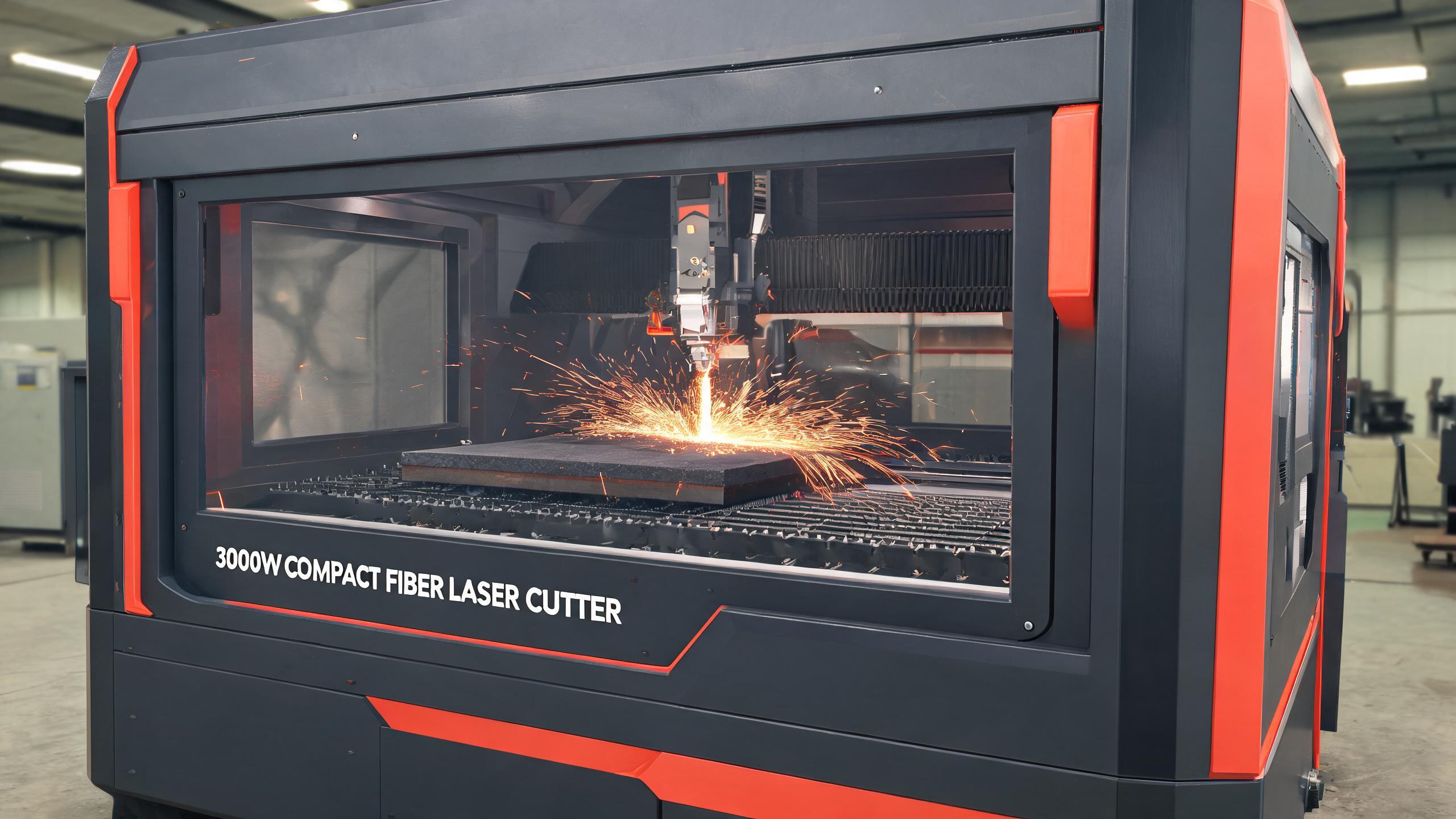
- مظلة مغلقة بأبواب متشابكة: أجهزة الليزر الليفي عالية الطاقة (6000 واط فأكثر) هي أنظمة ليزر من الفئة 4. المظلة المغلقة مع أقفال مغناطيسية آمنة تحتوي إشعاع الليزر والأبخرة والشرر. موديل مدمج 3000 واط يجسد تصميم السلامة المغلق هذا بقدرة أقل؛ نفس المبدأ ينطبق على مستويات الطاقة الأعلى.
- الامتثال لمعايير CE: جميع ماكينات Xinhong عالية الطاقة معتمدة CE لمعايير السلامة الصناعية الأوروبية (توجيه الآلات 2006/42/EC). مرحلات السلامة من شنايدر إلكتريك توفر دوائر تشابك سلكية صلبة.
- استخراج الأبخرة: قطع الألواح السميكة يولد أبخرة كبيرة. أنظمة استخراج الأبخرة السفلية المدمجة أو مجمعات الغبار الخارجية مطلوبة - وكلاهما متوافق مع خط منتجات استخراج الأبخرة من Xinhong.
- الإدارة الحرارية: ماكينات 12000 واط - 30000 واط تستخدم مبردات مياه صناعية بدائرة مزدوجة أو ثلاثية مع تبريد مخصص لمصدر الليزر والبصريات ورأس القطع - مما يحافظ على الاستقرار الحراري أثناء التشغيل المستمر عالي الطاقة.
للعروض التوضيحية لقطع الألواح السميكة بالليزر الليفي، يمكنك مشاهدة مقاطع فيديو ذات صلة على يوتيوب بالبحث عن “قطع ألواح فولاذية سميكة بالليزر عالي الطاقة” لرؤية سرعة القطع وجودة الحواف على مواد بسمك 20-70 مم.
شركة شاندونغ شينهونغ لتكنولوجيا CNC المحدودة تبني ماكينات القطع بالليزر الليفي منذ عام 2005. خط إنتاج ماكينات القطع بالليزر الليفي CNC عالية الطاقة (6000 واط - 30000 واط) مصمم لمتطلبات تصنيع الفولاذ الثقيل - مع مساحات عمل كبيرة، وطاولات تبادل، واستشعار ارتفاع سعوي، وأنظمة سلامة متوافقة مع CE. اتصل بنا مع نطاق سماكة الألواح وأنواع المواد وحجم الإنتاج لديك للحصول على تكوين مخصص.
مقالات ذات صلة في هذه السلسلة
- آلة قطع المعادن بالليزر: كيف تختار الطاقة المناسبة لألواح الفولاذ؟
- آلة قطع الصفائح المعدنية بالليزر: دليل المشتري الشامل لعام 2026
- آلة القطع بالليزر الليفي CNC مقابل القطع التقليدي: أيهما يفوز؟
- أفضل 5 آلات قطع بالليزر الليفي للفولاذ المقاوم للصدأ في عام 2026
سيتم إضافة روابط للمقالات ذات الصلة بمجرد نشر جميع المقالات في هذه السلسلة.