Aluminum punishes machines that were specced for steel
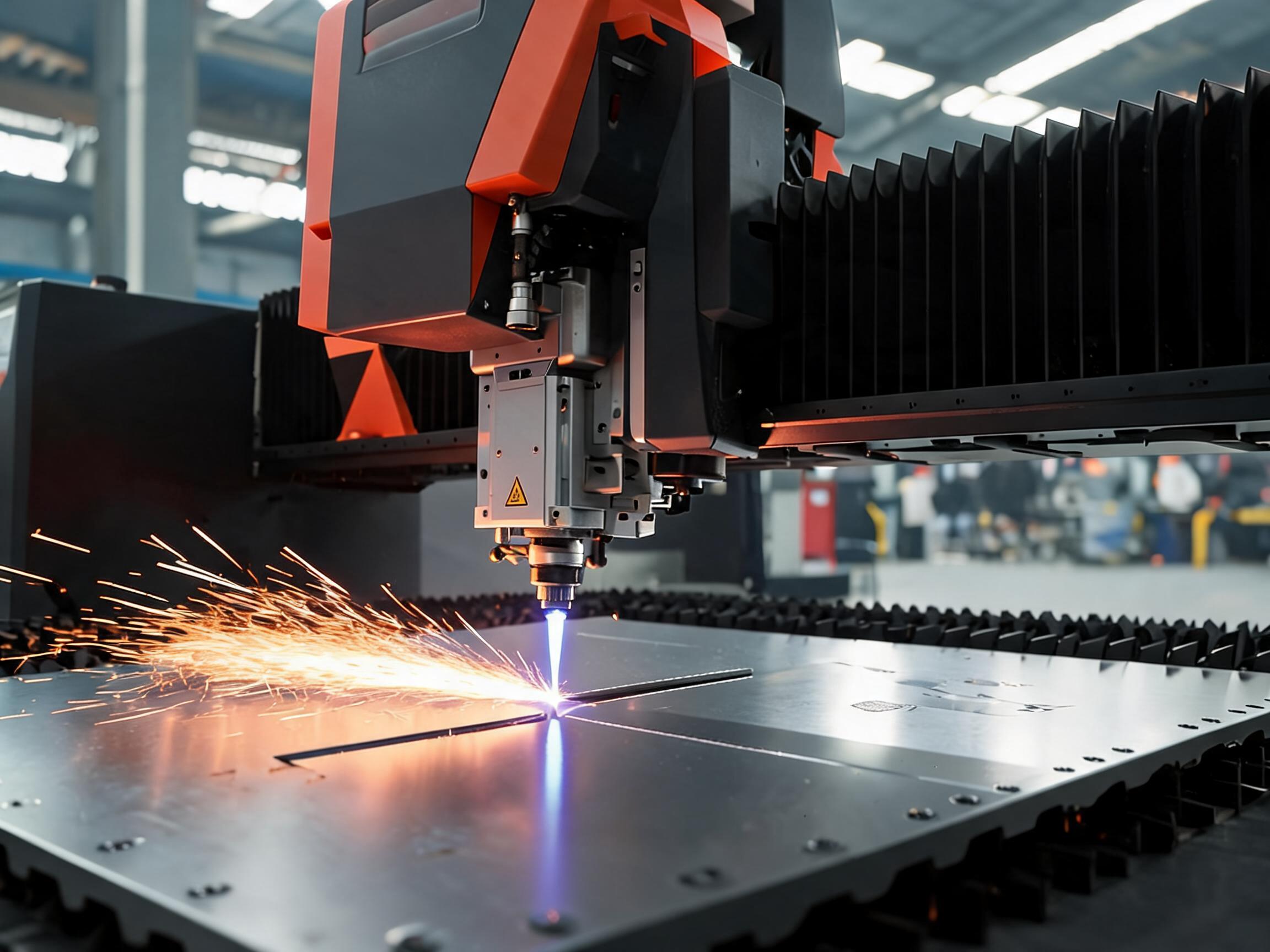
Aluminum reflects roughly 90% of the fiber laser wavelength and carries heat away from the kerf faster than steel. On a cutter tuned only for carbon steel this shows up as unstable piercing on mirror-finish sheet, burr-heavy edges on 3mm+ plate and, in the worst case, back-reflection damage to the laser source.
The failure mode buyers meet first: quotes that look identical to steel cutters, then weeks of rejected aluminum parts, secondary deburring and a supplier who cannot explain focus position or assist-gas pressure for the specific alloy.
How the Xinhong aluminum process works
Three technical choices do the work. First, an anti-reflection cutting head protects the source when piercing bright sheet. Second, high-pressure nitrogen assist blows molten aluminum out of the kerf instead of letting it re-solidify as dross. Third, the power class matches the gauge: aluminum needs more power per millimetre than steel at the same speed.
| Buyer check | What to verify before ordering |
|---|
| Alloy evidence | A sample cut on YOUR alloy and thickness - 5052, 6061 or 7075, not a steel demo |
| Parameter sheet | Written aluminum cutting parameters with focus position and nitrogen pressure |
| Source protection | IPG/RAYCUS/GW class source with documented back-reflection protection |
| Edge requirement | Nitrogen-assist oxide-free edges when parts are anodized or welded afterwards |
Buyer value: you commission a machine chosen by documented aluminum performance, not a steel spec sheet - so first-article approval happens on the sample cut, and your quotation already includes the aluminum parameter sheet.