Sign work fails on the edge, not on the speed
A sign workshop's customers judge the letter edge before they judge the price. On brushed stainless, an oxygen-assisted cut leaves a dark oxide edge that needs grinding and re-brushing - sometimes longer than the cut itself. On painted or laminated sheet, heat discoloration ruins the face. And acrylic needs a clean, flame-polished edge that a dirty lens or wrong focus immediately destroys.
The failure mode buyers meet first: a general-purpose cutter that handles the metal but not the material mix - acrylic scorched, coated sheet discolored, stainless letters polished twice before they ship.
How the Xinhong sign solution works
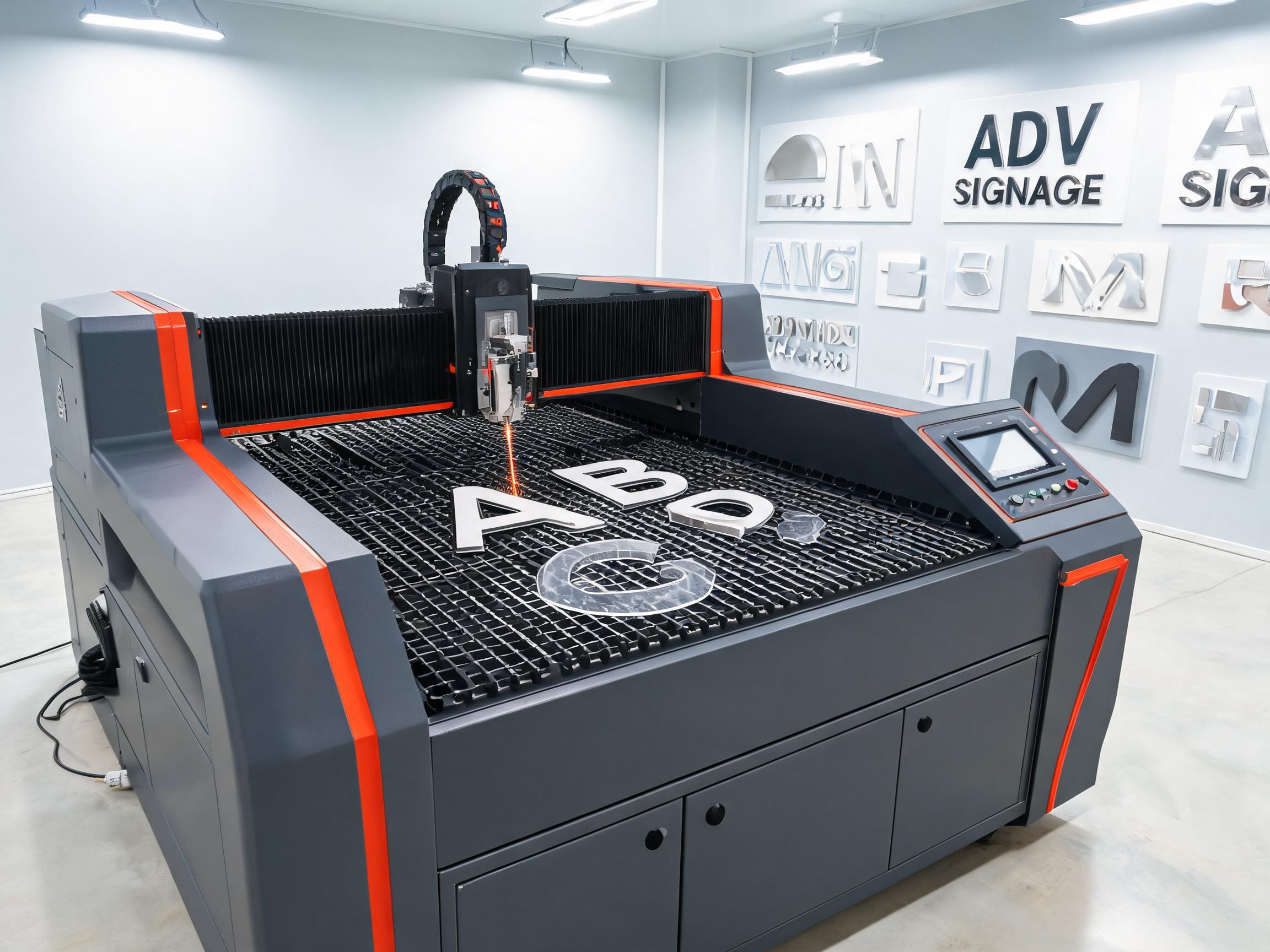
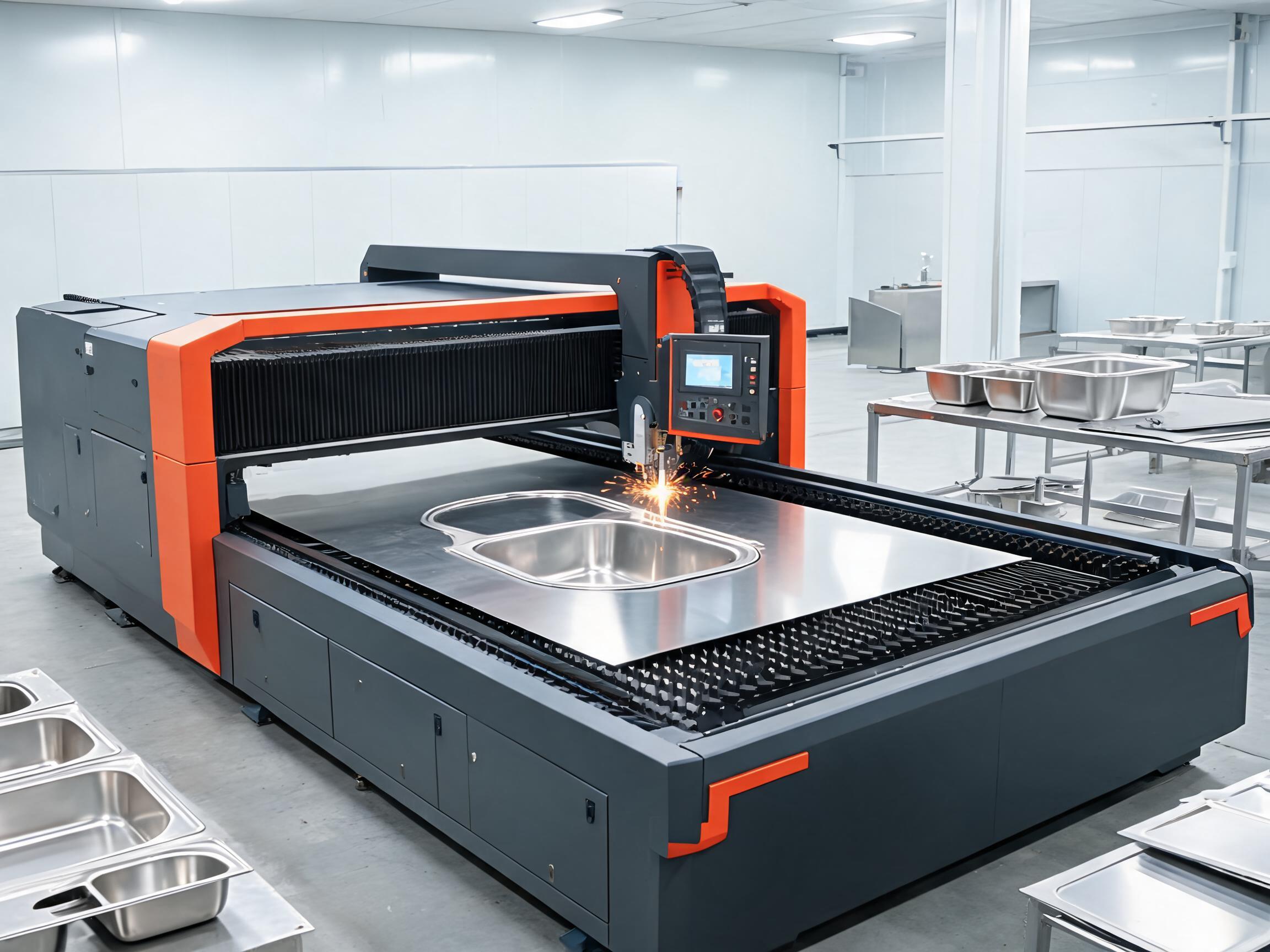
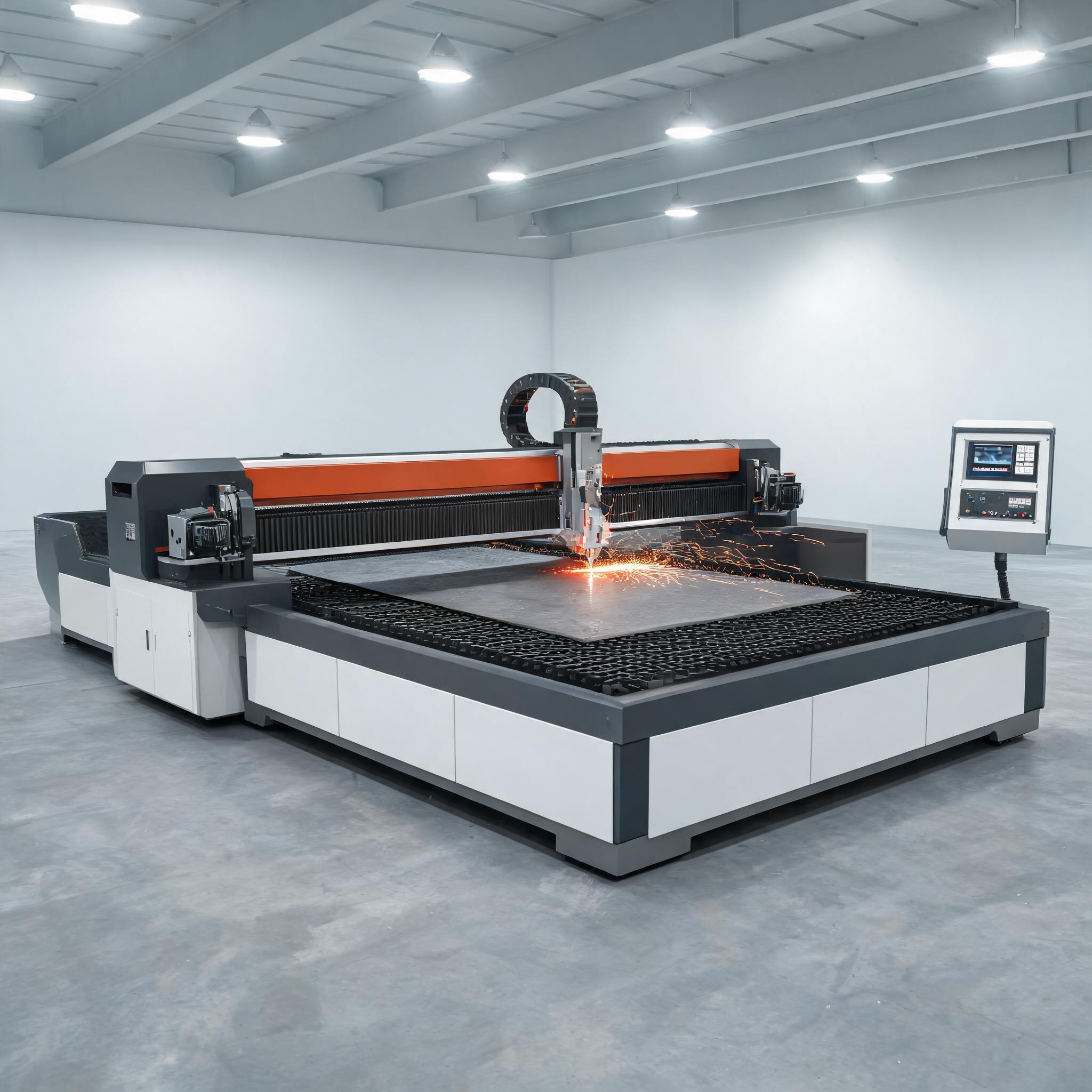
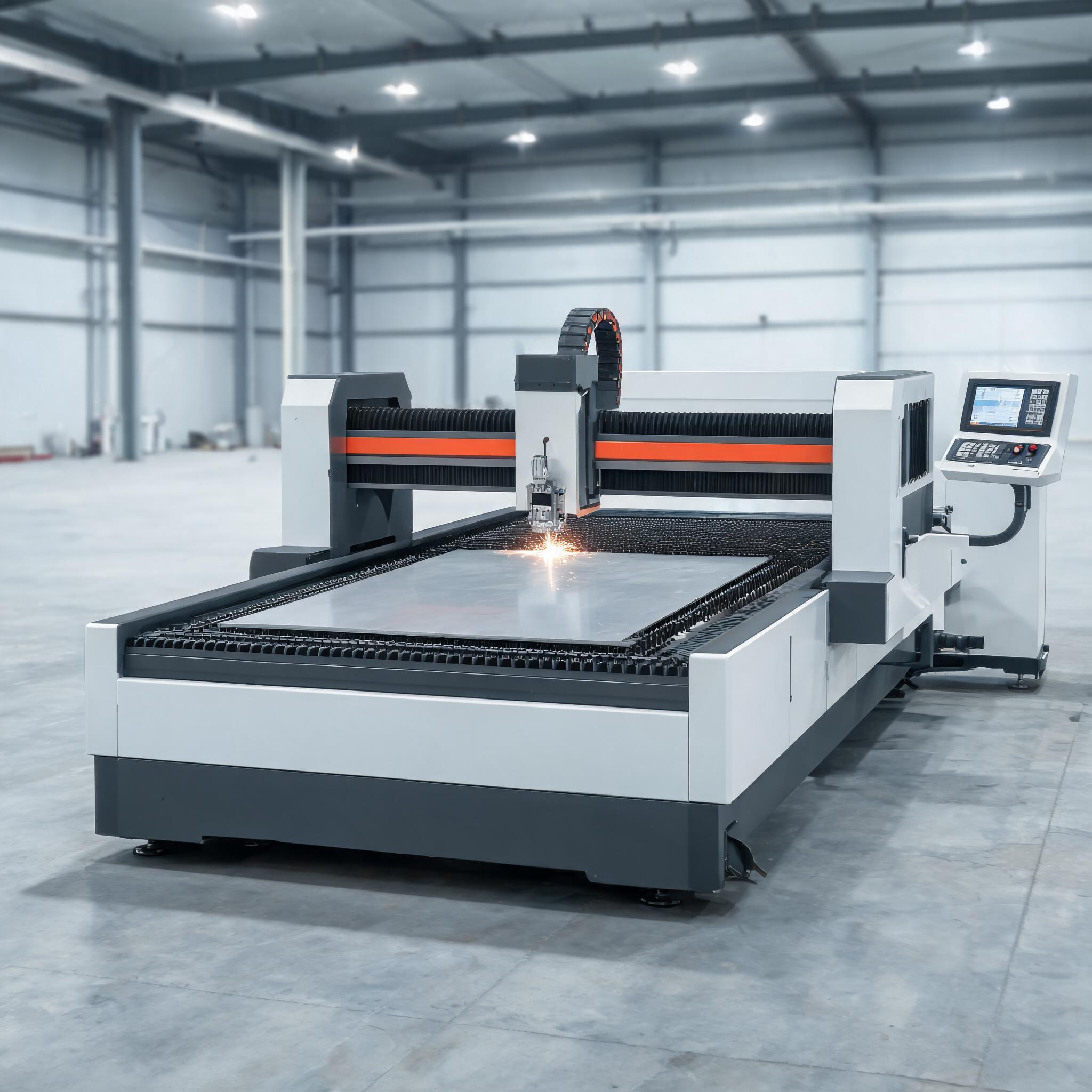
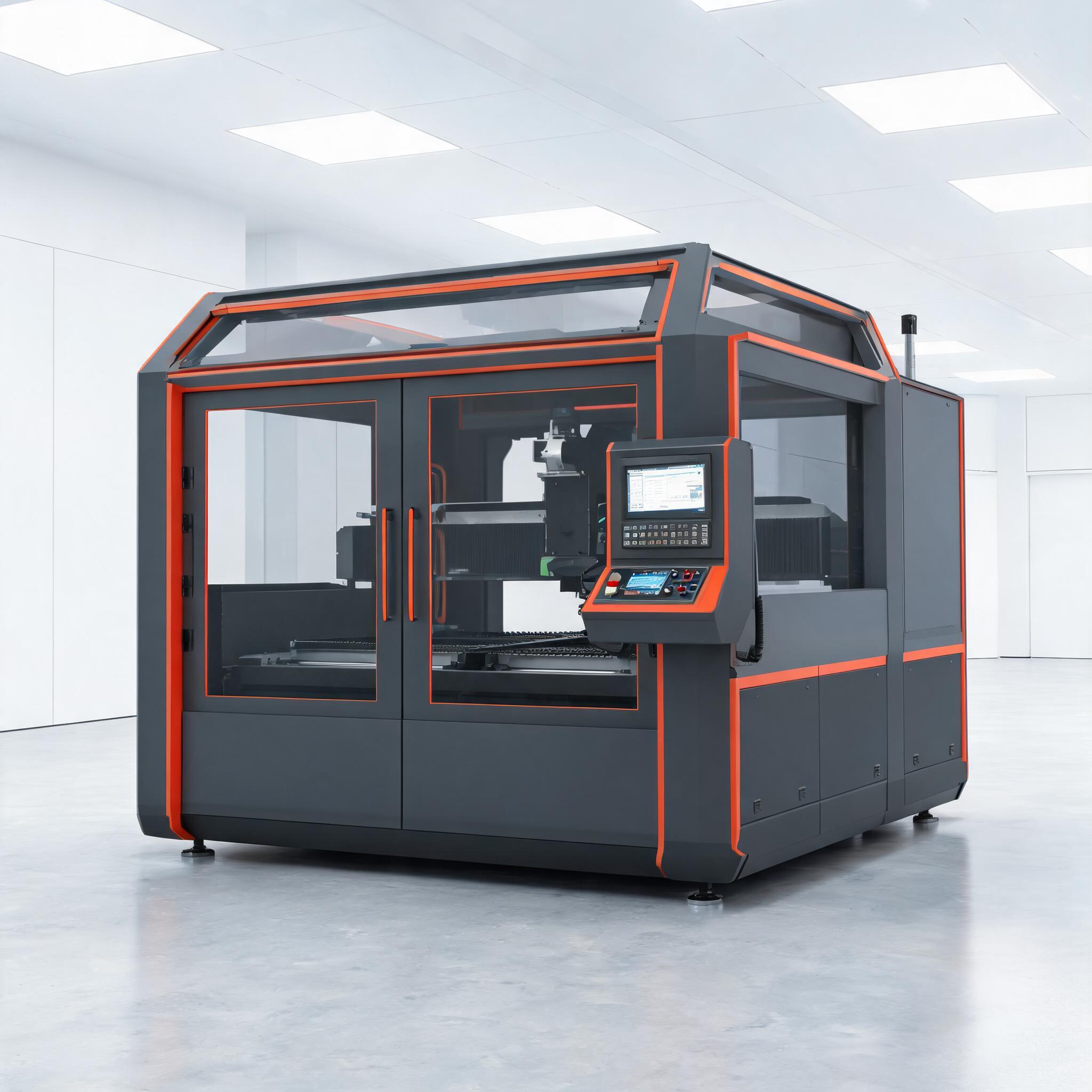
The 2000W advertising signage fiber laser cutter was configured for this material mix: metal up to 8mm and acrylic up to 20mm on a 1300x2500mm bed, with nitrogen assist for oxide-free stainless edges that go straight to brushing or anodizing. CypCut software handles the letter and logo geometry that sign work actually produces. For food-grade or mirror-finish stainless blanks, the 2000W kitchenware platform adds nitrogen-assist cutting tuned for oxide-free food-grade edges, and the 1000W large-format class covers entry-level 1-3mm letter work at a lower budget.
| Buyer check | What to verify before ordering |
|---|
| Edge evidence | Sample letters cut in YOUR stainless finish, judged after brushing, not just off the bed |
| Acrylic capability | Flame-polished acrylic edges on your panel thickness, up to 20mm |
| Bed size | 1300x2500mm covers standard sheet sign stock without pre-cutting |
| Software | CypCut workflow for letter and logo files, demonstrated on your artwork |
Buyer value: letters that ship after one cut and one brush - no second polishing pass, no rejected panels from heat discoloration, and one machine covering the metal and acrylic mix that sign shops actually quote.