
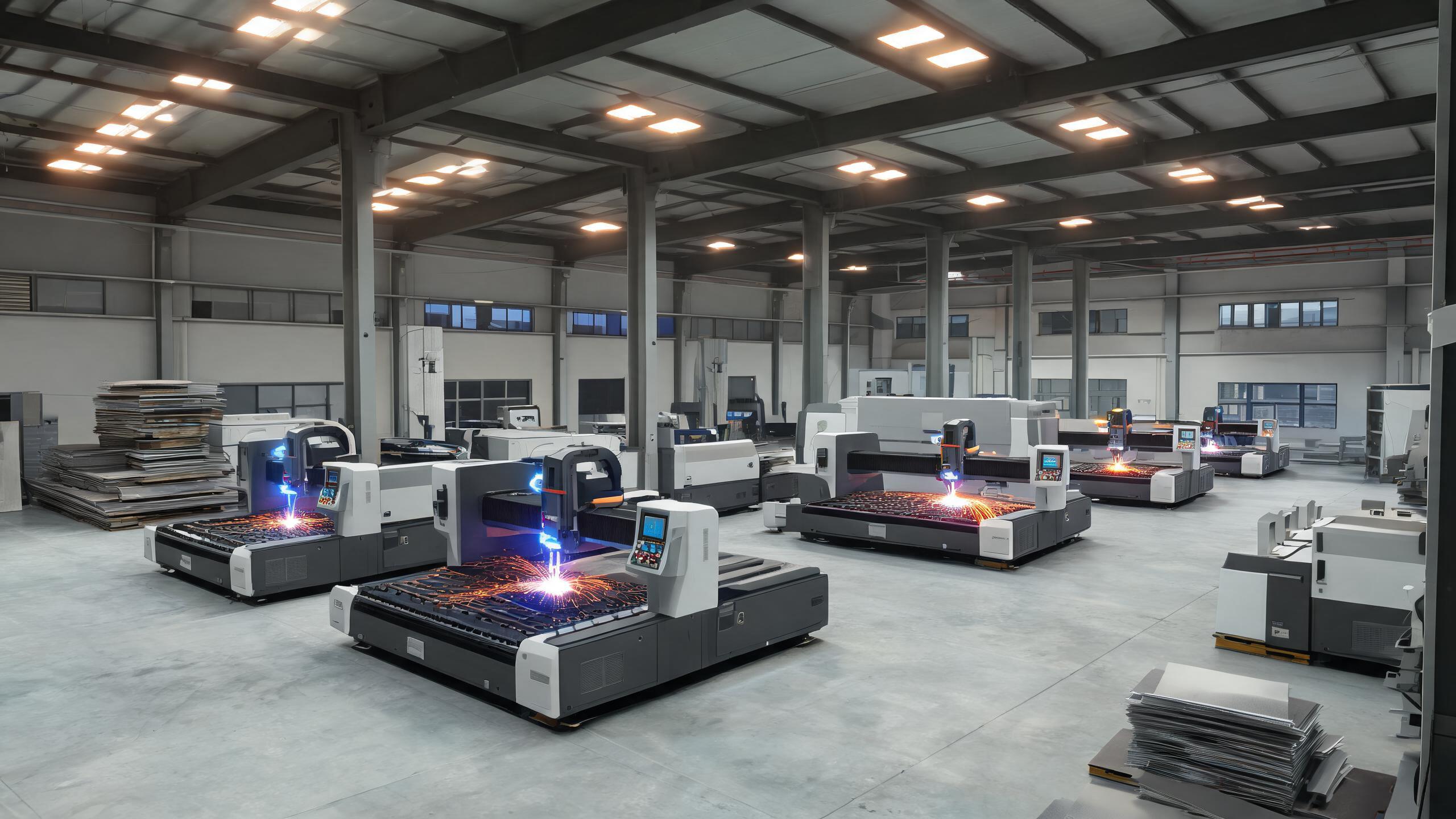
A practical supplier-selection guide for B2B buyers: what to verify (laser source, certifications, after-sales support, commissioning), where to source, and how to evaluate quotes for handheld and fixed fiber laser welding machines.
You have decided to invest in a laser welding machine. The next question is practical: where to buy a fiber laser welding machine from a supplier you can rely on for quality, compliance, and support. This guide walks through what to verify before you commit, where to source, and how to compare quotes so that your purchase decision is based on facts, not marketing claims.
In this guide
What to verify before you buy
Not all laser welding machines are built to the same standard. When you narrow down suppliers, check these five areas. They determine whether the machine will perform on your shop floor and whether you can get support when you need it.
Laser source and core components
The laser source is the heart of the machine. Ask which brand is installed. Reputable suppliers use well-known sources such as IPG, RAYCUS, or GW. These sources are widely used in industrial applications and are easier to service or replace. A supplier that names its components transparently is usually more reliable than one that avoids the question.
Also check the control system. For example, some machines use Schneider Electric controls, which are recognized for industrial reliability. Knowing the brand of the laser source and the controls helps you assess the overall build quality.
Certifications and compliance
For B2B buyers, compliance is not optional. Verify that the machine meets the standards required in your market. Look for:
- CE certification – required for equipment sold in the European Economic Area
- ISO 9001:2015 – indicates the manufacturer has a quality management system in place
Ask to see the certificates. A supplier that is genuinely certified will share the documents without hesitation. Be cautious if they only mention compliance without providing proof.
Welding performance and specifications
You need to know what the machine can actually do. Look at the power and the material thickness it can handle. For example, a 2000W handheld fiber laser welding machine can weld 5mm stainless steel. This is a practical benchmark for many fabrication tasks.
Some machines also combine welding with cleaning. A 2000W handheld welding and cleaning machine can weld stainless steel and also remove rust and paint from surfaces. This dual function can save you from buying a separate cleaning system.
Check the cooling method. Water-cooled systems are standard for higher-power machines because they maintain stable temperature during prolonged use. Confirm the cooling type in the specification sheet.
After-sales support and training
A laser welding machine is an investment that should last for years. Before you buy, ask about:
- Warranty terms – what is covered and for how long
- Spare parts availability – are parts in stock and how long does delivery take
- Technical support – is support available by phone, email, or remote access
- Training – does the supplier provide operator training or manuals
Suppliers that offer on-site commissioning show that they want the machine to work correctly at your facility. This is especially valuable if your team is new to laser welding.
Supplier reputation and experience
Look for a manufacturer that specializes in laser welding systems. A company like Shandong Xinhong makes both handheld and fixed fiber laser welding systems. Specialized manufacturers are more likely to have refined their production processes and to understand the operational challenges you face.
Check how long they have been in business and whether they have experience with international customers. Ask for references or examples of similar machines installed in your industry.
Where to source a laser welding machine
You have two main options: buy directly from a manufacturer or go through a distributor. Each has trade-offs.
| Channel | Pros | Cons |
|---|---|---|
| Direct from manufacturer | Lower cost, direct technical support, better customization options | May require more effort in communication and logistics |
| Distributor / agent | Local support, faster response, easier communication | Higher price, less direct control over the sourcing process |
For most B2B buyers, buying directly from a manufacturer is the best way to get the best price and to build a long-term relationship. You can often request modifications to the machine or the packaging to suit your needs.
When you search for a laser welding machine supplier, use specific terms like “fiber laser welding machine manufacturer” to filter out resellers. Look for manufacturers that publish detailed specifications and certifications on their websites.
One example is Shandong Xinhong, which offers a range of handheld and fixed fiber laser welding machines. Their product lineup includes:
- 1500W laser welding machine
- 2000W laser welding machine
- Handheld fiber laser welding and cleaning machine
These machines are designed for industrial use, with CE compliance and quality components.
How to evaluate supplier quotes
Once you have shortlisted a few suppliers, ask each for a detailed quote. Compare them on more than just price. Here is a checklist to guide your evaluation.
| Item to compare | What to check |
|---|---|
| Machine price | Is the price for the complete system or just the laser unit? |
| Laser source brand | Which brand and model? Is it a well-known source? |
| Power and capability | What is the max power? What material thickness can it weld? |
| Cooling system | Water-cooled or air-cooled? Does it match your duty cycle? |
| Certifications | CE, ISO 9001:2015, other relevant standards? |
| Warranty | Duration and what is covered? |
| After-sales support | Is on-site commissioning included? What about training? |
| Spare parts | Are parts available and at what cost? |
| Delivery time | How long until the machine is shipped? |
| Payment terms | What are the payment milestones? |
Be wary of quotes that are significantly lower than others. They may cut corners on the laser source, the control system, or the after-sales support. A machine that fails after a few months can cost you more in downtime than the money you saved upfront.
Also, ask about the commissioning process. A supplier that offers on-site commissioning will send a technician to your facility to set up the machine and verify it works. This is a strong sign of commitment to customer satisfaction.
Frequently asked questions
What is the difference between a handheld and a fixed laser welding machine?
A handheld machine gives you flexibility to weld in different positions and hard-to-reach areas. A fixed machine is better for repeatable, high-volume welding on a production line. Your choice depends on the variety of parts you weld and the volume of production.
Can a 2000W laser welding machine weld stainless steel?
Yes. A 2000W fiber laser welding machine can weld stainless steel up to 5mm thick. This is suitable for many fabrication applications, from sheet metal to light structural work.
What is the advantage of a welding and cleaning machine?
A combined welding and cleaning machine lets you switch between welding and surface cleaning (removing rust and paint) with the same tool. This saves you from buying a separate laser cleaning system and speeds up your workflow.
How important is CE certification?
CE certification is required to sell and operate machinery in the European Economic Area. It indicates that the machine meets EU safety, health, and environmental requirements. If you are buying for Europe, do not skip this check.
What should I ask about after-sales support before buying?
Ask about the warranty period, response time for technical support, availability of spare parts, and whether on-site commissioning is included. These factors affect how quickly you can resolve issues and minimize downtime.
Key takeaway: When you buy a laser welding machine, you are not just buying a piece of equipment. You are buying the supplier’s ability to support you. Choose a manufacturer that is transparent about its components, holds the right certifications, and offers real after-sales support. This will save you time, money, and frustration in the long run.
If you are ready to compare specific models, explore the 1500W and 2000W laser welding machines, or the handheld welding and cleaning machine. Contact the supplier with your material types, thickness, and production volume to get a quote tailored to your needs.